
Welcome to Modern Agriculture!

Introduction to Growing Organic Zucchini in Containers
Zucchini is also called summer squash, is a great vegetable for small-space gardeners. Zucchini is nearly guaranteed to grow; it produces tons of vegetables all summer long and comes in lots of fun shapes and colours. The Zucchini plant is one of the most common vegetables grown in the home garden in containers. One of the reasons is because it is easy to grow. Growing organic Zucchini in containers is that you can place your pots anywhere in your yard, to get the best sunlight. Zucchini needs six or more hours of sun each day for maximum plant growth. In this article we also discuss below topics;
Zucchini comes in two types. They are bush and vining.
Vining varieties are the ones that spread out many feet along the ground in all directions. The fruits can form anywhere along the vine.
Bush varieties grow from a central point and tend to be more compact. Fruits normally form at the base of the plant, which makes harvesting them easy.
Zucchini is quite a good choice for container gardens because it has shallow roots. A container that is around 12 inches deep should be sufficient for growing Zucchini. However, Zucchini needs plenty of nutrients to grow and produce well. This means that the larger the container you can provide, the better. The larger the container, the less the need to replenish the nutrients over time.
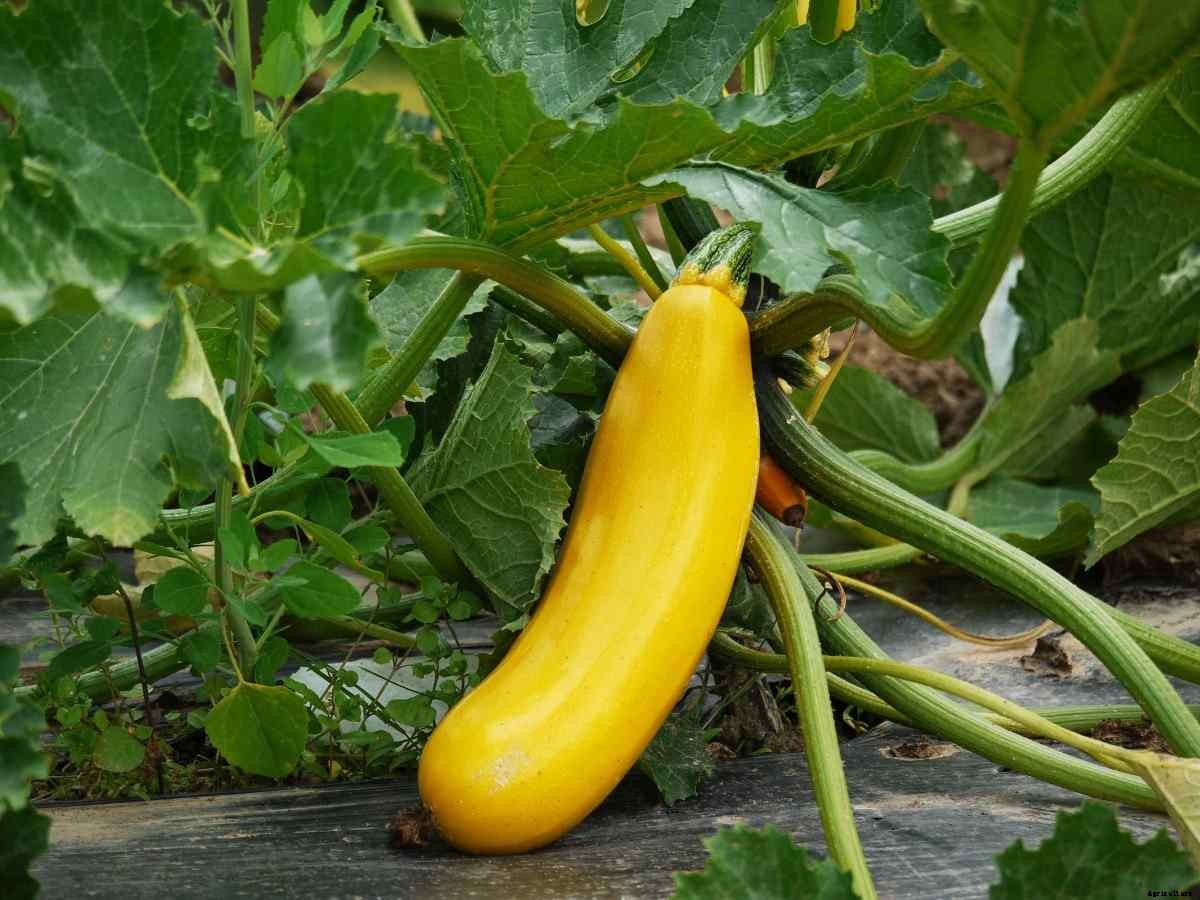
Containers made out of porous material tend to work better for container growing because they provide additional drainage but they can dry out quickly. Terra cotta, cement, or unglazed ceramic are perfect materials for growing Zucchini.
Container potting soil mixes have vermiculite, sand, peat moss or coconut coir mixed in to help the soil drain well, and to retain some moisture without becoming waterlogged. Plant Zucchini in full sun in compost-rich and well-drained soil. Zucchini grown in containers requires a lightweight, well-drained potting soil such as a commercial mix containing ingredients such as peat, compost and fine bark, along with either perlite or vermiculite. Avoid regular garden soil, which probably contains pests and weed seeds, and quickly becomes compacted enough to smother the plant roots.
Sunshine is very important when growing Zucchini in containers. At least 6 hours of sunshine a day is required and more is better. One of the good things about growing Zucchini in containers is that you can potentially move them around so they get plenty of light throughout the growing season. Zucchini needs full sun and consistently moist soil that is high in organic matter. Some Zucchini plant varieties are vining types that require a trellis or a lot of room to sprawl. Zucchini is a sun-loving plant that needs an absolute minimum of 6 to 8 hours of sunlight per day; 8 to 10 hours is even better.
You can also check this: Growing Organic Cucumbers In Containers.
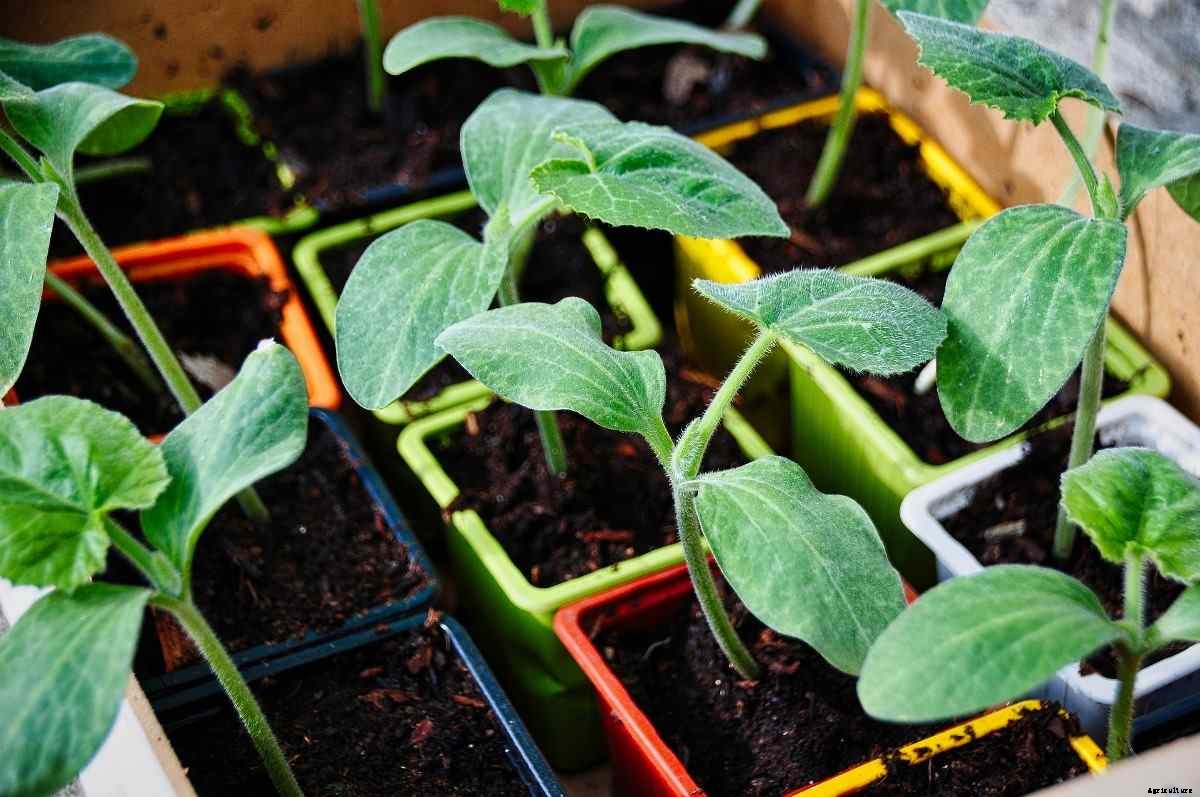
Step 1) Grow organic Zucchini indoors all year round. In the winter season, place the pots in a south-facing window where they will get the most sun.
Step 2) Fill 2-inch pots with soil-less seed starting mix. Use a pre-mixed formula available at garden centres or make your own by mixing equal parts peat moss and vermiculite. Then, dampen the mixture and fill the 2-inch pots.
Step 3) Place one Zucchini seed in each pot and then cover it with 1/2 inch of soil. Place the pots in the dappled or filtered sun with a temperature range between 18 and 23°C. Then, keep the soil around the seedlings damp with frequent light applications of water. The seedlings will germinate in 5 to 7 days and be ready to transplant into a large, permanent container in 3 to 4 weeks.
Step 4) Sow the Zucchini seeds at least 2 to 3 feet apart, in holes approximately one inch deep. Drop seeds in the holes. Zucchini is an abundant crop one Zucchini plant produces about 6 to 10 pounds of produce. If you are growing Zucchini on a trellis, space your trellises approximately two feet apart, and plant your Zucchini in front of the trellis. Water your Zucchini plants consistently.
Step 5) Use a well-draining soil-less potting mix and fill the pot to 1-inch below the lip of the container. Garden centers sell pre-formulated mixes for indoor container vegetables. Alternately, mix your own by combining equal parts loam, peat, and coarse clean sand. Add a 14-14-14 liquid fertilizer to the mix. Check the back of the package to determine the correct amount.
Step 6) Dampen the potting mix with water until it is light and crumbly. Scoop out a shallow hole in the center of the pot large enough to accommodate the root ball of one plant. Choose the strongest of the Zucchini seedlings for planting.
Step 7) Slide the seedling out of the small pot and place it into the large container with the base of the stem planted at the same depth in the soil as it was in the seeding pot. Fill in around the roots and then pat down the soil to secure the seedling in the pot. Place the potted Zucchini in a sunny window where it will get at least 5 to 6 hours of sun each day.
Step 8) Fertilize once a week using a fertilizer formulated for complete nutrition. There are many combinations on the market for vegetable growing. A good, basic fertilizer formula like a 5-10-10 or a 10-10-10 fertilizer is suitable. Check the package for the correct application method.
Step 9) Harvest the Zucchini plants as when they are 3 to 4 inches long and still tender. They are ready to harvest 50 to 70 days after planting.
Keep the soil evenly moist. Give Zucchini 1 inch of water a week. The critical time for watering is during bud development and flowering. Once plants are established, mulch with straw, hay, and dried leaves to retain soil moisture and suppress weeds. Drought-stressed plants are more susceptible to insect attacks.
If you are interested in feeding Zucchini plants organically, the time to start is before sowing seed or transplanting. First, select your site and dig up the soil. Dig in about 4 inches of well-composted organic matter. Apply an additional 4 to 6 cups of all-purpose organic fertilizer per 100 square feet. If your compost or manure is high in soluble salts, you will need to wait for 3 to 4 weeks before planting the Zucchini to prevent salt injury. Plant the seeds at a depth of 1 inch or transplant starter plants. Water the plants once a week to keep them moist, 1-2 inches per week depending upon weather conditions. Thereafter, apply organic fertilizer when plants just begin to bloom. You can use an all-purpose organic fertilizer or diluted fish emulsion when fertilizing Zucchini plants at this time. Water in the fertilizer around the plants and allow soaking down into the root system.
Mulching is one great method to reduce water use and cut down on the moisture loss from your containers. Adding good quality organic mulch reduces the rate at which water evaporates from the growing medium. But mulch can add the nutrients that your Zucchini plants need.
The Zucchini plant does well with springtime mulching. Spread two-inch of organic mulch, involving shredded leaves and grass clippings, around seedlings. The mulch will warm up the soil, maintaining steady temperatures during growth, and will also promote moisture retention. Mulches can be used in a container garden in very similar ways to in regular gardening.
Homemade compost or leaf mould makes great mulches for container-grown plants. They will slowly release nutrients into the growing medium below and help keep plants strong so you get a great yield.
Causes – Yellow leaves on a Zucchini plant can be a sign of many problems, including too much water. Typically, Zucchini leaves yellow as a result of wet soil following heavy rains when temperatures are cool or cold. Leaves also may appear dark green or brown, and many may wilt or dieback when temperatures drop.
Cold weather and too much moisture are among many potential causes for yellow leaves on a plant. Powdery mildew and Downy mildew can also cause yellowing leaves. Pests including the squash vine borer and squash bugs can make the plant leaves yellow and wilt. Finally, plant viruses like squash mosaic can lead to the yellowing of leaves.
Treatment – How to care for a Zucchini plant with yellowing leaves depends on the cause. When the problem develops following a cold and rainy spell, the plant’s health improves without your aid as temperatures warm and the soil dries out. If the yellow plant leaves are pest related, you can remove visible pests and their eggs and larvae by hand when checking the plants; alternatively, try an insecticide applied at the base of the vines. Herbicides can help to control plant diseases.
You should not miss this: Growing Kitchen Herbs In Pots.
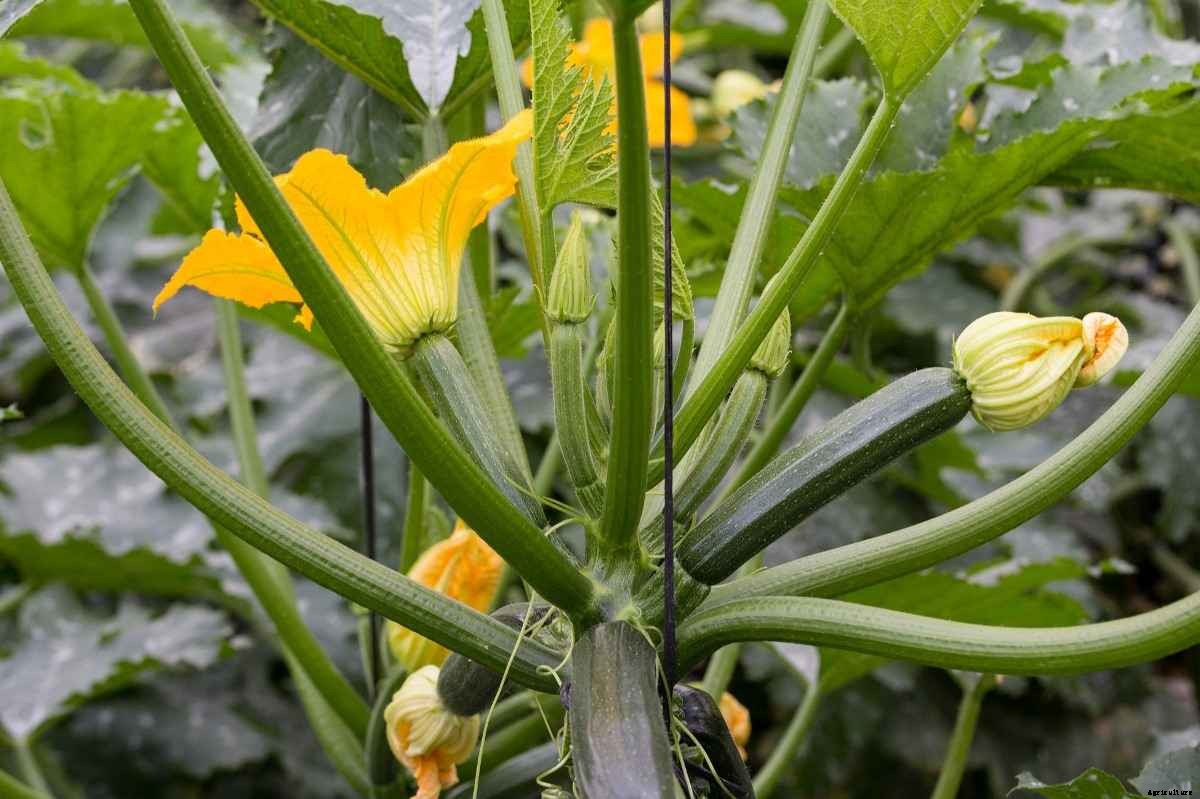
Zucchini will be ready to harvest anywhere from 6 to 8 weeks after planting. For optimum flavor, they are best picked around 15cm in length using a secateurs or sharp knife. Carefully, pick them when they’re small to ensure tender fruit and small seeds. Cut the stem of the Zucchini with scissors or pruners, rather than pulling it off the plant. Cutting the stem prevents damage to the plant and delays mould developing on the Zucchini. The fruit grows fast so check your plants frequently. If you leave them longer they become huge and turn into marrows which are tougher to eat and taste bland.
Plant one Zucchini per pot, so there’s room for the roots to grow and for the plant leaves to spread.
Growing the Zucchini vertically conserves space and keeps the plants healthy by encouraging circulation and sun exposure. Climbing Zucchini is less susceptible to diseases and issues like mildew or rotting.
Keep the soil evenly moist. Give Zucchini 1 inch of water a week. The critical time for watering is during bud development and flowering.
Harvest Zucchini when it is between 4 and 8 inches long and about 1 to 3 inches in diameter. Zucchini takes 35 to 55 days from planting until harvest.
Zucchini grows fast and plentiful approximately 1 to 2 inches per day and can produce up to 10 pounds of Zucchini squash per plant.
In case if you are interested in this: Organic Ashwagandha Farming.


