Welcome to Modern Agriculture!

Garlic is one of the easiest crops to grow and takes up very little room in the garden. All you need is an area that gets plenty of sun and these helpful tips for growing garlic.
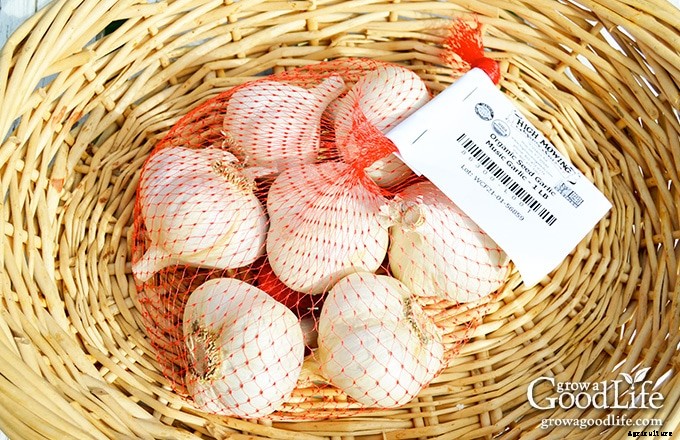
The common white grocery store garlic shouldn’t be used for seed. Chances are, that garlic was grown in the mild climate of northern California or even outside the country. It also may have been chemically treated so it won’t sprout. Instead purchase certified seed garlic for the best results. Seed garlic can be found at local garden centers and online.
Some online sources I have used in the past include: High Mowing Seeds, and FEDCO. My garden is located in Maine, zone 5.
Other trusted sources include: Botanical Interest, Territorial Seeds, and Seed Saver’s Exchange. Also, consider your local farmers markets, feed store, county fairs, garlic festivals, or from fellow gardeners in your area.
Try not to be shocked at the initial price of garlic seed. Remember, each clove will grow another head of garlic and will produce plenty for eating and for garlic seed for years to follow. One pound of garlic seed can yield 40 garlic bulbs or about 5 pounds of garlic depending on the variety. Planting with good quality, organic seed stock will get your garlic crop off to a good start with fewer chances of disease.
When purchasing your garlic seed, try to buy from a supplier with a similar growing environment. Garlic is adaptable to many growing conditions, but it can take several years to adjust. You will get better results right away if you grow garlic that has already been conditioned to your climate and soil type.
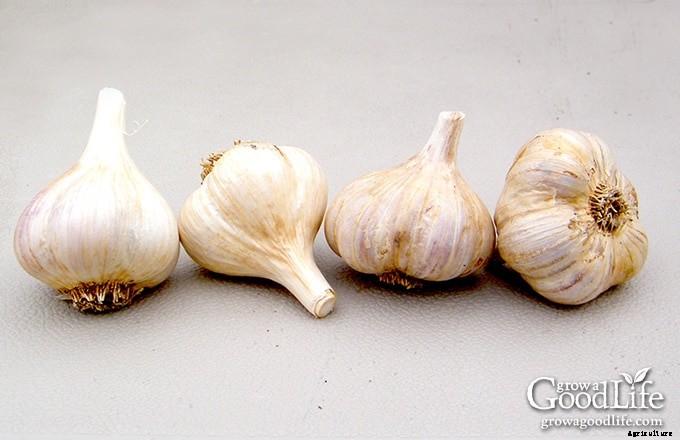
Garlic varieties are roughly classified into two main categories: hardneck and softneck:
Plant garlic seed 4-6 weeks before your estimated hard frost date in fall (Look yours up here: PlantMaps.com). Gardens in zones 5-8 should plant mid-October through mid-November.
The goal to planting in the fall is to give the garlic a head start. Once the garlic is planted, it will begin to send out roots. The garlic goes dormant when the cold weather arrives and the ground freezes, and then begins growing again as soon as the soil warms in the spring.
Overwintering in the ground also allows the bulb to experience a cold period necessary for bulb formation. Hardneck garlic requires a period of cold winter temperatures to encourage the seed to divide and grow into separate cloves that form the head of garlic. This process is called, vernalization. Garlic is triggered to bulb when day length increases to about 14 hours.
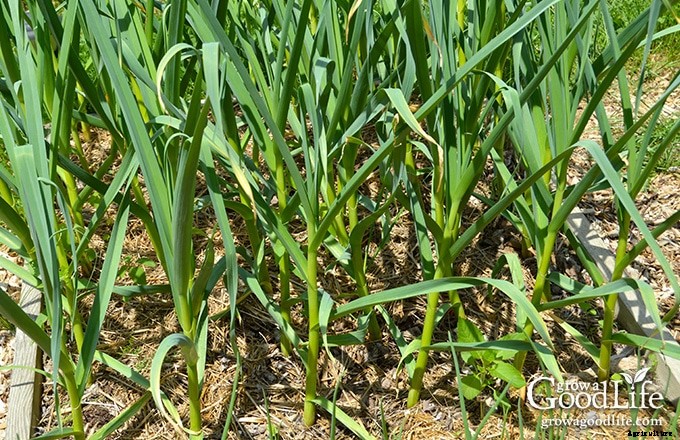
Garlic thrives in full sun in loose soil. Choose a well-drained garden bed that receives 6-8 hours of sunlight per day. Select an area that did not have onions or other alliums growing this year. Remove weeds and work in a generous layer of finished compost and slow-release organic fertilizer according to the package directions. If the weather has been dry, water your garden bed well a day before planting.
See How to Plant Garlic in the Fall for more detailed planting information.
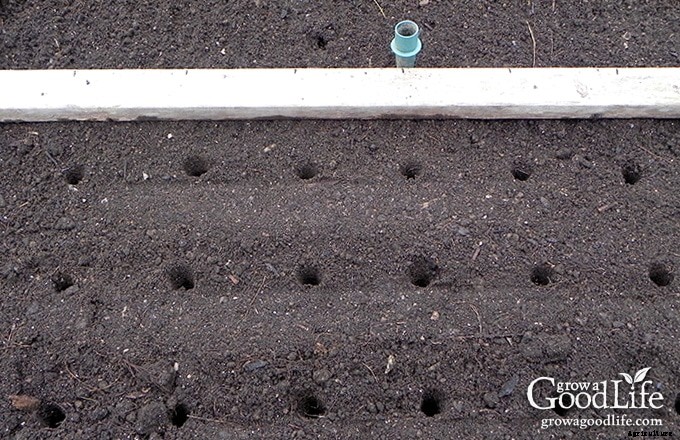
Garlic has a shallow root system and will stop growing in dry soil conditions or when the roots get too hot. Mulching the soil surface will help prevent weeds, conserve moisture, and insulate the roots.
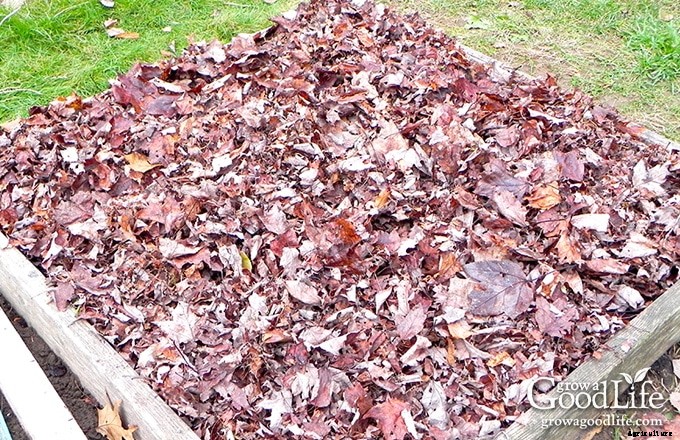
Water the garlic bed well after planting and add a light layer of mulch to keep the weeds down until the ground freezes.
Adding a heavy layer of mulch before the ground is frozen can insulate the ground and delay the plants from going dormant naturally. This can cause damage to the roots once the severe winter arrives.
Once the ground does freeze, add another layer of mulch to insulate and deep the soil frozen. This helps protect the roots and prevents the garlic from being heaved out of the ground by alternate freezing and thawing.
Learn more about How Mulch Helps Your Vegetable Garden.
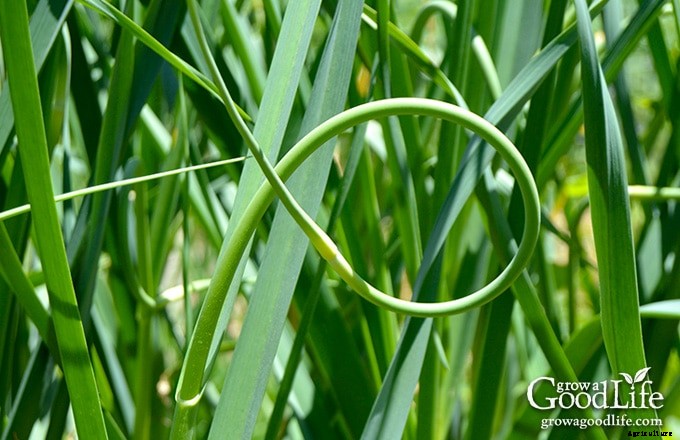
Garlic scapes are the flower stalks that hardneck garlic plants produces. Several weeks before the garlic bulb has finished growing, it sends up a flower stalk. The stalk grows upwards for several inches then will curl once or twice before continuing to grow upward. Removing the garlic scape allows the plant to devote its energy into growing a larger bulb of garlic.
These tender, mildly garlic flavored shoots are edible and can be used in any recipe that calls for garlic.
See How to Harvest Garlic Scapes for more details and recipes using garlic scapes.
Knowing when to harvest garlic can be tricky. Lifting the bulbs too early will give you undeveloped, small bulbs. Harvesting too late and the cloves could split through their skins. Either situation will affect the garlic’s long-term storage potential.
The number of days to maturity varies with the climate and variety of garlic grown, but October planted garlic is usually ready by mid-July in my Maine, zone 5 garden.
Garlic is finished growing when the foliage begins to turn brown. Leaves grow from the bottom up, so the ones at the bottom will die back first. Dig up a test bulb once the bottom 2-3 leaves turn brown. The cloves should be large, and the skins filled out and tight. Stop watering and wait for a dry period to dig up the bulbs.
See How to Harvest, Cure and Store Garlic for more information on how to cure and store garlic for long-term storage.