
Welcome to Modern Agriculture!

Mulching is one of the best things you can do for your garden. A generous layer of mulch over the soil surface will suppress weeds, retain moisture, and provide and soil enrichment as it decomposes.
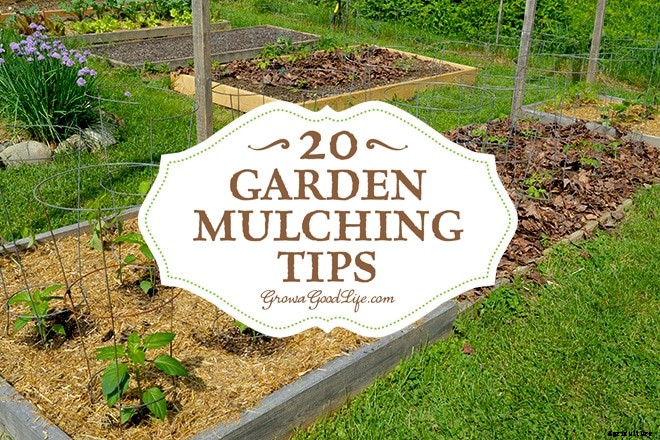
Mulch also helps protect the soil from erosion, moderates the soil temperature, and makes the garden look neat and tidy. Mulching has some disadvantages as well. It can smother your plants, tie up nutrients, add unwanted chemicals, grow fungus, and slow water penetration.
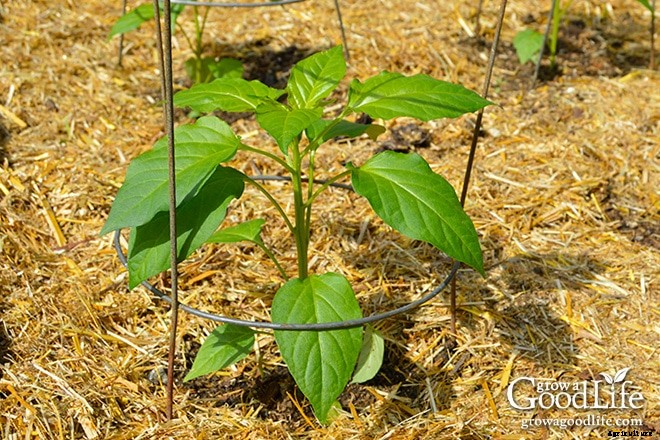
Keep the mulch a few inches from the plants, so they are not smothered.
I reached out to my gardening friends and asked if they would share their advice and experiences with using mulch in the garden. This resulted in a collection of seasoned knowledge of various mulching methods for vegetable gardens, flowerbeds, and landscaping. Discover mulching methods that will work in your garden and heed some mulch warnings too.
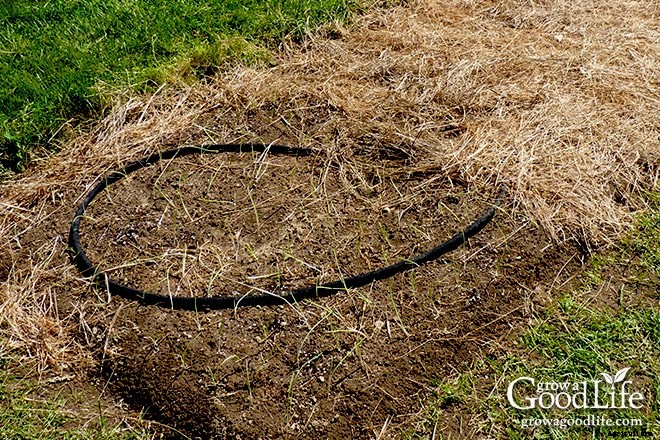
Laying a soaker hose beneath the mulch provides water directly to the soil. The mulch prevents moisture from evaporating.
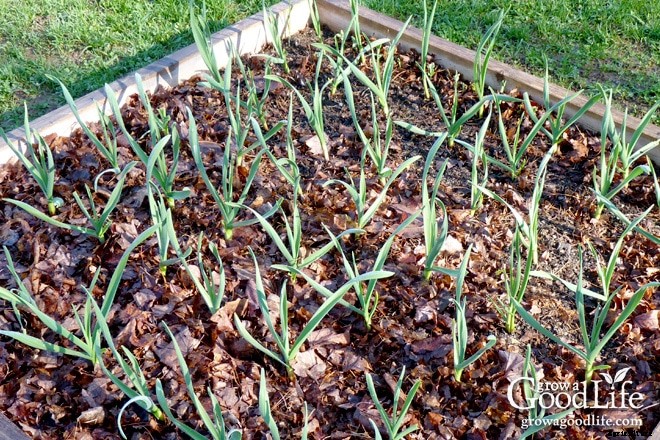
Garlic bed mulched with shredded leaves – FREE
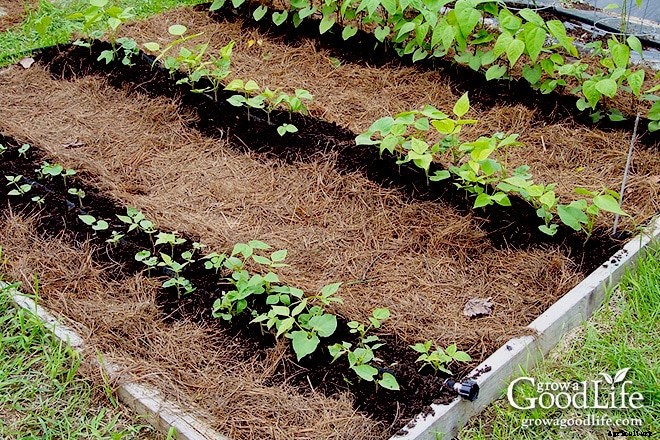
Bush beans mulched with straw
The most important point to understand is there is no one method that fits all gardens. Each type of mulch has pros and cons, making it suitable for some situations and not others. Regardless of which method you choose, you should mulch. So which mulch is right for you?
[sc:ArtOfGardening ]

