
Welcome to Modern Agriculture!

Introduction to mulching your garden
Mulch is the ultimate gardening time-saver, no matter if you are tending to flower beds or vegetable gardens. Using mulch in your yard or garden beds can conserve water, shield plant roots, improve the health of the soil, preserve soil temperature, and prevent weed growth. It is any material that is spread or laid over the surface of the soil as a covering. It is used to retain moisture in the soil, suppress weeds, keep the soil cool, prevent frost heaving in the winter season, and make the garden bed look more attractive.
In this article we also discuss below topics;
Select a good mulch to add nutrients to your lawn. Organic mulches contain wood chips, straw, grass clippings, chopped leaves, and compost. When the mulch breaks down, it naturally adds nutrients to the underlying soil and mulch will also help with water retention, weed prevention, and will protect plant roots. Organic mulches won’t, however, protect from some pests. You can purchase mulch online or at a gardening store. Organic mulches will have to be replaced and augmented every year. The good Mulch;
Mulching performs a different variety of functions in the garden;
Few things to consider before applying mulch around trees or in garden beds;
The crop
Not all plants like the same growing conditions. Heat-loving peppers, tomatoes, eggplant, and melons are good candidates for black plastic mulch. Applied in early spring, the plastic will raise soil temperature levels and help warm the air around the plants. But most plastic mulches are not water-permeable, which means that as the season progresses, plants may go thirsty. Inadequate moisture can stress your plants, lead to blossom-end rot problems on tomatoes, and diminish overall harvest.
Weather
If you live in a hot climate, then use plastic mulches judiciously. High soil temperature levels can stress your plants and burn up organic matter. In hot climates, crops will be happier and more productive with soil-cooling mulch such as shredded leaves or straw. Conversely, if you live where summers are cool and wet, using moisture-retentive, soil-cooling mulch can be disastrous. You could find your plants stunted from the cold, turning yellow from too much moisture, and being chomped by an army of slugs.
Make sure to let the soil warm-up and then dry out a bit before applying soil-cooling mulches. Depending on where you live, this means waiting until June or even early July. Consider using plastic mulch during early spring and it will raise the soil temperature and also help dry out the soil.
Soil type
Take a minute to consider your garden’s soil conditions before selecting mulch. Most plants perform poorly in heavy, wet soil. This type of soil will dry out a bit as the season progresses, so don’t cover it up with thick, moisture-retentive mulch. Nor should a dry, sandy soil be covered with plastic mulch, as it would prevent rain and irrigation water from seeping down to the roots.
The two basic kinds of mulch are organic and inorganic. Organic mulches contain formerly living material that is chopped leaves, straw, grass clippings, compost, wood chips, shredded bark, sawdust, and even paper. Inorganic mulches contain black plastic and geotextiles (landscape fabrics).
Both types of mulch discourage weeds, but organic mulches improve the soil as they decompose. Inorganic mulches don’t break down and enrich the soil, but that doesn’t necessarily mean they’re not a smart option for the garden. For example, black plastic is a popular kind of inorganic mulch.
Here are the most common types of mulch;
Wood Chips or Shredded Leaves
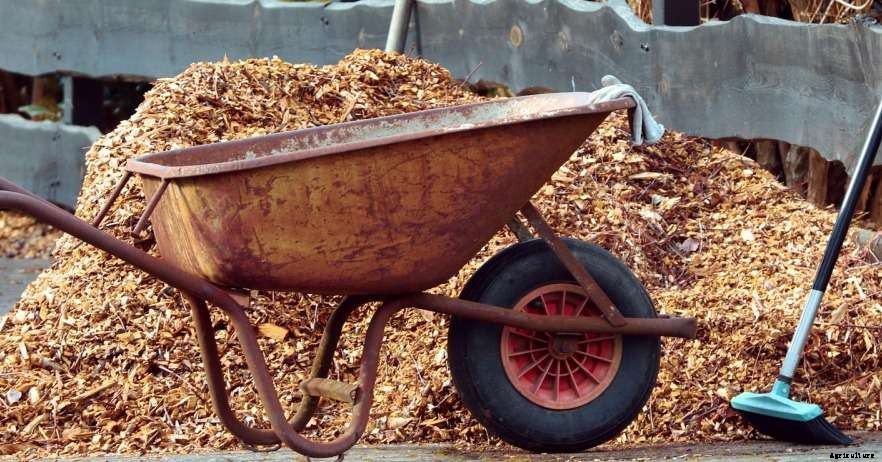
You can purchase bags of decorative wood chips or shredded bark from a local garden center to mulch flower garden and shrub borders. For a less expensive option, call your local tree-care and utility company to see if they have any extra wood chips on hand. If you have trees on your property, shredding the fallen leaves creates nutrient-rich mulch at no added cost. You don’t want a special machine either a lawnmower with a bagger will collect leaves and cut them into the perfect size for mulching.
Grass Clippings
Grass clippings are readily available mulch, although it’s a good idea to save a portion of the clippings to use as a natural lawn fertilizer. When you have remaining grass clippings and use them as nitrogen-rich mulch in vegetable gardens.
Compost
If you have extra to spare, use it as mulch and it will enrich the soil and make plants happy, but keep in mind that when any kind of mulch is dry, it’s not a hospitable place for roots. That means you could want to reserve your compost to spread as a thin layer around plants and top it with mulch, such as chopped leaves. This allows the compost to stay moist and biologically active, providing maximum benefit for vegetables, fruits, or flowers.
Straw or Hay
If you’re planting a vegetable garden, consider covering it with straw, salt hay, and weed-free hay. Not only does it look clean and crisp, but this type of mulch retains soil moisture, and adds organic matter to the soil when it breaks down. Just make sure you opt for a weed and seed-free hay and avoid piling it around stems of vegetable and fruit tree trunks to prevent slug and rodent damage.
Bark
Bark mulches are best used around trees and in garden beds where you won’t be doing a lot of digging, like front walkways and foundation plantings. Then, these woody mulches don’t mix well into the soil, and it can become a hassle to have to keep moving them aside to make way for new plants. They will last longer than finer organic mulches.
Newspaper
Newspaper as mulch is becoming more popular. Most newspapers have switched over to organic dyes, especially for their black and white sections. Shredded newspaper has been used for years to keep roots moist while shipping. Though, layered sheets of the newspaper have great moisture retention abilities. They are great for smothering existing grass to jump-start a new garden bed.
To use as mulch in the garden spread a layer of four to eight sheets of newspaper around the plants. Moisten the sheets to keep them in place. On windy days it’s easier to moisten the sheets before place them down. Cover the newspaper with a one to three-inch layer of organic mulch and the weed protection should last throughout the growing season.
In case if you miss this: Good Fertilizers and Manures for Vegetables.
Although the process of mulching in the garden seems simple, there are some things to keep in mind;
Step 1) There are mainly two cardinal rules for using mulch to combat weeds. First, lay the mulch down on soil that is already weeded, and the second rule, lay down a thick enough layer to discourage new weeds from coming up through it. A four-inch layer of mulch will discourage weeds, although a two-inch layer is enough in shady spots. If you know that a garden bed is filled with weed seeds or perennial roots, try a double-mulching method to prevent a weed explosion. To do so, set plants in place, water them very well, spread newspaper, and top it with mulch.
Step 2) You can still mulch throughout other parts of the year, but the end of spring and beginning of summer are the best time to lay down mulch. During this time, the soil has warmed up and plants are usually out of dormancy. If you are laying down mulch to prevent weeds or improve the health of lawn or flower bed, it’s best to do it sooner rather than wait for the optimal time.
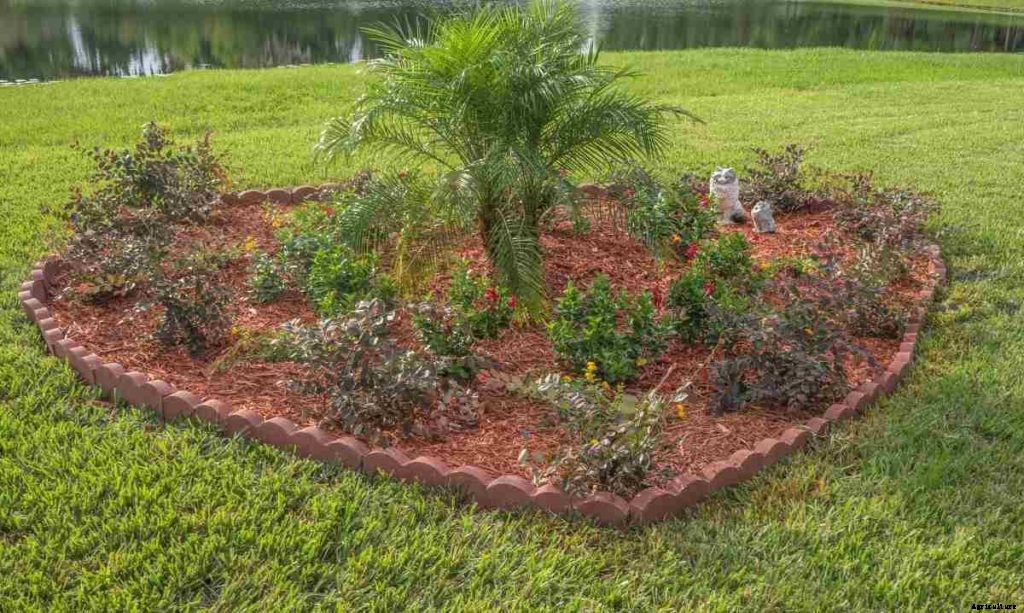
Step 3) Use a shovel or manual edger and then carefully dig around the area that you want to mulch. This should make a smooth continuous line around the flower bed or tree that will help keep the mulch off the grass. Don’t toss the soil into your flowerbed or you could promote grass growth in your mulch. You can create an edge by lining up stone around the area that you want to mulch.
Step 4) Mulches that also retain moisture (like wood chips) can slow soil warming. In spring, pull mulch away from perennials and bulbs for faster plant growth. Wet mulch piled against the stems of flowers and vegetable plants can cause them to rot; keep mulch about 1 inch away from crowns and stems. Mulch piled up against woody stems of shrubs and trees can cause rot and encourages rodents (such as voles and mice) to nest there. Keep deep mulch pulled back 6 to 12 inches from trunks.
In case if you are interested in this: How to Make Money from an Organic Compost.


