
Welcome to Modern Agriculture!

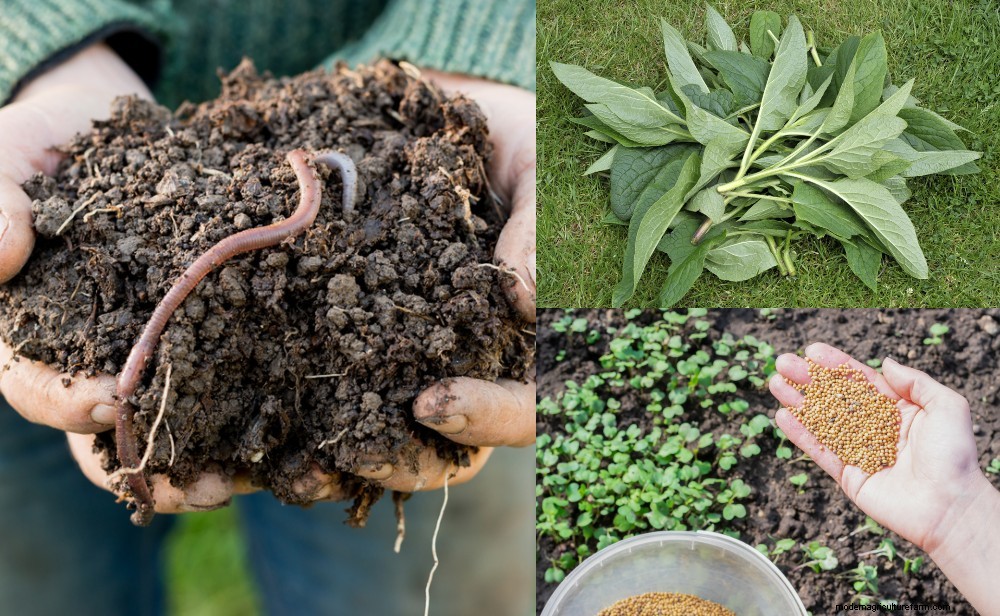
One of the most important things in gardening is taking care of the soil. It is easy to forget, as we grow in our gardens, that the soil beneath our feet is teeming with life.
The soil web – a complex and interconnected system – is vital. When the soil does not thrive, plants cannot either. It’s time to stop treating soil like dirt.
The topsoil in which we grow our food is a valuable resource. It contains water, nutrients and minerals which allow plants to grow.
This may sound obvious, but many people fail to properly consider that the soil is an ecosystem like any other, and like many other ecosystems on earth, this is an ecosystem that is often now under threat.
Bacteria, fungi and other organisms like earthworms work together beneath the surface – the hidden helpers in our growing efforts. All of these elements work together to create the soil web – the hidden guild without which we could not grow the food we need to eat and the other plants that sustain life on this planet.
It takes 1,000 years to build up just three centimetres of top soil, which is why it is so vitally important that we all begin to take better care of the soil we have. The soil is crucial to life on our planet.
Yet globally, it is being degraded and damaged much faster than it can be replaced. Over 40% of agricultural soil on our planet is already classed as degraded or seriously degraded.
Another thing to consider is that soils hold four times the amount of carbon stored in the atmosphere, and also more than is held in vegetation (trees and other plants).
This means that taking care of soil in our gardens and growing systems is crucial for carbon sequestration. It is a key strategy in mitigation and adaptation for our climate crisis.
Soil can act as an effective carbon sink offsetting a significant proportion of carbon dioxide emissions annually. But it matters how we manage it.
Taking care of the precious soil in our gardens, and carbon gardening, is good for us, for wider society, and for our planet. It is about far more than just ensuring that we continue to get good yields over the years to come.
Taking care of and improving the soil in our gardens is about:
One important thing to mention is that before we can take care of and improve the soil in our gardens, we have to know it. It is important to understand the basics about your soil. You should know:
Different soils will have different strength and weaknesses when it comes to gardening. Soil characteristics will play an important role in determining what it is best for you to grow.
But no matter what type of soil you have, many of the strategies for improving it remain the same.
No matter what the soil is like where you live, here are 15 strategies you can implement to improve your garden soil:
First, do no harm.
This phrase may more commonly be used in the field of bioethics. But it is equally applicable in your garden.
Before you even begin to consider how you can improve the soil in your garden, you need to make sure you are not damaging the soil you have.
Gardening organically is crucial. When we use harmful fertilizers, pesticides and herbicides, we are throwing the system out of whack. These damaging substances filtrate the topsoil and harm life within it, unbalancing the delicate system.
By managing fertility, pests and diseases in a more wholistic, sustainable and eco-friendly way, we can help make sure that soil is able to function as it should. We are working with nature rather than fighting it.
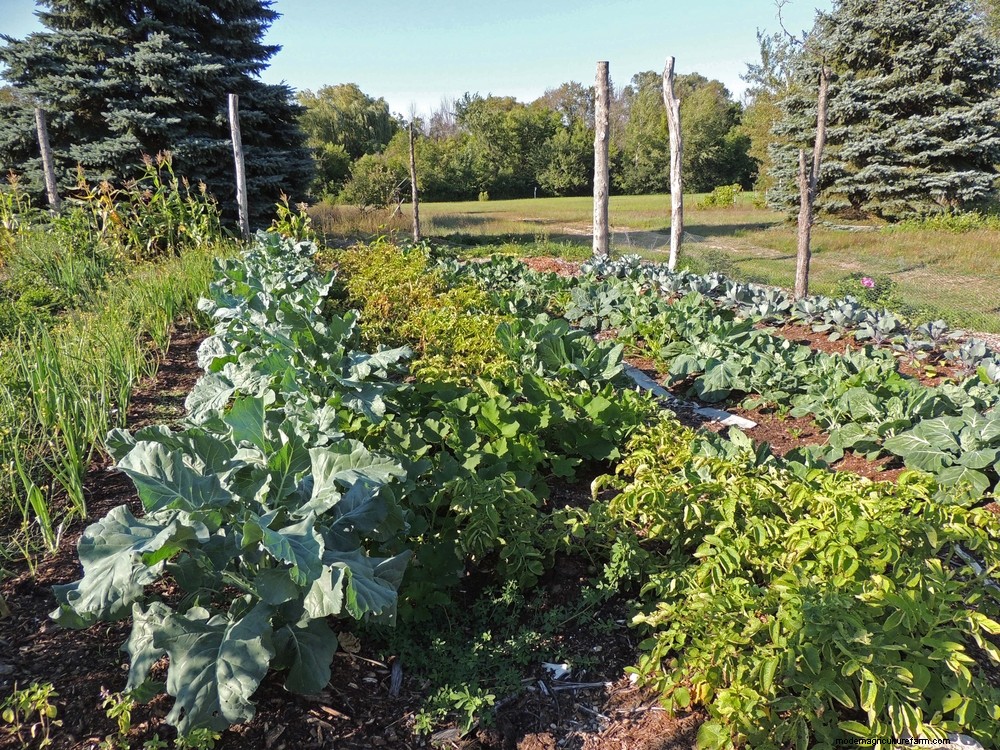
Every time we dig or till the soil, we damage the complex ecosystem below. Traditional gardening and farming involves disturbing the soil on a rather frequent basis.
But in a no dig garden, we take steps to reduce disturbance of the soil as much as possible.
Rather than incorporating matter into the soil ourselves – we lay material on top of the soil surface and let earth worms and other soil life do this work for us.
Avoiding soil disturbance as much as possible can allow this fragile ecosystem to thrive. Over time, it will become healthier, more diverse and more resilient.
Research has shown that a no dig garden can increase the yield from a growing system over time. By avoiding soil disturbance, and through other no dig gardening methods, we can also increase the soil’s capacity to store carbon, and do our part in the fight against global warming.
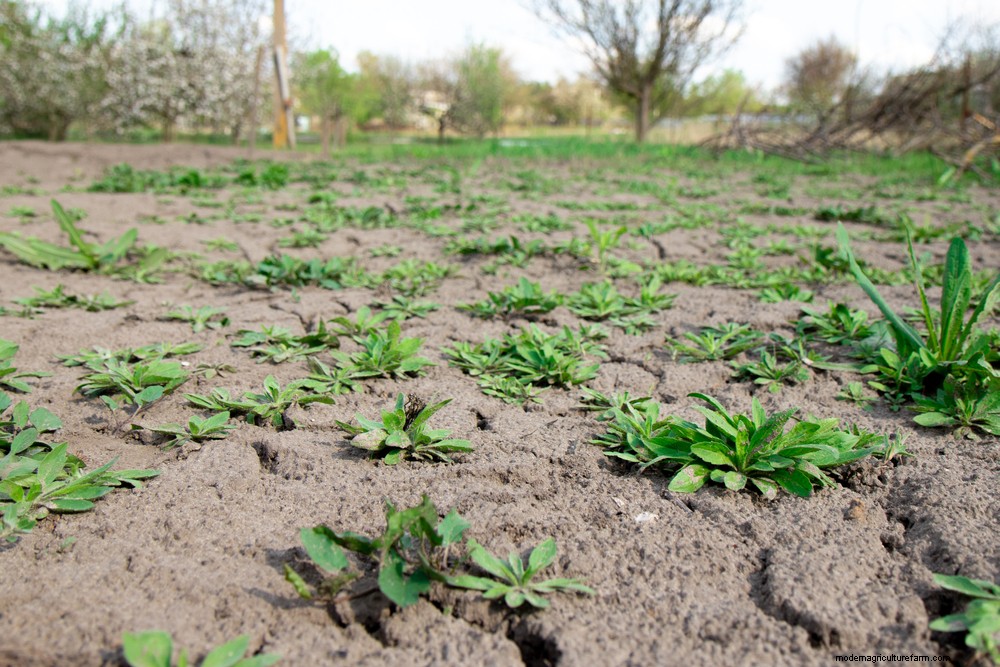
When soil is left bare, it is more likely to become degraded over time. Bare soil should therefore be avoided whenever possible when you are trying to improve the soil in your garden.
Some of the ways in which we can avoid leaving areas of bare soil are listed further down in this article.
Bare soil can be:
By making sure we cover the soil, we can keep it protected, and build it up and improve it over time.
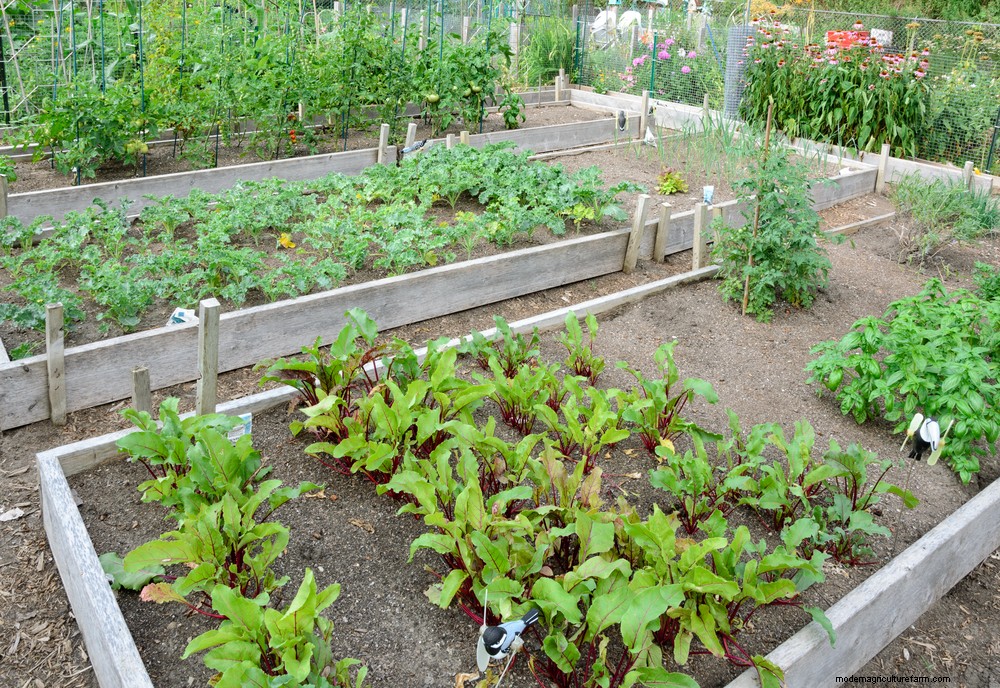
In larger growing systems, minimising the amount of heavy machinery or equipment that passes over the soil will help make sure it remains aerated.
In smaller gardens, it is also important to reduce foot traffic. We should try to avoid stepping on and compacting our growing areas whenever possible.
Soil has to contain oxygen and remain aerated for the essential life within it to survive and thrive. A healthy and undisturbed soil will be aerated by the passage of earthworms and other creatures, and by plant roots.
Again, making sure we do not make things worse is an important step in improving the soil in our gardens.
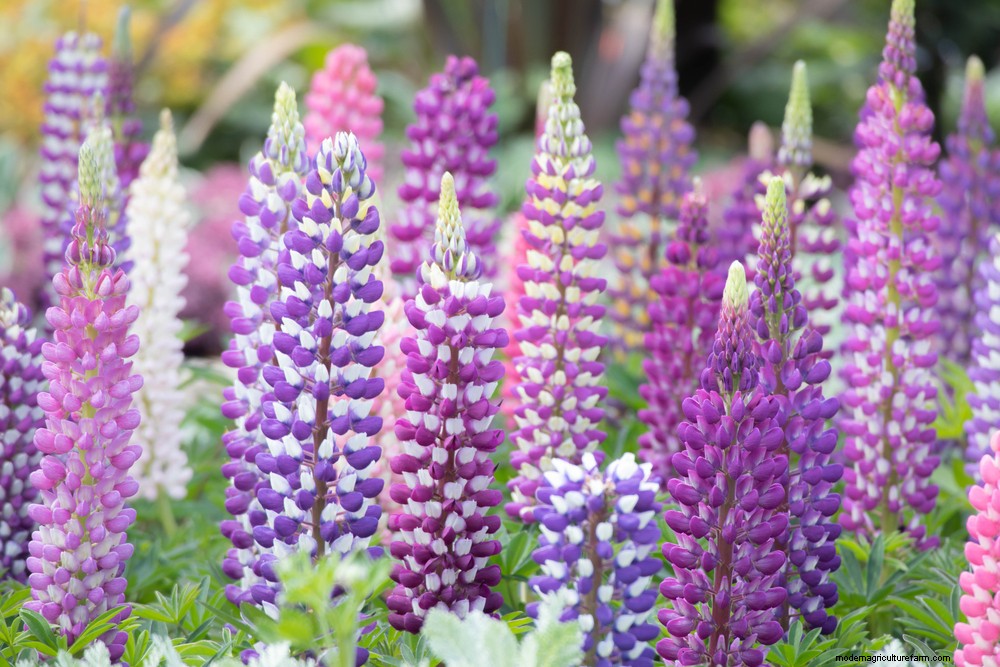
One of the first stages in restoring degraded soil or improving soil that is particularly lacking in essential plant nutrients is introducing nitrogen fixing pioneer species.
Here’s our article sharing 40 of the best nitrogen fixing trees, shrubs and plants to grow in your garden.
Nitrogen fixing plants co-operate with beneficial nitrogen fixing bacteria in their root rhizomes to gather atmospheric nitrogen and make it available in the soil.
Of the three essential plant nutrients – nitrogen, phosphorus and potassium – nitrogen is the most important to consider for most home gardeners.
Nitrogen is one of the nutrients that is depleted most easily in garden soil. So many of our most important organic gardening practices revolve around finding ways to replenish it.
While this is not the only thing to consider, adding nitrogen fixing plants is one of the most important ways to improve your soil and ensure the longevity of the system.
Gardeners should consider adding:
Some nitrogen fixers may play their role in improving soil as companion plants or members of plant guilds. Others may be used in crop rotation (see below).
Or, as you will discover later in this article, are amongst those plants which can be chopped and dropped and used as green manures or cover crops.
Creating an effective crop rotation scheme for annual crops is one way to keep soil healthy and productive over time.
If we grow the same crops in the same beds year after year, we risk depleting that soil of essential plant nutrients. By rotating certain plant families, we can ensure that fertility is maintained, and improved over time.
As mentioned above, legumes are one important type of nitrogen fixing plant. This plant family will restore nitrogen to a growing area when grown within a suitable crop rotation scheme.
Crop rotation can also help to prevent the build up of diseases or plant pathogens in the soil over time.
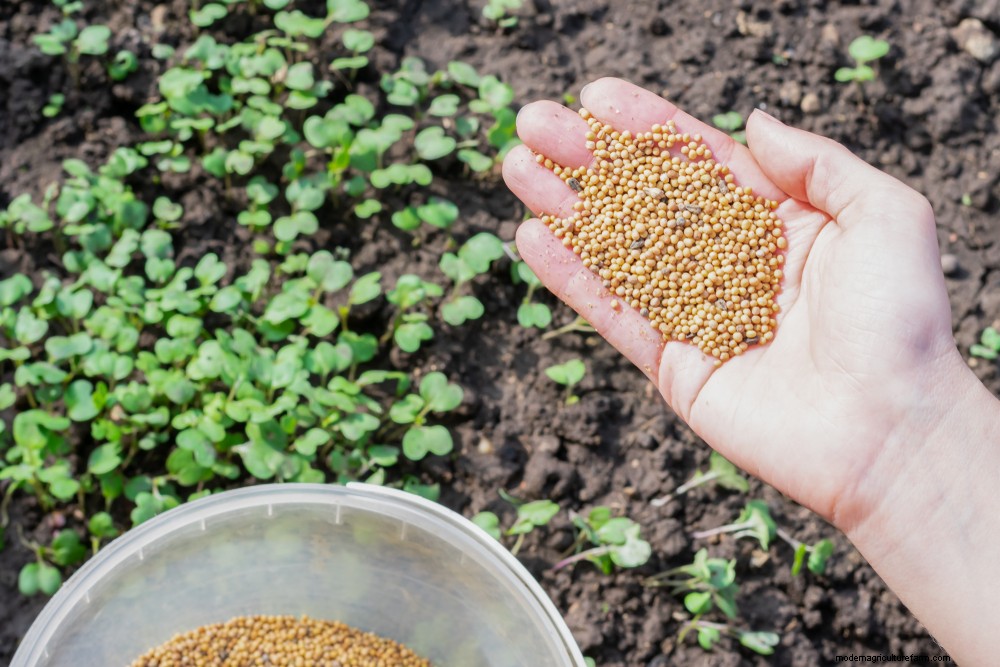
Another important part of maintaining the health and fertility of the soil in annual growing areas over time is using green manures and cover crops.
The soil in your growing areas can be improved by growing a range of these. They will not only keep soil covered and protected, but can also, when chopped and dropped, add fertility and improve the structure of your garden soil.
As mentioned above, nitrogen fixing plants are one common type of green manure. For more effective green manures, take a look at our article here.
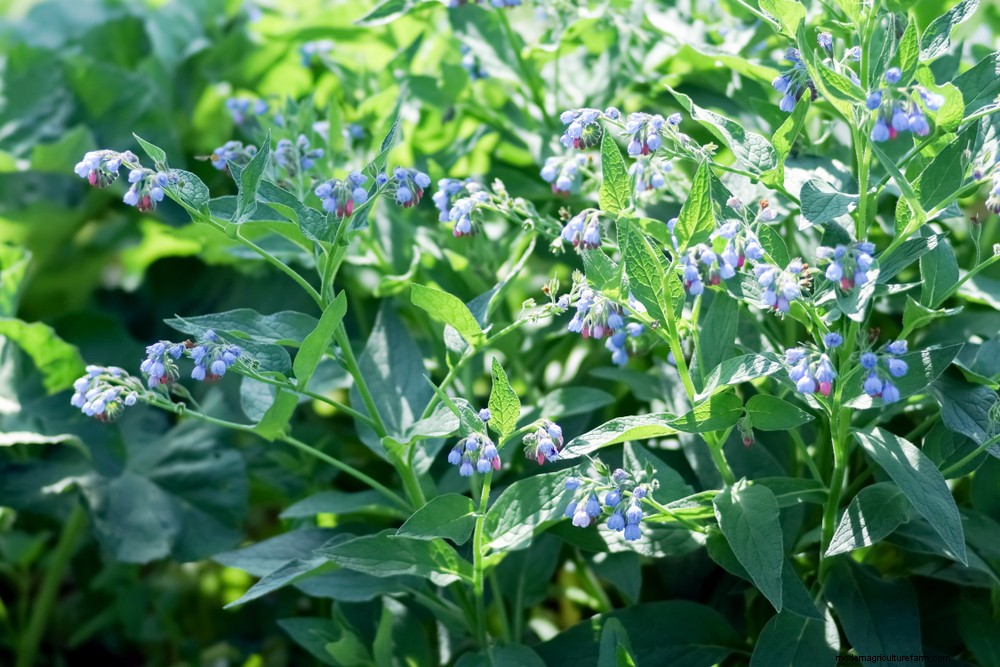
While growing your own will often involve growing a lot of annual plants, when trying to improve the soil in your garden you should consider adding plenty of perennials too. Perennial plants are great for soil health.
They remain in place throughout the seasons and will return year after year. They help to stabilize soil with their roots and keep it healthy and aerated. Adding more perennial plants also helps to increase the amount of carbon sequestration happening in your garden.
Of course, perennial plants also help by continuing to feed the system over time. Perennial plants build soil in your garden. They can build soil organically where they are planted. And they can also provide sources of vegetative material to feed other parts of your garden over time, through use as mulch (more on this below).
There are an endless number of perennials you can grow in your garden, including perennial veggies and fruits, perennial flowers and perennial herbs. Take a look at our articles below for a full list:
30+ Perennial Veggies & Fruits To Harvest For Decades
150+ Perennial Flowers That Bloom Year After Year
35 Perennial Herbs To Grow & Harvest For Years
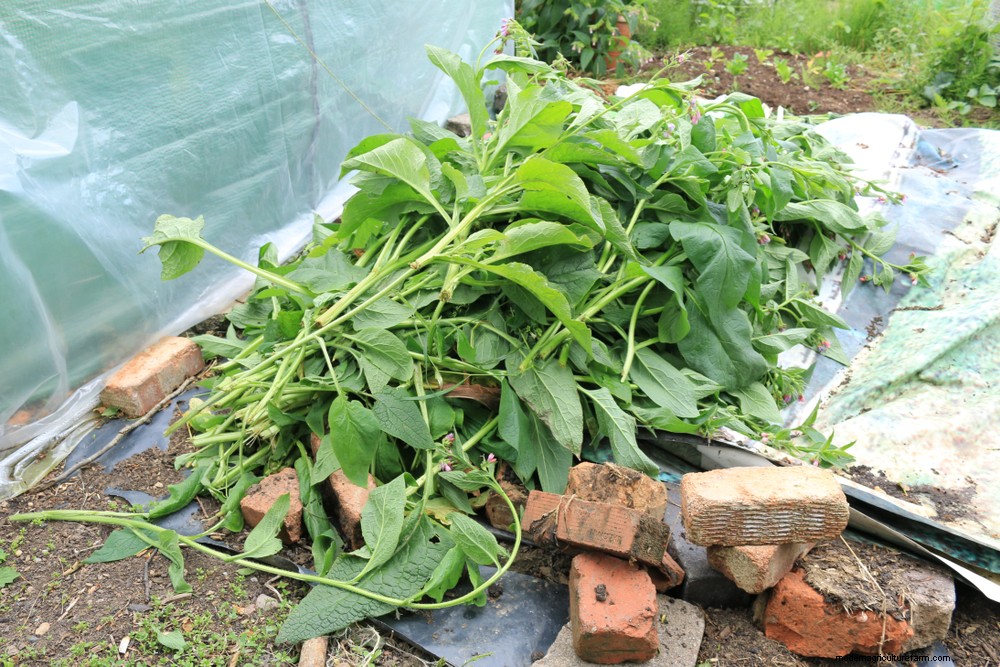
Adding mulches is, perhaps, the most important way to improve the soil and maintain fertility over time in an organic, no dig garden.
Here’s our total guide to choosing a mulch for your garden.
Chopped and dropped green manures/ cover crops are, of course, one form of green mulch.
Many perennial plants (especially nitrogen fixers, and other dynamic accumulators) also provide material to use as green mulches for your garden.
And there are certain annual plants, too, that can be beneficial when added as a mulch to return their nutrients to the soil.
Different plants gather and store differing amounts of the nutrients needed for plant growth. Some are particularly good at gathering particular nutrients. Others have deep roots and gather nutrients from lower reaches of the soil.
When these plants are allowed to decompose on the soil, those nutrients are returned (at varying levels) to the soil, where they can then be taken up by other plants nearby.
Some very useful green mulches to consider include:

In addition to adding green mulches, you can also add other organic matter as mulch. Brown organic matter can also play an important role in improving your garden soil. Brown organic matter might be:
All of these are amongst the very best soil amenders, and using them on a regular basis can certainly help in making sure your garden keeps growing strong.
It might also include carbon-rich mulches such as:
These can improve soil structure and help to trap carbon from the atmosphere in the soil.
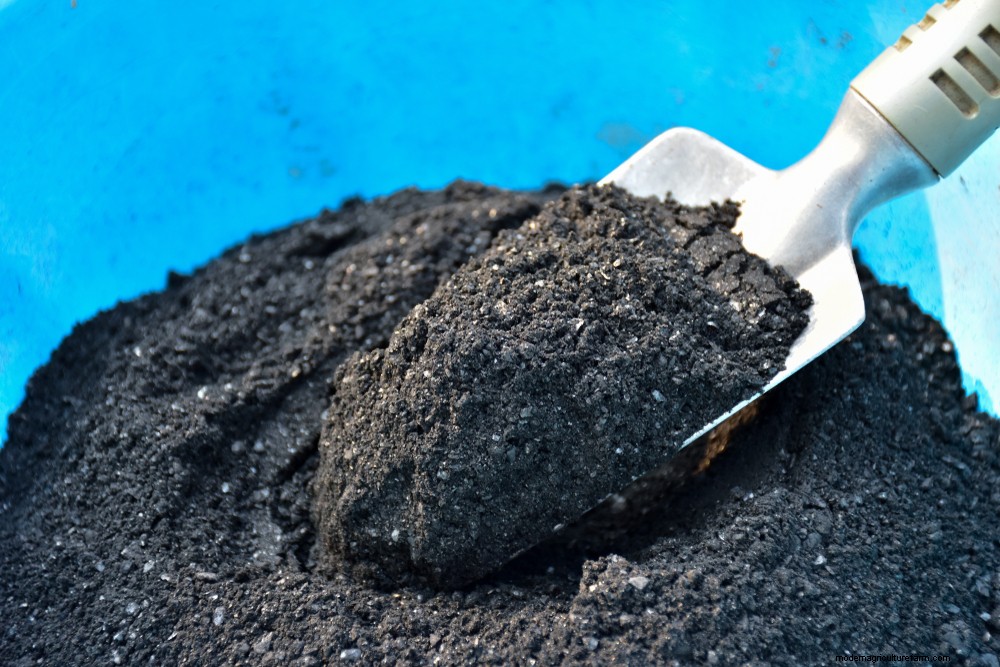
One final type of organic matter that you might consider incorporating into your garden is black organic matter – biochar.
Incorporating biochar can be very beneficial, especially in soils with poor retention of water and nutrients.
Adding biochar to soil sequesters more carbon than composting, and so could be an important tool in the fight against global warming. It also boost the soil’s fertility, improves its structure, and dramatically improves its water retention.
You can make biochar yourself, but it’s not easy. Luckily it’s now being offered for sale in more and more places, including from this page on Amazon.
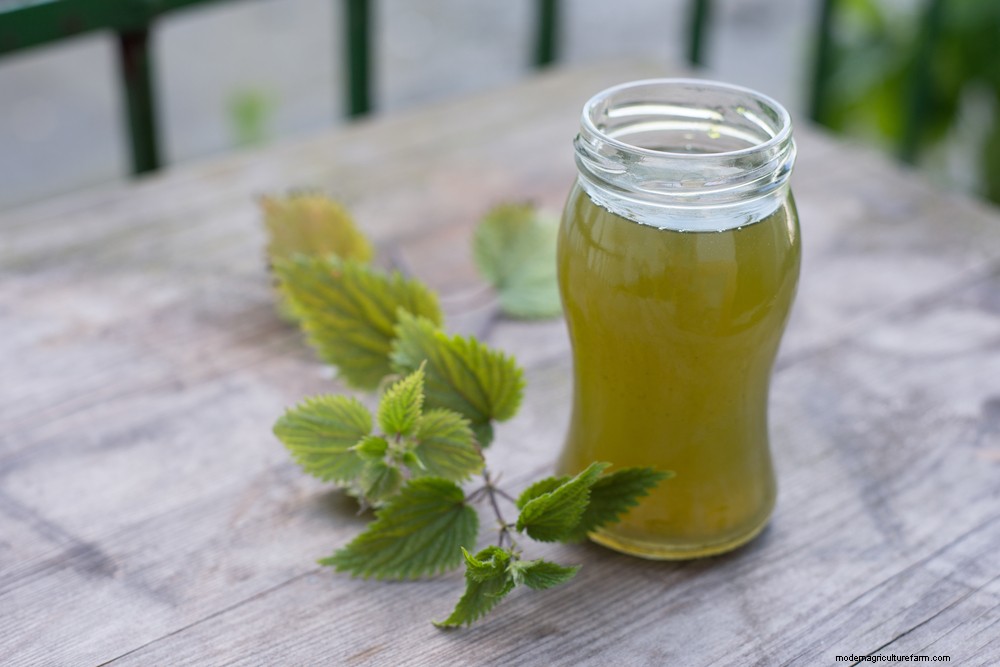
Mulching and other methods mentioned above improve soils slowly, over time. But to improve soil fertility in a more immediate way, and benefit individual plants, you can also consider using liquid fertilizers.
These can quickly replenish certain missing nutrients in the soil, and redress nutritional deficits in your plants.
For more on liquid fertilizers, and on how to make them yourself at home, check out this article on the topic.
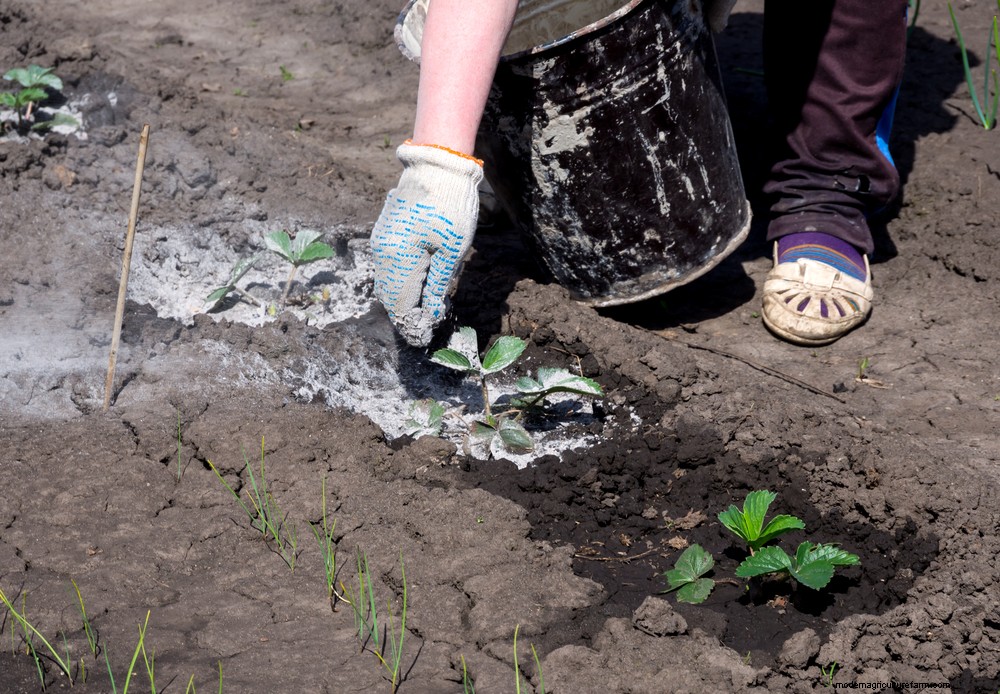
Making sure the soil in your growing area has all the micronutrients required for optimal plant growth can be a delicate balancing act. Often, the plants themselves can give you clues about which nutrients might be missing.
In addition to using liquid plant feeds and the mulches mentioned above to provide what is needed, there are also a number of other soil amendments you could consider. For example, you might:
Seaweed is also particularly worth mentioning, since, when used as a mulch or liquid feed, it provides a range of key and trace nutrients for soil and plants.
It is important to remember, when trying to improve the soil in your garden, that you can’t think about soil health without considering water. Managing water in your garden effectively is crucial to maintaining and enhancing soil health.
One important thing to consider, especially in high rainfall areas, is the damage that can be done to soil by rainwater runoff or floodwater.
You can help keep soil safe by avoiding bare soil and planting to stabilize the soil structure. But you should also consider other measures that you might take in order to improve the soil in certain parts of your garden.
Landscaping and earthworks such as swales, irrigation channels, rain gardens, basins and ponds can all help to manage water flow in your garden and protect soil in certain areas from receiving too much of it (or too little).
The soil on steeply sloping sites can often become seriously eroded or lose fertility. Again, avoiding bare soil and planting appropriately will be crucial to manage water and nutrient flow on slopes. But in many circumstances, you may be able to do more.
Other earthworks and landscaping projects like terracing, and making on-contour swales on a hillside can allow you to travel towards a better and more productive soil ecosystem on such sites.
In any garden, it is important to work with what you have. But by taking simple steps like those described above, you can improve the soil in your garden.
No matter where you are starting from, you can make the soil ecosystem healthy and productive, build soil over time, and ensure the long term potential on your property.

