
Welcome to Modern Agriculture!

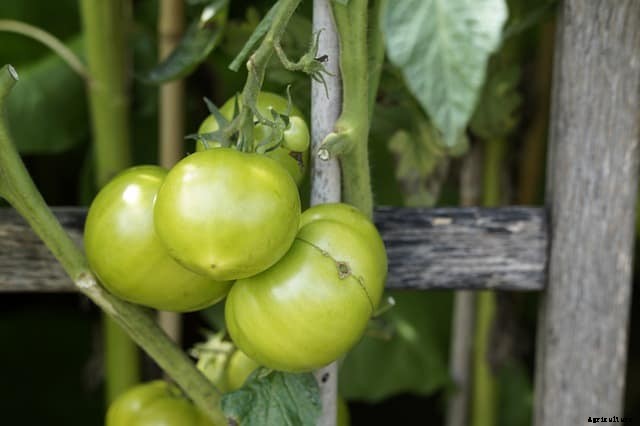
QUESTION: Can I grow tomatoes in the fall? What if I missed the summer harvest planting date in my zone? – Thomas B.
ANSWER: Tomatoes planted in the middle of summer will bear fruit until first frost. You won’t see the numbers that gardeners achieve in the first harvest of the year, but you will have some to slice onto sandwiches and burgers, cut into wedges for salads, stew down into sauces, and dice for tacos—at least until the first freeze in your area.
For that reason, fall tomatoes are most often grown by gardeners in relatively warm regions where winter comes later. You can also try a technique that involves planting early in the summer to give your crop an opportunity to ripen in autumn. You can use this strategy in areas that aren’t as warm as those where tomatoes planted in midsummer will mature in the fall. You may not see your plants yield until the first freeze, but you will see tomatoes on the table in the fall.
Choose varieties best suited for fall tomatoes. Look for strains that are smaller, so they’ll be quick to mature and will produce early. Growing some heirloom varieties yourself from seed can be a good option. Not only is it more economical to grow your own plants, but you don’t have to depend on someone else to raise them. You have total control over how well they’re cared for.
Or you can peruse the late tomato plants (and, if you’re lucky, leftover spring tomato plants) at your local nursery or garden center starting in the middle of the summer. This saves you the indoor space and time and energy that it takes to care for seedlings indoors for 6 to 8 weeks. Ask to be certain, but the varieties available at your local plant stores should be selected to perform well in your area.
Take care with seedlings to produce strong specimens. When fall tomato seedlings go into the ground at the height of midsummer, they’re experiencing the hottest weather your local climate has to offer. They’ll need to grow strong above ground and below so their foliage is resilient and the root system is healthy.
One way to do this is by starting the seeds yourself. Care for the seedlings with the usual guidelines for spring seed starting indoors for 6 to 8 weeks. Then move them into the garden.
Pick your planting date with care. Whether you’re planting in midsummer to enjoy homegrown tomatoes until first frost or planting in early summer for autumn ripening, your tomatoes will need enough time to mature and ripen. It’s a balancing act between providing them the time they need and making sure the days are still long enough to give plants the temperature and daylength they need to produce flowers and tomatoes. Planting your tomatoes too early or too late in the season can mean fruit either doesn’t set at all or doesn’t ever get ripe.
We recommend allowing your tomatoes between 80 and 110 days to ripen when you choose your planting date. You may see some sources recommend a shorter time period, like 60 to 85 days, but we are including the extra three or four weeks so your plants will have plenty of time to produce fall tomatoes and let them get ripe. Consider checking with local extension offices or nurseries to see when they recommend planting seeds or transplanting fall tomato seedlings.
Choose the best location for your tomato plants. Whether you’re moving seedlings outdoors or putting in young plants you got from the nursery, they’ll need a location that suits their preferences. Look for a spot that will provide fertile soil that drains well and where your plants will get full sun, or at least six hours of direct sunshine, per day.
Ideal locations include in a sunny spot in a raised bed or against a wall that faces south. However, plants will also do well in containers, which will allow you to move plants around so they get maximum sunshine.
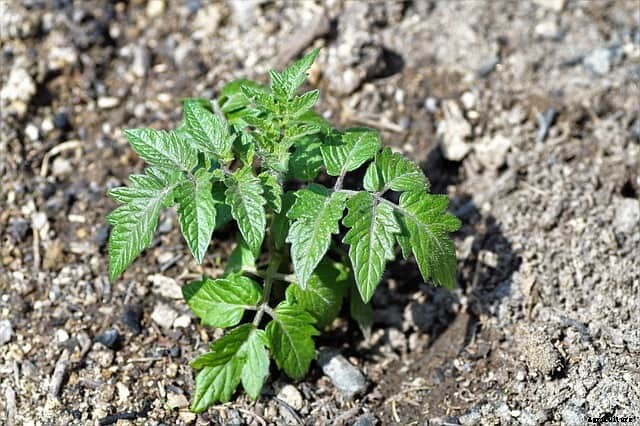
Consider shade cloth to protect the plants for the midsummer temperatures. Use the shade cloth starting when the seedlings are transplanted into the garden. Then take it off after a week or two, once plants are more well established.
Keep plants hydrated with deep watering daily for their first two months. Water the plants yourself so you can aim the stream at the base of the plant. Plants can only use the water they absorb through the soil and their root system. The plant gets no benefit from water sprayed on its foliage, and the extra moisture in their foliage can cause fungal infections. So be careful to avoid splashing the foliage and instead give fall tomato plants lots of water aimed at the base of the plant so it can be absorbed through the roots.
Tomato plants do best when they don’t dry out between waterings. However, if the soil becomes waterlogged, you run the risk of the tomatoes splitting. So how can you give them a deep watering without oversaturating the soil? Make sure the soil where tomatoes are growing will provide plenty of drainage. Any container your tomato plants are growing in should have holes on the bottom to give the plants drainage, too.
One way to help the soil retain the Goldilocks amount of moisture (the amount that’s just right) is to add mulch. A layer of mulch two to three inches thick around your plants will make them really happy and reduce the amount of water they need while keeping it available in the soil. Just make sure that your plants aren’t touching the mulch. Leave a barrier of a few inches of empty space between plants and mulch to avoid the spread of disease in your garden.
There is one more way to enjoy fall tomatoes that you can try. Some gardeners have experienced success cutting back their early season tomato plants. The plants respond by putting out new growth and producing late season tomatoes. Keep in mind that fall tomato plants are likely to need extra water, and don’t forget to fertilize them.
Whether you choose to cut back summer plants, grow your own fall tomato plants from seed, or purchase transplants from the garden center, you’re ready to give them the care they need. All it takes to keep any plant happy is knowing its preferences and catering to them. This article has given you all the information you need to give your fall tomato plants care that caters to their preferences and gives the plants the nutrition and hydration they need to produce lots of beautiful tomatoes for your kitchen table.


