
Welcome to Modern Agriculture!

Napa cabbage is also known as Chinese cabbage, and it’s one of the most common Asian greens in nationwide grocery stores.
Growing napa cabbage in your garden can be a challenge, but learning the proper way will help you be successful.
We will help you learn to germinate napa cabbage, plant it, and even show you how to prevent diseases common to Chinese cabbage.
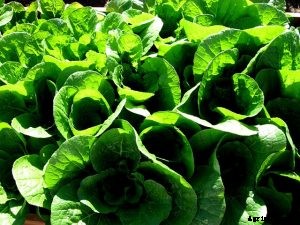
You’ve probably seen the light green and white, tightly wrapped, football-shaped heads of napa cabbage in your grocery store and wondered what it is and how it’s eaten.
Napa cabbage gets its name from the Japanese word nappa, which refers to the edible leaves of vegetables. It’s often called Chinese cabbage because the vegetable likely originated near Beijing, China.
It’s most common in the United States to see this leafy green vegetable called napa or Chinese cabbage.
In other places, there are other names people use. For example, in Australia, this vegetable is frequently called wombok cabbage. The Russians call it Beijing Cabbage, while the Japanese refer to it as hakusai.
No matter what you call it, napa cabbage is delicious, nutritious, and makes a fantastic addition to soups, stir fry, wraps, and many other tasty treats.
Napa cabbage has a slightly sweeter, milder flavor than ordinary green cabbage. The Chinese cabbage is closely related to bok choy, a darker, earthier vegetable common in Asian culinary arts. The leaves are tender and smooth, and the white veins are also edible.
Napa cabbage can be used just like green cabbage and makes a wonderful coleslaw.
Napa cabbage is high in essential vitamins and nutrients. A single cup of fresh, shredded napa cabbage provides you with 10% of your daily Vitamin A and 17% of your daily Vitamin C. It’s also high in calcium and low in carbohydrates.
When consumed as part of a balanced diet, napa cabbage can help you lose weight and reduce LDL- bad cholesterol- because it’s an excellent dietary fiber source.
Chinese cabbage is an excellent source of antioxidants that may reduce the risk of developing certain cancers.
Vitamin and mineral compounds found in napa cabbage can reduce the chances of developing neurological diseases in unborn children when pregnant women eat it. It may also help prevent the onset of Alzheimer’s disease for older people who regularly consume napa cabbage.
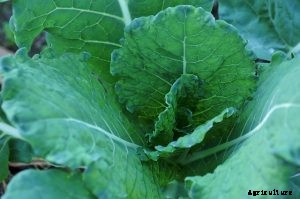
There are two primary varieties of napa cabbage, with many subcategories.
Chinese growers have spent thousands of years developing unique strains of napa cabbage.
Some have more wrinkly leaves, and others grow in round heads rather than the napa cabbage’s conical shape. Efforts to develop resistant herbicides, pesticides, and diseases have not resulted in much success.
The standard varieties of napa cabbage are called chililli and che foo. The chililli types are the ones Americans are most familiar seeing in grocery stores. These types are cylindrical, growing to about 18 inches long and six inches in diameter.
Varieties of napa cabbage may have different leaf structures, different colorations, and other differences but will always be taller than they are around. Che foo varieties produce small, round heads of cabbage.
Growing napa cabbage is much like growing other, similar plants. Napa cabbage is somewhat picky about soil, water, and light conditions, and numerous problems, including pests and diseases, can quickly ruin an entire crop.
Growing napa cabbage takes a little more planning than many plants because you will harvest the whole plant when you harvest the cabbage.
The best way to grow napa cabbage to have a successful harvest is to stagger planting by a week or two. This method allows some cabbages to mature while others are still growing, extending the growing season by weeks.
Many gardeners will space growing cabbages in rows to take advantage of space and time while limiting unused soil.
Napa cabbage tends to grow best when temperatures are cool and nights are longer than days. Some gardeners in parts of the US will have success growing napa cabbage starting in early spring for a mid-summer harvest, but most areas in the US will produce a better crop when started in late summer for an early fall harvest.
You may be able to get two full napa cabbage seasons by starting seeds early and then replanting after harvesting in summer.
Napa cabbage seeds are easy to start indoors or can be direct sown in the soil. Seeds are tiny, much like poppy seeds.
If you decide to direct sow seeds, plant them about ½” deep in fertile soil. Seeds can be sprouted six inches apart but should be thinned when plants are several inches tall. You’ll have the most success allowing heads of napa cabbage 10 to 12 inches of space to develop.
If you decide to start seeds inside, use a soilless mix and begin sprouting four to six weeks before the last frost. Ensure all chances of frost have passed before planting outside.
Hardening sprouts off for at least a few days will help you grow a robust and healthy crop of napa cabbage. Starting seeds indoors can provide the gardener more control over the quality, as only the healthiest seedlings will be planted.
Napa cabbage is hard on the soil it is grown in. The cabbages absorb large amounts of nutrients from the soil and leave it depleted after harvest. If you are growing napa cabbage in soil that previously grew a leafy, green vegetable like lettuce, spinach, or another type of cabbage, you need to add nutrients to the soil before planting.
A soil pH of 6.5 to 7 is ideal for growing napa cabbage. The soil pH is less critical than other factors, like planting in fertile soil or providing enough water. Still, gardeners working with acidic or alkaline soil should amend before planting. Providing as close to neutral soil will benefit napa cabbage, particularly young seedlings that can be impacted by challenging conditions.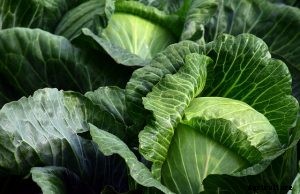 Napa cabbage will not grow well in heavily tilled and compacted soil. The plant needs loose, well-draining soil to produce big heads of cabbage.
The best way to get good soil for growing napa cabbage is to mix fertile compost and organic material like rotted manure into the soil before planting. A soluble 20-20-20 fertilizer can be used once the cabbage heads begin to develop to get the best growth from napa cabbage at home.
Napa cabbage will need at least four to six hours of sunlight each day. The vegetable grows well in full sun but will also produce in partial shade.
Napa cabbage is sensitive to temperature and daylight changes, so it’s essential to factor these conditions into your growing napa cabbage plan. Cabbages that experience sudden drops or rises in temperature may begin to flower, which will ruin a crop.
Like many similar plants, napa cabbage requires a significant amount of water. It’s imperative to water consistently. Inconsistent watering can cause the cabbage to produce flowers, signaling the end of its growing season and wasting crops.
Napa cabbage grows best in moist soil that is not allowed to dry out but is also not wet. Daily watering is vital to growing healthy, robust cabbages.
Cabbage roots tend to run deep into the soil rather than along the surface like some plants.
Rather than watering lightly several times a week, napa cabbages will grow best when watered deeply once per week. This type of watering schedule will encourage strong root growth, which can lead to better cabbage heads.
Gardeners who have the most success with napa cabbage often avoid spraying water onto the plants. Water accumulating on leaves can create perfect conditions for harmful bacterial and fungal growth. Too powerful a water spray can cause erosion around roots, leading to numerous problems, including rot and insect infestations.
Many parts of the United States are well-suited for growing napa cabbage. The USDA Hardiness Zones that are most appropriate are zones 4 through 7. Hotter regions, like zones 8 and 9, can grow napa cabbage, but the plants must either be harvested or planted to prevent excessive summer heat damage.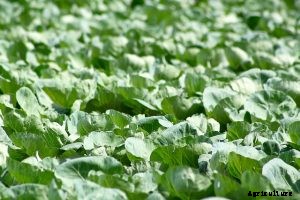
Because napa cabbages are heavy feeders, it’s a good idea to fertilize with a water-soluble product several times throughout the growing season.
Avoid using granular fertilizers because these products may burn the leaves of cabbages. Natural products like fish emulsion and fertile compost are ideal for healthy growth habits.
Raised bed planters make an excellent option for growing napa cabbage, as long as there is enough room for full-grown plants. Because the root system runs deep, it’s vital to provide enough depth to prevent plants from dying before maturity.
Gardeners should provide 10 to 12 inches of planter depth to make sure napa cabbage plants have enough room to grow big, healthy heads.
Most varieties of napa cabbage are slow-growing. The best way to tell when a napa cabbage head is ready to harvest is by feel. A mature head will feel firm and dense, with tightly-folded leaves. Immature cabbage will feel soft. Harvest usually requires anywhere from eight to ten weeks for maturity, with some varieties taking as long as twelve weeks.
Harvesting is done by hand. Using a sharp knife, cut the cabbage head off just above the ground. Once the head is harvested, the plant won’t continue to grow, so you can dig out the roots and throw them out or add them to your compost bin.
Composting spent napa cabbage is an excellent way to improve your compost for the next growing season, but avoid adding leaves or roots from plants suffering from diseases.
Immediately after harvesting your napa cabbage heads, they need to be cleaned and refrigerated. Napa cabbage will begin to wilt very quickly, and the leaves become bitter as the head dries out. Rinse the heads in cold, clean water, ensuring that all dirt is cleaned off.
Lots of nasty bacteria, including E. Coli, are frequently found in gardening soil. Remove any leaves that are wilted or yellow and put them in the compost bin.
Once the cabbage heads are completely rinsed, let them drain upside-down to prevent water from accumulating in the leaves’ dense folds. Once the heads have drained, keep them in the crisper drawer in the refrigerator. The crisper drawer provides high humidity and cool temperatures that will prolong the storage of napa cabbage. The head will last for about a week in the refrigerator.
You can have the napa cabbage frozen if you want it stored longer. Shredded, sliced, or wedged fresh napa cabbage will keep in the freezer for four to six weeks. You can use frozen napa cabbage without defrosting it in stir fry and soup recipes.
Napa cabbage can be stored even longer if it’s first blanched then frozen. To blanch, simply boil a large pot of water, place napa cabbage in a colander, and immerse it in the boiling water for 9- seconds. Immediately place the cabbage in an ice bath to stop cooking, then dry when cool completely. A ziplock bag is perfect for storing blanched napa cabbage in the freezer, and it’ll keep for up to nine months.
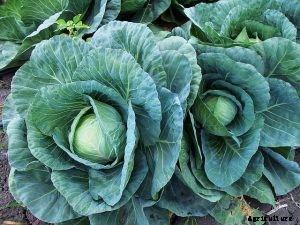 There are thousands of insects, fungi, and bacteria that can damage and destroy napa cabbage plants. Many times, once you start to see evidence of a problem, it might be too late to save the plant.
Quickly responding to signs of pests and diseases will help protect the rest of the crop.
There are also steps that gardeners can take to reduce the likelihood of problems arising from insects and disease.
Many types of insects, beetles, and slugs feed on napa cabbage. Identifying the type of pest that is eating your cabbage can help you find solutions to preventing infestations.
Some of the common pests include:
Napa cabbage is susceptible to a wide range of diseases. Most diseases are caused by the presence of bacteria or fungi in soil. Do not plant napa cabbage in the same soil as plants that have been impacted by diseases until the soil has been completely treated. Many types of bacteria can live for years in the soil.
Treating common diseases of cabbage plants often means removing the plant. The best way to stop diseases is to prevent them from happening.
Some of the common diseases you may encounter when growing napa cabbage include:
Sometimes, you’ll get a head of cabbage that is merely bitter and tough. There are many ways these symptoms can happen, but they all point to one thing: the head of cabbage was allowed to mature too long.
Once a napa cabbage begins to produce flowers, the leaves become bitter and more rigid. Flowering typically happens at the end of the growing season, and for napa cabbage, this can be due to changes in temperature, light, watering, and other factors.
If your napa cabbage begins to send up long stalks, you’ve let the cabbage mature too long. At this point, it’s best to let the plant go to seed and harvest seeds to replant next season rather than harvest the plant. Most gardeners replant each year with fresh seeds because harvesting is done before flower production begins.
There are lots of delicious ways to enjoy your fresh-grown napa cabbage.
The most common, traditional use for napa cabbage is in stir fry recipes with lots of spices. The light, slightly sweet flavor of the cabbage pairs wonderfully with big, bold flavors and spices familiar in Chinese cooking, like garlic, chilli peppers, and soy sauce.
Napa cabbage leaves can also make Asian-inspired wraps, a popular appetizer item at chain restaurants in the United States. Crispy chicken, bean sprouts, and other ingredients are rolled into neat wraps with the outside cabbage leaf.
Napa cabbage is an essential ingredient in kimchi recipes. The leaves are also excellent in an Asian-inspired coleslaw where the delicate flavors play nice with other mild flavors. Napa cabbage can be used in place of any recipe that calls for green cabbage.
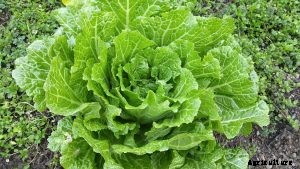
Gardeners looking to grow something different this year should look to napa cabbage as an excellent option. The cabbage produces big, beautiful heads but mature slower than most cabbage varieties, so it’s essential to plan when planting.
In most parts of the United States, napa cabbage can be grown in two seasons, planting in the early spring and another in the mid-summer when temperatures decline.
Once the home gardener is armed with the critical knowledge about successfully growing napa cabbage, the most significant task is to stay consistent, ensure watering is done correctly and insects do not consume the plants.
Growing napa cabbage from seed is a rewarding experience, and there is nothing better than sitting down to a meal that you grew.


