
Welcome to Modern Agriculture!

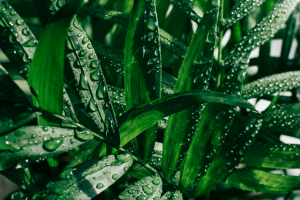 Cat Palm is a gorgeous houseplant that can brighten up any corner.
For the most part, it’s a fairly beginner-friendly houseplant — though having said that, it can be a little fussy at times.
Fortunately, in this grow guide, our expert gardeners reveal the secrets to a happy, healthy Cat Palm plant!
The Cat Palm (Chamaedorea cataractarum), also known as the cascade palm or cataract palm, is a palm species native to Southeastern Mexico. In its native habitat, it often grows 6 feet tall and 8 feet wide, but as a houseplant, the Cat Palm height is typically around 3 feet (1.2 meters). Unlike other palm species, the Cat Palm doesn’t have a trunk. Instead, it grows into a compact, bushy shape.
Its leaves are a rich, vivid green, with an elegant feather-like (or pinnate) shape. Cat Palm produces clusters of small, white, or yellow flowers. If pollination occurs, the flowers will develop into small black berries hanging from red stems, which add to the palm’s ornamental value.
Palm trees have been a popular choice for interior decoration since Victorian times, and it’s unlikely they will ever go out of fashion. So if you’re looking for a plant that combines old-school aesthetics with a modern, tropical vibe, the Cat Palm is ideal for your home.
The Cat Palm is a low-maintenance plant suitable for any green-fingered gardener. In this guide, we’ll take a closer look at the essentials for growing an indoors Cat Palm.
Cat Palm grows best in bright, indirect light. A room that’s facing south or west is ideal for this plant. It can tolerate some direct sun early in the morning, but if you expose it to too much sunlight, this will scorch the leaves. Place it about 2 feet (60 cm) away from the window, to avoid direct sunlight exposure.
This palm can grow at least 3 feet (90 cm) wide. Make sure to rotate it regularly, so that the leaves at the back can also receive all the light they need.
The Cat Palm also responds well to artificial light, which is why it’s often a popular choice for offices. If you have a darker room that needs a touch of green, you can keep your Cat Palm in there using artificial or grow lights.
Cat Palm can be grown in average home temperatures. The ideal range is between 70 °F and 80 °F (21 °C — 27 °C). Avoid exposing it to constant temperature fluctuations, as this can cause the leaves to turn yellow. Your Cat Palm should never be positioned next to a radiator or heating vent, or underneath an air conditioning unit.
Cat Palm enjoys regular watering and soil that is kept moist but not soaked. Check the top inch of the soil with your finger, and give the plant a good watering when it feels dry to the touch. Water the soil evenly, so that all roots are reached, and avoid letting water sit in the container tray.
The Cat Palm is not tolerant to drought, yet overwatering it can also strain the plant. If the soil is waterlogged, it can harm nutrient absorption and air circulation around the roots. It can also become a breeding ground for fungi and bacteria, and cause fatal problems for the palm, such as root rot.
When watering your Cat Palm, it’s important to remember the time of the year, room temperature, and the size of the container.
Bear these points in mind:
When in doubt, always use your finger to test the soil, or even use a digital moisture meter.
Cat Palms are tropical plants and will need humidity levels of at least 50% to thrive. This is a bit higher than the average in most homes, so you will most likely need to boost the humidity around your palm.
Here are a few methods you can try:
The Cat Palm is not a heavy feeder. Once a month, you can apply a diluted nitrogen-rich fertilizer, which helps promote lush, healthy foliage. Feed your Cat Palm throughout spring and summer, but cut down on fertilizers in winter, when the plant’s growth slows down.
Always make sure that the soil is wet when feeding your palm, as applying fertilizers to dry soil will burn the roots.
Cat Palm can be sensitive to fertilizer salts building up in the soil. Therefore, it’s recommended that you flush the soil once or twice a year, during the plant’s growing season. To do this, simply place the pot in a large sink or bathtub, and slowly run water through the soil for a few minutes. Allow the pot to drain before placing it back on its container tray.
The best soil for Cat Palm should be loose, aerated, and well-draining. Palm trees prefer porous, sandy soils, but will have trouble growing in clay soils. Growing the Cat Palm plant in a heavy, compacted potting medium will prevent the water from flowing properly, suffocating the roots and leading to fungal problems.
Many gardening shops sell pre-made palm tree potting mixes, but you can also try making your own.
Here are a few mixes you can try:
Indoor palm trees grow very slowly, and the Cat Palm is no exception. On average, you should only need to repot it once every 3 years. This palm enjoys a tight-fitting container.
Only upgrade it to a new pot when you can see the roots coming through the drainage hole, or if it’s giving clear signs that it’s struggling.
The best time to repot the Cat Palm plant is in spring or summer. During this time, the palm is going through its growing season, and the roots are more likely to recover from being disturbed.
Pick a new container that’s only 1 size larger than the previous one, or 2 inches (5 cm) wider. Any material is fine for the pot, and you can use plastic, ceramic, or terracotta. The only thing to check is that the new container has drainage holes at the bottom, which will prevent the Cat Palm roots from sitting in water.
Always water your palm 1 or 2 days before repotting it. This loosens the soil, making it easier to work with, and it also prevents transplant shock. Cat Palm roots are very delicate and don’t like being disturbed, but the soil moisture will reduce the stress of repotting.
Here’s our step-by-step guide for repotting the Cat Palm:
The Cat Palm needs minimal pruning. As the plant grows, you will need to remove some of the brown or dried leaves at the bottom. Cat Palms have a natural bushy growth, so there’s no need to remove any green leaves to give them a fuller shape.
Use a sharp knife or pruning shears to remove any dead leaves. Make sure to sterilize your tools after each use, to prevent spreading pests or diseases to your other plants. Simply wash the blade and then wipe it with alcohol, to remove any pathogens.
The Cat Palm is an unpretentious plant that can be grown in a wide array of locations. From homes and offices to gardens and urban landscaping, there’s always a place where it will enjoy growing.
If you live in USDA zones 10 and 11, you can grow the Cat Palm outdoors throughout the year. In other zones, it’s recommended that you bring in indoors once temperatures start dropping below 45 °F (7 °C) at night. This palm is frost intolerant, and exposing it to freezing temperatures will permanently damage it.
When growing Cat Palm outdoors, pick a part of your garden where it is sheltered from direct sun. Some direct light in the morning is fine, but in general, avoid exposure to full sun for more than 4 hours. Also, remember that outdoor plants will need more frequent watering than potted plants, so make sure that your Cat Palm doesn’t go thirsty in your garden.
Like many palm species, Cat Palm grows much bigger when it’s outdoors. It’s not uncommon for this palm to grow almost 7 feet (2.1 meters) tall, and 8 feet (2.4 meters) wide.
The clue is in the name: yes, the Cat Palm is safe for cats. The palm does not appear on lists of plants that are toxic to pets. However, it does have a few toxic lookalikes, such as the Sago palm.
Always check the name of the plant on the label before buying it, and when in doubt, use a reliable plant guide to identify the right species.
The easiest way to propagate Cat Palm is by separating new growth from the mother plant. This plant produces side shoots called suckers, which grow from the main root ball and develop their roots over time.
Propagate your Cat Palm in spring, preferably at the same time as repotting it. This will prevent stressing the roots too much and give the suckers a better chance at becoming established. The new growth should be at least 1 foot (30 cm) tall for successful propagation.
As when repotting, remember to water your Cat Palm 1 or 2 days before you take it out of the pot to propagate.
Here’s what you need to do:
Yes, however, this method is very slow and not always successful. The Cat Palm seeds need to be freshly harvested from the fruit, and unless your palm tree has fruited, it’s unlikely you will find viable seeds.
The seeds take several weeks to germinate, and the young plant will take a very long time to become established. It’s much easier to propagate this plant using palm shoots.
Cat Palm is an easy-to-care-for plant with very few pests and diseases.
The most common pests that attack this palm are spider mites, scale, and mealybugs. All of them drain the sap from the palm and can cause severe damage if left unchecked. Make sure to inspect your Cat Palm leaves every time you water them so that you’re one step ahead of these pests.
The easiest way to get rid of pests on the Cat Palm is to spray the leaves with neem oil or insecticidal soap solution. For spider mites, a solution of water and isopropyl alcohol is the best cure.
Cat Palm can become susceptible to fungal problems if it’s overwatered. Symptoms include yellowing leaves, rust-like spots, brown mottling on the leaves, or stems that feel soft or mushy to the touch. Fungal diseases are deadly for the Cat Palm, and if you ignore the symptoms for too long, your plant may be impossible to save.
Root rot can be very dangerous because it spreads underneath the soil level, so it’s difficult to detect it straight away. If you suspect that your Cat Palm has root rot, take it out of the pot and inspect the roots. Remove as much of the old soil and damaged roots as possible, and repot the palm in a clean, well-draining potting mix.
Cat Palm makes a superb addition to any room. The good news? Growing the Cat Palm plant at home is relatively easy.
Let’s go over the basics:
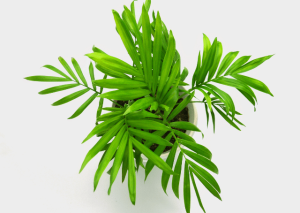 For best results, keep your Cat Palm out of direct sunlight for too long;
Now you know how it’s done, why not brighten up your home with a gorgeous Cat Palm?


