
Welcome to Modern Agriculture!

Microgreens are becoming increasingly popular as people strive to improve their health by eating nutrient-dense foods.
Broccoli Microgreens are one of the best ways to do this. Not only are they easy to grow, but they are also jam-packed full of healthy nutrients.
In this article, you’ll discover what broccoli microgreens are, the health benefits of growing broccoli microgreens and a step-by-step guide to get you started.
We also look at the pros and cons of growing broccoli microgreens and solutions to some of the common problems that beginners encounter.
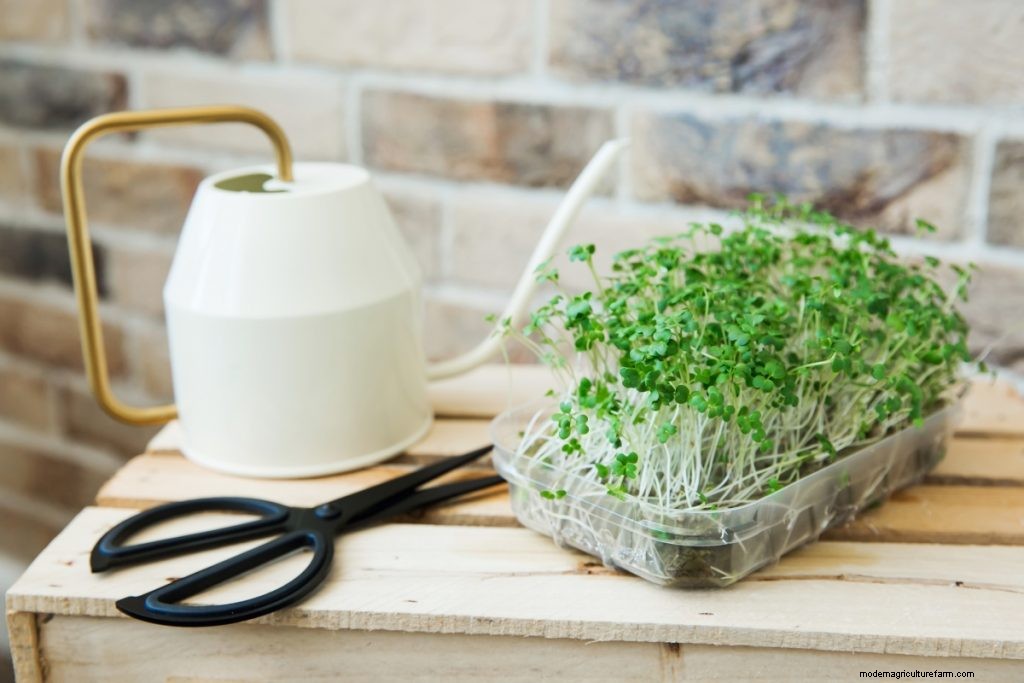
Broccoli Microgreens are baby broccoli plants that you harvest when they’re 2-3 inches (5-7.5 cm) tall.
Almost any vegetable or herb can be grown as microgreens. And although they’re small, they’re packed full of nutrients and aromatic flavors.
Broccoli microgreens are one of the easiest microgreens to grow and have many health benefits. They’re also quick-growing and can be ready to eat in as little as seven days.
Thus, they’re ideal for beginners and one of the most profitable crops for an urban farmer or homesteader.
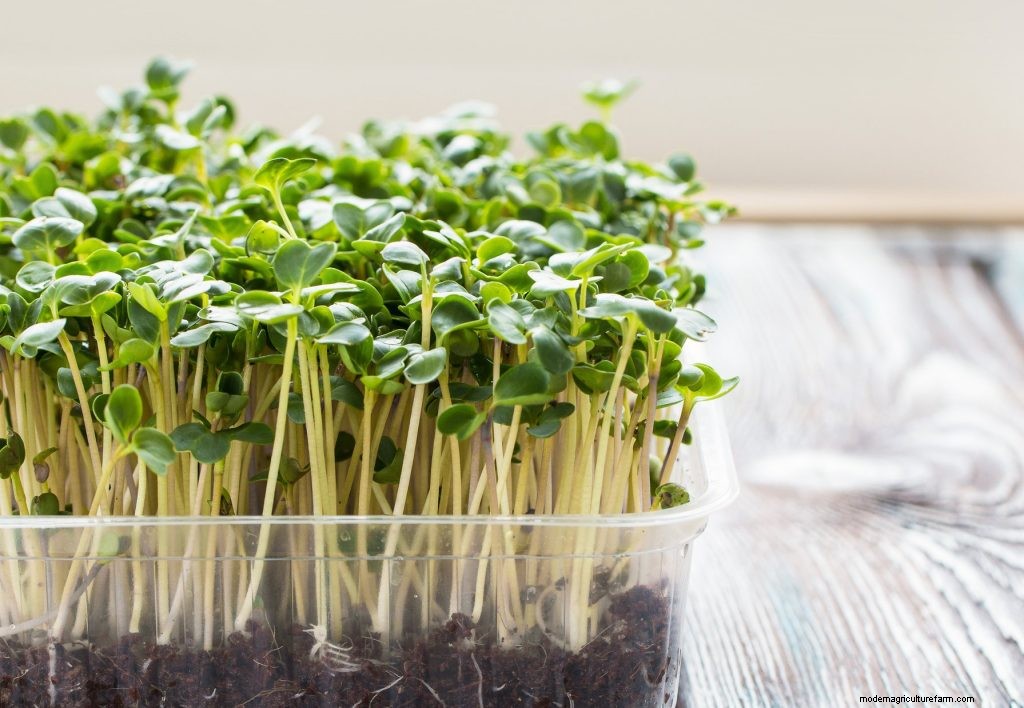
Not only can you eat broccoli microgreens, but you most definitely should.
A small serving of broccoli microgreens is full of beneficial nutrients and vitamins, and they’re considered by many to be a superfood.
You can eat broccoli microgreens in the same way as full-grown broccoli but they’re not as bitter.
Try using them to add visual appeal, flavor and a crunchy texture to any dish.
Broccoli Microgreens fall somewhere between sprouts and baby greens. They are often confused with microgreen sprouts, but they’re not the same.
Microgreen sprouts don’t have leaves, and you consume them 2 to 7 days after germination.
Broccoli microgreens are complete plants with leaves, stems and roots. They’re harvested 7 to 14 days after planting when they have two cotyledon leaves.
In the next section, we look at the difference between the two in more detail.
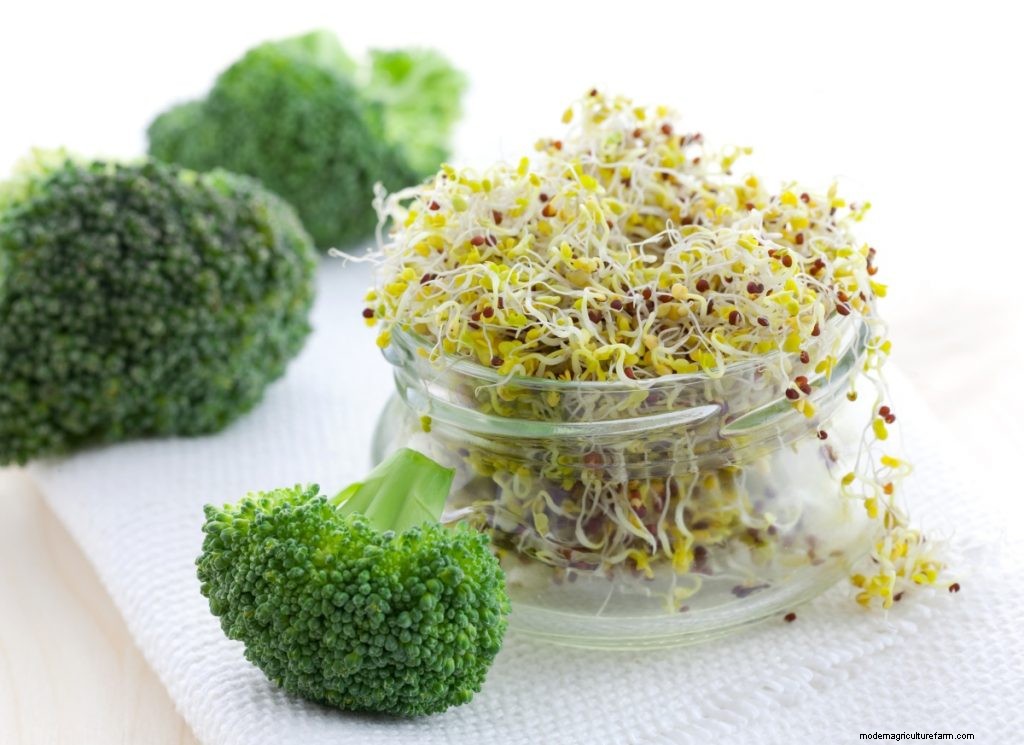
Sprouts and microgreens both start by germinating seeds, but the methods used and results differ. Here are some of the differences.
Broccoli microgreens may be small, but when it comes to nutrients and health benefits, they pack a punch
Research shows that fresh broccoli microgreens can contain more nutrients than mature broccoli.
Broccoli microgreens contain high levels of sulforaphane, a sulfur compound found in many cruciferous vegetables.
Sulforaphane may help fight inflammation, prevent cancer, boost the immune system and improve digestion.
Broccoli microgreens are also full of beneficial nutrients. Including Vitamin A, B, C, E and K, dietary fiber, phosphorus, magnesium and potassium.
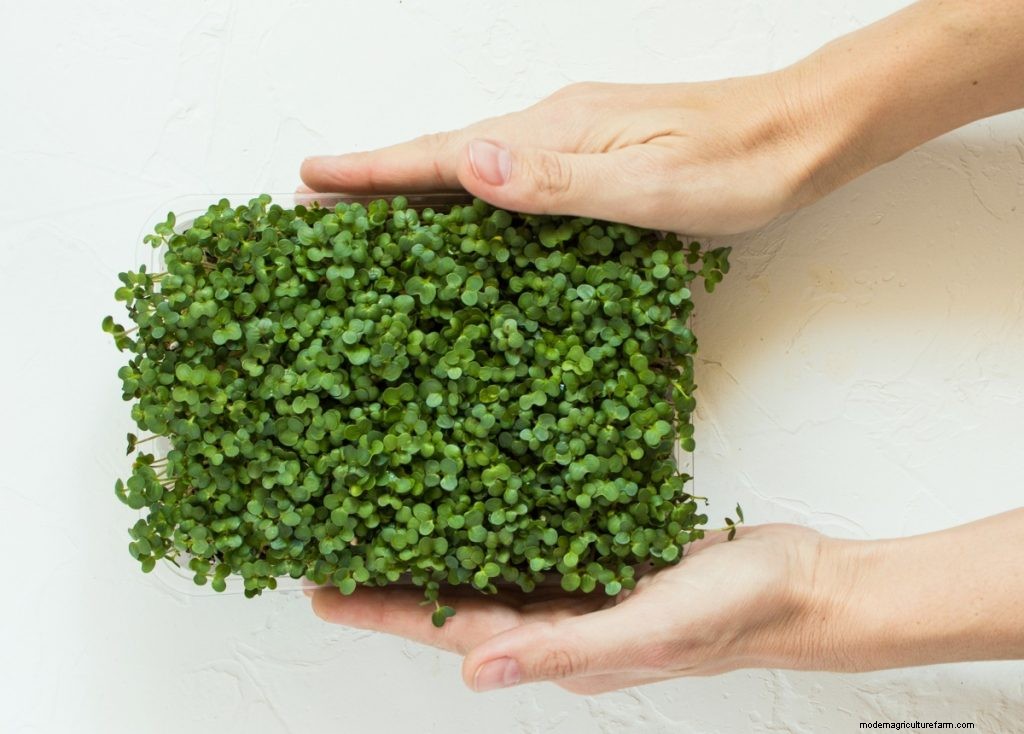
Now that you have a better understanding of what broccoli microgreens are and why you should grow your own. Here’s a step-by-step guide to get you started with growing broccoli microgreens.
The first thing you need to do is get your materials and supplies together. Here’s what you’ll need to grow broccoli microgreens.
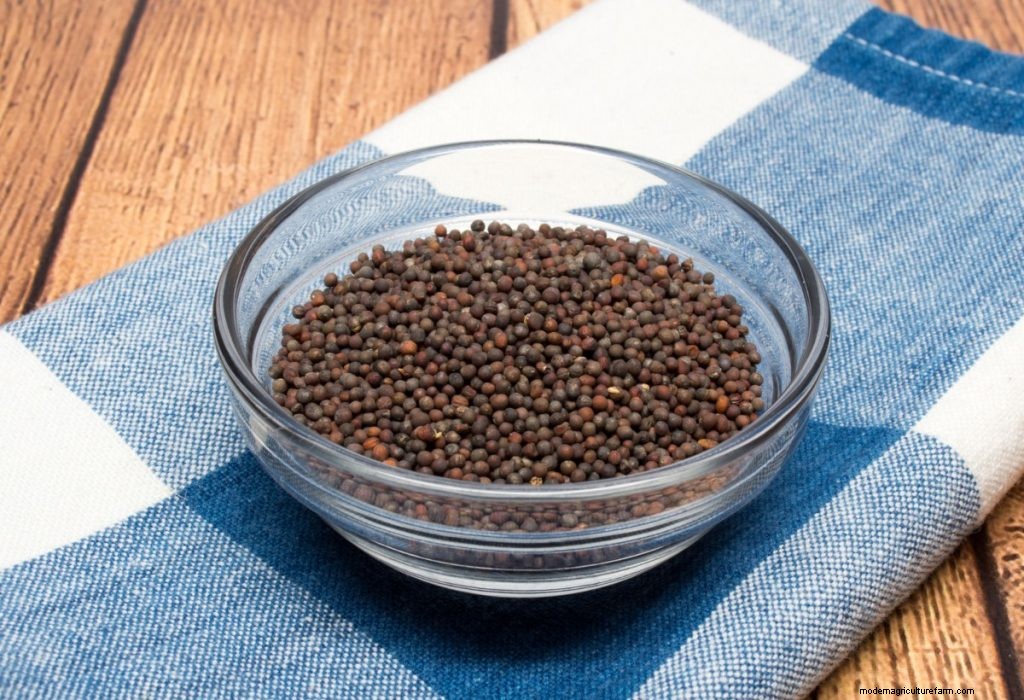
First, fill your container with high-quality potting soil to just below the rim, level it with your hand and gently pat it down. Be careful not to compact the soil too much.
Next, use your spray bottle to spray the surface of the soil with unchlorinated water. Once absorbed, respray the surface a second time.
Now scatter your seeds evenly over the surface of the soil. Some people find it easier to put the broccoli seeds in a shaker bottle and then sprinkle them evenly onto the surface.
Cover as much soil as possible with a single layer of seeds to get a dense harvest.
Once you have sown your seeds, it’s time to get them ready for germination.
First, mist them thoroughly using your spray bottle, taking care not to scatter the seeds. Wetting the broccoli seeds increases the rate of germination.
Cover your tray to keep the humidity in and light out. You can do this by stacking your second tray on top of the first tray.
Now leave the seeds to germinate in the dark for two to four days.
Placing a weight on top of some microgreens like sunflower, radish and kale during germination causes better germination and stronger plants.
Broccoli, however, doesn’t need any weight. It just needs a cover to keep the humidity in and light out.
After two days, remove the cover and check your broccoli seeds to see if they have sprouted.
If you don’t see leaves on most of the seeds, mist the seeds with water, replace the cover and leave them for another day or two.
But, if small leaves have come out of most of the seeds, it’s time to remove the cover and place the microgreens in sunlight or under your grow light for four to eight hours a day.
At this stage, don’t mistake the white fibers coming out of the seeds as mold. These fibers are root hairs, not fungus.
Our article How to Grow Microgreens: The Ultimate Guide has more information on lighting and why it’s important.
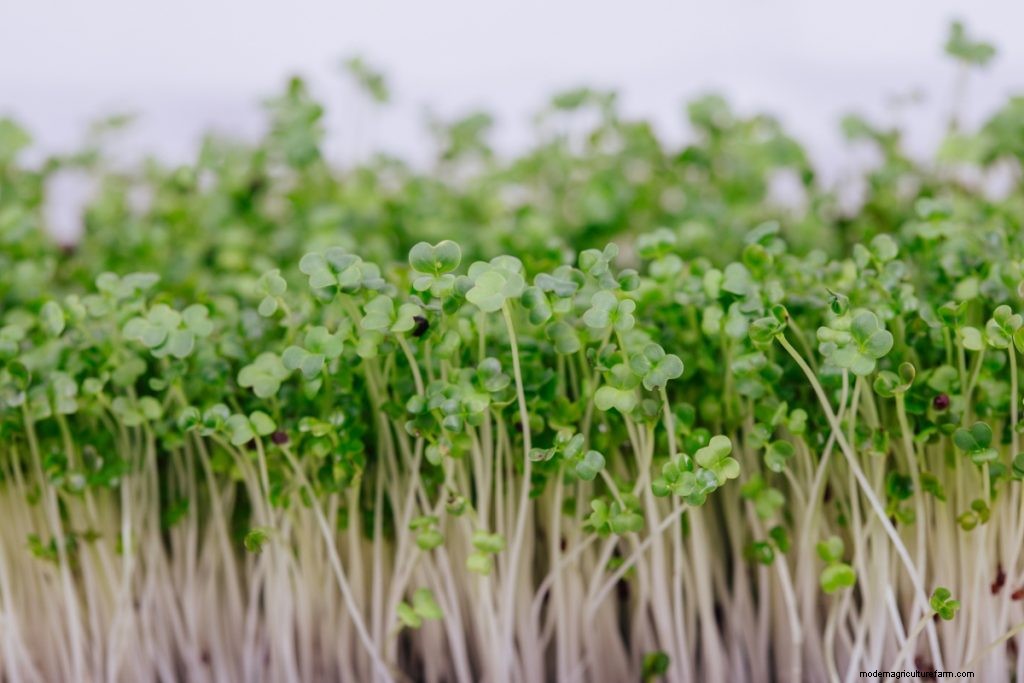
When you uncover your broccoli sprouts and expose them to light, stand your growing container in a tray of water and bottom water them heavily.
For the rest of their growth, you should water them from the bottom. Doing this will keep the leaves and stems dry and help to prevent mold.
Your broccoli sprouts will grow into microgreens within a few days. At first, they may be a little pale, but they will turn green when exposed to enough light.
It is not difficult to know when to harvest broccoli microgreens, and they’re usually ready to harvest when they are 2-3 inches (5-7cm) tall.
Once the first two cotyledon leaves are a good size and a rich green color, it’s time to harvest.
Harvest broccoli microgreens while the leaves are in the cotyledon stage before the first true leaves form. Leaving them longer will change the flavor.
Don’t water for 12 hours before harvest to ensure the greens are dry.
To harvest your broccoli microgreens, tip the tray around 45 degrees over a large plate or cutting board.
Then using kitchen scissors or a very sharp knife, cut the microgreens just above the surface of the soil.
If your broccoli microgreens are dry and packed in airtight bags or containers, they should keep well in a fridge for seven to nine days.
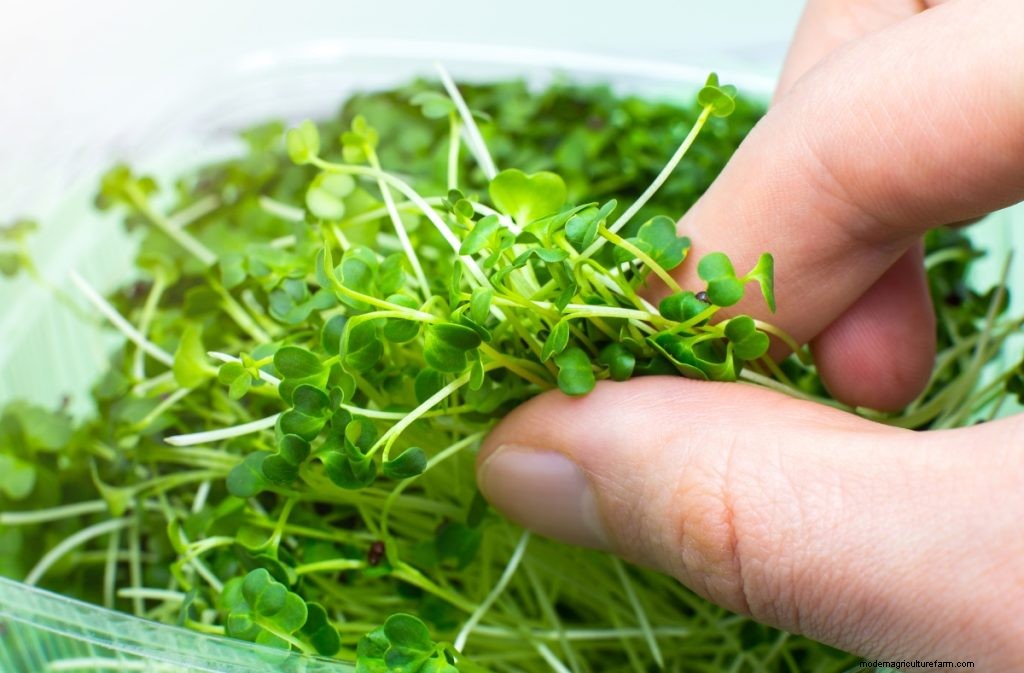
Unfortunately, broccoli microgreens don’t regrow after you harvest them. Unlike pea microgreens that can give you a second crop.
Our article “Do Microgreens Regrow After Cutting? Everything You Need to Know” has more information on the microgreens that do regrow after cutting and how to get a second crop.
To get the maximum benefit from all the nutrients in broccoli microgreens, you should eat them raw and as fresh as possible.
But, you can also cook broccoli microgreens, and when added to soups or stews and cooked for five minutes or less, they will still give you around 80% of the nutrient value.
There are many ways to eat broccoli microgreens.
Add some crunchy broccoli microgreens nutrition to your salads, sandwiches and burgers or use them in nutrient-packed juices and smoothies.
They go well with cheese and vegetable dishes and you can also garnish omelettes, poached eggs, dips or pasta sauces with broccoli microgreens for extra flavor and nutrients.
Here are some ideas to whet your appetite.
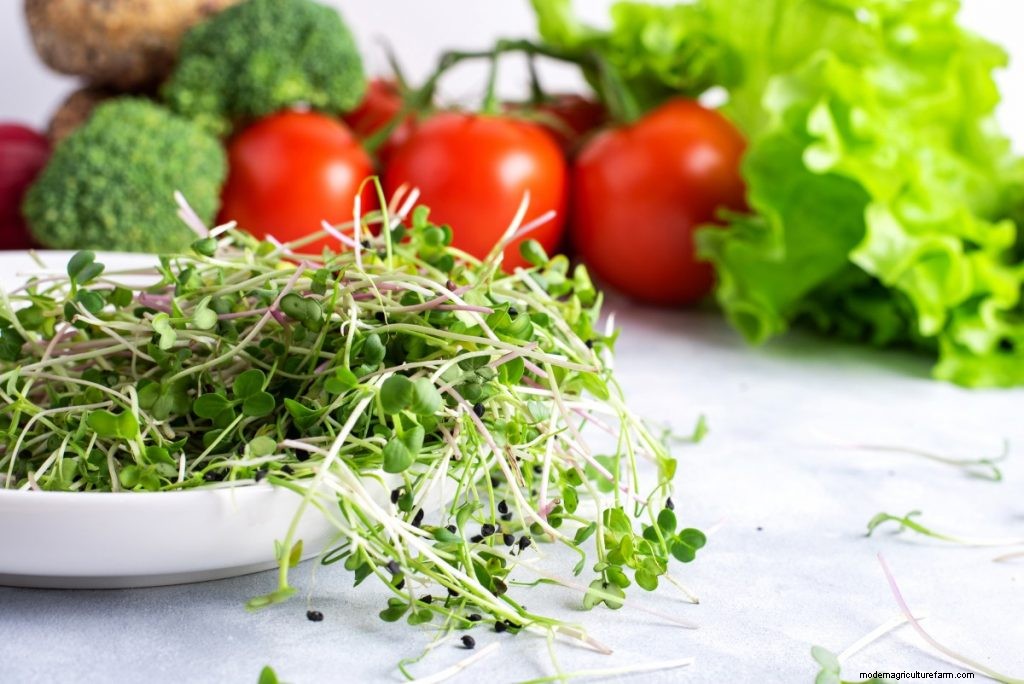
Try broccoli microgreens and avocado spread on your favorite health bread for a well-balanced snack.
This recipe from Elizabeth Sniegocki serves six and is delicious, healthy and refreshing.
Our article 30 Of The Best Microgreens Recipes Ideas has more great recipes for you to try.
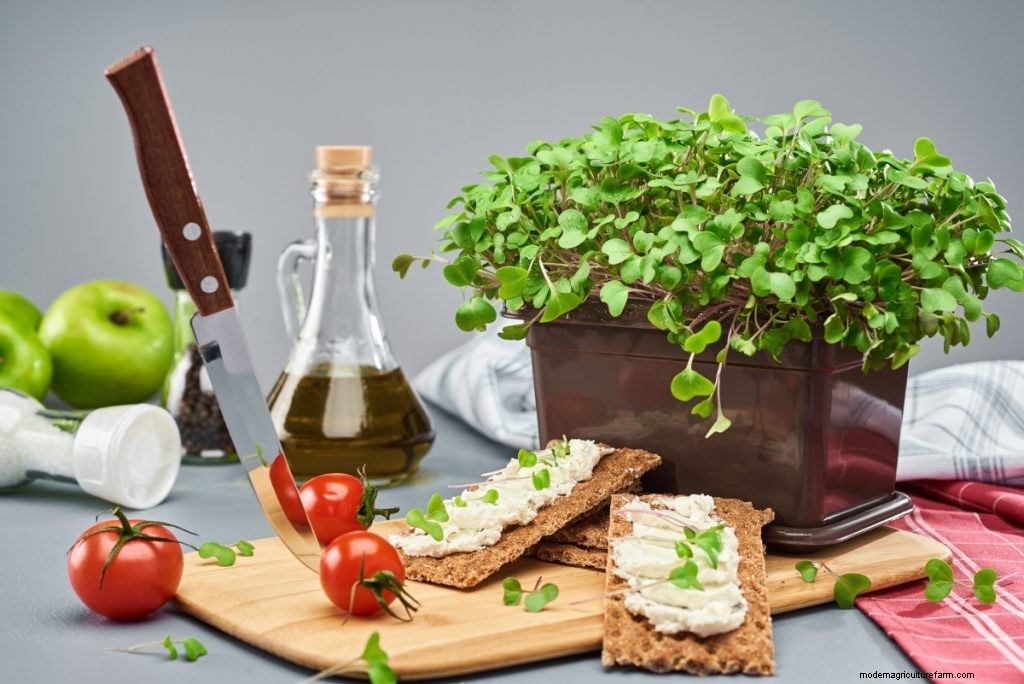
Growing broccoli microgreens at home is a good idea no matter who you are, and we think the pros far outweigh the cons.
Here are a few of the pros of growing broccoli microgreens
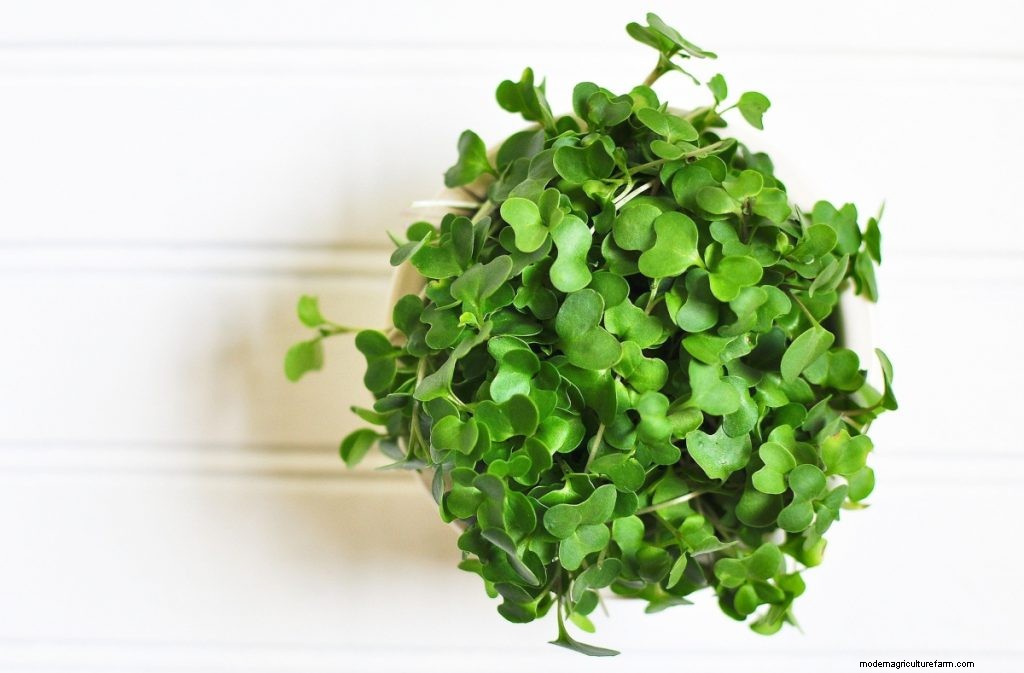
There are a few cons to growing your own broccoli microgreens, including the ones below.
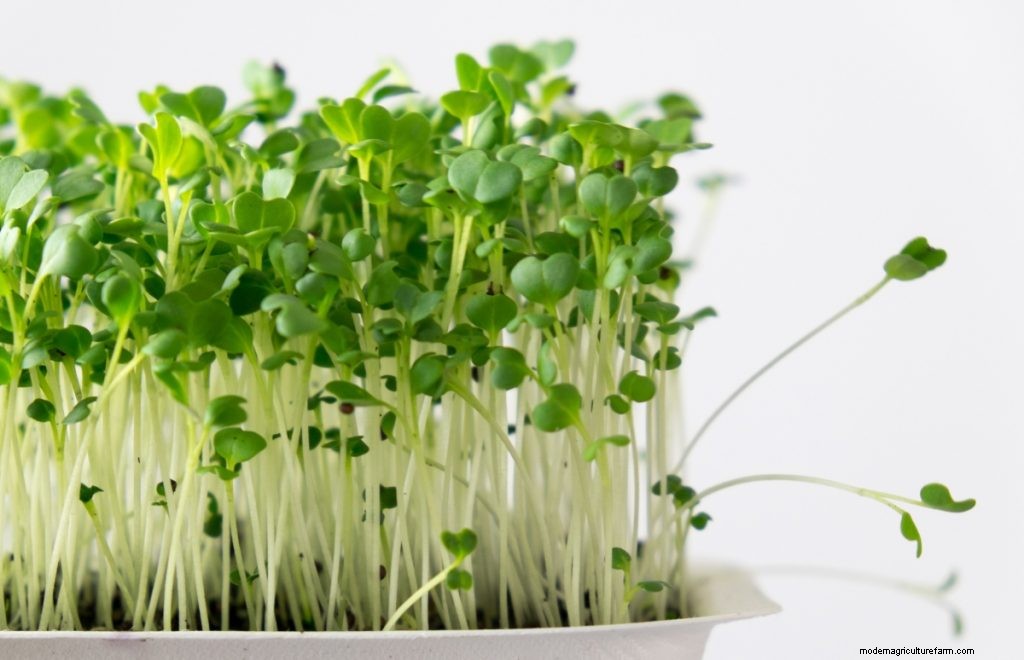
Every beginner has a few problems when they first start growing broccoli microgreens. But, don’t be discouraged, it is normal and most problems have simple solutions.
Here are some of the problems you may encounter and how to fix them.
Rot, mold and mildew are common problems often encountered by beginner microgreens growers.
There are several reasons why your broccoli microgreens could show signs of rot, mold or mildew, including the following.
There are a couple of reasons why you may experience poor germination rates. Here are some things to check if you are experiencing this problem
Prevent uneven germination by sowing the broccoli seeds evenly across your growing container. Putting the seeds in a shaker bottle may help you with this.
During the growing phase, the amount of light, air circulation and water should be constant across your whole container. Using a grow light makes it easier to ensure uniform exposure.
Tall, spindly and pale broccoli microgreens are a sign that your plants are not getting enough light.
Microgreens grow tall and leggy to try and reach light and don’t turn green unless they have adequate light.
Make sure your microgreens are getting four to eight hours of direct light, be it sunlight or artificial light, every day.
If the problem persists, try using a stronger light source or moving your microgreens closer to your existing lights.
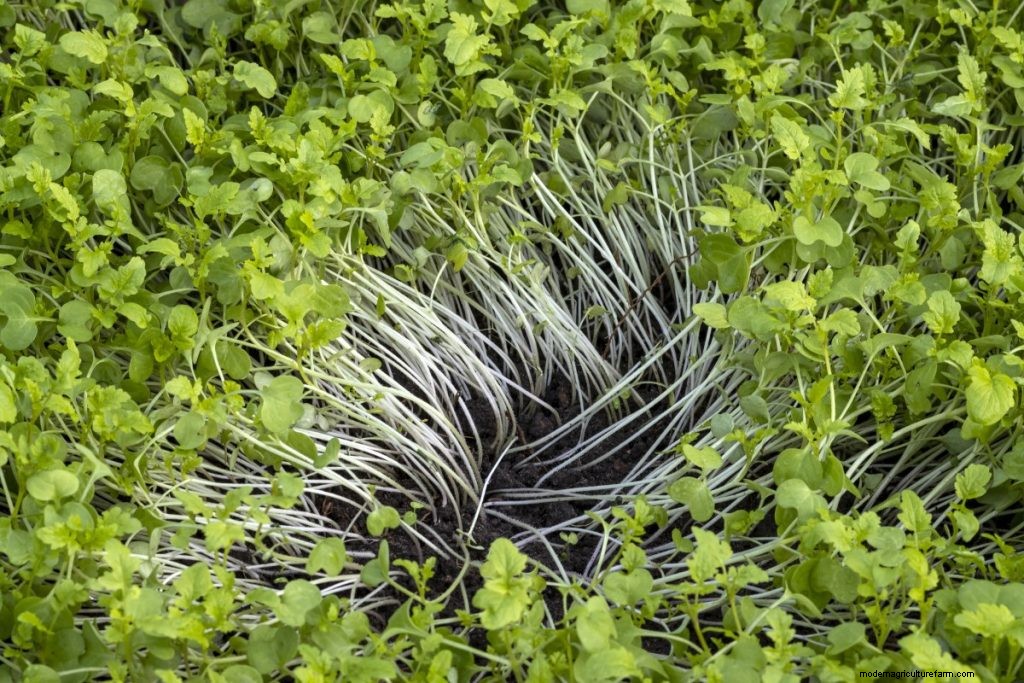
If your microgreens suddenly start falling over, don’t panic. You can more than likely revive them.
Falling over often happens in the center of the tray, but occasionally, microgreens will fall over to one side as well.
The most common reason microgreens fall over is a lack of water, and as soon as you water them, they’ll stand up again.
However there may be a few other reasons why your broccoli microgreens have fallen over, including the following.
Broccoli microgreens are ideal for beginner microgreen growers. And one of the most profitable microgreen crops for an urban farmer or backyard homesteader.
Not only are they easy to grow, but they’re extremely versatile and a great way to add additional nutrients to almost any meal.
Visit our Microgreens Resource Hub to learn more about growing microgreens and how beneficial and profitable they can be.


