
Welcome to Modern Agriculture!

Dieffenbachia is an attractive houseplant that is admired for its rich, tropical leaves. Commonly known as Leopard Lily or Dumb cane, the plant is prized is for its easy-to-grow, lush foliage that is perfect for home gardens.
The plant grows up to a height of 72-84″ inches (182-213cm) with oblong-shaped leaves. It thrives well in moist, well-drained soil and indirect but consistent sunlight. If you’re growing dieffenbachia plants indoors, there are chances that they may begin to crowd their pots.
Apart from looking unkempt and messy, overcrowding compromises on the space your plants need for root growth. When this happens, it’s important to re-pot and propagate your dieffenbachia plants. Here is our detailed guide on dieffenbachia propagation.
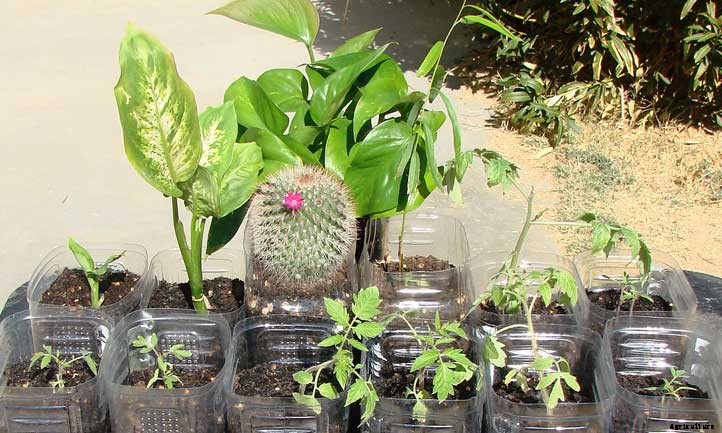
Dieffenbachia propagation can be done in two ways – stem cuttings and air-layering.
Stem-cuttings is a fairly straight-forward and one of the most common processes to re-produce a plant.
Air layering, on the other hand, is a type of layering where the dieffenbachia plant is wrapped or potted in a moist, growing medium to accelerate root growth.
Stem cuttings can be propagated in two ways – rooting in potting medium and rooting in water. You can choose either depending on your ease and convenience.
You can also cover the plant cutting with a plastic sheet to keep the soil moist and humidity levels constant. Keep watering the plant whenever the soil looks dry.
The stem cuttings will take 4-8 weeks to root. At this point, you can transplant the cane sections to a sunny spot in your garden or a 3-inch pot, filled with a good potting mix.
This is a relatively quicker and easier process:
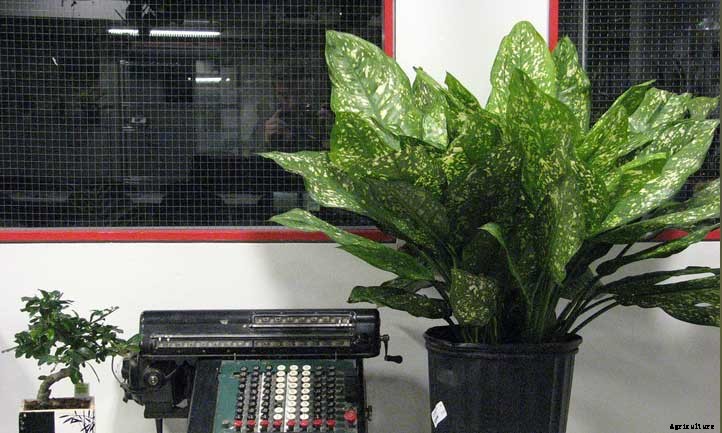
Air layering is typically used to propagate larger dieffenbachia plants than ones produced by cuttings. Air layering is also great if the plant’s leaves are leggy or losing their color. This method of propagation uses flourishing stems to produce healthy roots and branches.
However, layering can be a tad bit complex. Therefore, it’s important to follow the steps with precision. Here’s what you have to do:
There’s a reason why dieffenbachia plants are known as dumbcane. This is because the leaves contain a poisonous, milky white sap of calcium oxalate, which can severely irritate the skin and throat.
While propagation is quick and easy, it’s important to practice some safety tips when handling this plant. Here’s what you need to take care of:
You might have to relocate the plants to your garden outside if they’re especially under the reach of pets and children. Chewing the leaves can cause a deep burning sensation ensued by temporary paralysis. It can swell your pets’ airways, making it extremely difficult to breathe. Therefore, make sure to keep the plants in a pet-free and child-free zone.
As long as you keep these safety tips in mind, you can enjoy propagating dumb cane plants without any stress!
Q. How do you fix leggy dieffenbachia?
As mentioned above, a leggy plant can be fixed through air-layering. The process uses a healthy stem to propagate stronger branches, while thinning the mother plant out overall.
Q. How many varieties of Dieffenbachia plants are there?
There are many, each with their own personality and lush leaves. There is Tropic Snow, the Hilo – known for its dark, pointed leaves with lighter veins, and the Rudolf Roehrs with creamy leaves and bright, white spots.
Q. Can dieffenbachia tolerate colder drafts?
Dumbcanes thrive the best in warmer temperatures, around 75°F (24°C). Keeping them in darker, colder regions can slow down the growth and cause excessive leaf drop.


