
Welcome to Modern Agriculture!

Introduction to growing a Pomegranate plant
Pomegranate shrubs are one of the easiest fruits to keep since they are generally not affected by many pests or diseases. The Pomegranate fruits are full of antioxidants and thought to have many health benefits. Pomegranate trees are fairly small and can be grown as either a tree or a shrub depending on how you choose to prune and train it. Pomegranate trees are an ideal choice of tree to create a vibrant flowering hedge, as they can become quite dense when grown alongside each other. In this article we also discuss below topics;
Pomegranates can be grown from seed; though the tree from seed may not be very reliable the seed may grow into a hardy plant or one with barely edible fruits. To ensure that the pomegranate tree bears flowers and good fruits, get the right cultivar from a local nursery. Pomegranates can survive cold winters or harsh summers and you just need the right plant for the kind of weather you live in. Common pomegranate cultivars that you can select from the local nursery consist of Wonderful, Sweet Pomegranate, Kashmir Blend, Pink Satin, Sharp Velvet, Ambrosia, and Angel Red.
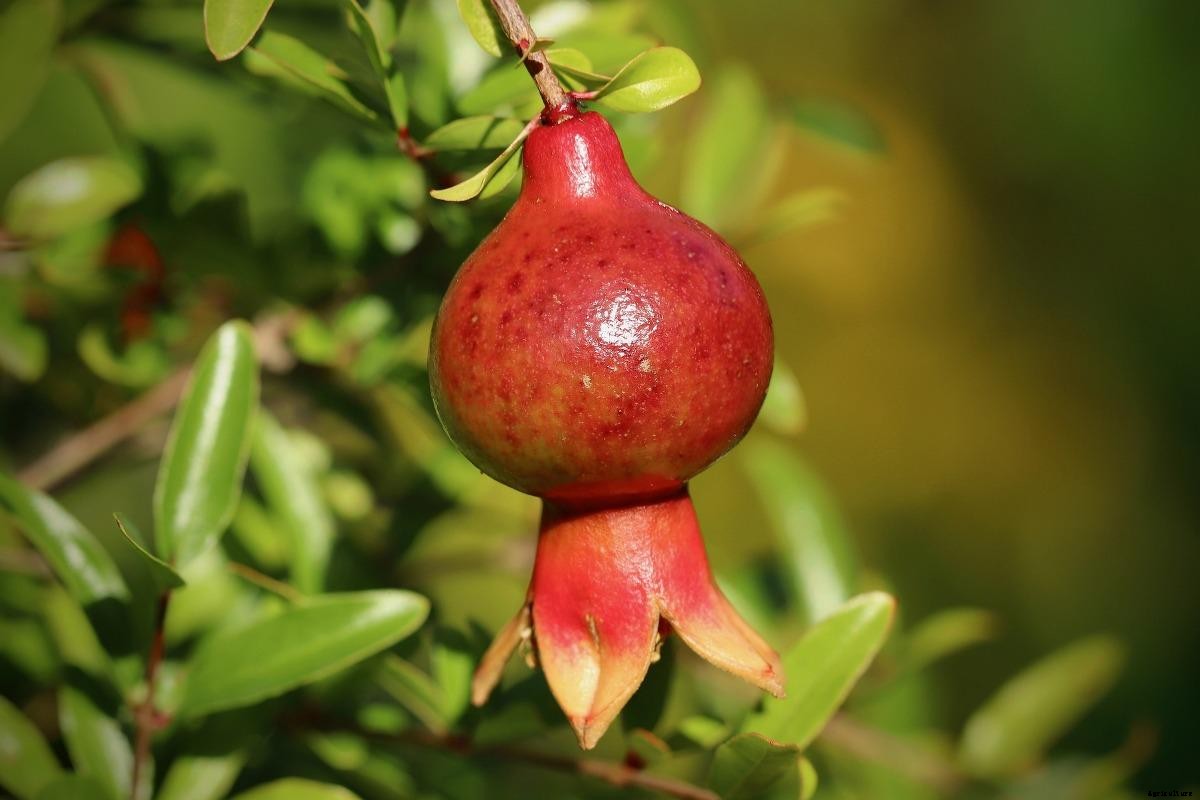
Pomegranates do well in most soils as long as the soil is well-watered and drained soggy soils will lead to increased Pomegranate flower and fruit drop. While the plant can survive in partially shaded areas, particularly when being pot grown, the plant thrives in regular sunlight plant pomegranates just about anywhere in your garden that gets about 2 to 4 hours of direct sunlight per day.
The best soils for the Pomegranate trees are heavy loams, but they can tolerate a wide array of soil conditions and can even grow in clay or sandy soils. The optimal soil pH level for pomegranate trees is 5.5 to 7. Alkaline soils can limit and restrict plant growth.
You can purchase a pomegranate seedling at a local nursery. Be sure to buy a variety that produces edible pomegranate fruit if you are hoping to be able to eat a homegrown pomegranate. First, cut a branch that is at least 10 inches long. Cover the cut end of the branch with rooting hormone to help it grow and take the cutting in February or March when the plant is still dormant.
The pot should be appropriate to the size of the pomegranate plant, increase the pot size by repotting as your plant grows. Also, care about having sufficient holes in the base of the pot you are using for proper drainage.
In case if you miss this: Growing Black Pepper from Cuttings, Seed.
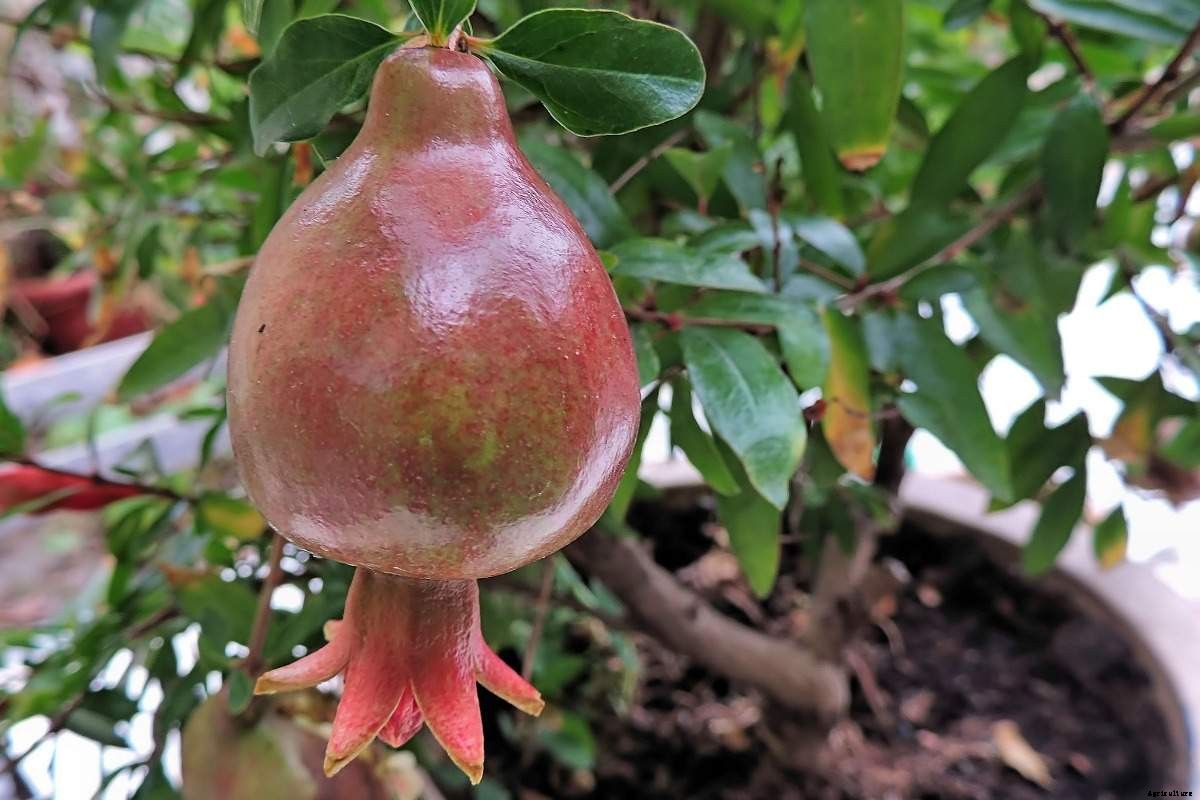
For indoor pomegranate trees grown in containers, you will want around a 10-gallon container one-quarter full of potting soil. Then, set the root ball into the container and begin to fill in around the roots with the soil to the top of the container but not covering the trunk.
Pomegranate plants can be propagated by cuttings or by seeds in spring to summer when the temperature range of 20°C, but it is better to buy 2 to 3 years old plant from nursery or online. This way you don’t have to wait long for Pomegranate fruits.
First, buy a ripe pomegranate as possible. Separate and clean seeds from the pulp by rubbing them from paper towel, let them dry up for a few days before sowing the seed.
Plant the seeds no more than about ¼ inches deep in light seed-starting mix. Put the pots in a bright location, optionally inside a plastic bag or greenhouse that maintains a temperature around 20°C. And always keep the soil moist. Seeds will germinate within 1 to 6 weeks depending more on the variety and climate.
First, take several 8 to 10 inch-long cuttings. Then, plant the cutting in a well-drained potting mix. It roots easily and quickly at the ambient temperature of 20°C and high humidity.
Container-grown trees must be planted at the same depth they were originally grown. If you are planting pomegranate trees for hedges, and space them at least 6 feet to 9 feet apart. For orchards, plant individual trees about 15 to 18 feet apart.
You should not miss the Growing Passion Fruit in Containers from Seed, Cuttings.
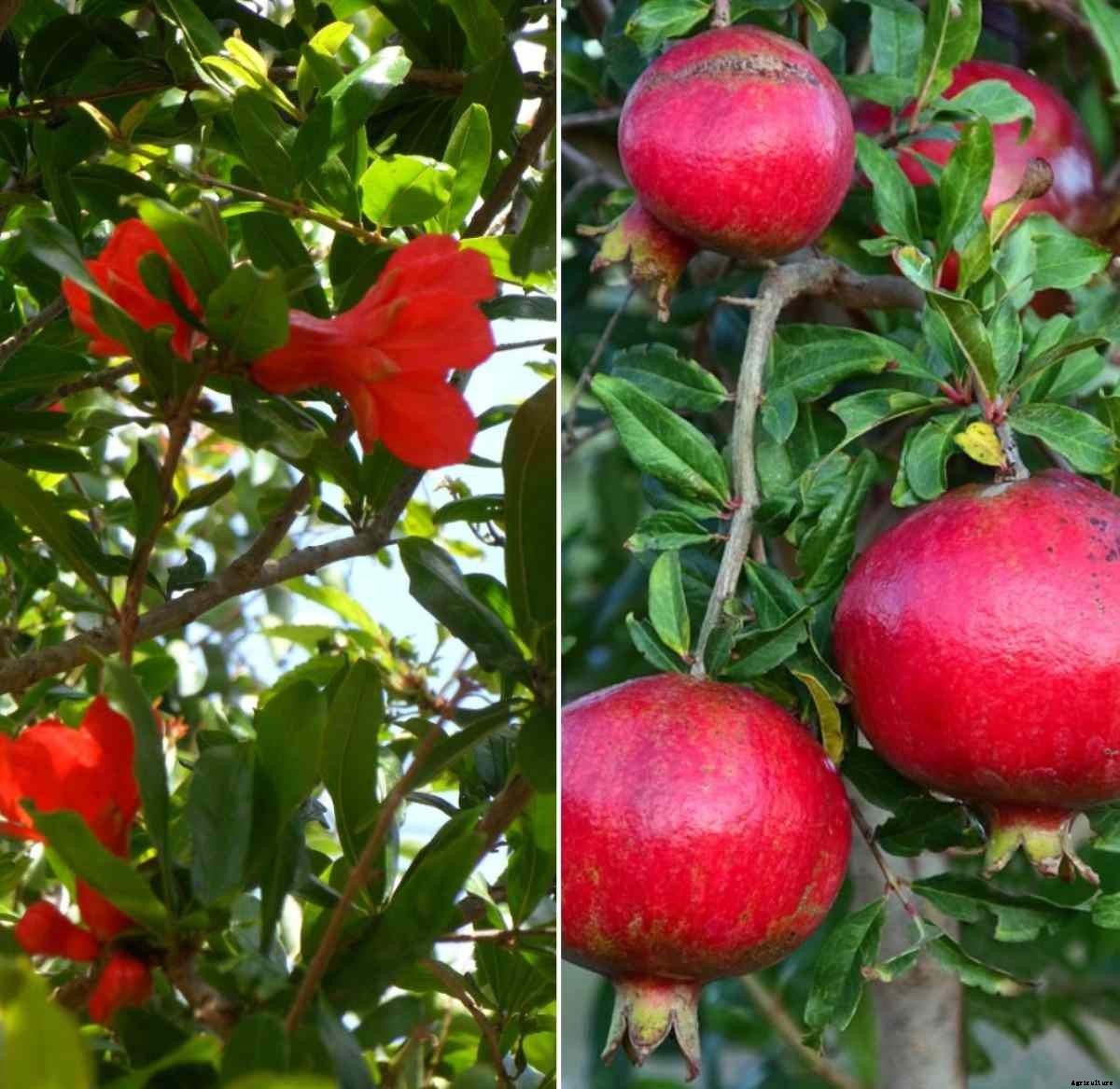
The pomegranate plant is drought resistant but will fruit better if you water it in dry conditions every 5 to 7 days. Soggy soil or too much water is its enemy and will cause Pomegranate flower and fruit drop.
You may also check the Persimmon Seed Germination Period, Temperature.
Pomegranate plants thrive in areas of warm, arid conditions. While not all of us reside in such climactic regions, the good news is that growing pomegranate plants in a pot is entirely possible. Trees in containers can either be grown indoors given sufficient arid provisions or outdoors during part of the year or moved indoors if cold snaps are imminent. Pomegranates are self-pollinating, so you need one to set fruit. They are hardy and will bear fruit within the second year. For outdoor or indoor pomegranate trees grown in containers, you will want around a 10-gallon container one-quarter full of potting soil. Set the root ball into the container and begin to fill in around the plant roots with the soil to the top of the container but not covering the trunk. Water the new pomegranate tree in well and lightly tamps the soil down to eliminate any air pockets.
You don’t want to prune your pomegranate tree to maintain it, but it is a good idea to cut away dead or dying branches in the spring to help the tree grow well. You can thin the plant as you see necessary.
If you are growing the pomegranate in a container, you will need to prune and train a bit more heavily, to keep the pomegranate the size and shape you want it to be.
Pomegranate shrubs are one of the easier fruits to work with as they are not usually affected by many pests or diseases.
Possible pests include pomegranate butterfly, thrips, scale, mealy bugs, and whiteflies. Deer will sometimes eat the leaves, and occasionally gophers will chew on the plant roots. Diseases contain leaf spot, fruit spot, twig dieback, dry rot, and soft rot.
Pruning is necessary to give and maintain the desired shape of the pomegranate tree and encourage flowering and fruiting. It is best done after all danger of frost has passed when the pomegranate tree is about to start growing.
Prune off weak, dead, and undesirable branches to direct shrub’s energy to the right parts and shorten long branches to encourage pomegranate flowering.
Harvest pomegranate fruit when the crust of the fruit is intense red. Simply cut the fruit’s stem using a sharp knife. When harvesting pomegranate fruit, pick when the pomegranate fruit is fully ripe and a deep red since it does not continue to ripe post-harvest. Begin picking pomegranate fruits when the fruit makes a metallic sound when you tap it with your finger.
Picking pomegranate fruits is not the correct wording to use because the fruit should not be pulled off the plant.
Most pomegranate trees are self-fruiting as they do not need any other pomegranate tree variety for pollination purposes. The pomegranate tree produces flowers that attract insects for pollination. It is said that planting another pomegranate tree nearby can increase the fruit production in both the trees.
One of them may be caused by a pomegranate tree getting a little too much care. Fungal pathogens are notoriously frustrating causes of the split pomegranate fruit. They strike just as the fruit is ripening. The other main cause of splitting pomegranate fruit is the same as with many other fruits that are irregular watering.
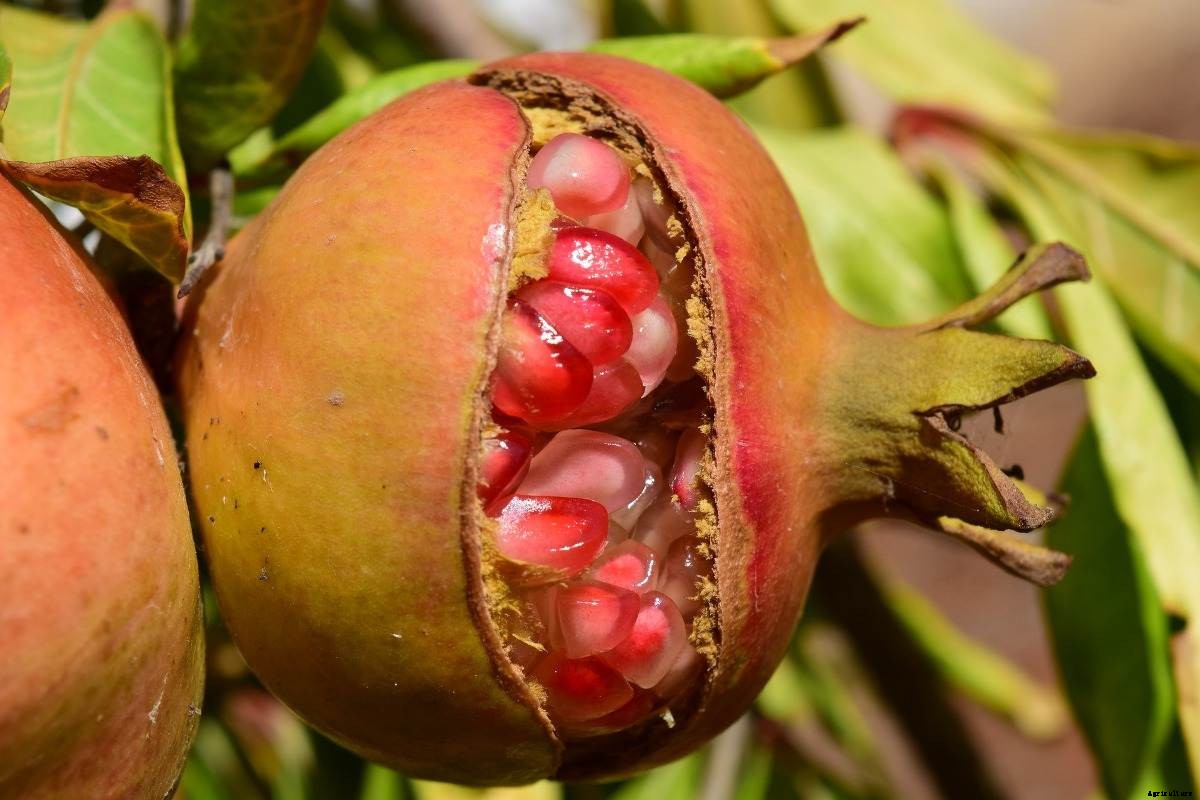
Alternaria is called black rot and causes damage to the pomegranate fruit in the form of wounds and rot on the interior of the fruit. It occurs after heavy rains just when pomegranate fruit is beginning to form.
Inadequate light levels are a central reason pomegranate trees fail to produce any flowers. A garden exposure that provides at least 8 to 10 hours of direct sun rays daily, particularly from spring to fall is a necessity. The more sun and the warmer the growing season’s temperature ranges, the better.
Increasing the size of pomegranate fruits is more about pruning, watering, and fertilizing than anything else. Larger fruit will be formed on older wood so pruning a pomegranate to be more like a tree than a shrub will help.
Well, growing a pomegranate plant is easy and commercially viable as there is an excellent demand for this wonderful fruit. You may also like the Coconut Seed Germination, Time Period, Process.


