
Welcome to Modern Agriculture!

Introduction to growing Turnips in containers
Turnip is a quick-growing root vegetable and it is an herbaceous biennial for seed production and an annual for use as a vegetable. Both roots and leaves of these plants are edible. Turnips are cruciferous vegetables rich in nutrients and also low in calories. This plant is grown in temperate climates worldwide for its bulbous, edible root, and the leaves are consumed. Small, tender, varieties are grown for human consumption, while larger plant varieties are grown as feed for livestock. The term Turnip is also used for the bulbous storage root. Turnips are versatile, nutritious, cool-season vegetables grown for their tender roots or leafy greens. Planting Turnips in containers offers several advantages, particularly for urban gardeners without sufficient sunny garden space. Turnips in containers are easy to care for, requiring little digging, bending, and stooping.
In this article we also discussed below topics;
Turnip is grown for elongated roots as well as for its foliage. Fresh roots are consumed in salads and cooked as a vegetable or used in pickles. The Turnip greens are rich in vitamin A and vitamin C and contain an appreciable amount of vitamin B, and also a good source of Ca, P, and Fe. The greens are fed to animals and seldom used as green vegetables. Turnips provide you with two vegetables in the same growing space above soil green leaves and below-soil tuberous bulbs to eat. This easy-to-grow vegetable is full of nutrients like vitamins A and C, the green leaves taste fabulous in salads or added to pasta dishes and Turnip bulb can be used in place of potatoes.
Turnips prefer a little acidic good fertility and well-drained soil, due to which it helps in root development and plant growth and protect its bulb from rotting. Its soil pH level of 6.0 to 6.5 is excellent. Turnip requires an area of full sun, where sunlight lightens for at least 6 to 8 hours each day.
Select a container for Turnip greens that is about 12 inches deep and large enough to hold approximately 1 gallon of soil for each plant. The container can be glazed ceramic, plastic or terra cotta, but it must have drainage holes or your greens will suffer root rot.
In case if you miss this: Radish Seed Germination, Time, Temperature, Procedure.
The selection of the pot depends on the type of Turnip you are growing, as large Turnip varieties will need more space to grow. Use a pot that is at least 8 inches deep for planting regular Turnip, as it doesn’t be more than 3 to 4 inches in diameter. The pot for growing Turnip depends on the number of Turnips you want to grow, and whether they are large or small. You can use window boxes or use standard pots and maintain at least 4 inches of spacing. Considering this, 12 inches wide round pot can accommodate 3 Turnips, and up to 4 if you want to overfill it.
Turnips don’t respond well to transplanting, so directly transplant them to the desired container. If you’re growing a large root Turnip variety like Hinona kabu, go for 12 inches deep pot. On the contrary, if you want to harvest Turnip greens, a small about 6 inches depth planter is fine.
Place a coffee filter in the bottom of the container to prevent soil from leaching out of the drainage holes during watering, and then fill with potting soil. The soil does not have to be specifically intended for vegetables or seed starting but should have a mix of organic matter such as compost and mineral matter like perlite to provide the plant nutrients and good drainage.
Most Turnip varieties have 1 to 5 inches diameter. You can grow these Turnip varieties obtainable at garden centers or online;
Use row to row spacing of about 45 cm and plant to plant spacing of 7.5 cm. Sow seeds at depth of 1.5 cm and direct sowing on the bed, in lines or on a ridge.
This Turnip plant is required to give water continuously. Turnip plant needs at least 1 inch of water every week. If your area is not raining enough, and then soak it well every week. In extremely dry areas, you should give water 2 to 3 times a week. If you notice limp or wilting leaves, the Turnip plant needs more water. Water containers whenever the top about 2 inches of soil feels dry. Never let the soil dry out or the Turnip greens will develop a bitter taste. When using porous terra cotta containers, the soil will dry out fast during dry and also windy weather, so check the soil daily. At least 1 inch of water per week is very important for good root development. Turnip plants need to grow quickly and regular water, along with rich soil, will help them do that. Turnips do not need much care, but consistent soil moisture is very important. Keep the soil lightly moist, watering at a rate of about 1 inch per week to prevent the roots from becoming tough and bitter.
You should not miss this: Coriander Seed Germination, Time, Process.
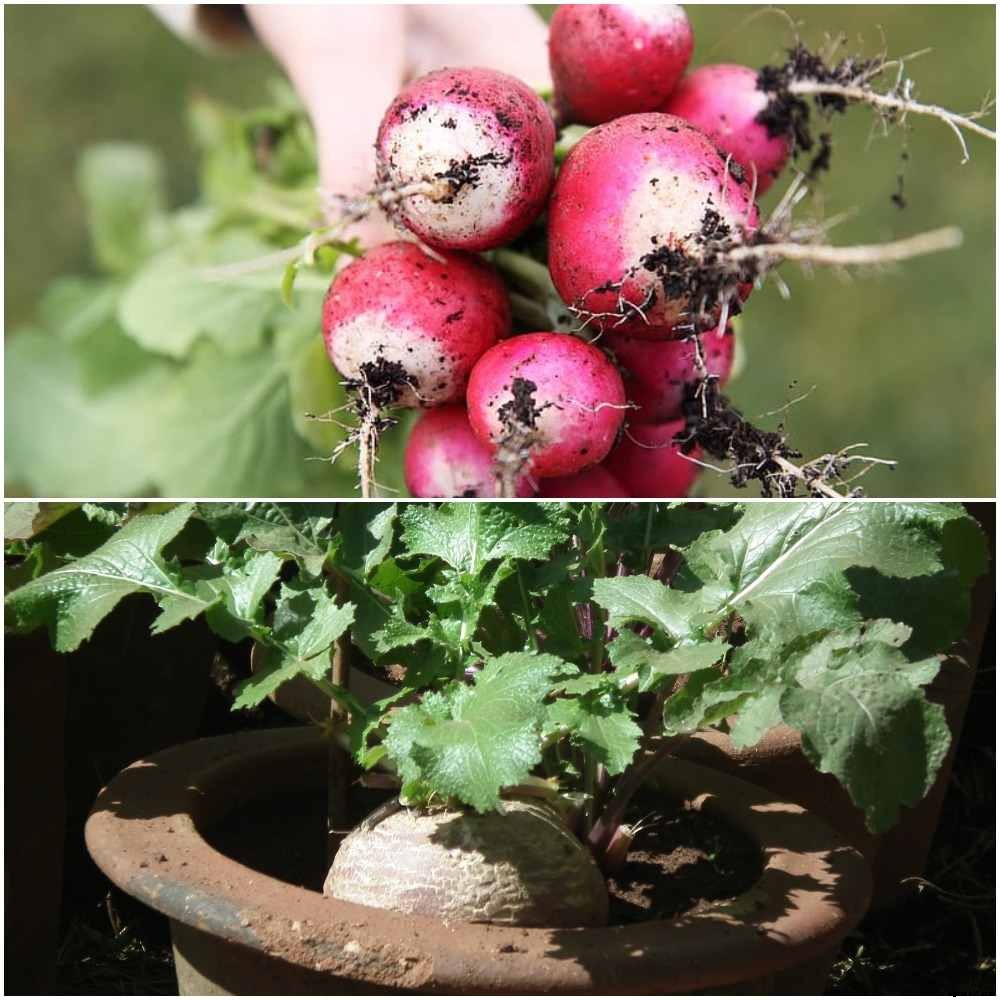
Turnips get affected by aphids and flea beetles, though you can get rid of them by washing with a spray of water. Control aphids by pinching out infested foliage and hosing a large infestation off the Turnip plants. Keep weeds in the home garden down to control flea beetles.
You may also check this: Growing Hydroponic Carrots.
Turnip plants can be affected by white rust fungus which will cause small white cottony blisters on the upper surface of leaves and a yellow discoloration on the undersides. And control is not necessary.
While growing Turnips in pots harvest the greens, as soon they grow about 4 to 6 inches tall, leaving the roots intact. It takes around 35 to 60 days for most Turnip varieties to mature. You can harvest the roots when they are about 2 to 3 inches in diameter. Leaves are best harvested when they grow up to 10 to 12 inches in length.
Yes, you can easily grow Turnips indoors and also enjoy them fresh year-round. Grow seeds in containers and place them by windows that receive 5 to 6 hours of direct sunlight and you’re all set. Just be careful with the plant watering.
A Turnip plant is fairly easy to grow and requires loose, fertile soil rich in compost. Stored Turnips try to grow new leaves and roots over time, and these become bitter with a woody texture. Sprouting Turnips are not good to eat, but plant them in the garden to grow a crop of Turnip greens.
Depending on the climate and temperature it takes Turnips about 60 days to grow. You can pull them from the ground after 30 days but they will be very small about 1 to 2 inches in diameter.
Turnips are ready to harvest 40 to 55 days after planting. If harvesting the leaves, they are ready when they reach 4 to 6 inches in height. If only harvesting the plant leaves, cut them from the plant when they reach the desired size, leaving 1 inch of leaves above the crown of the plant. More plant leaves will grow in their place.
Turnips do not need much care, but consistent soil moisture is very important. Keep the soil lightly moist, watering at a rate of about 1 inch per week to prevent the roots from becoming tough and bitter.
Whether you grow turnips for the roots or the greens, germinating the turnip seeds is the first step. When done properly, the seedlings emerge within 4 to 7 days.
You may also check the Basic Steps of Organic Farming, Organic Farming Types.


