
Welcome to Modern Agriculture!

If you’re used to eating boring iceberg lettuce salads that are covered in a flavorful dressing, fear not – there are plenty of more exciting and delicious salad greens to add to your garden!
Standard iceberg lettuce is great, but it’s even easier in many cases to grow other salad greens that are more nutritious and delicious. Adding some of these into your salad-making arsenal will go a long way for your health and your taste buds.
Here we go!
Expanding your garden past lettuce is simple. Some of the following veggies can be eaten on their own – bok choy, arugula, and spinach are a few examples. Others, like radicchio, mustard greens, or chicory are best when mixed with other greens to create the perfect salad or dish.
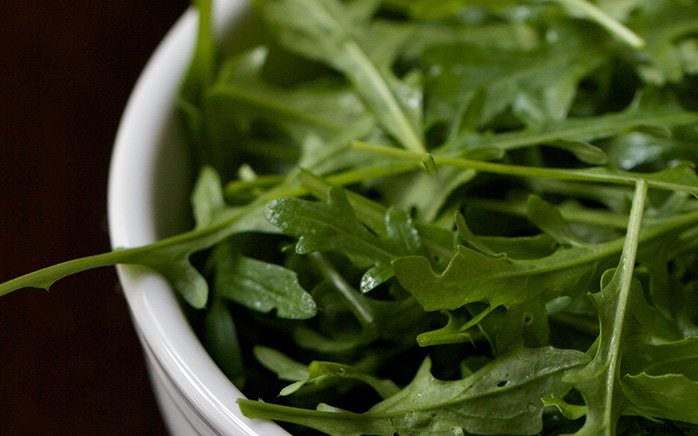
Arugular is known by many names, the most popular being rocket and roquette. It’s usually mixed into a salad with other greens due to its rich and spicy flavor.
Growing Tips
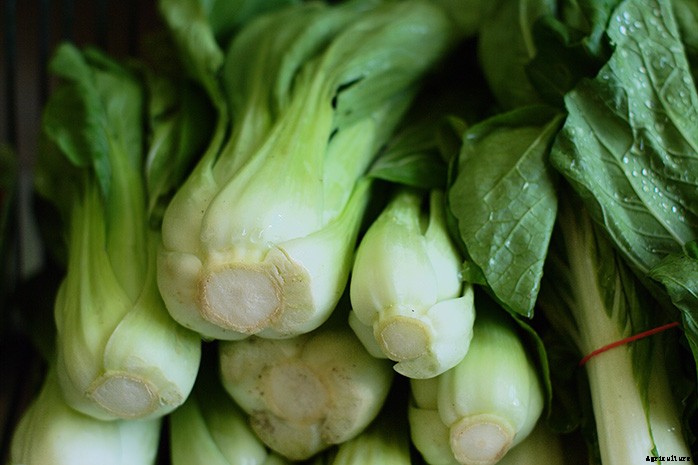
Bok choy is another one of those veggies that goes by many names, the most common being bak choi and pak choi. It’s a cute relative to the cabbage with long, thick stems and dark green leaves. Baby bok choy plants are a staple in salads and cole slaws.
Growing Tips
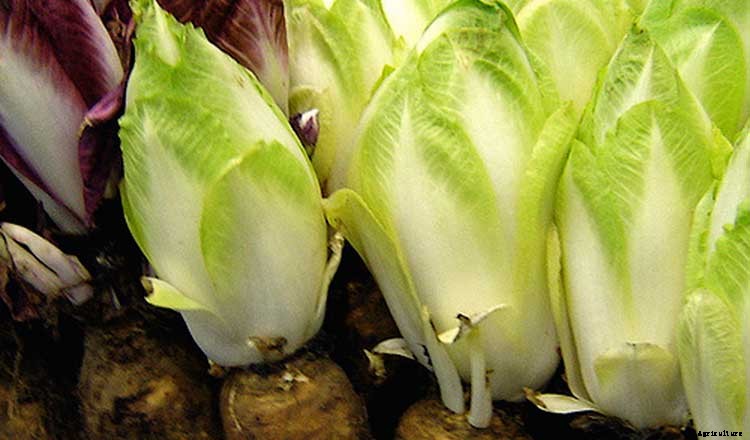
Endives have a light green, frilly leaves that are called frisee in the gardening and culinary worlds. The broader leaved varieties are typically called escarole. They have a bitter taste that can balance out a salad very well. Extremely popular in Europe due to this bitter taste adding some life to otherwise bland dishes.
Growing Tips
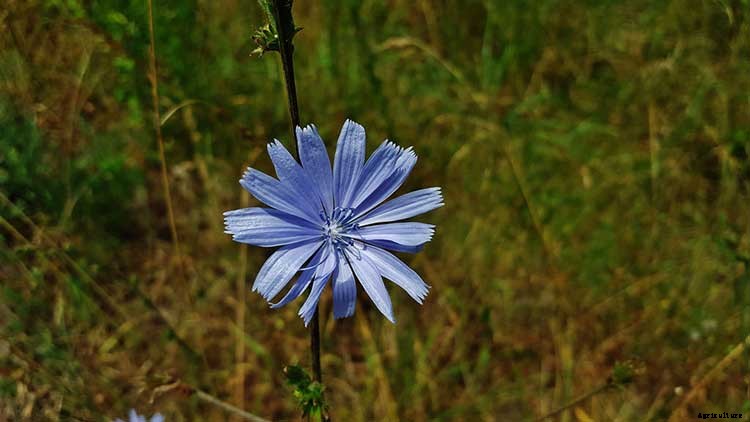
Chicory is a close relative of the endive and escarole. It’s known in some places as witloof chicory, or Belgian endive. It is a great addition to winter salad gardens if it is forced indoors.
Grow similar to endive and escarole.
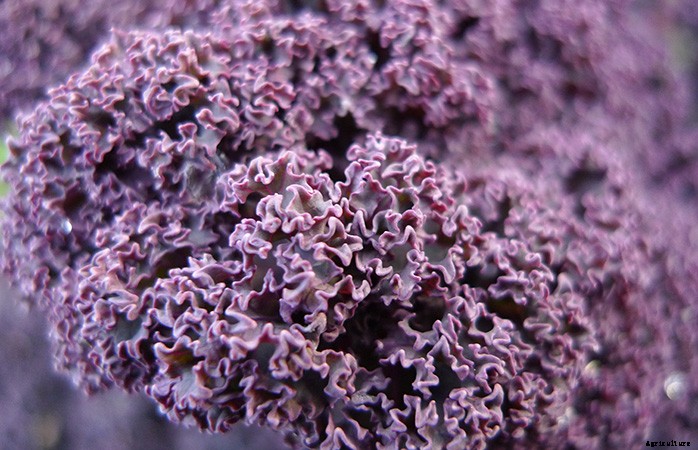
Kale is one of the most popular salad and juicing greens in recent years – and for good reason. It’s extremely nutritious and comes in a large range of colors and styles, from purple to green, and from curly to straight.
Growing Tips
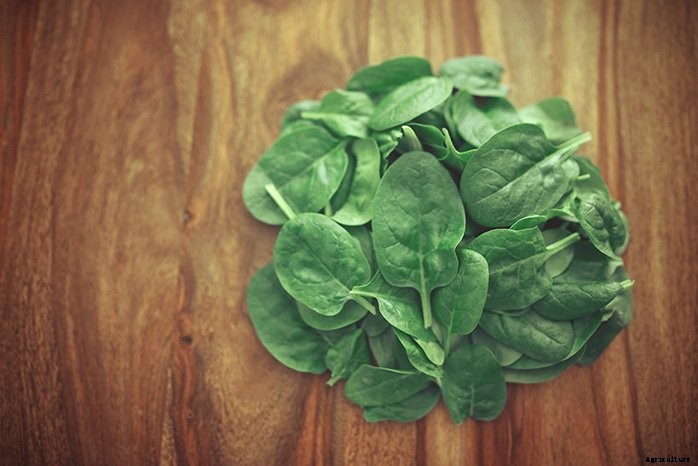
Spinach is a salad staple and can be harvested when leaves are just developing for a baby spinach salad, or when mature for larger leaves. It’s one of the best greens to add to a salad for nutrition, as it’s packed with vitamins and minerals.
Growing Tips
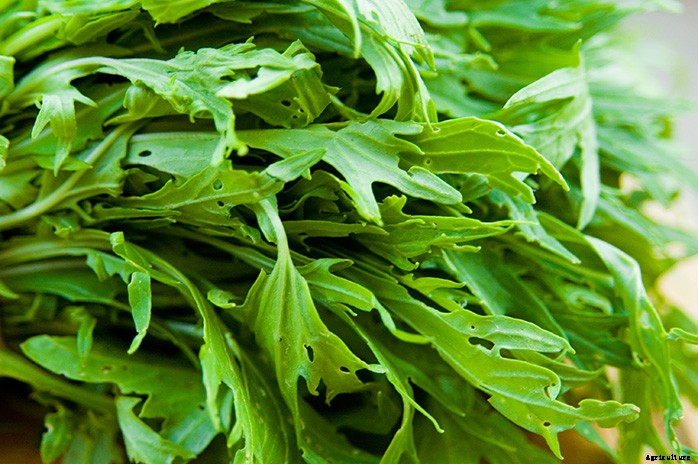
This awesome and cabbage-tasting green is a very fast producer, maturing in a little over a month. It has serrated leaves and is a great minor addition in salads for a little kick.
Grow it like spinach.
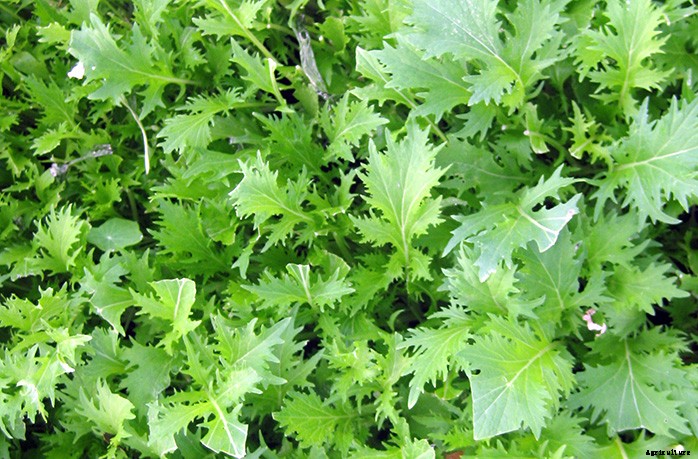
Mustard greens come in all sorts of varieties from red to green, and loose-leaf to headed. Loose-leaf types mature in 45 days and heading types mature in 60-75 days.
All varieties perform well in heat and a light frost, making them easy to grow.
As far as taste, the oriental cultivars are milder, while southern mustard greens have a hot and peppery flavor to them.
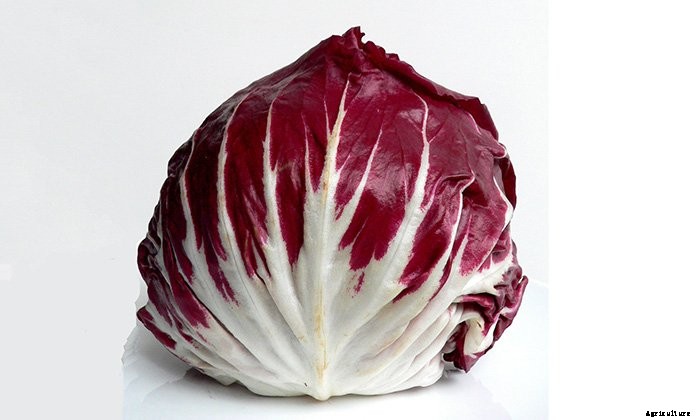
Radicchio is quickly becoming a staple in many salad-lovers’ gardens. It has an amazing visual appeal, with a white base flowing into deep purple leaves. The flavor is cherished in salads that would otherwise be a little bland.
These 9 salad greens are similar to lettuce in how they grow. They prefer soil rich in humus that is moist, but drains well.
They all tend to do well in cooler weather, as hotter weather encourages these plants to bolt to seed or develop a flavor that is simply too strong for most people’s tastes.
If you want to grow absolutely gorgeous salad greens – and who doesn’t – then, cover your rows or beds with a floating cover and leave it in place throughout the entire life of the crop. It seems weird, but it will help your greens stay tender and retain a vibrant color. Only remove the cover to weed or pick off any slugs that you see on your crops.
When seedlings have four true leaves, thin to around 6 inches apart. As far as watering goes, about an inch a week is a good target. Be sure to water in the morning sun so leaves are dry by the time the sun sets.
If you decide now to use a cover, be sure to mulch so the soil remains moist and suffocates weeds.
For even quicker grown, side-dress with a compost tea once or twice throughout the growing cycle.
While these nine salad greens listed above are a great start, if you’re feeling adventurous you should think about adding even more to your salads! All of the plants listed below will add some interesting visual and flavor elements to any salad. In particular, the flowers of nasturtium and chives will both beautify your dish and make it taste absolutely delicious.


