
Welcome to Modern Agriculture!

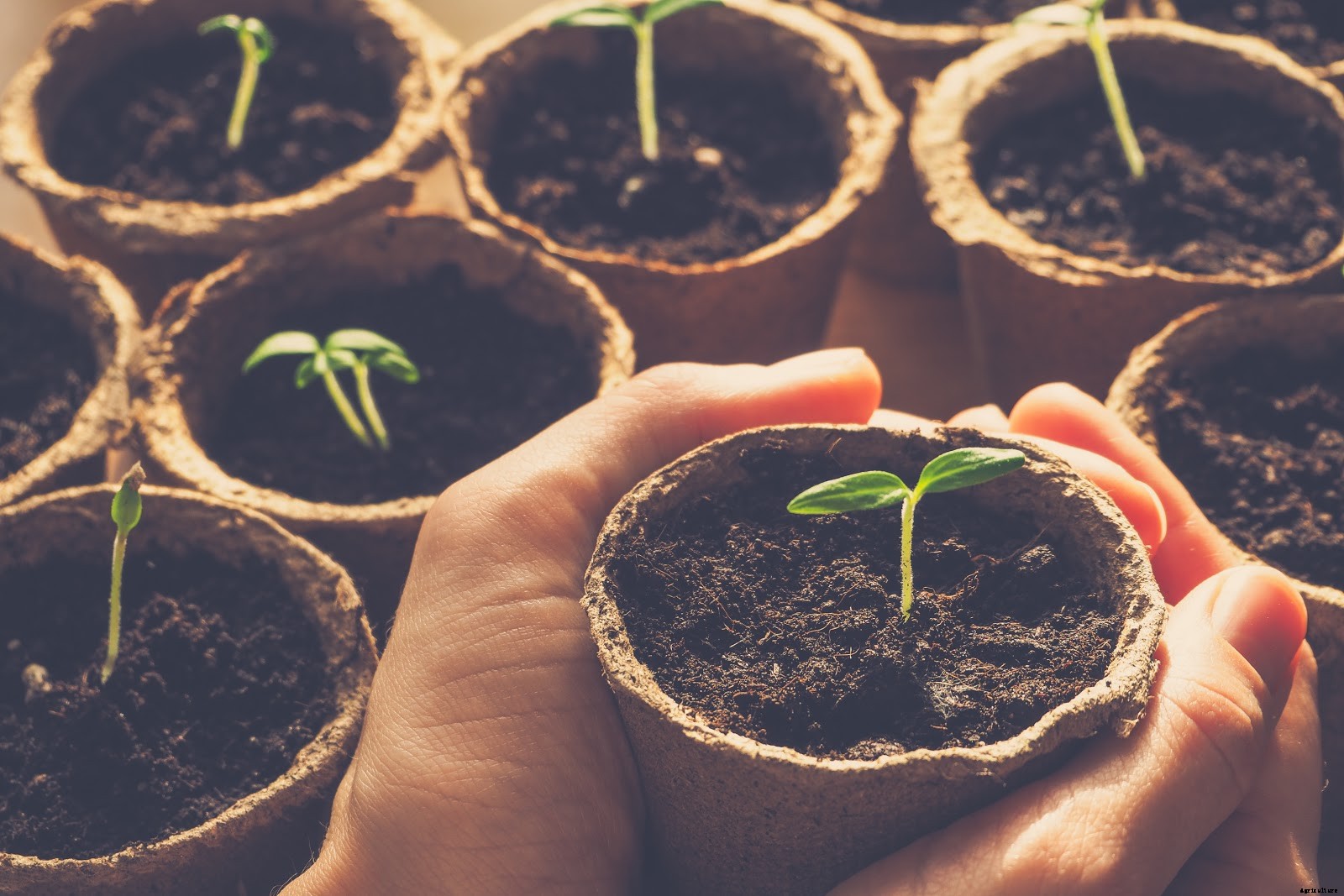
If you’re a gardening beginner, seed starting may sound like a challenging task. In some ways, buying fully grown plants sounds like a much safer and logical option.
However, when talking to veteran gardeners, they all praise the advantages of growing plants from seed. The truth is that seed starting — or starting from seed — is easier than it looks. It also comes with great benefits, especially if you want to start an organic garden and have full control of how your plants grow.
When you opt for seeding, a whole new world of options opens up as you can find any plant species your gardening soul dreams of. You also get to pick a high-quality potting mix — or create your own — and select the growing container where your little seeds will start sprouting.
If you have no idea where to begin, we’ve created this step-by-step guide to give you a head start on this type of gardening. You’ll learn how to begin seed starting indoors, including useful tips and tricks that will help you overcome any challenges that might arise.
For gardening newbies, it can be very tempting to opt for a seed starting kit, which is commonly found in the aisles of your local garden center. While these options are convenient for beginners, they tend to be made of plastic and other non-eco-friendly materials.
Creating your own sustainable seed starter kit is easy, affordable, and a great way to make sure you’re giving your plants the healthiest growing environment for them to thrive. A basic seed starter kit should include the following items:
There are plenty of seed options with different price ranges, but they’re generally quite affordable. You should have no issues getting high-quality organic seeds at an excellent price.
If you’re looking for the ultimate super seeds, check out organic heirloom varieties. As the name suggests, heirloom seeds are old types of seeds resulting from open-pollination by insects, birds, wind, and other natural methods. They are always non-GMO and produce plants with superior taste and high nutrition levels.
One of the best things about starting with seeds is the wide variety of species you can add to your garden, which sometimes aren’t easily found as young plants (seedlings). Plus, one seed packet with at least a dozen seeds is cheaper than a single seedling.
If you’re planning to start a veggie garden, there are a couple of things you should keep in mind. While most vegetables can be started indoors, root vegetables — such as potatoes, beets, onion, and garlic — are best started outdoors in the gardening container where they’ll thrive as adult plants.
The reason behind this is that these veggies don’t like having their roots disturbed, and most won’t survive transplanting, which is the act of moving your baby plants to larger pots. All other plants, such as aromatic herbs, leafy veggies, and fruits (like tomatoes and cucumbers) can be seed started indoors.
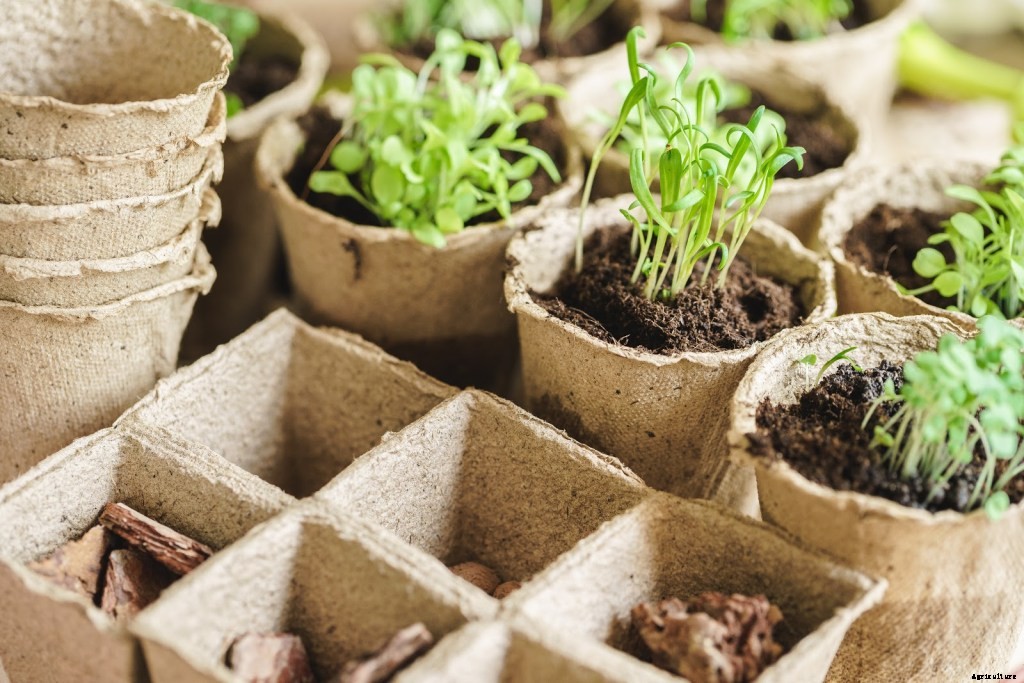
If you do a quick online search about seed starting trays, you’ll find an abundance of options made from different materials. If an organic garden is your goal, avoid plastic growing trays. They may contain harmful chemicals, such as BPA, which can end up leaching into the potting soil and eventually into your beloved baby plants.
Coconut coir pots or peat pots are an eco-friendlier and healthier option to plastic trays. These products are made of sustainable and biodegradable materials that support your delicate young plants’ growth and avoid the need to pull roots when it’s time to transplant. All you need to do is plant the whole thing inside a bigger pot and add your potting soil mix choice.
A surprisingly efficient (and ultra-low-cost) growing tray option is repurposed cardboard egg cartons. Just make sure you make mini-drainage holes using a needle to avoid water logging your plants. Once germination occurs and the first true leaves appear (i.e., the second set of leaves to pop up), you can use a pair of scissors to separate the egg carton cells.
Transplant your baby plants into a larger container or pot until they grow into young seedlings and then move them outside once the outdoor conditions get warmer.
Now that you’ve picked the seeds and their housing, it’s time to select the soil where your plants will grow.
If you’re investing in good-quality organic seeds, you’ll want to get an organic potting mix. Specialized gardening brands offer an array of potting mixes explicitly tailored for seed starting.
A high-quality seed starting mix should be:
Note: Most potting soil mixes also include perlite and vermiculite to support proper aeration and moisture retention. These substances are naturally found in nature but are not renewable resources. If you’re trying to introduce sustainability into your garden, you may want to avoid them.
If you’re unsure which soil to go for, reading the back of your seed packets can help you decide. They provide useful information such as sun preferences, water needs, sowing depth, and appropriate spacing between seeds when planting.
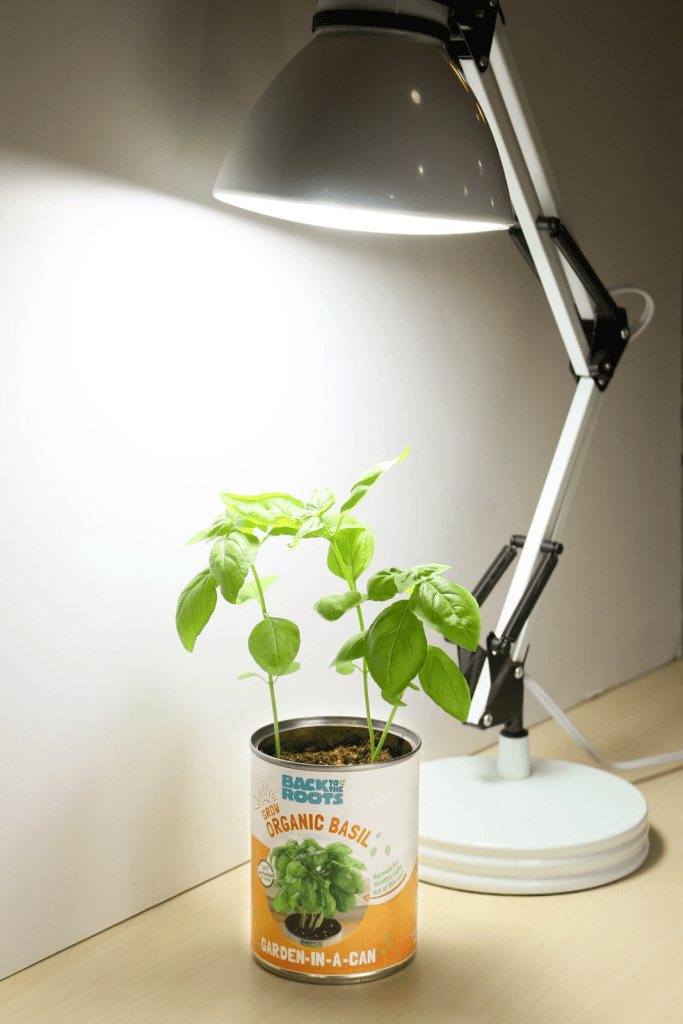
Although you can successfully start seeds with just the three items mentioned above, there are a couple of other things that can speed up the germination rate of your seeds. This is especially true if you live in a cold climate and can’t provide your plants with enough warmth to kick-start the sprouting process.
Be aware that plants need six to eight hours of sunlight daily, and the optimal temperature for seed germination is between 65° to 75°F. If your house cannot provide these conditions, here’s how you can support your plants:
The goal of seed starting indoors is to get them ready to move outdoors once the weather begins to warm up. But before you start seeding, consider the following:
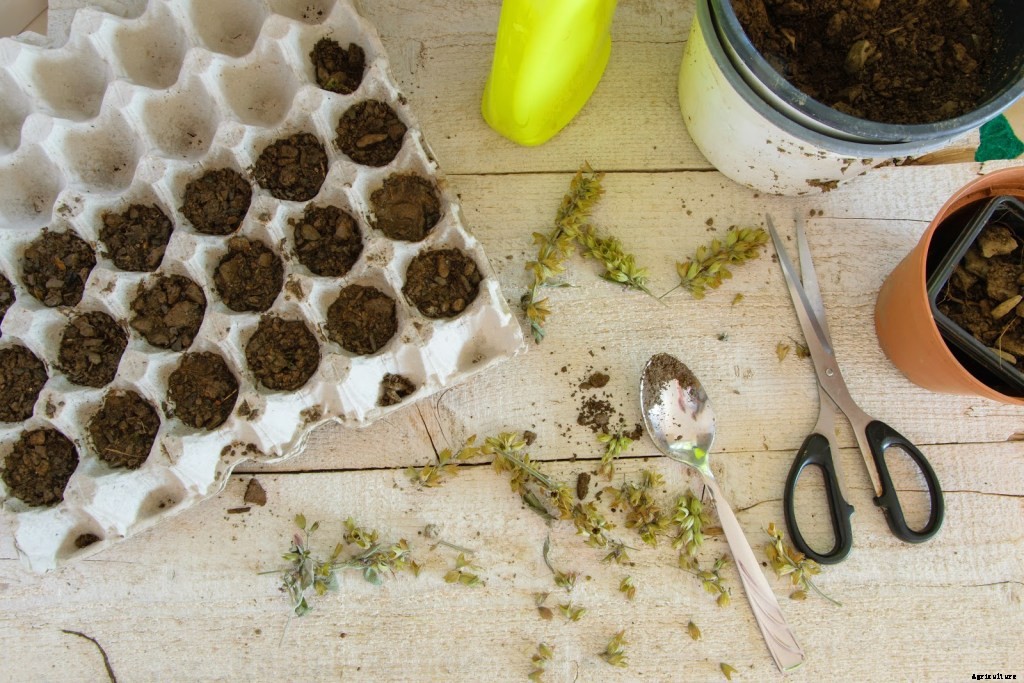
Now that you have all the elements to kick off your first seed starting attempt, it’s time to roll up your sleeves and actually get started.
There’s nothing quite like watching a little seed you’ve sown come out of the ground. Something that once looked like a dry, lifeless small pebble turns into a green, vibrant plant full of potential.
Seed starting is a great way to boost your gardening confidence, especially if it’s your first time. For more helpful details about veggies and seed starting, check out our comprehensive guide to the easiest vegetables to grow for some inspiration.


