
Welcome to Modern Agriculture!

Estimated reading time: 8 minutes
Have you ever looked around the house and come to realize that you have a lot of plants? Well, that’s what happened to me recently. Further, when I looked at the placement of my plants, there was no rhyme or reason for their organization. Thus began my quest to find simple styling tips for indoor houseplants.
Why so many plants? Like many people, I put a renewed focus on houseplants during the pandemic. And why not, plants can not only purify the air but also have a positive impact on our mood by reducing stress. Ok, so now let’s focus on seven simple styling tips for indoor houseplants.
Before you go out and buy a plant, evaluate your space from a light perspective. Some plants need bright light, and some will tolerate low light.
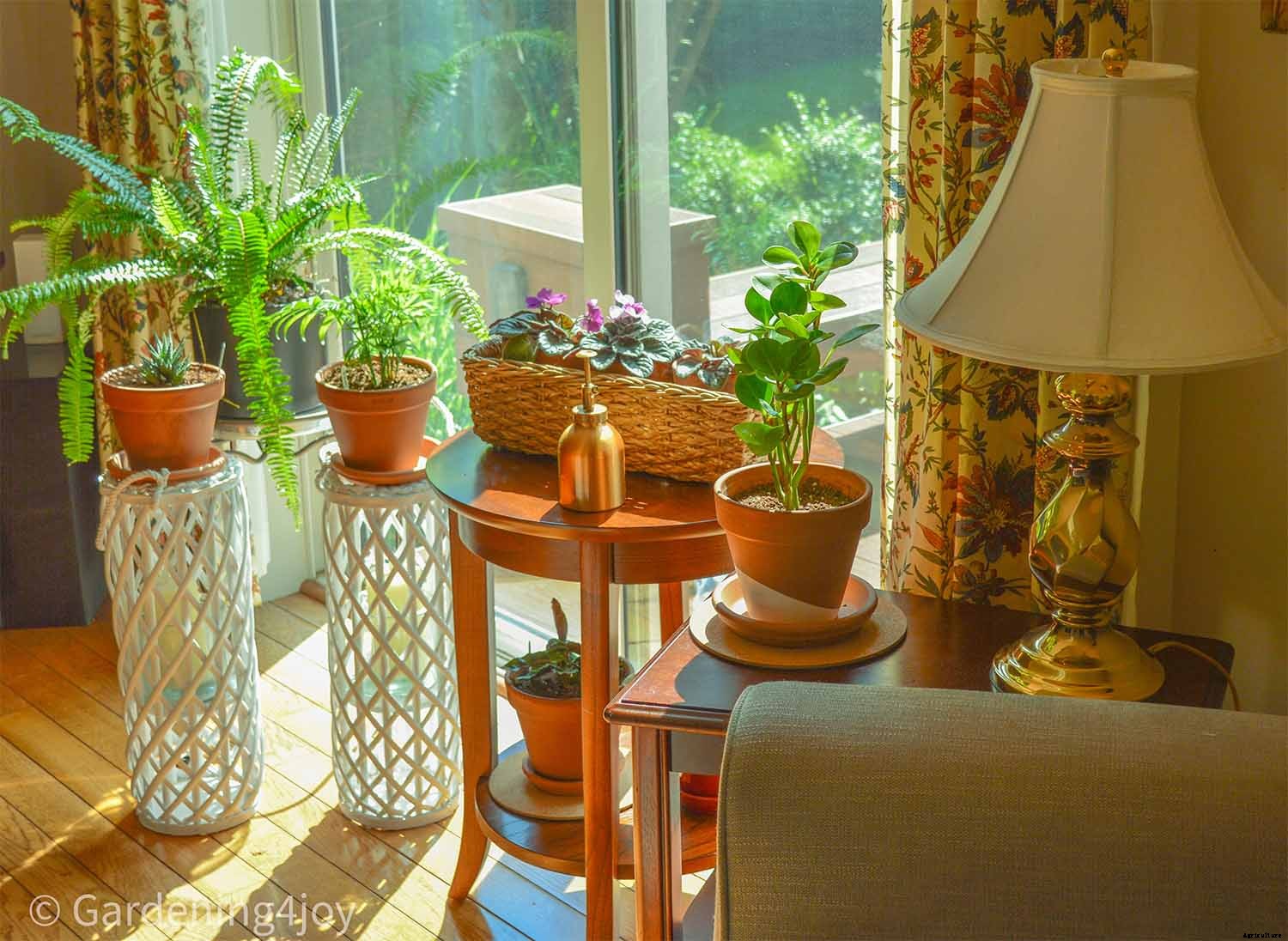
Plants can also be impacted by temperature and humidity. Avoid placing plants near heat and air conditioning ducts. If a plant has a high humidity requirement, then keep a spritz bottle near the plant and spritz daily.
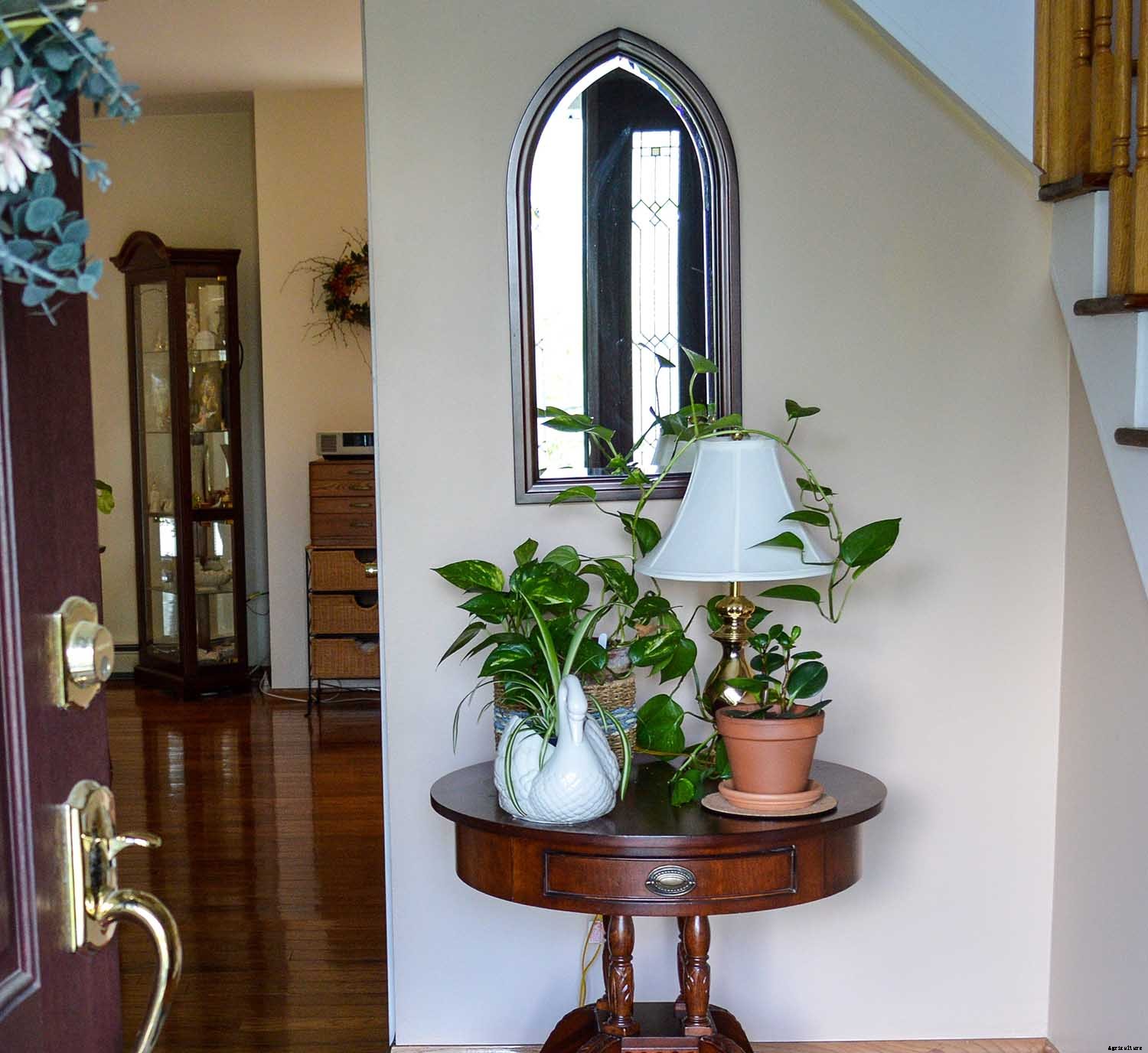
This rule states that items arranged in odd number grouping of three are more effective, pleasing, and memorable for the eye to land upon. Other odd number groups five, seven, or nine also work, however, three seems to be the magic number. Here are a few additional tips when arranging plants in odd number groups.
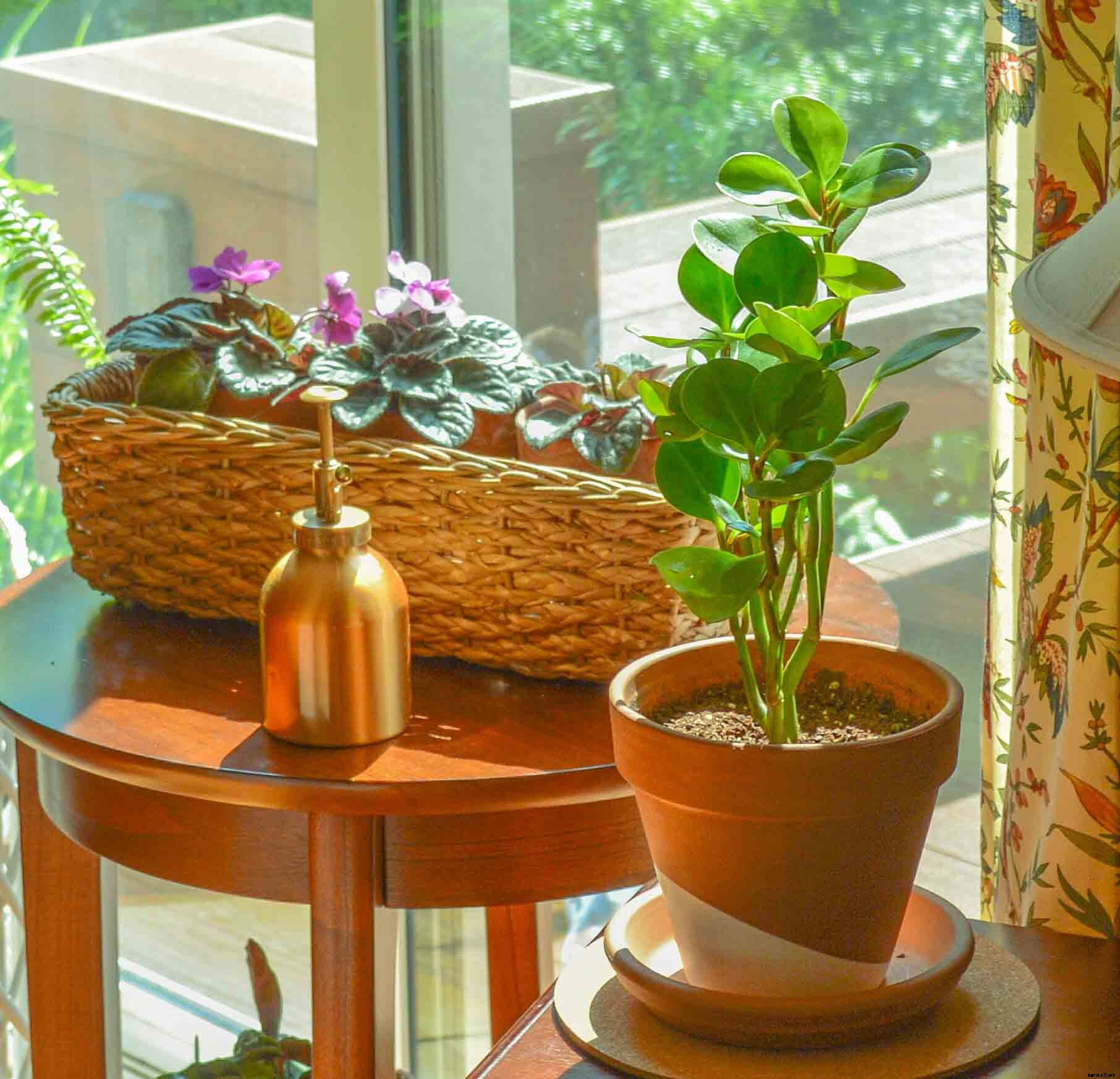
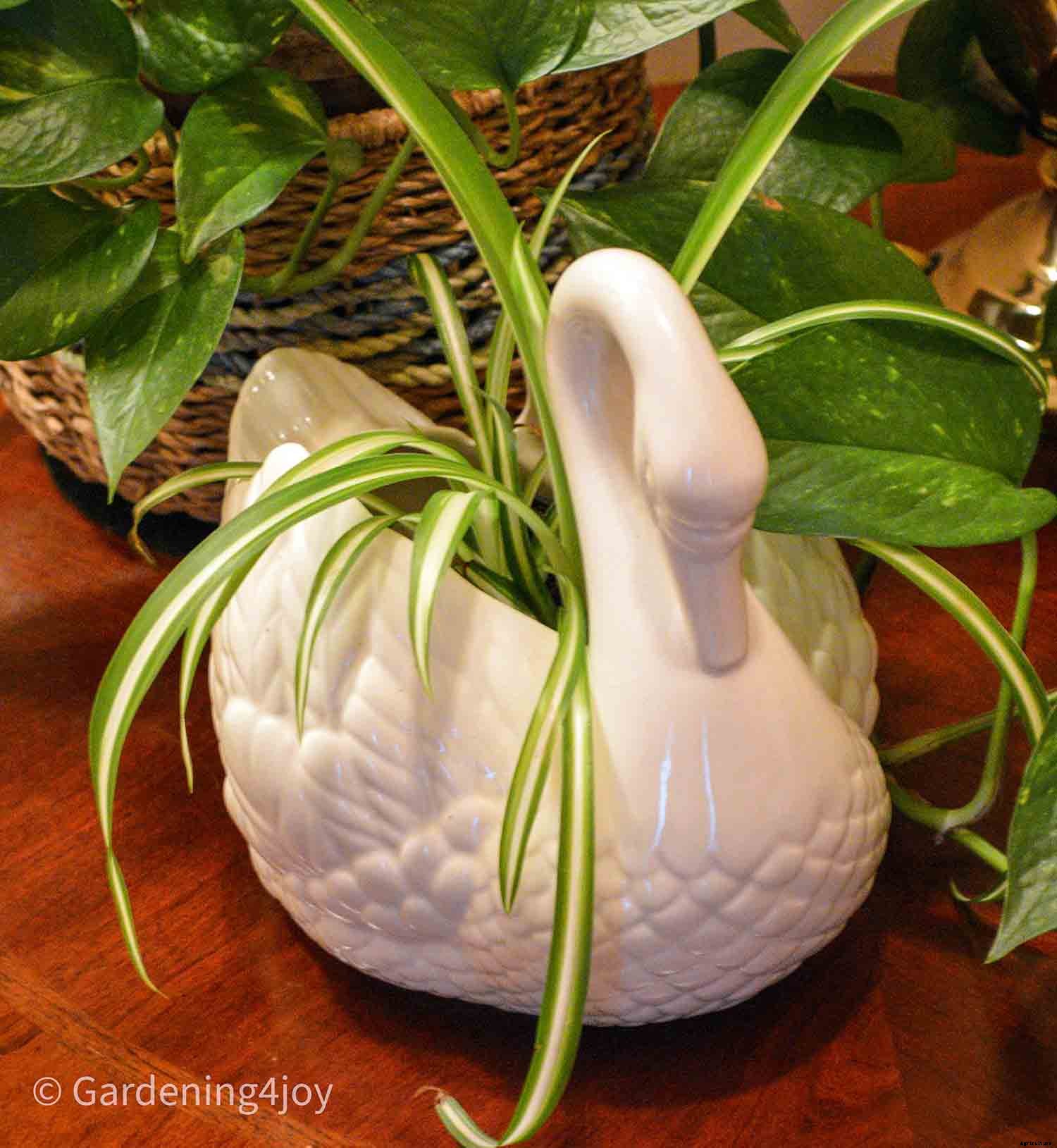
Think about the objects that are around your plants. For instance, in my entryway, I placed a spider plant in a lovely ceramic swan. The swan and spider plant seem to complement each other with the white lines of the spider plant blending nicely with the swan. In another case, I keep my plant spritz bottle near plants that like a greater humidity. Besides being functional, it is also a pretty accent piece to display.
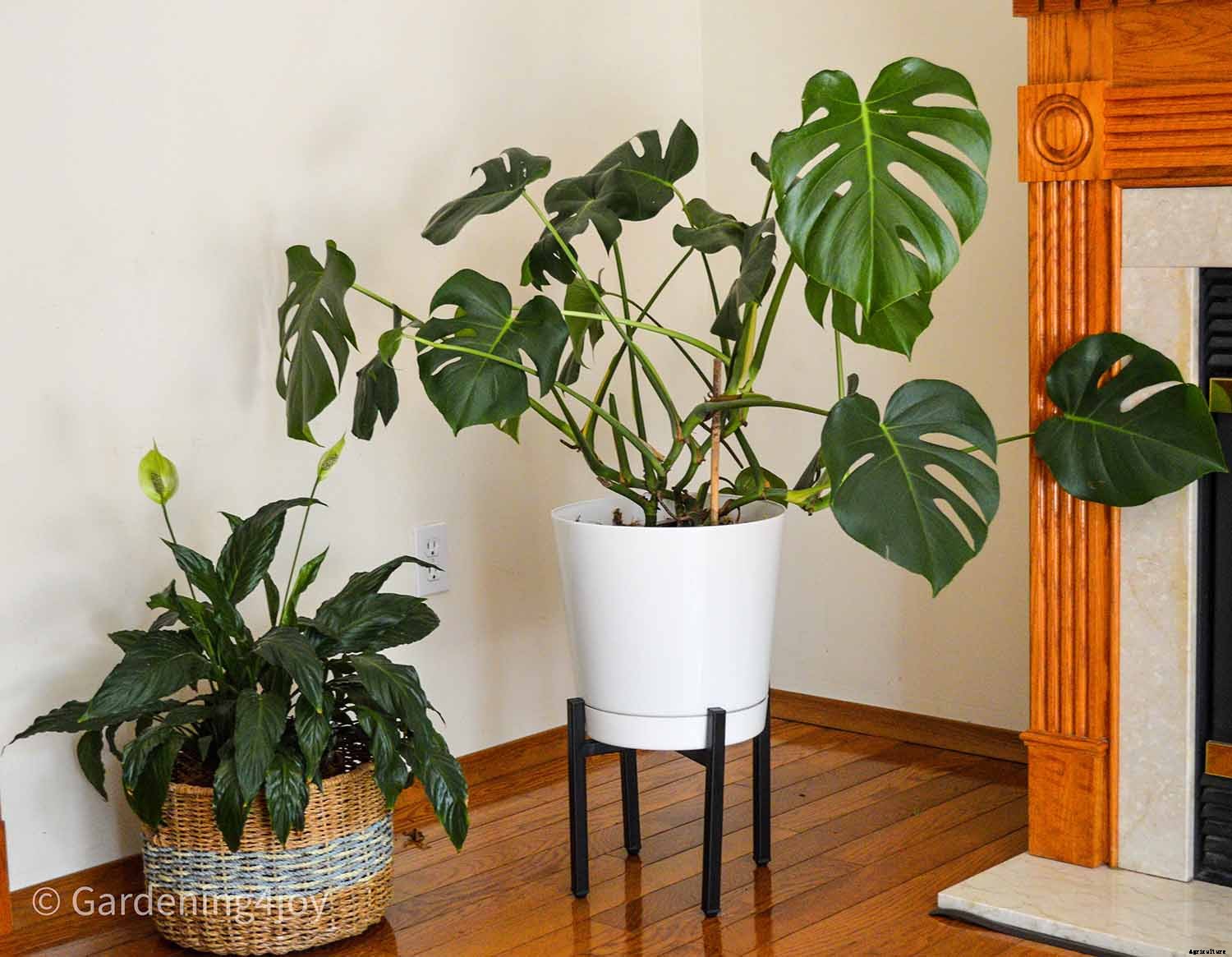
Plants are great for filling space and becoming the focal point in a room. A large Monstera deliciosa, one of the most recognizable plants in the design world, fills that role in our living room. While there are other plants in proximity, the Monstera takes center stage due to its size. In addition, large plants are great choices for filling a corner.
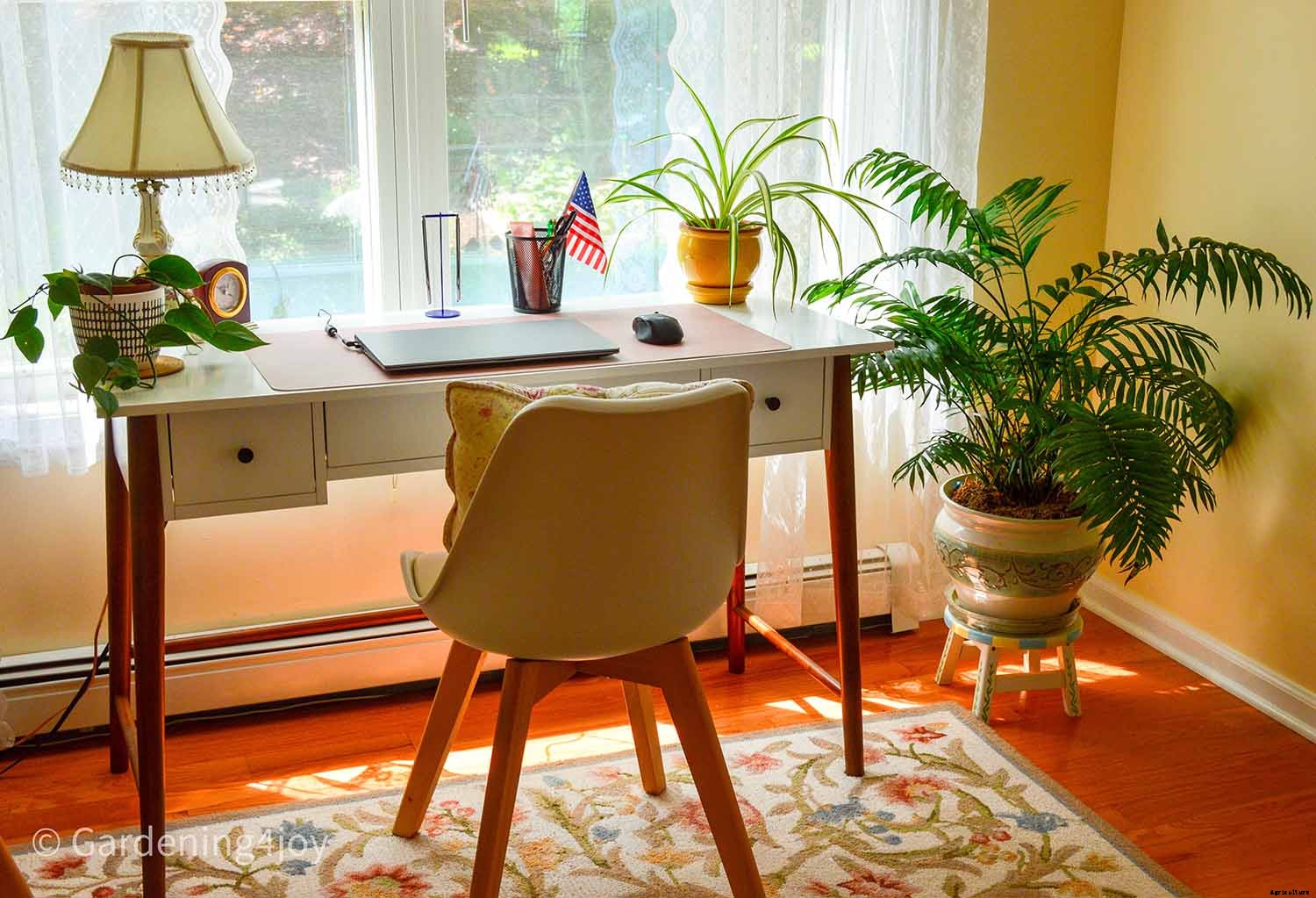
In my home office, I have a palm tree (see at the end of this post) that fills the space next to the desk. While it also is a focal point, it’s not quite as dramatic as the Monstera.
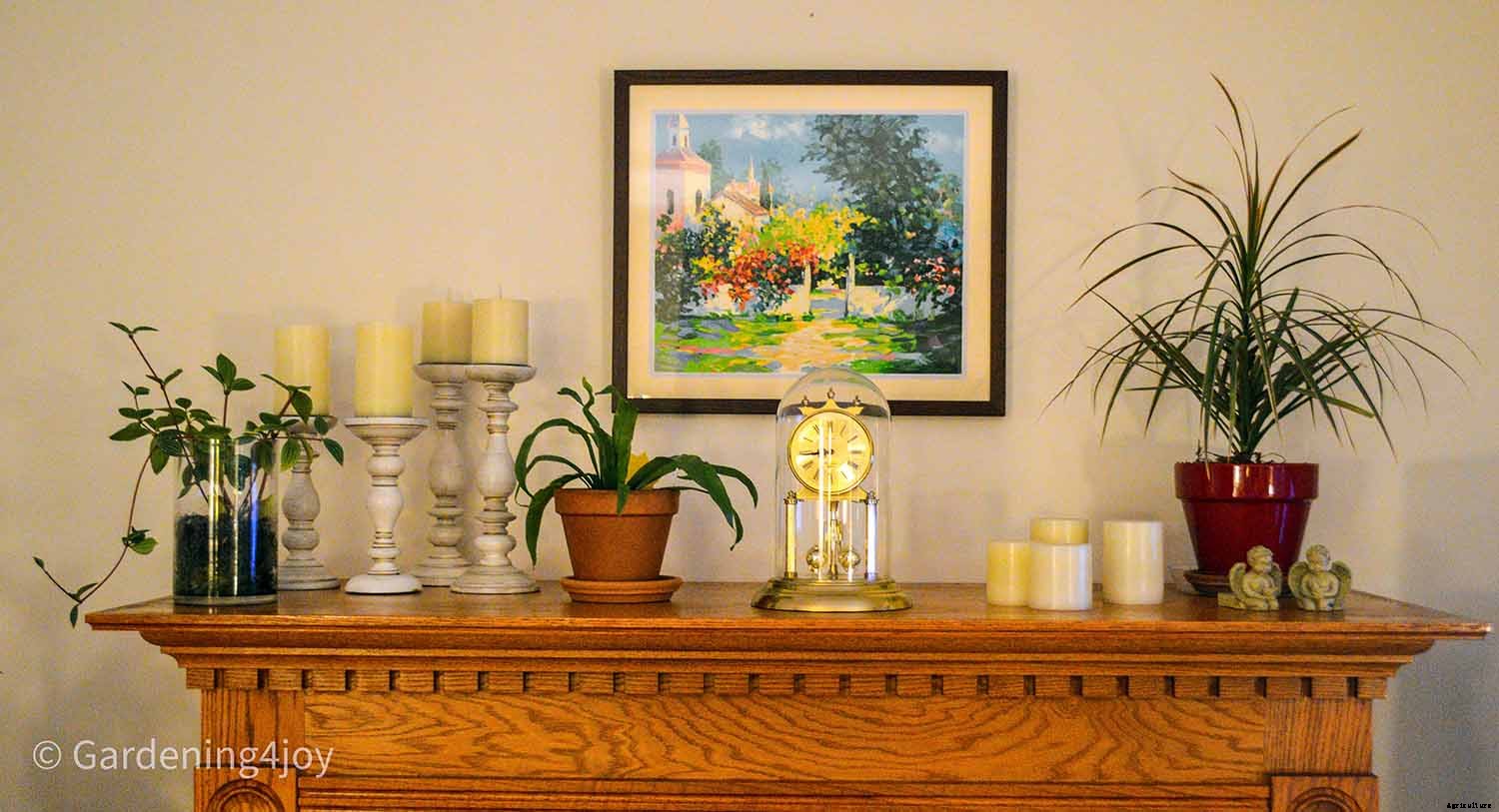
In her book ‘Decorating with Plants’ by Baylor Chapman, she has a section on styling a bookshelf. In that section, she discusses styling with the following three types of plants.
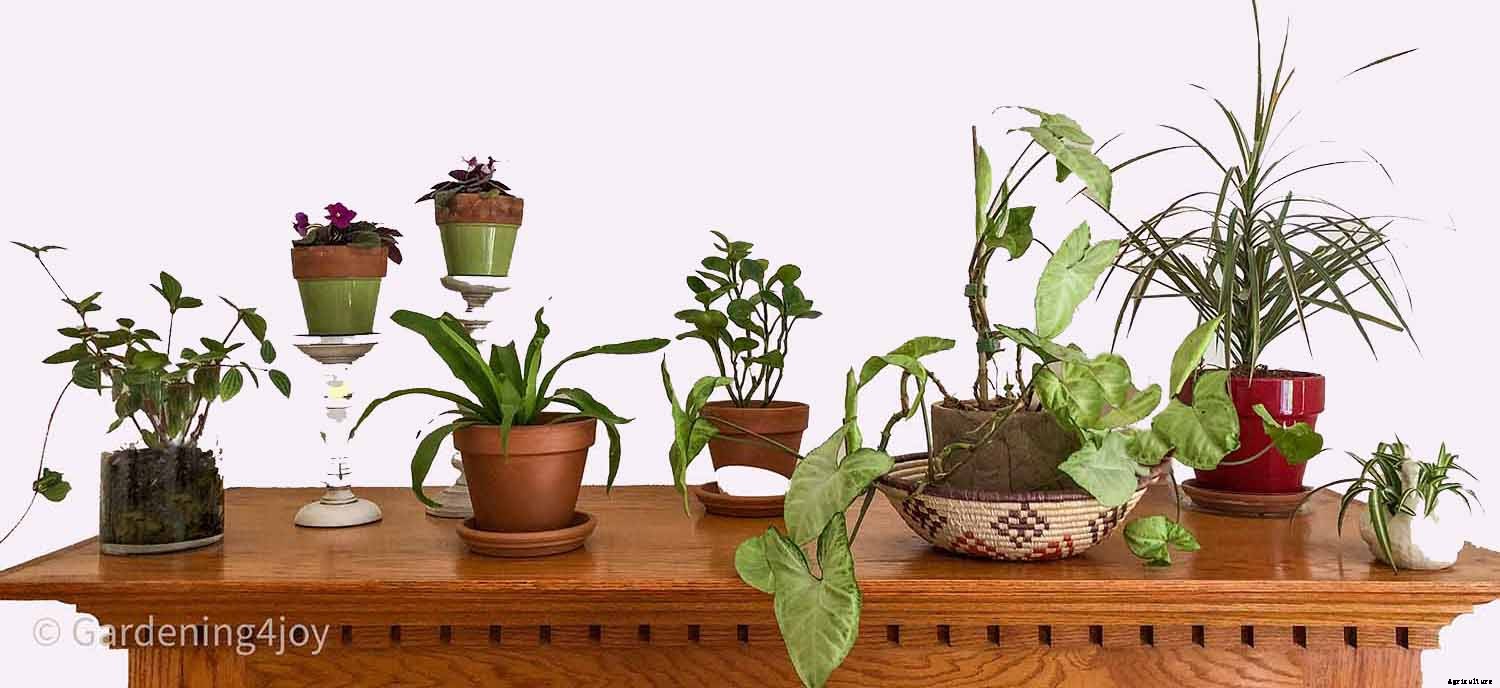
I include this as a tip because so many times we seem to have a shelf, bookshelf, or table on which we are placing plants. On the top of my fireplace, I followed this tip. The airy plant is the tropical-like Birds Nest Fern (center) with its light green wavy leaves. For a draping plant, I placed an Ivy Peperomia (left) on the edge of the fireplace. Love the heart-shaped, dark green leaves of the Ivy Peperomia. Finally, the Madagascar Dragon Tree (right) with its slim draping leaves acts as the structural plant due to its height.
Besides the overall form of the plant, it’s also good to vary the height of plants on a shelf. You can do this by mixing plants of different heights. Further, you can accomplish this look by placing plants on plant stands or stacks of books.
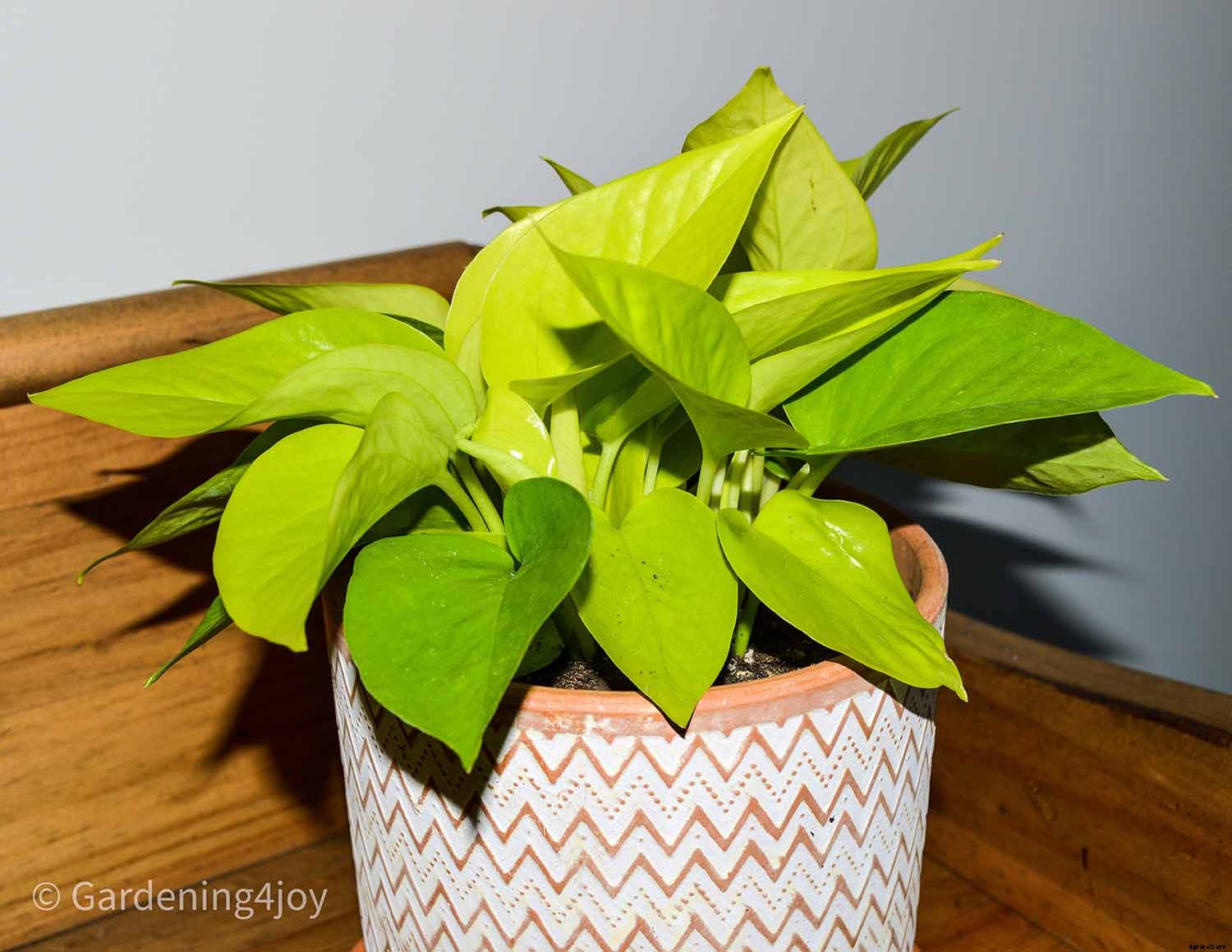
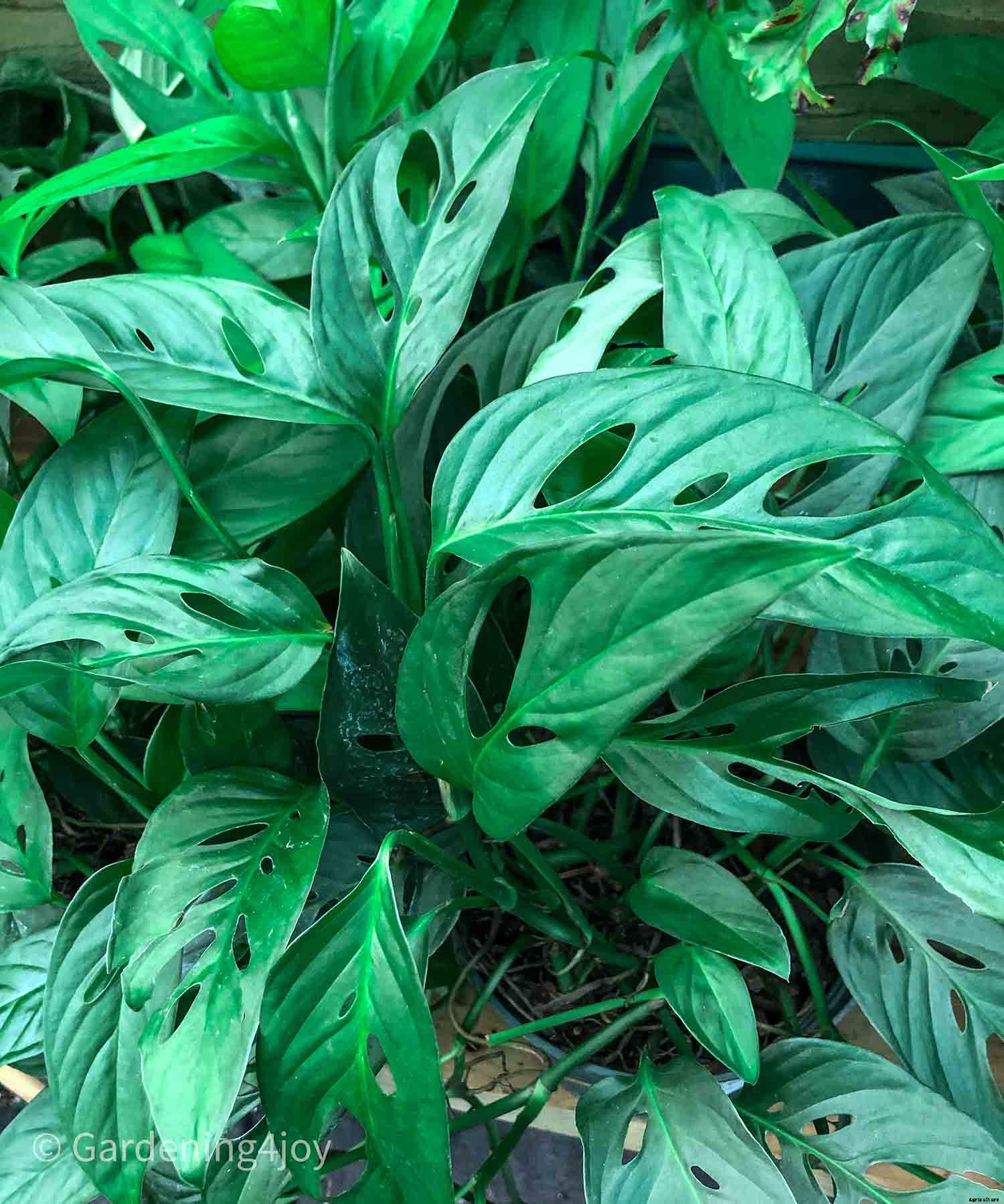
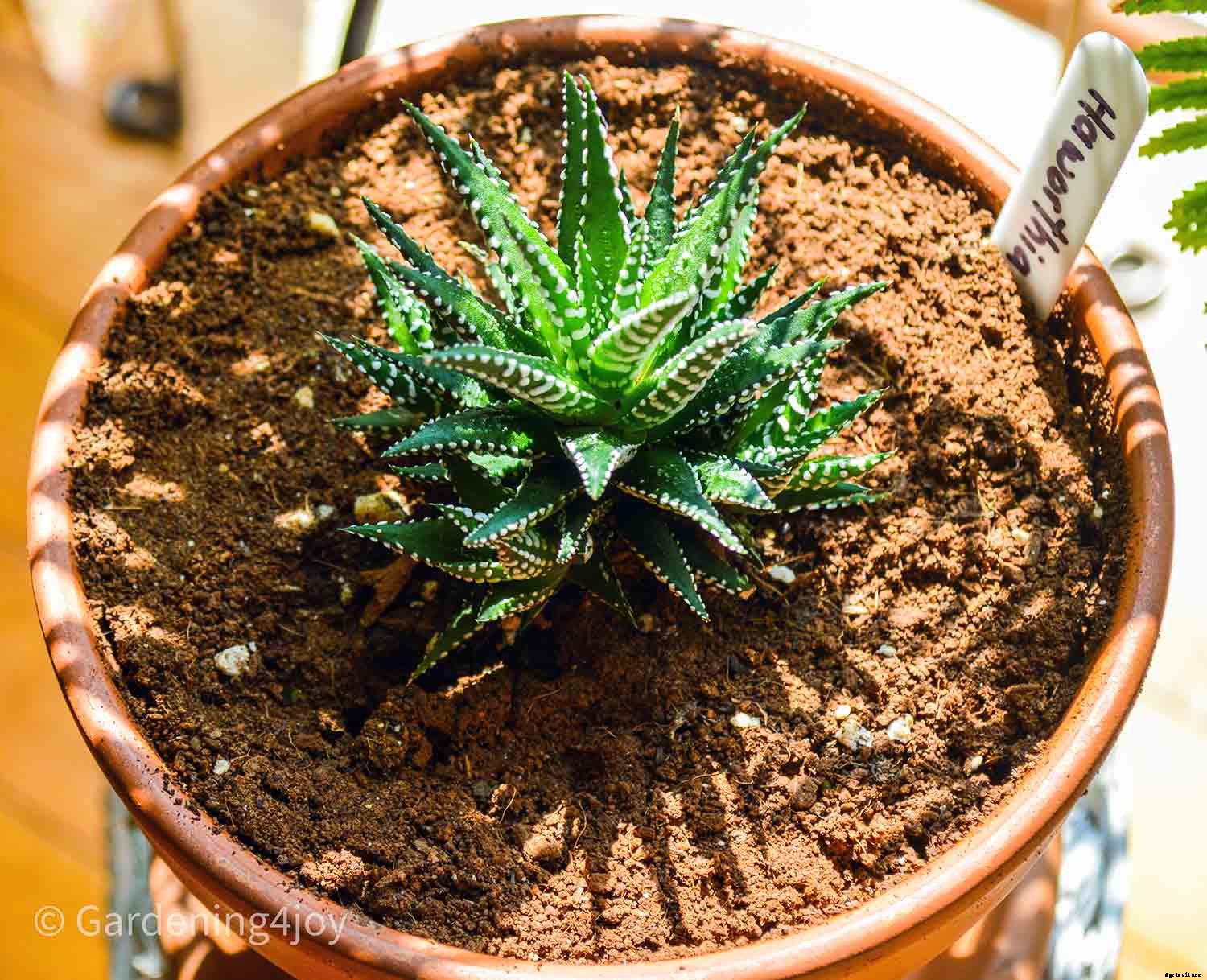
Choosing plants that are unique can act as a conversation piece. Here are three unusual plants that I love.
Choose containers that mimic your style but don’t take away from the plants. You want your plants to shine. Here are some ideas to consider:
I hope you find these seven simple styling tips for indoor houseplants to be useful. I love the coziness, companionship and style that plants add in a home. As plants grow, they continue to change the look and feel of the original style. Don’t be afraid to rearrange your plants, I find myself doing it all the time!
