Getting started with seeds, 4 secrets for successful seed starting
To keep things simple, let’s focus on 4 secrets for successful seed starting. Consider this a ‘primer’ to seed starting. At the end of this article, I provide links to additional resources to provide more in-depth information.
Secret 1: Use the right tools
Seeds are amazing and will often grow despite the practices and tools used. However, if you want a higher probability of success, having the right tools is crucial. Here are the most important:
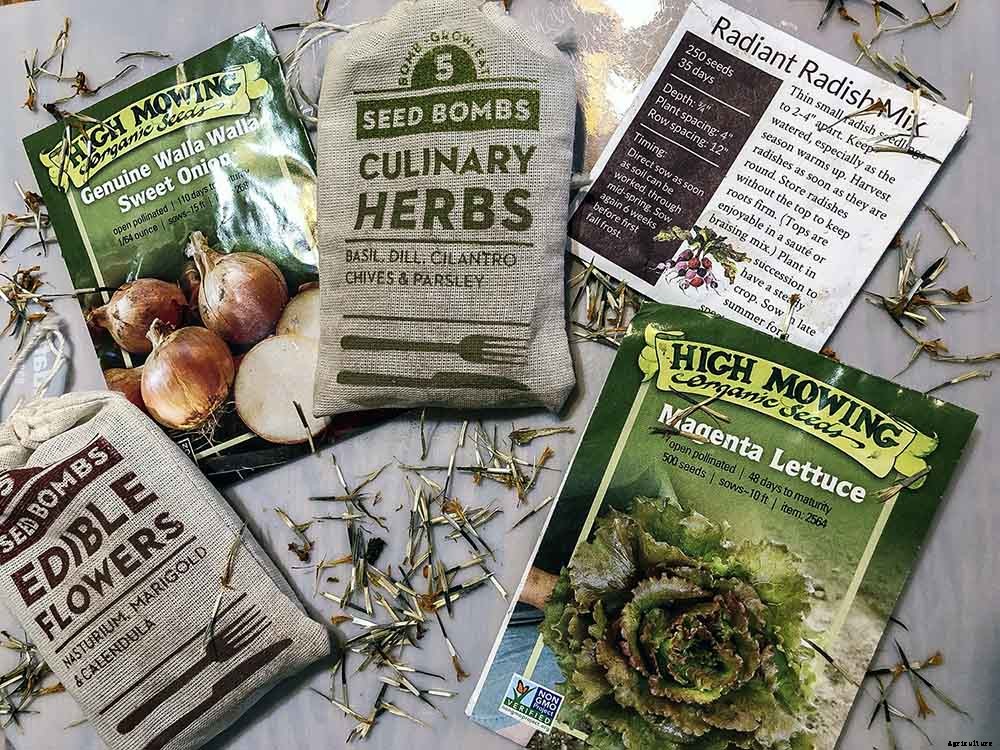
Seeds – Start with fresh quality seeds that have been packaged for the current growing year. Somewhere on the seed packet will be the date the seed was packed.
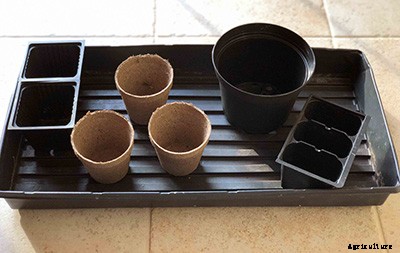
Containers – Lots of flexibility here. Use any container that provides good drainage. When reusing containers, make sure to disinfect with a mixture of 1 part bleach to 9 parts water.
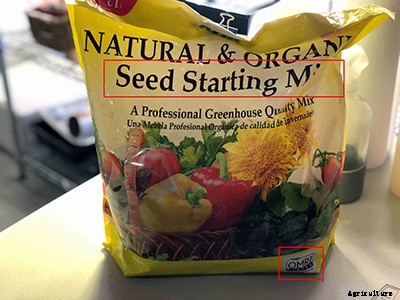
Growing Medium – Use a growing medium that is specifically formulated for seed starting. The package should state ‘Seed Starting Mix’. Never use soil from the garden due to the danger of introducing disease or pests.
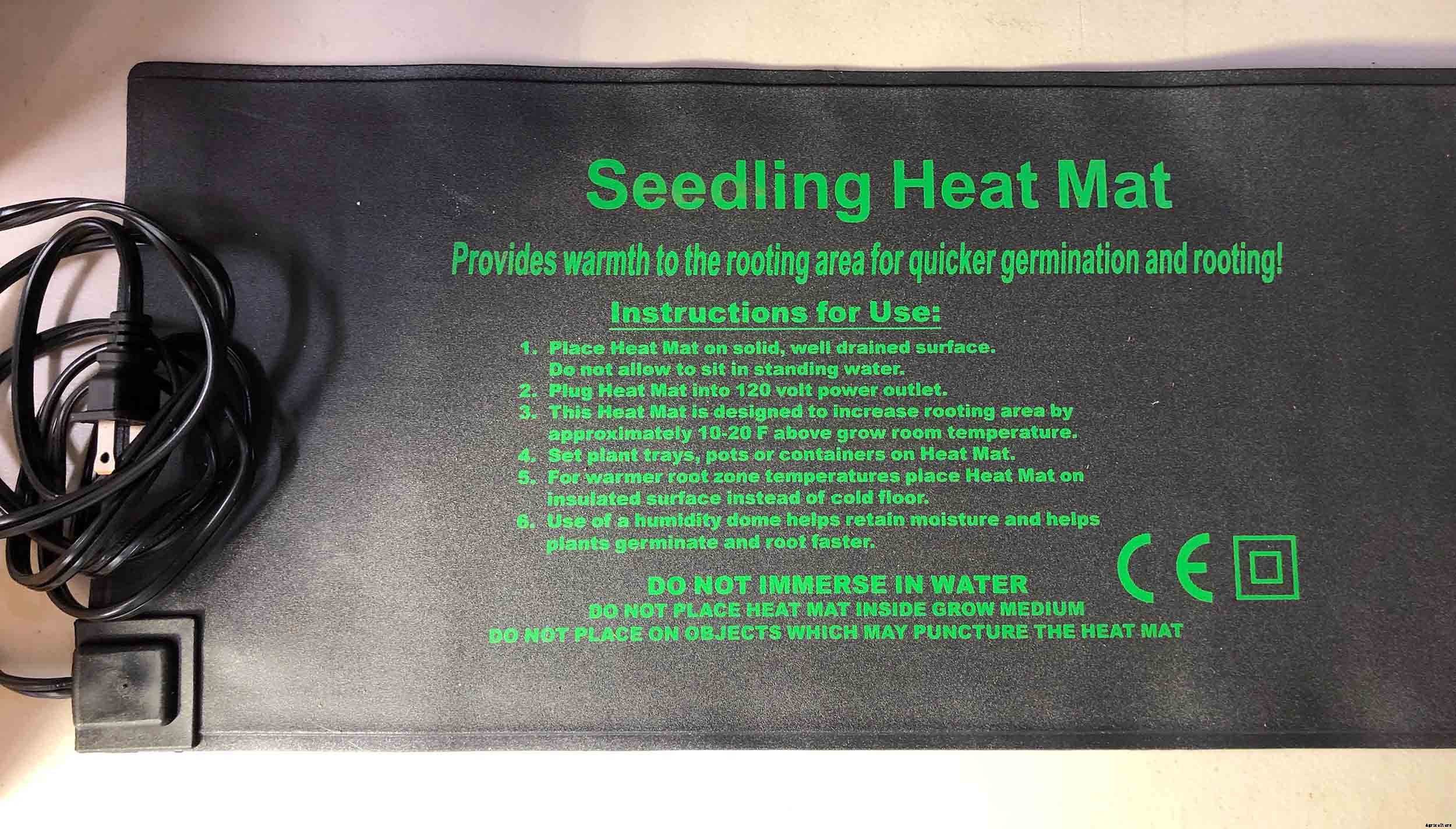
Seedling Heat Mat – This is a mat upon which the seed containers are placed. The mat will warm the soil to a temperature between 65-75 degrees. Warmth is key to germination.
Grow Light – Simply put, a grow light is an artificial light that helps plants grow. With a grow light, you are trying to mimic the sun. The most common grow lights are either fluorescent (T5, T8, T12) or LED.
For many years, I did not have the right tools for seed starting. This first, of the 4 secrets for successful seed starting, can really bring your seed starting to a new level.
Secret 2: Know the difference between cool and warm-season vegetables
Vegetables are classified as either cool-season or warm-season crops. Why is this important? Because this classification will determine when to start plants from seeds and when to plant outdoors.
Cool-Season – These are the first crops to plant in the garden. Cool-season crops can withstand and even thrive in cool temperatures. Therefore, plant these in spring and again in the fall. Some crops, such as kale and brussels sprouts can even withstand frost. Cool-season vegetables include asparagus, beets, broccoli, Brussels sprouts, chives, cabbage, carrots, cauliflower, Swiss chard, kale, leek, lettuce, onion, parsnips, peas, radishes, spinach, and turnips.
Warm-Season – These are crops that cannot be planted outdoors in the garden until after the last frost for USDA plant zone (seed below). They require both warmer air and soil temperatures. Warm-season vegetables include beans, corn, cucumbers, eggplant, melons, peppers, zucchini and summer squash, pumpkin and winter squash, sweet potato, tomato, watermelon.
The timing is dependent upon your zone. Here is a good resource, based upon your zip code, from the Farmer’s Almanac for when to plant which vegetables in your garden.
Secret 3: Understand the first and last frost dates for your location
Temperature
10%
20%
30%
40%
50%
60%
70%
80%
90%
32°F
20 May
15 May
11 May
8 May
5 May
2 May
29 Apr
25 Apr
20 Apr
Why are frost dates important and what are the benefits you might ask? Timing for seed starting is dependent upon frost dates. Frost dates provide guidance for when to plant in a geographic area. So, two of the biggest benefits are garden planning and risk mitigation. Using frost dates, you can plan when to start seeds and plant warm-season crops in the spring and when to start seeds and plant cool-season crops in the fall. Thus, you reduce the risk of damage or loss to crops. What vegetable gardener doesn’t want that!
To understand the dates for your location, launch this link from the National Gardening Association and enter your zip code.
Frost dates are displayed via charts and are estimates based upon probabilities. Therefore, multiple dates are given based upon the probability of frost occurring on various dates. Let’s look at the chart above. There is a 50% probability frost (32°F) will occur on May 5. However, there is a 90% probability that frost will occur on April 20. Gardeners can use this information to set their planting schedule. For me, I will not plant my warm-season vegetables until after the last frost date of May 20.
Secret 4: Get organized with planning
From my experience, planning is the first and most important activity for any project. Let’s face it, gardening is a project. So, remember a little planning goes a long way. Planning will be based upon a couple of key constraints:
What you want to grow – Consider this is your ‘wish’ list. However, before you purchase seeds, remember that space and sunlight will dictate what you can actually grow.
Space – Determine how much space you have. Your space can be any combination of containers, raised beds, and in-ground beds. Next, read seed packages to understand plant spacing requirements. These requirements will determine how many plants fit in a particular space. Here are some plant space examples:
24-inch spacing: plant one plant per 2 square feet (tomato, eggplant)
12-inch spacing: plant one plant per square foot (pepper, kohlrabi)
6-inch spacing; 4 per square foot (lettuce, spinach)
4-inch spacing; 9 per square foot (carrot)
2-inch spacing; 16 per square foot (radish)
Sunlight – The amount of sunlight you have in your gardening impacts what you can grow. If your space gets at least 8 hours of sunlight, you can grow most vegetables. If your space gets less than 6 hours of sunlight, you may be restricted in what you can grow. Here are some general guidelines:
8 hours/day – Fruit Vegetables (tomatoes, peppers, cucumbers, squash)
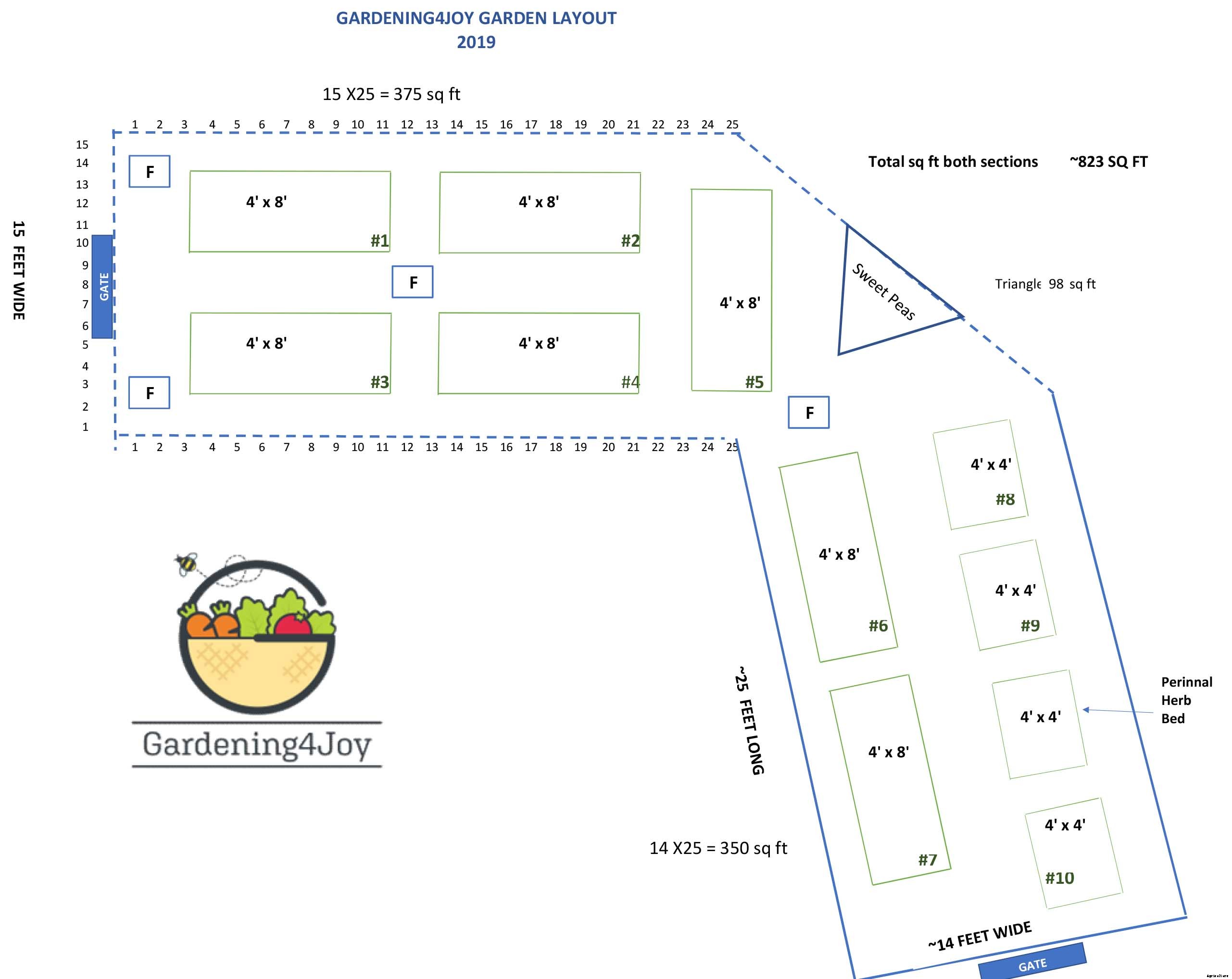
My planning process includes the following 5 steps. First, I draw a picture of my space or spaces. Second, I write in what and how many plants I will grow in each space. Third, I check my seed inventory. Fourth, I purchase any seeds I need. Fifth, I determine the timing of seed starting based upon cool and warm-season vegetables.
Conclusion and resources
There you have it, 4 secrets for successful seed starting. Here are links to more in-depth information on the above topics:
Five steps to starting a vegetable garden
The complete guide to starting seeds indoors
Understanding the USDA Plant Hardiness Zone Map
Using first and last frost dates to plan your garden