
Welcome to Modern Agriculture!

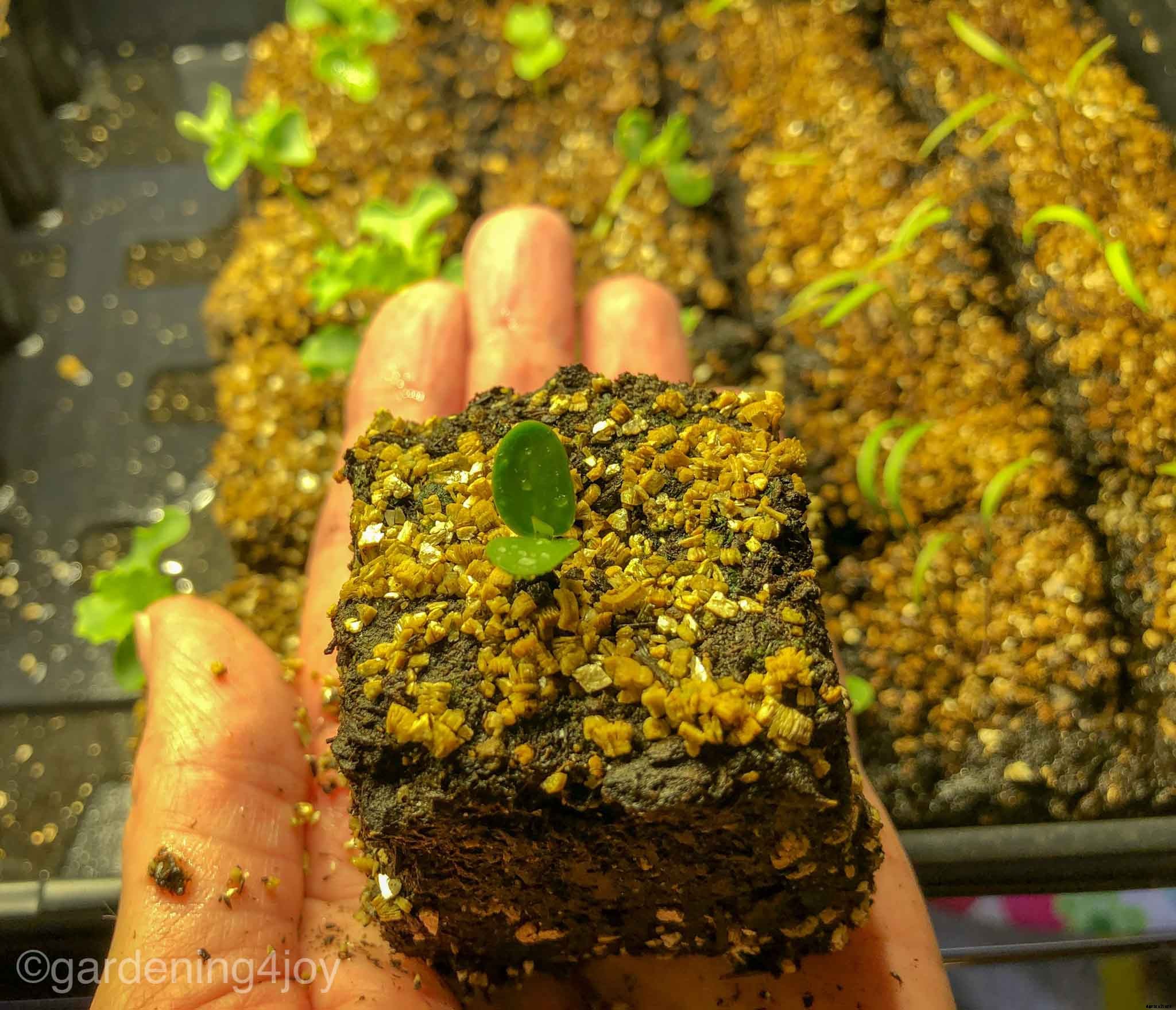
I first discovered soil blocking upon reading Eliot Coleman’s book “The New Organic Grower”. What I especially like is the fact that soil blocks can be transplanted directly into the garden. What is a soil block? Simply, a soil block is both container and growing medium and is formed by compressing the soil via the use of form. Above all, the growing medium is critical because it ensures that the ingredients are bound together when ejected from the form. Below are the benefits of using soil blocks:
Let’s take a closer look at the two key components needed to make soil blocks: soil block maker and the blocking mix.
View the video below to see how to make the blocking mix, how to make the soil blocks and how to plant seeds within the soil blocks.
Soil block mix can be bought or made. You can purchase soil mixes that have been formulated to have the fibrous content needed to make soil blocks. Read the label on any pre-made mix to determine whether it was formulated for making soil blocks. There are two pre-made mixes that I have used with success: (1) Vermont Compost Company Fort Vee mixture and (2) McEnroe Organic Farms Premium Organic Potting Soil. However, the challenge is finding retail outlets that carry these brands because shipping is not practical. While there are likely other brands on the market, I know these work.
A second option is to make your own mix. The recipe below has been adapted from Eliot Coleman.
Five Quart Soil Block Recipe Mix Yield: 32 2-inch soil blocks
First, mix all ingredients together. Next, slowly add the water, one-third at a time and mix together with your hands (gloves recommended). Mix thoroughly between each addition of water. Squeeze the mix between your hands after the second addition of water. The mixture should begin to hold together. Use your judgment on whether to add the last third of the water. The mixture should be damp and there should be no standing water within the mix. It is better to be conservative when adding the water and make a ‘test’ block to determine if the mixture is holding together.

The depth of the mix should be deeper than the soil block maker. I use a combination of a 10-quart bucket and 5-quarts of the mix because it’s easy to manage and insert the block maker.
I thoroughly enjoy making the soil blocks and encourage you to try. For more detail on starting seedlings indoors, please reference my blog post titled “The complete guide to starting seeds indoors”. Good luck!


