
Welcome to Modern Agriculture!

When most gardeners think of growing vegetables, they may not even consider growing vegetables indoors. Many vegetables with fruits such as tomatoes, cucumbers, and peppers require an amount of light that most gardeners associate with summer. But artificial lighting and growing media can produce many of the same vegetables that outdoor gardens can.
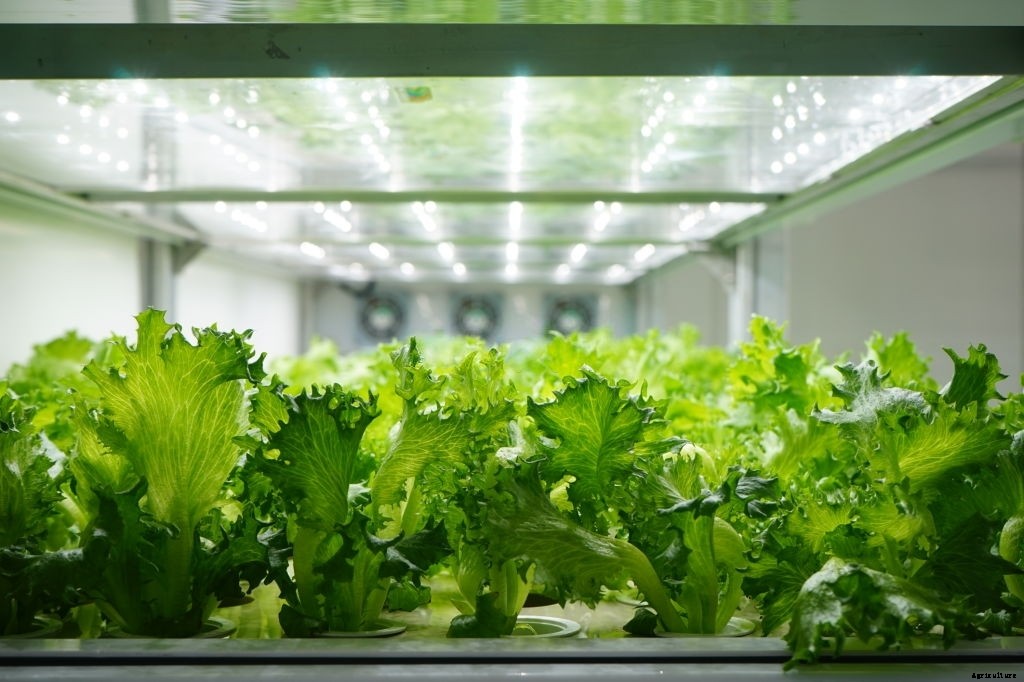
Below you’ll find a guide on how to start growing vegetables indoors. Once you have your lighting, growing media, containers, humidity, and ventilation straightened out, you can grow vegetables indoors that are just as good as any vegetables you grow outside in the garden.
There are many benefits to growing vegetables indoors. Even though some aspects of growing plants indoors can be more difficult than growing them in native soil, growing vegetables indoors has a lot to offer gardeners by increasing their production and minimizing the labor needed for plant maintenance.
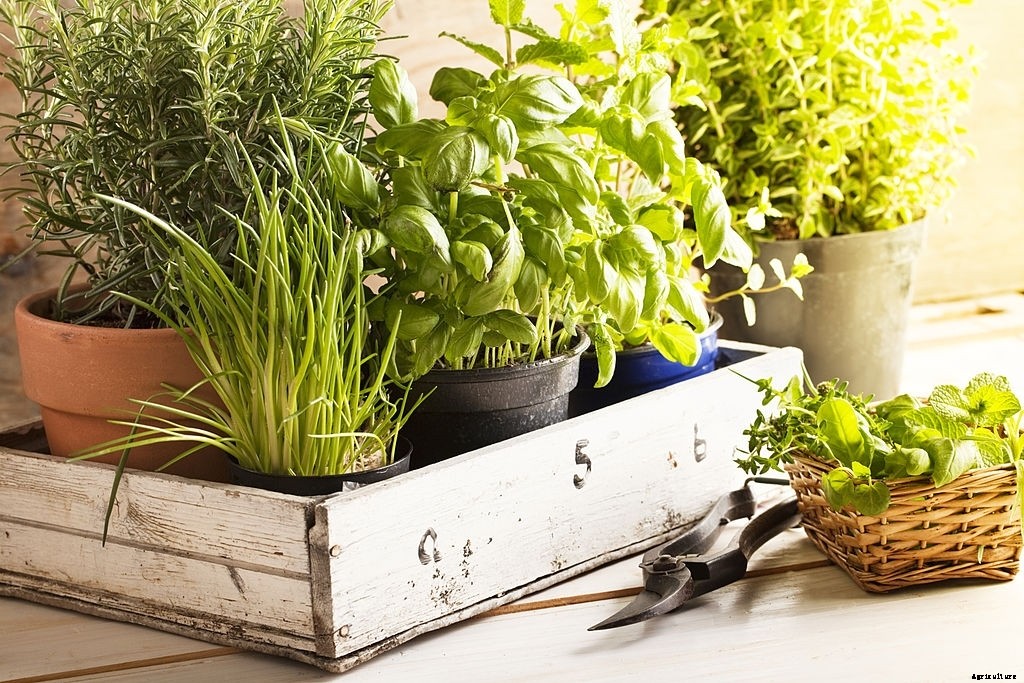
Here are some of the major advantages of growing vegetables indoors:
Even though growing vegetables indoors offers advantages, there are also some unique challenges associated with growing vegetables indoors. Here are some drawbacks to growing things inside (Source: Gardening Know How):
Growing vegetables indoors might be more difficult in some ways than growing plants outside, but it can make the entire process easier in many ways. Minimizing the challenges of growing plants indoors is mostly about knowing how to manage the major needs of the plants: lighting, growing media, fertilizer, humidity, and ventilation.
By far, the greatest challenge posed to gardeners who are trying to grow vegetables indoors is light exposure. Many fruit-producing vegetables need at least six to eight hours of full sun a day, a light exposure condition that is hard to replicate indoors.
However, other vegetables don’t require full sun or direct sunlight, and these vegetables tend to do better inside. When it comes to lighting for growing vegetables indoors, there are two major light sources to choose from: ambient sunlight and artificial lighting.
Ambient sunlight for indoor vegetables is any sunlight collected by the plants when placed near a sunny window. Since this is a weaker, more indirect form of lighting, leafy vegetables and small root vegetables tend to do better in indoor window containers getting their light exposure from ambient sunlight.
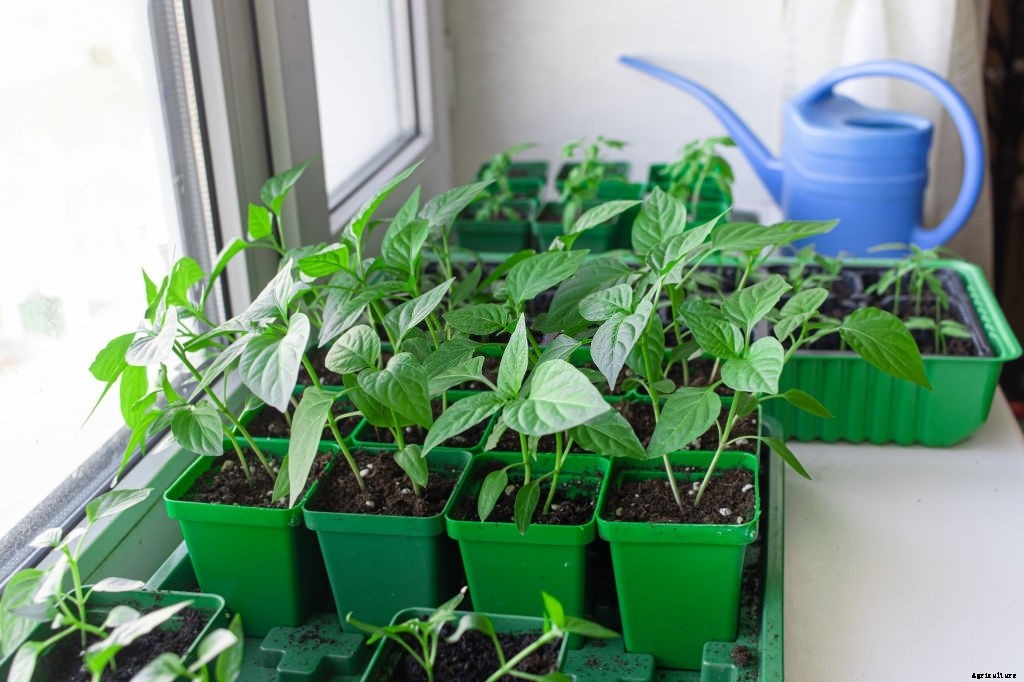
Here are some of the vegetables that do well growing in ambient sunlight indoors:
Growing vegetables indoors in ambient sunlight is one of the easiest ways to get started growing things inside. Since you don’t have to worry about setting up an artificial lighting system, all you have to worry about is making sure that the spot you choose for your indoor container garden gets enough sunlight throughout the day to sustain your plants.
For more intermediate indoor gardeners, another option for growing vegetables indoors is to install full-spectrum artificial lighting. This lighting imitates the same spectrum of light produced by UV sunlight and allows indoor gardeners to replicate outdoor sun exposure inside.
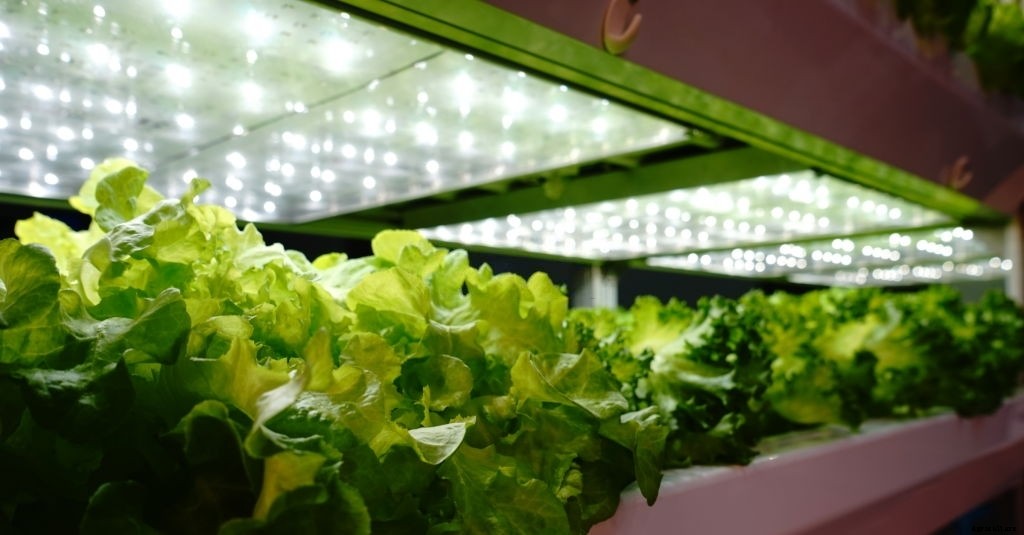
Artificial grow lights are perfect for growing vegetables that require more sunlight than a sunny windowsill can provide over the course of the day. They’re also a good option for indoor gardeners who don’t have good natural light in any part of their house.
Here are some of the best vegetables for growing under artificial lighting:
Depending on the amount of artificial lighting you have, you can grow practically any plant indoors as long as you’re able to provide supplemental heat for heat-loving hothouse plants such as peppers and tomatoes.
There are two major grow lights typically used for artificial lighting in indoor gardens–High-Intensity Discharge (HID) lights and Light-Emitting Diodes (LED) lights. These lighting types are strong enough to grow vegetables indoors, but there are a few safety risks to consider.
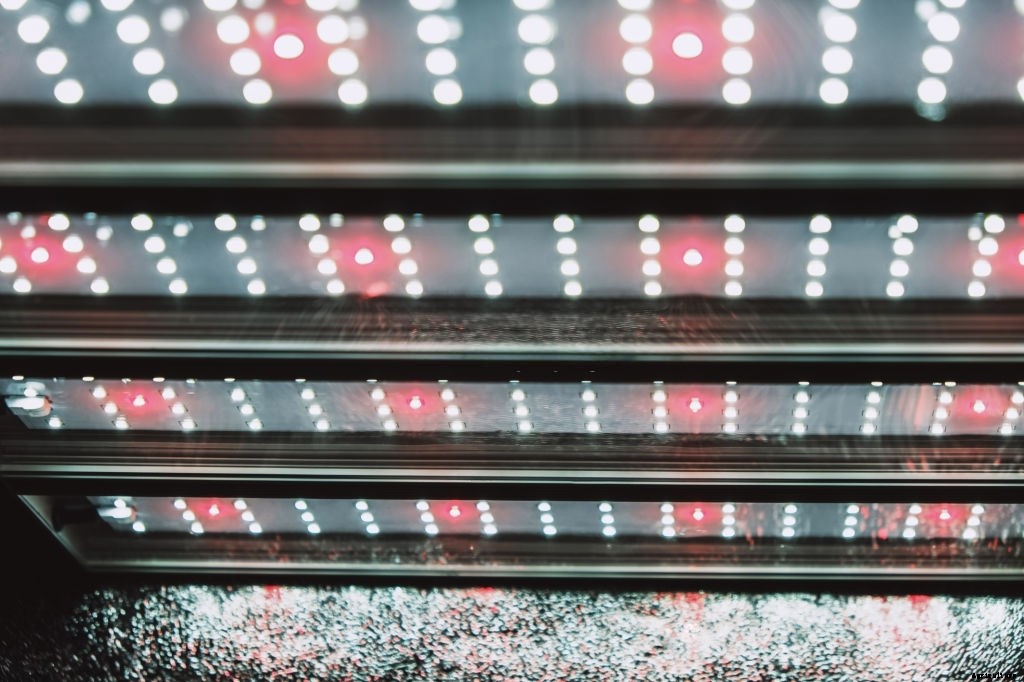
While heat-loving plants may like HID lighting, this generated heat indoors is a fire risk if the lights aren’t maintained properly. Even LED lights can cause a fire if they overload an outlet and cause an electrical short.
Follow these safety tips to keep your indoor vegetable grow safe when using HID and LED grow lights:
Artificial grow lights are a great option for anyone wanting to take on growing their vegetables indoors. Grow lights can be scaled up or down depending on how much space you have to dedicate to your indoor garden.
Even for plants that don’t require as much light exposure, using artificial grow lights can give gardeners much better control over exactly how much light their growing plants get each day. With artificial lighting, gardeners can even put automatic timers on their plants for precise light exposure.
Lighting is important for indoor plants, but another important aspect of their care is their growing medium. This part of the setup provides stability for the plants’ root systems and serves as a way for plants to take up nutrients from fertilizer and organic matter used to feed them.
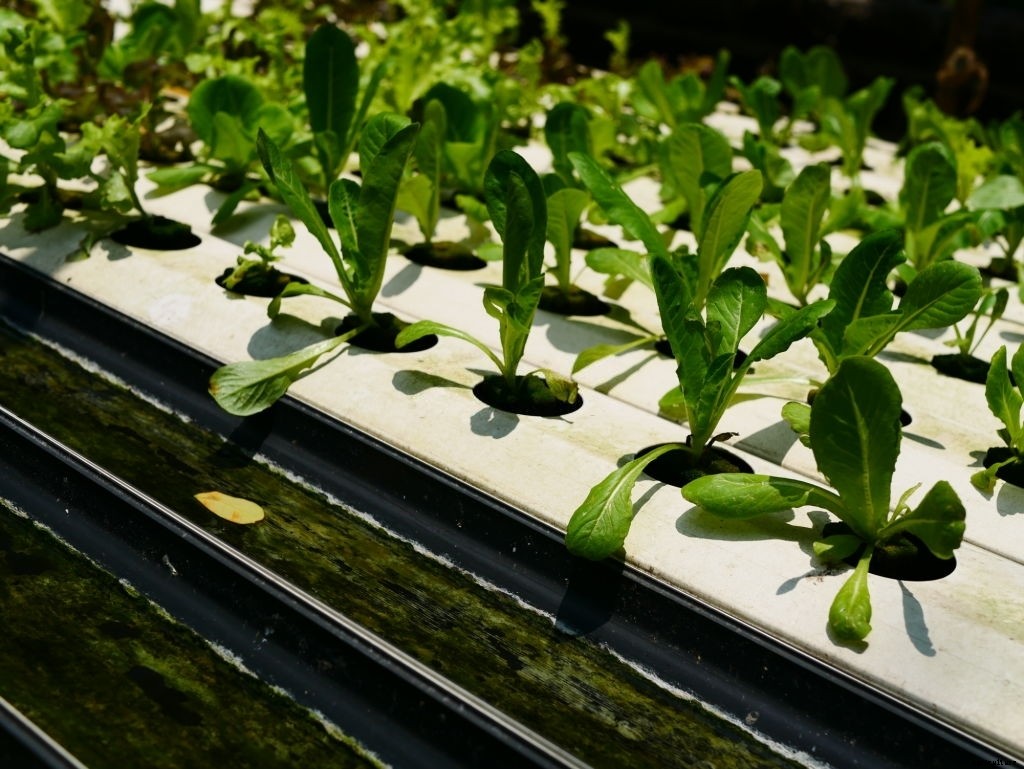
Many types of growing media are commonly used in indoor vegetable gardens. They can be broken down into two major types: organic and inorganic. (Source: Pro Mix)
Examples of organic growing media for indoor vegetable gardens include the following:
Many of these mediums are designed to be less messy than organic mediums and are designed to be used in conjunction with aeroponic and hydroponic growing systems. These systems use minimal or no growing media to deliver nutrients to indoor plants through a water reservoir system.
Here are a few examples of the most commonly used inorganic growing media:
There are many commercial potting mixes available for indoor plants that are often made up of a mix of several different potting mediums. This allows plants to take advantage of a variety of benefits from multiple media sources.
Commercial potting mixes are useful, but they can be expensive. A cheaper option is to get a few different types of growing mediums and mix them yourself. This allows gardeners to adjust their growing media depending on the individual preferences of the plants they’re trying to grow.
No matter which type of growing medium you use in an indoor garden, chances are you’re going to need some fertilizer to keep them fed. This is even more crucial for fruit-bearing vegetables like peppers and tomatoes, which will need plenty of nutrients to produce fruit and foliage.
Either commercial inorganic fertilizers or natural organic fertilizers like compost can add nutrients to indoor vegetables. Most fertilizers are distributed to plants several times throughout the growing season to supplement additional nitrogen and other minerals. For indoor gardens, liquid fertilizers such as compost tea are also popular.
Fertilizers are even more important for indoor plantings than they are for outdoor vegetable gardens. Vegetables planted directly in the topsoil can draw nutrients up from the ground themselves, but plants restricted to containers don’t have access to unlimited nutrients. Once they use up the nutrients in the container, they can fail if they aren’t fed.
While some indoor vegetables are fed via compost or other organic matter in their media, other indoor vegetables are grown in hydroponic or aeroponic systems. These systems deliver liquid nutrients to indoor vegetables via a liquid reservoir that combines water with liquid fertilizer.
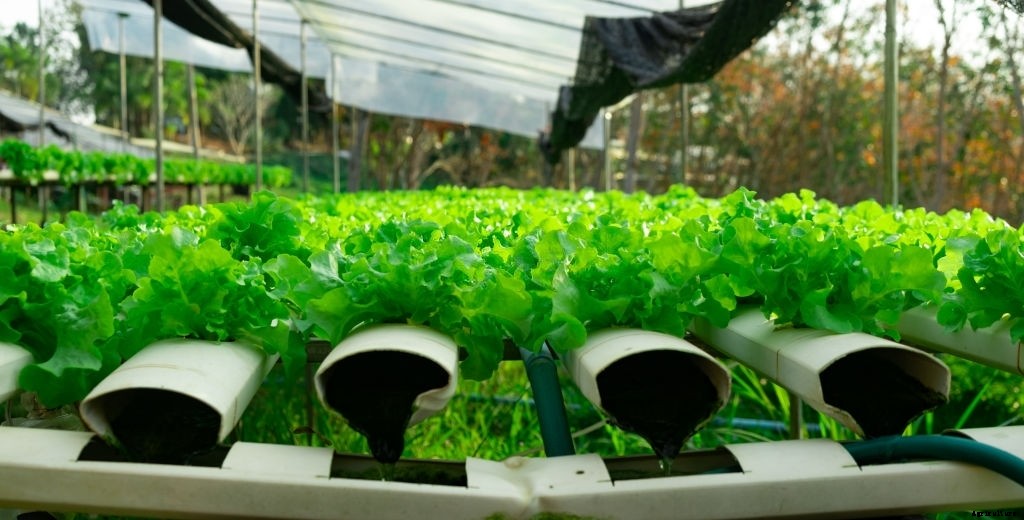
Hydroponic systems grow vegetables in soilless mineral mixes such as hydrogel or clay pebbles to support the plant. In contrast, aeroponic systems grow plants in nothing but liquid solutions. Many indoor vegetables can be grown without any kind of soil as long as they have access to water treated with liquid fertilizer to feed them.
you can use several different kinds of containers for growing vegetables indoors, and the type of container is usually dictated by the type of plant that is going to be grown in it.
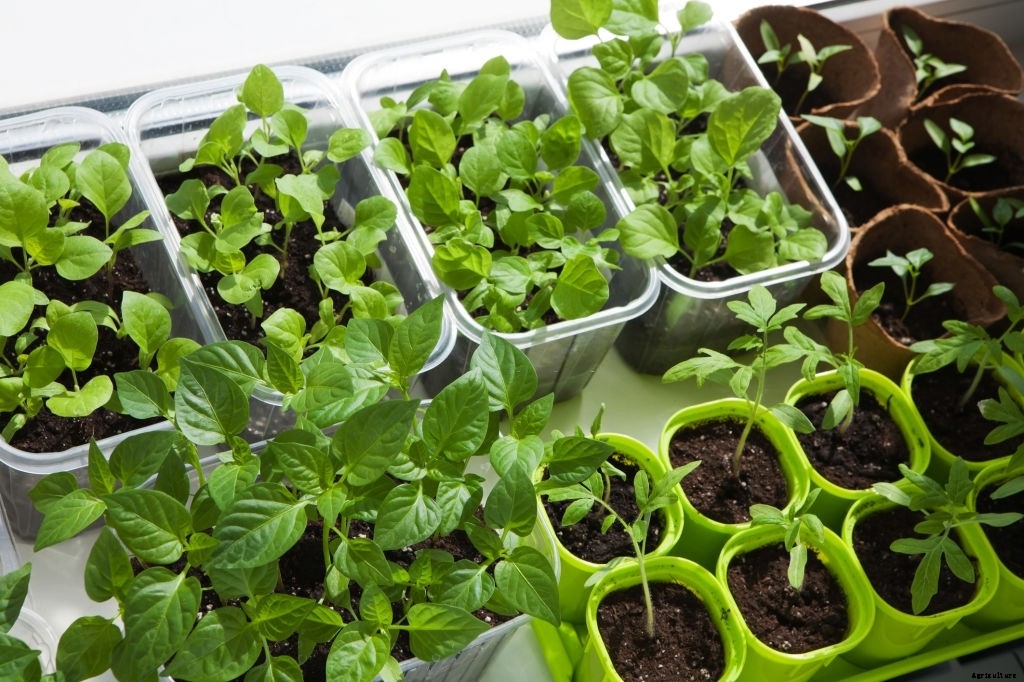
Here are some of the containers that are typically used in indoor vegetable gardens:
All kinds of containers can grow vegetables indoors, but what is planted in them is determined by their depth and size. Larger vegetables with robust root systems like tomatoes will need a much larger container base than shallow-growing vegetables like beets.
Light, housing, and nutrition are important factors in keeping indoor vegetables happy, but there are two other variables to consider: humidity and ventilation.
Along with being regularly watered to keep their root systems moist, many vegetables need to be grown at a higher humidity level than most indoor spaces can provide. They also require ventilation as a replacement for wind.
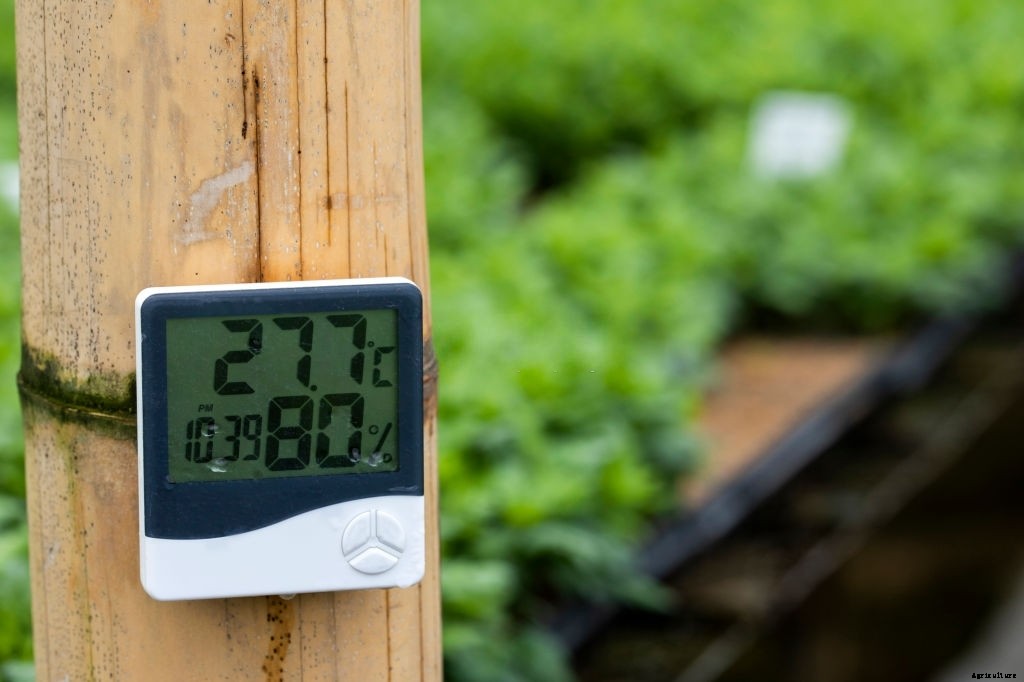
Humidifiers can provide one way to increase the room’s humidity where you’re keeping your indoor vegetables, but misting vegetables periodically with a spray bottle can also help them maintain a higher humidity level.
Different types of vegetables require different levels of humidity and different amounts of water to thrive, so read up on each one specifically for best results.
In outdoor gardens, vegetables receive ventilation from the wind blowing through their foliage and fruit. Air circulation is vital for growing plants because they are more susceptible to diseases such as fungus and bacterial infections without it. (Source: Clemson University)
Some plants also depend on air circulation to help them develop a strong base stem. Without a light wind to strengthen their stem, these plants often get leggy and may break or fall over when they mature enough to bear heavy fruit.
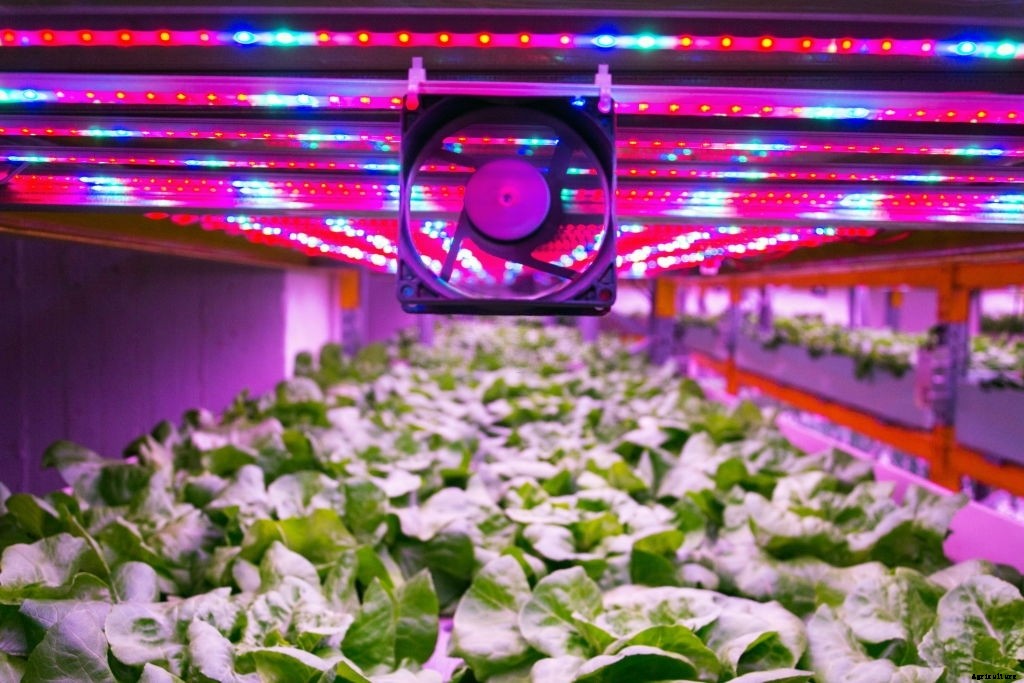
For indoor vegetables, ventilation can be achieved by blowing a fan low over the plants a few times a week for a few hours to simulate a windy day. Be sure when you put a fan on your indoor vegetables that you don’t place the fan too close to the plants or aim the wind from the fan directly at them. (Source: The Urban Sprout) Instead, oscillating fans provide a gentle air circulation that can promote good ventilation in growing plants.
At this point, you know the basic needs that you’ll have to meet to grow vegetables inside successfully, and you know what kind of supplies you’ll need to gather up to pull it off. But having the right tools and supplies isn’t the only measure of success when you’re growing vegetables indoors.
Here are a few other tips that can help you get the most out of your indoor vegetable garden:
Learning how to garden either indoors or outdoors is a learning process, and many of the most important things that gardeners learn are things they learn by making minor mistakes as they go along. But knowing the basics of what plants require to thrive can prevent rookie mistakes from damaging or destroying an entire indoor crop.
Many home cooks and gardeners complain that they don’t have access to fresh greens, herbs, and vegetables in the winter like they do in the spring and summer months. But setting up an indoor vegetable garden is a great way to introduce more vegetables to your home cooking throughout the year without having to wait for the farmer’s market to open up.
Indoor vegetable gardening might seem intimidating to beginners, but technology has made it a much simpler process than it was in the past. With just a little light, moisture, fertilizer, ventilation, and substrate, you can grow vegetables inside that are just as delicious and healthy as the ones you could grow outdoors.
Did you find this post useful? Would you like to get back to it later? Save THIS PIN below to your vegetable garden and indoor garden boards on Pinterest! Thanks 🙂


