
Welcome to Modern Agriculture!

Introduction to growing vegetables in the shade
Vegetable plants grown for their leaves and roots are the best choices for shady gardens. Many vegetable plants grow in shade. Salad greens such as lettuce, spinach, cabbage, and celery can be grown in shaded gardens and roots crops such as beets, leeks, potatoes, and turnips can be grown in shady gardens.
In this article we also discussed below topics;
Here are some useful tips for growing vegetables in a shade;
Crops, where leaves and plant roots are consumed like spinach and potatoes, tend to grow perfectly in partially shaded conditions or shade houses. On the other hand, vegetables whose fruits are eaten such as tomatoes and cucumbers grow well in full sun where it requires at least 6 hours of sunlight a day.
Shade in the garden can be described as deep shade or full shade, light shade, or partial or dappled shade.
If you are going to challenge your shade-tolerant crops to grow in partial shade, give them with good-quality soil with plenty of nutritious compost.
The water requirement of the shade garden will be different than a garden in full sun. Moisture doesn’t evaporate as quickly in the shade so you could not need to water as often.
Though, if your shade garden is near trees, you may need to water more frequently since your plants will be competing with trees for moisture. Also, the leafy canopy can prevent rain from reaching plants. Water the plants when the soil feels dry and mulch to conserve moisture.
In any garden, the key to successful pest and disease management is to pay close attention to your vegetable plants and deal with problems right away. This is doubly important in shady gardens, where some disease problems can be exacerbated by the low light levels and pests such as slugs and snails which thrive in damp, shady conditions can decimate lettuce crop in a flash.
Check your vegetable garden daily for the first signs of pests. Chewed plant leaves are most likely from slugs or snails. Handpick these pests whenever you see them. Also, reflective mulch brightening your garden will do double duty as a pest deterrent and the reflective surface will confuse many pests, and they’ll tend to avoid the area.
The heat-loving tomatoes and peppers prefer drinking in as much sunshine as they can get, some crops wither and die in hot, bright sun conditions. There are plenty of vegetables that grow in shade, dappled sunlight, or with as little as 3 to 6 hours of sunlight per day;
Vegetables that fruit from a blossom, such as cucumbers, tomatoes, squash, and peppers are the least tolerant of shady areas. Plant these in full sun areas that receive direct sunlight per day.
Root vegetables, such as beets, carrots, and potatoes will grow in partially shaded areas that have less direct sunlight but will appreciate at least a half-day of full sun and partial shade.
Leafy vegetables, such as chard, spinach, and salad greens, are the tolerant vegetable plants that grow in shade. Keeping these vegetables shaded as the season heats up will help them last longer. Plant these vegetable crops in areas that are moderately shaded during part of the day or receive filtered or dappled sunlight all day. Shady areas do present a challenge to growing a vegetable garden, but don’t let it stop from growing food.
Grape, cherry, and pear tomatoes tend to be suitable for patio and apartment gardening, though not all cherry tomato plants are miniature. Because cherry tomatoes fruit quickly, then they can be used in areas that receive a lot of shade early and late in the season.
Vegetable crops that will grow in light to partial shade are arugula, beets, broccoli, Brussels sprouts, cabbage, carrots, cauliflower, celery, Chinese cabbage, corn salad, endive, escarole, garlic, horseradish, kale, kohlrabi, leaf lettuce, leeks, mustard, New Zealand spinach, parsnips, peas, potatoes, radishes, rutabagas, salsify scallion, sorrel, spinach, turnips, and watercress.
Some of the vegetables that grow in shade are;
Arugula is a cool-season crop that will appreciate some shade as the growing season warms up to extend the harvest. Arugula plant is among the fastest-growing leafy greens. Arugula tolerates shade but also does well in full sun. It is very easy to grow from seed sown directly into the garden. It grows best in cool, moist, well-drained soil and full sun is ok but the light shade is even better during the hottest times. Climbing temperatures tend to produce slightly bitter plant leaves. Arugula is easy to grow and quick to mature.
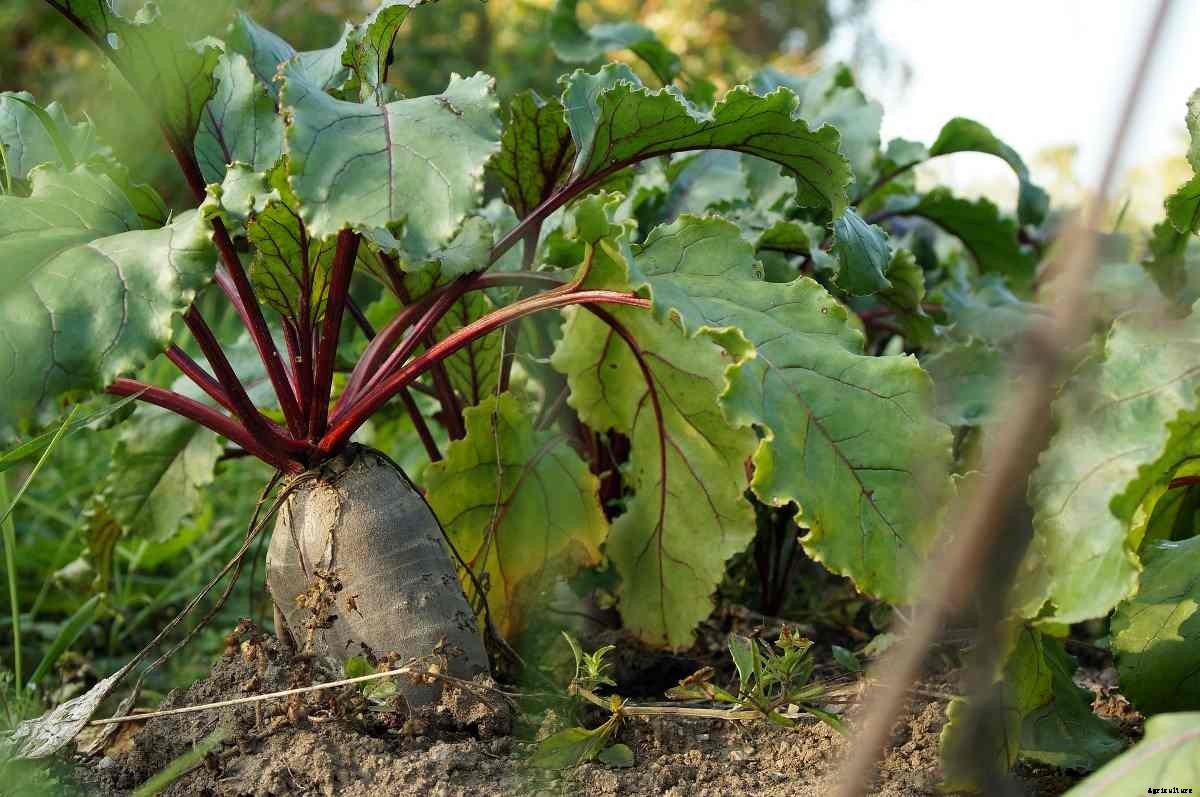
Beets are a cool-season crop grown for greens and roots. The greens thrive in partial shade and the roots will be a bit smaller when grown in partial shade, they will be tender tasty. Beets will grow in partially shaded areas that have less direct sunlight but will appreciate at least a half-day of full sun and some partial shade.
Bok Choi is also known as pak choy and other names are a cool-season type of Chinese cabbage. Growing Bok choi in the partial shade can help prevent it from bolting, and going to seed as the season warms. It can handle full sun, but it grows best in partial shade. It needs about 3 to 5 hours of sun each day.
In case if you miss this: Growing Herbs in Shade.
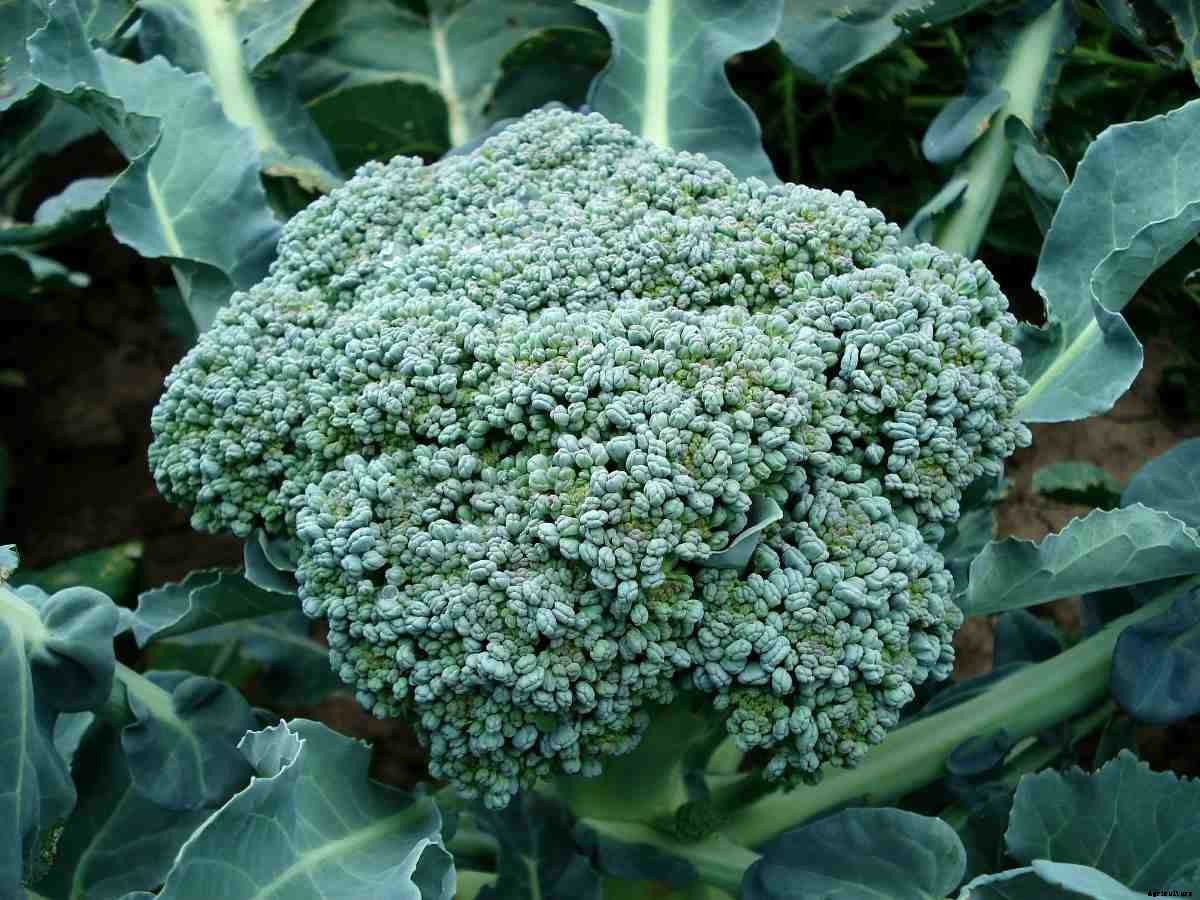
Broccoli plant is a slow-growing, cool-season plant that will appreciate some shade as the growing season heats up. It is grown for its edible flower buds. Once the Broccoli plant blooms, the flavor turns bitter, and growing broccoli in partial shade will slow the plant from blooming.
Cabbage plant is a cool-season crop that develops as round heads of foliage that wrap around each other tightly. Cabbage will grow well partial shade particularly when the season warms up. It is another crop that prefers cooler temperatures. The cooler the temperature the fewer bugs you must battle and if you want to grow cabbage during the summer instead of the fall, then you may have better luck in the shade.
Carrots are grown for their sweet roots and there are so many varieties of carrots that grow roots in different colors, shapes, and maturity times. The colors range from purple, dark red, orange, to light yellow color. Carrots will grow smaller in partial shade, and take a little longer to mature, but will produce a sweet crop even in warm weather. Since carrots are a root vegetable they don’t need full sun, like other vegetables that do not root veggies. Carrots that prefer cooler temperatures prefer partial shade as it helps meet that need.
You should not miss this: Hydroponic Seed Germination.
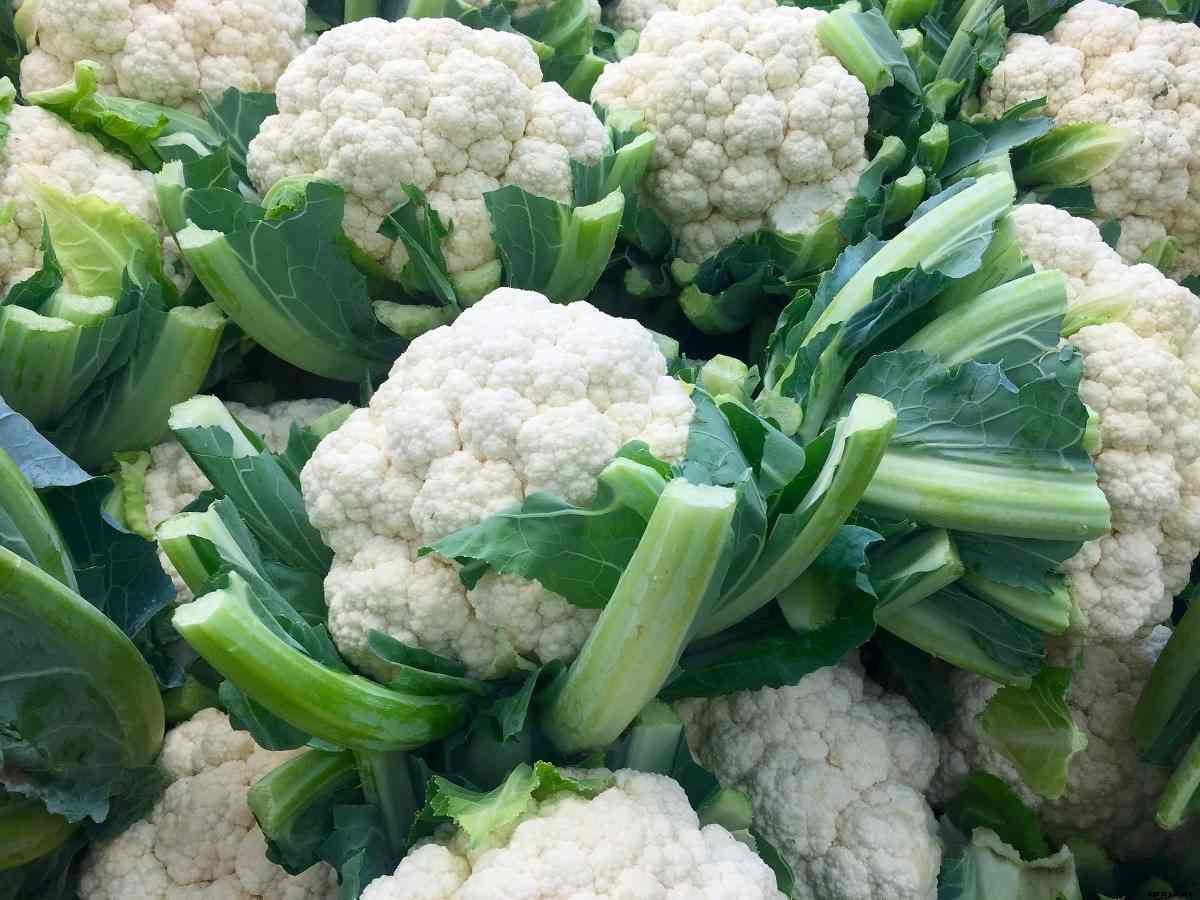
Cauliflower is grown for its flower head, which is called the “curd.” Although white is the most common, there is also a wide range of colors, such as purple, orange, and green. Cauliflower grown in partial shade will grow slowly, with smaller heads, but the shade will help to prevent the heads from discoloring and flowering prematurely.
Celery is a slow-growing, cool-season crop grown for its long and crunchy leafstalks. Growing Celery in partial shade may produce shorter and thinner stalks; it prefers cooler weather and will grow healthier out of the heat.
Kale is a cool-season crop grown for its bitter leaves. Warm weather can cause kale to become tough and bitter. Grow kale in partial shade and produce leafy greens all season long. It is very cold tolerant, making it a great crop for fall.
Parsnips are a long seasoned crop grown for their slightly nutty flavored plant roots. They grow best in cool temperatures and harvested in the fall after frost sweetens their flavor. Parsnips will tolerate partial shade, which will help keep the plant roots cool and help prevent the soil from drying out.
Potatoes prefer cooler weather. While potatoes will thrive in full sun, the plants will tolerate partial shade as well. Expect a lower plant yield and smaller tubers when growing potatoes in partial shade. To successfully grow potatoes, you need to provide them with the right site, soil, and water for proper plant growth.
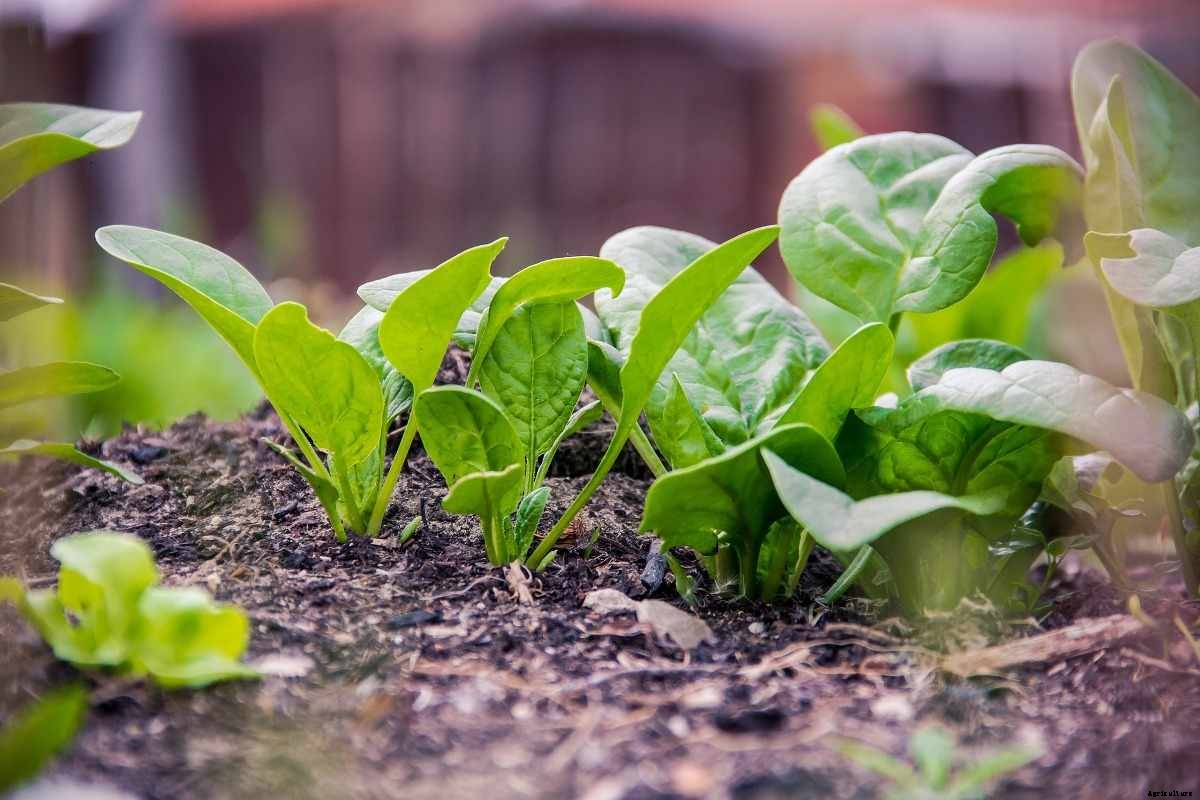
Spinach plant is a cool-season leafy green that will bolt, or go to seed once the weather begins to warm. Growing spinach in a partially shaded garden allows for a longer growing period for the cool-season crop.
In case if you are interested in this: Organic Okra Farming.


