
Welcome to Modern Agriculture!

Introduction: Hello gardeners we are back with a great information of growing hydroponic corn. Corn is the particular hydroponic plant that grows high. Usually, home gardeners tend to opt for growing small plants that do not extend too much. Corn is the type of plant that wants extra support in the growing medium to stay straight. Also, grow lights are a must to keep the plant happy.
First of all, consider spacing and although it grows pretty tall, corn needs some spacing around it too. Thus, when planting the seeds remember to leave some space for the plant to extend in both ways. Also, spacing is crucial because you will have to use vertical growing lights in between plants.
Corn can be grown hydroponically either indoors or outside. Corn consumes a lot of vertical space, so that, of course, must be considered if planning to grow it indoors. The term hydroponics refers to the practice of growing several crops without soil, with the plants receiving their nourishment from water instead. In contrast to soil-based agriculture, where the plants are fed by extracting nutrients from the soil, the roots of hydroponically grown plants are bathed in a complete liquid plant food that consists of all the nutrients the plants need.
In place of soil, some hydro systems use a medium to anchor the plants, such as rock wool, coir, or perlite. Other systems have no solid growing medium, with the roots bathing directly in the liquid. The general thread tying all hydro systems together is that the plants are receiving fertility from the nutrient solution, rather than soil.
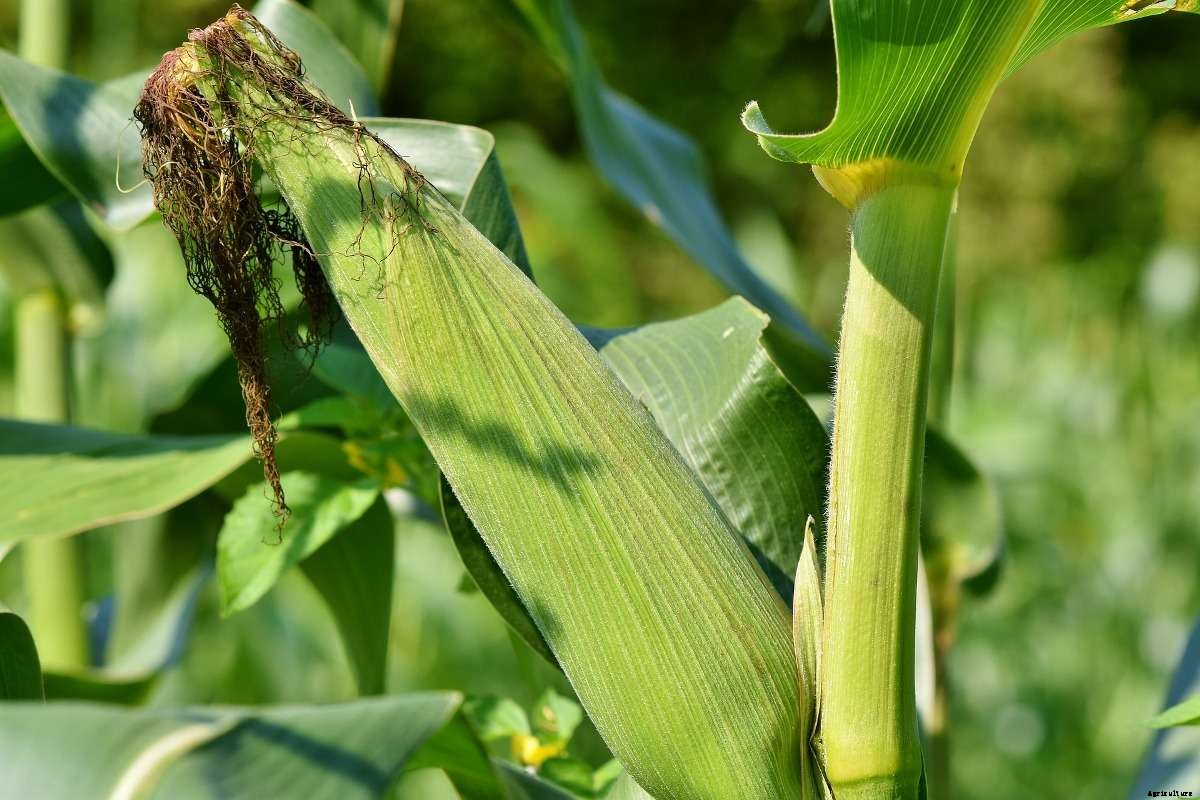
One of the first steps to easily putting corn into a hydroponic involves looking at how it’s grown in soil and building on that concept.
With that in mind, one of the best ideas is to make a simple bucket system. It’s this easy to get a collection of 5-gallon buckets and fill them with an easy grow media solution. Clay pellets are a great option, and so is rock wool.
You’ll put corn seeds or seedlings in the buckets, and allow them to produce directly in the grow media. You’ll add tubes to each bucket to obtain water into the bucket and then collect it. This type of serial drip system works well with corn plants.
You should not miss the How to Grow Hydroponic Peppers.
One of the tricky elements is to set up a pump and figure out how much water your corn will get on a given day. The crops will want a substantial amount of nutrient-rich water so do some experimentation and figure out whether you can automate water cycles or whether you have to do it manually.
The corn is also going to want a substantial amount of light, which is why a lot of growers simply grow it in a greenhouse space. They might even supplement the natural sunlight coming in through greenhouse plastic with an interior produce light structure.
Corn needs lots of light of about 8 to 12 hours daily. Using side lighting with corn is not quite as efficient as overhead lighting but it does work.
Corn can be developed in 5-gallon buckets at 2 stalks per bucket, or hydroponic tubs at 6 stalks per tub.
As with any type of hydroponic crop, you can buy simple pre-packaged nutrient packages for corn. Put this into the reservoir and deliver it through the supply of water, and you’re all set.
It is easy to get moldy or mildewed ears if the humidity situation isn’t right. It’s easy to obtain undeveloped ears if you don’t meet all the conditions that the corn needs. But that’s not a challenge of hydroponics that’s the same challenge you can have growing corn in a soil garden.
Corn plants require water for growth, and it has to be sufficient quantities and of acceptable quality. The water used for hydroponics should not have any harmful pathogens or unacceptable levels of chemical elements and should be at the right temperature, concentration, and pH level typically slightly acidic for optimal plant growth. This water typically has a pH of eight or more. Municipal water is too alkaline for optimal hydroponic production, and always has a pH of about eight to prevent corrosion in plumbing. Proper drainage and aeration around underground roots are necessary for root growth as they prevent carbon dioxide (CO2) from building up in the root zone due to respiration. In hydroponic systems, plants produce with their roots hanging in the nutrient solution, and dissolved oxygen (DO) levels in the solution should be high enough to promote root growth and be carefully controlled.
Seeds must be placed about an inch below the media surface and anticipate germination in about a week. A small percentage of the seed will never germinate; you’ll want to replant more seeds in the empty spaces to ensure optimal use of time and space.
Corn craves nitrogen; it must be fed on a nitrogen-rich nutrient solution from seed to harvest. A moderate quantity of potassium and phosphorous for a balanced diet.
Depending on what you’re trying to grow, not having the optimum pH of your water can greatly diminish your plants’ ability to absorb vitamins, carbohydrates, and other nutrients. (For instance, most of the herbs mentioned above thrive in a pH that is lower than that of most tap water.) So it’s important to check the ideal pH preferences of plants and adjust the water accordingly.
You may also like the Growing Leafy Greens in Containers.
As most plants prefer a temperature between 60 to 80°F, it’s important to keep an eye on how hot or cold it gets around your hydroponic garden. Sometimes you’ll want to protect it from the heat generated by your grow lamps or a nearby radiator. Other times you’ll want to protect them from falling temperatures in the winter, even though they’re indoors.
Incase if you miss this: Growing Mushrooms in Containers.
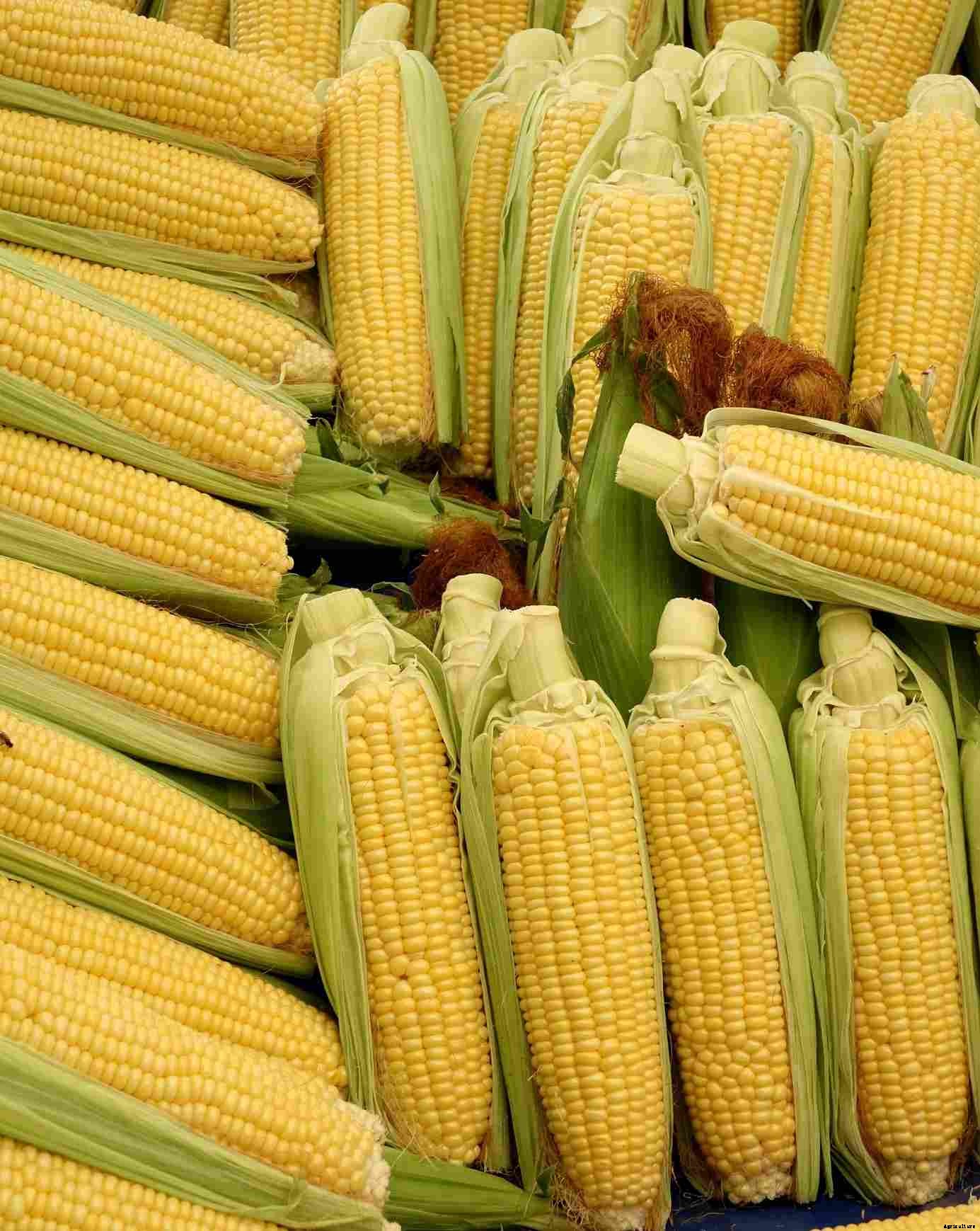
There are several signs which indicate when to harvest your hydroponic corn. In the cornfield, the harvest is normally 18 to 21 days after the silk first appears. In a hydroponics setting, depending on conditions this procedure is somewhat expedited. Corn plants tend to grow up to 50% faster in a hydroponics setup. When all goes well absolutely no glitches or setbacks expect to harvest corn 2 weeks after the first silk is visible. Another sign is that the angle of the cob changes from being straight to 30 degrees from the stalk. And lastly, to check for maturity you can peel back the husks for a peak. If the kernels look juicy stick a thumbnail in and the kernel will ooze a milky substance, somewhat like that in canned corn if it is ready for harvest.
You may be interested in Vermiwash Preparation Process and Vermiwash Benefits.


