
Welcome to Modern Agriculture!

Growing Vegetables At Home
Growing your vegetables at home is rewarding, healthy, and fun. Homegrown vegetables change our lifestyle and also the environment for the better. The first step in planning a vegetable garden at home is to decide what to plant in your garden. It is always best to start a small vegetable garden and work your way up as you gain knowledge. Some easy to grow vegetables at home in India can keep you active and healthy. Many vegetables do well in containers. A container vegetable garden also puts the harvest process easy and keeping fresh flavors at hand. In this content we also discuss the following topics;
The best soil mix for container-grown vegetables is well-drained, well-aerated, and a pH level that is close to neutral. For large pots that may need to be moved, select soilless mixes since they are light. While vegetables aren’t fussy about the pot they’re in, they do need a potting mix that will allow water to drain well. Vegetable plants will do best in potting mixes made for containers and fill the containers so the soil is at least 2 to 3 inches below the rim. Water the soil just before planting.
First, prepare your soil for growing vegetables. Soil helps to transmit nutrients to your plants. As a result, it has a significant impact on the health and vigor of your vegetable plants.
Soil mixture for growing vegetables;
If the soil is too dense, and then add some river sand to loosen it up. Now that your soil is prepped, it’s time to get your vegetable garden started.
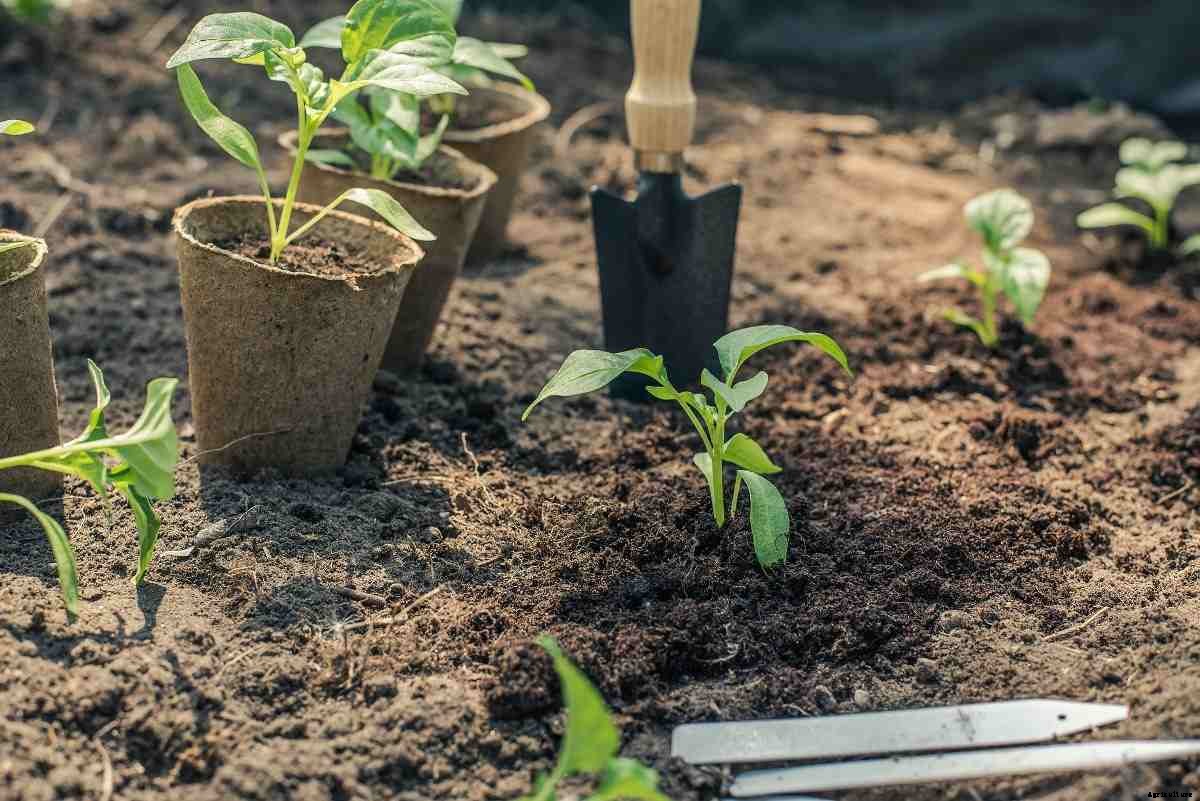
Like all plants, vegetable plants need the sun to kick-start photosynthesis. This process transforms light energy into glucose, which plants use to make substances like cellulose (for building cell walls) and starch (a food source). The fastest-growing vegetables need full sun means at least 6 to 8 hours of direct sunlight a day. That’s why you won’t have much success if you plant sun-loving vegetable plants in shady spaces.
Most vegetables need 4-6 hours of direct sunlight. Vegetables grow well in locations that receive a minimum of 6 hours of light. For a location that receives about 4 hours or less, salad greens can be an option. For growing vegetables, container gardening is the easiest way to start. With containers, the vegetable garden can be set up on the balconies or rooftops. Generally, south and west-facing balconies get the most sun, followed by east facing. Fruiting plants like tomatoes and eggplants can be planted in the south or west-facing balconies. Root vegetables such as carrots, radishes, and beets might also work if your site gets at least 4 hours of direct sunlight a day. Or if you have a sunny patio, switch to container vegetable gardening.
Choose a location for the container vegetable garden that is close to a water source. This makes it easy to water vegetable plants daily. Properly watering the vegetable plants can make all the difference in the growing process. As vegetables grow and roots fill the soil, plants require more water to stay healthy and yield a harvest. Then, you’ll want to check the soil daily, and water whenever the top inch becomes dry.
Watering wisely is key to garden success, especially in warm and dry regions. During the first few weeks after seeds germinate or seedlings are transplanted, frequent watering keeps vegetable plants strong and healthy. Then the water will move deeper into the soil, which encourages plant roots to grow deeper, where they’re better protected and better able to access nutrients they need to stay healthy. Factor in your weather conditions and the composition of soil to determine when you should water. Clay soil dries out slowly than sandy soil. Sunny, windy conditions dry out the soil quickly than cool, cloudy weather.
If you are growing vegetables for the first time gardener, start a small garden is a key to success. A good size vegetable garden for beginners is 10×10 feet, about the size of a small bedroom. Keep it simple and select up to five types of vegetables to grow, and plant a few of each type. If 10×10 feet seems intimidating, you can go smaller or consider growing vegetable plants in pots or containers. With them you don’t even need a backyard; a sunny deck or balcony works fine.
Everyone loves a nice vegetable garden and so identifying pests is very important. Daily scouting in the garden, looking for holes or cuts in the leaves can help to identify pests. The most common pests in vegetable plants are aphids, mealy bugs, mites, and worms.
Most pests in the vegetable garden can be controlled by using Neem oil spray. For this, mix 10 ml of Neem oil with 1 liter of water and to this, add 5 ml of liquid dish-washing soap and mix well. This spray has to be applied weekly only, on both sides of the plant leaves.
Tips to Protect Your Vegetable Plants against Pests;
Chilli
Tomato
Eggplant or Brinjal
Bush Beans
Radishes
Coriander
Potatoes
Easy to grow vegetable plants for beginners are Pumpkin, Basil, Spinach, Squash, Peppers, Onion, Cucumber, Peas, and Beets.
There are some vegetable plants that you can “regrow.” It sounds a little bit like magic, but essentially you are resprouting these vegetable plants. E.g., the butt end of a lettuce head can be planted shallowly and resprouted means it will grow new leaves. The same can be done with celery, potatoes, sweet potatoes, fennel, ginger, and lemongrass.
You can plant bean sprouts and they will produce bean plants. You can plant garlic cloves or onion hearts and they will reroot and grow. You can do stem cuttings from plants like cilantro and basil they will root at the nodes and grow.
Some of the vegetables grown without seeds are;
Pick your vegetable plants as soon as they reach a size where you will enjoy them. Most vegetable plants are more productive if you harvest early and often. Letting plants “go to seed” will cause a drop in the fruit set. And when harvesting anything except root crops, it’s a good idea to use pruners, scissors, and a knife to remove what you need; if you try to pull off leaves, you risk damaging the plant and even uprooting it from the container.
Almost all vegetable plants are best when harvested early in the morning. Overnight, vegetable plants regain the moisture that they lost during the day, and starches formed during the day can be converted to sugars during the evening. These traits make morning-harvested plants produce crisper, juicier, and sweeter. Be gentle with garden plants while harvesting vegetable plants. If vegetables are not easily removed when twisted or pulled then using a knife, scissors, or hand pruners for harvesting vegetables. These garden tools help prevent tearing or breaking of a plant, which could lead to disease infection. Also, be careful not to step on the stems or foliage of the vegetable plants while harvesting.
In case if you are interested in this: Gardening Questions.


