
Welcome to Modern Agriculture!

Introduction to popular pepper varieties to grow at home
Starting your peppers indoors is fairly simple and can be done at any time of year. The best peppers to grow indoors are the ornamental and smaller hot peppers that are often grown outdoors as container plants. If you want to grow peppers in containers, here are favorite varieties that do well in pots.
Tips to grow different varieties of pepper at home
Depending on the period of collection and processing undergone, we can distinguish the following types of pepper;
Black pepper – Black pepper plant comes from the berries of the pepper plant. Generally, Black pepper, green pepper, and white pepper are the same fruit; the difference in their color is a reflection of varying stages of development. Black peppercorns are made by picking the pepper berries when they are half ripe and just about to turn a red color. Then, they are then left to dry which causes them to shrivel and become dark in color. Alternatively, green peppercorns are picked while still unripe and green, while white peppercorns are picked when ripe and then soaked in brine to remove their dark outer shell leaving just the white pepper seed.
White pepper – White pepper is a spice formed from the dried fruit of the pepper plant, Piper nigrum, as is black pepper. It is milder than black pepper, with less complex flavor.
Green pepper (unripe harvest, dried and placed in brine) – Green peppers are green-colored bell peppers or sweet peppers or capsicum (Capsicum Annum). Then, these medium-sized fruit pods have a wonderful bell shape, thick and brittle skin with a glossy outer cover, and a fleshy texture. Due to its pungent flavor, it is categorized as a vegetable rather than spice.
Red pepper (ripe harvest, placed in brine) – Red bell peppers are a great source of vitamin B6. Both these vitamins and minerals could help prevent anemia.
Sweet peppers or Bell Peppers
Alternate Names – Green pepper, red pepper, sweet bell pepper, and capsicum.
In case if you miss this: Growing Herbs Indoors from Seeds.
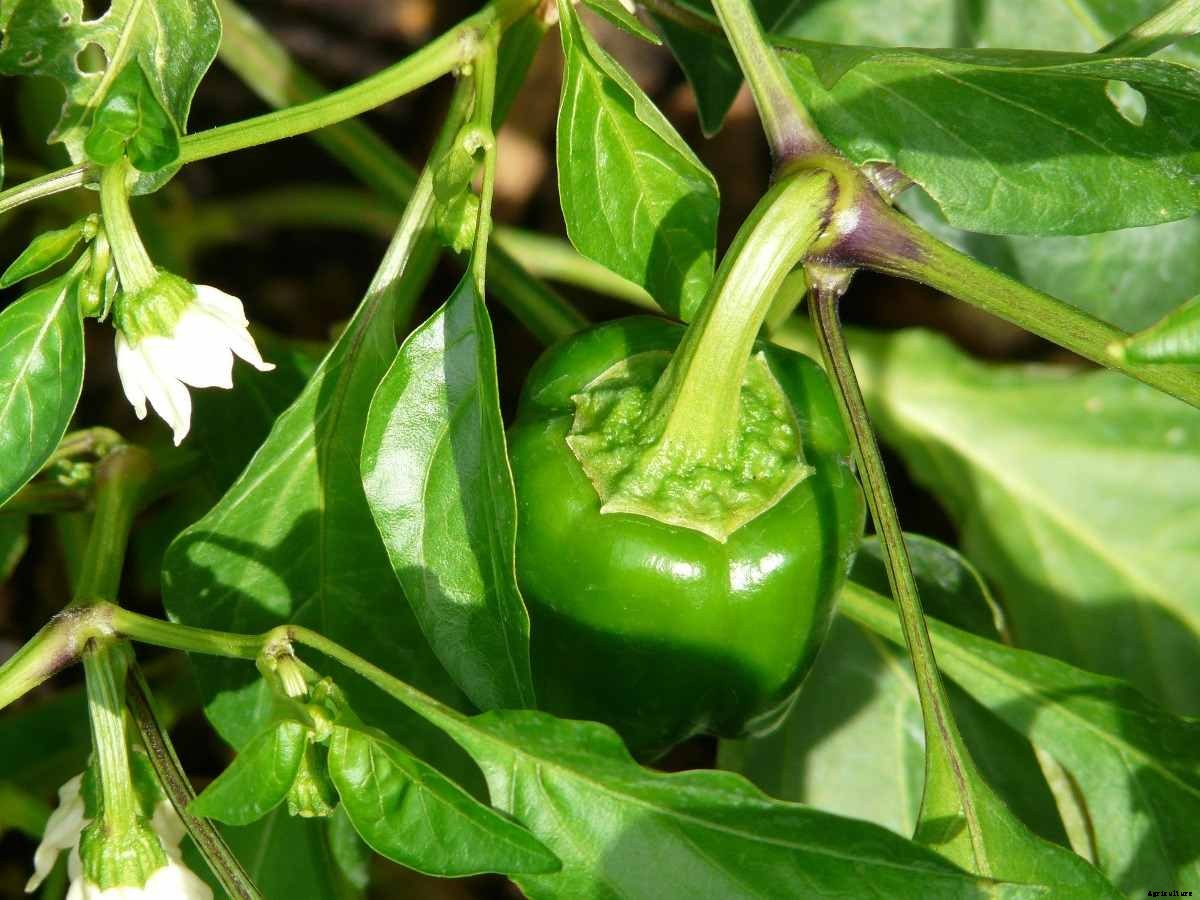
Bell Peppers have a delicious thick skin and are not spicy (they measure at zero on the Scoville scale). Bell peppers come in gorgeous bright colors they are red, yellow, orange, and green. The high temperatures needed to quickly germinate these pepper seeds means that the average gardener achieves this stage inside a heated house. It takes about 10 days for the seedlings to appear. Relatively large in size, the bell-shaped pepper in its immature state is green with a bitter flavor.
Shishito Peppers
These are one of the best peppers to grow in containers. Plant shishito peppers in good quality, well-drained soil in a sunny spot in the home garden. They need at least 6 to 8 hours of sunlight to produce well.
Poblano Peppers
You can grow poblano peppers in pots; the pot should be no smaller than 1-gallon size. Poblano peppers require full sunlight and rich, well-drained soil that has been amended with compost or well-rotted manure. Fertilize the plants about 6 weeks after planting using a water-soluble fertilizer. A mature poblano pepper plant is about 2 1/2 feet tall but they can grow as tall as 5 feet.
Thai Chili Peppers
Thai chili pepper plants are another popular plant for small gardens or even an apartment where there is only room for a pot or two. It is also called Bird’s eye chili, bird eye chili, and bird’s chili. The Thai pepper plant can reach a height of about 18 inches and produces peppers that are ready for use in only 40 days. Because minimal care is required to grow a Thai pepper plant, it is a good choice for home gardeners.
Bulgarian Carrot Peppers
This hot pepper from Bulgaria is well adapted to the cool climate. The small 18 inches plants become completely covered with fruit. It is easy to grow; these are great peppers to grow in containers.
Pimento Peppers
Pimento pepper plants are small, sweet, heart-shaped peppers that ripen to red in color. Pimento pepper plants make a tasty, as well as ornamental, addition to the home garden.
Fushimi Peppers
This pepper plant is one of the best peppers to grow in containers. The Fushimi pepper is a traditional Japanese sweet pepper that is delicious when eaten right off the plant. Fushimi peppers botanically classified as Capsicum annum are an heirloom Japanese sweet pepper variety that belongs to the Solanaceae or nightshade family.
Bolivian Rainbow Peppers
The pepper plant has green stems with purple tint, green leaves with purple tint, and purple flowers. This beautiful ornamental pepper plant with all color stages on the plant at the same time. Bolivian Rainbow peppers are a variety of ornamental pepper plants that produce a colorful array of small hot peppers that are 1 1/2 inches long. These are one of the best peppers to grow in containers because they are beautiful in multi-color; they’re like having a pot of flowers.
Goat Horn Pepper Seeds
These peppers grow in 5-gallon containers. Goat Horn bears 4-6 inches, tapered fruits with a very hot flavor. The spicy fruits have a variety of uses, popularly cooked into various dishes. Plant seeds about 1/4-1/2 inches deep in moist, well-drained potting soil.
Banana Pepper
The banana pepper is a medium-sized member of the chili pepper family that has a mild and tangy taste. If growing banana pepper plants in pots use a good quality soil-less potting mix. Banana peppers can be grown in containers and will require pots that are at least about 12 inches deep and no less than 18 inches in diameter.
Mini Sweet Pepper
Mini sweet peppers are fun and easy plants to grow. They can produce year-round when grown indoors or can make beautiful additions to the outdoor garden. Growing mini peppers from seed will take patience, but if you start early, you will have a long season of fresh mini peppers.
Cherry Peppers
Start growing a cherry pepper plant in a bed with rich, moist soil rich in organic matter. Don’t plant these peppers in a bed where you have grown tomatoes, peppers, eggplant, or eggplant the year before. Set your sweet cherry pepper plants about 18 inches (46 cm.) apart in a row.
Anaheim Chili Peppers
These quick growing peppers must be ready for harvest after two to three months of growth. The Anaheim pepper is a mild, medium-sized chili pepper that grows to 6 to 10 inches in length. Like many veggies, Anaheim pepper plants need the sun to grow and thrive.
Jalapeno Peppers
You may also check this: Organic Container Gardening Ideas for Beginners.
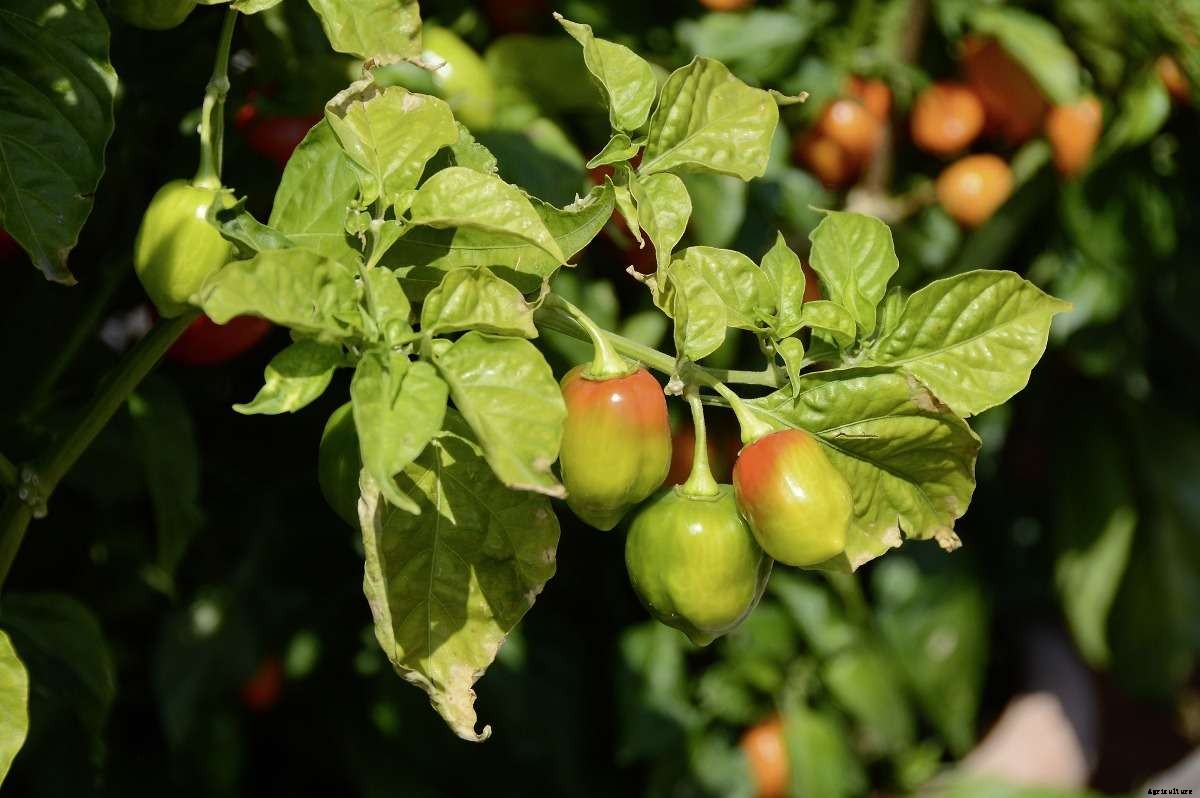
The easiest and fastest pepper plant to grow on the list is a staple found in gardens, and kitchens, everywhere. Jalapeno pepper can reach maturity in as little as 75 days, perfect for gardeners.
Cuban Peppers or Cubanelle Peppers
If you want to grow a sweet, mild pepper, try planting cubanelle peppers in the garden. For those with a small yard or a balcony garden, cubanelle pepper plants do fine in a 5-gallon container. Place one Cuban pepper plant per container so they are not crowded.
Cayenne Pepper
Cayenne pepper plants are also called guinea spice, cow-horn peppers, or bird peppers. The Cayenne plant is another great candidate for the home garden that is limited on space, even a single plant that may only reach a foot and a half tall will produce more cayenne peppers than you’ll be able to use in a year.
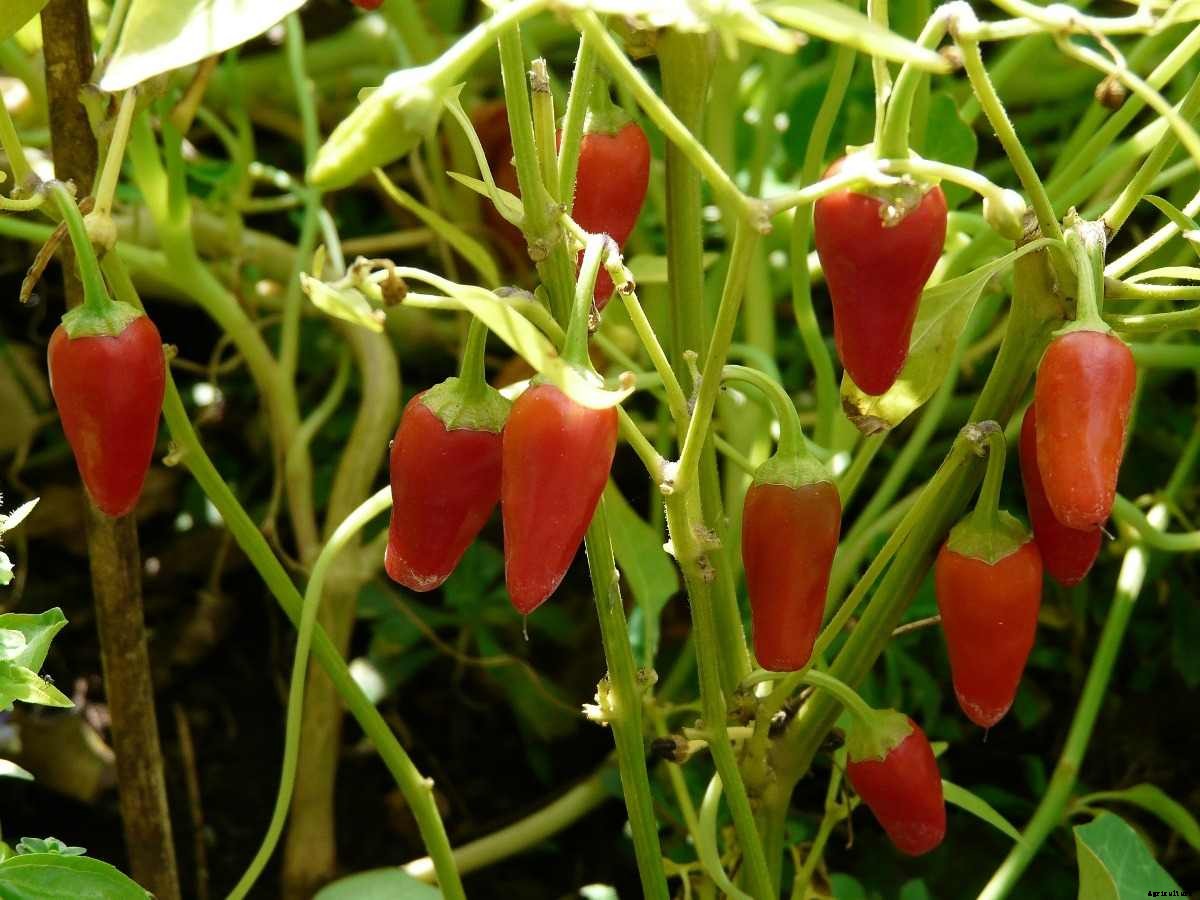
Pepper plants are typically grown from nursery seedlings planted 8 to 10 weeks before the weather warms. If your peppers are undersized, they’re most likely not getting enough water, although their small size can be caused by your climate or the way you planted them.
A more common variety which includes the like of Tabasco, Birds Eye, and Thai peppers. The plant stems tend to grow straight up throughout and curve just before touching the flower head.
Orange and yellow color bell peppers are sweeter, with the sweetest being the red bell pepper.
Different pepper varieties planted nearby could occasionally cross-pollinate, which will not affect the flavor of the current year’s crop, but can sometimes produce hybrid seeds. This means that seeds saved from these peppers and replanted the following year might produce fruit with unpredictable shapes and flavors.
A common reason for a pepper plant not producing fruit may be a blossom end rot, which is caused by a calcium deficiency and occurs when night temps are over 23°C. Pepper plants with too much nitrogen become lush, green, and large at the expense of fruit. Pepper plants need more phosphorus and potassium to set fruit.
In case if you are interested in this: Profit in Red Chilli Powder Production Business.


