
Welcome to Modern Agriculture!

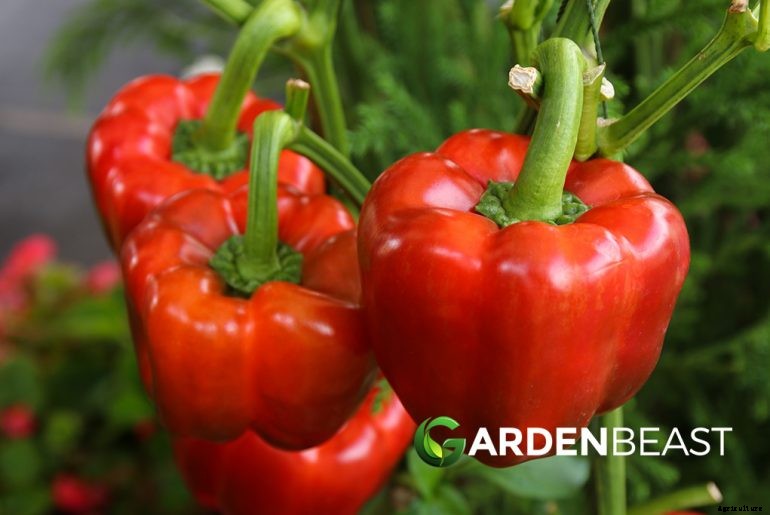
Are you planning your summer garden? Peppers are one of the easiest vegetables to grow, and they make for a fantastic addition to a shade house, greenhouse or outdoor veggie patch.
Sweet salad peppers, boisterous bells, and spicy chili peppers are all excellent options to bring more flavor and color to your garden this coming season. In this guide, we’ll give you everything you need to know about growing peppers.
Bell peppers grow as a perennial in tropical climates, as do many other varieties. However, in colder climates, they only work as annuals. If you live in the far northern states in the US, you’re going to struggle to get a crop of peppers to grow in your garden.
Bell peppers need a long growing season, preferably up to 100-days in length. Therefore, if you only get short summers in your area, then chances are your peppers won’t finish in time.
Therefore, if you live in the northern states, and you want peppers in your garden this summer, you’ll need to start them indoors around 6 to 8-weeks before the ground begins to thaw.
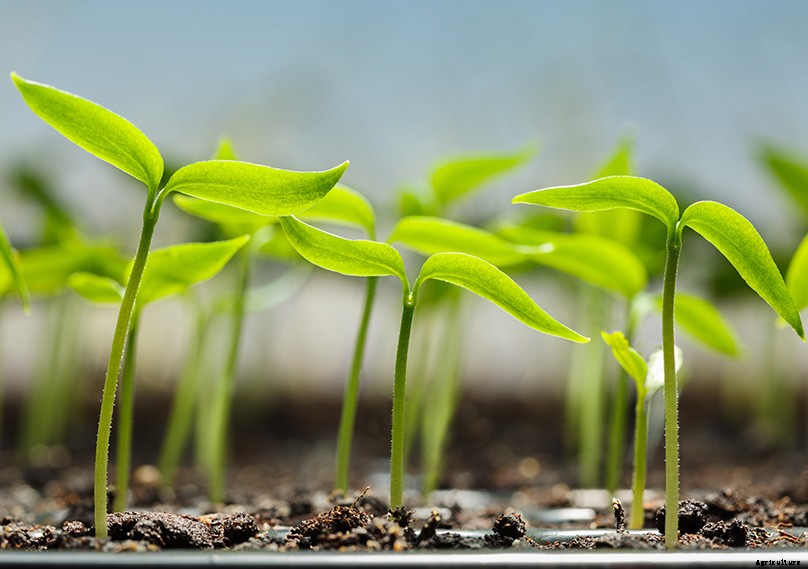
If you’re bringing indoor plants outdoors, then you need to harden them for 10-days before sending them to the garden.
Hardening refers to bringing your peppers outdoors to catch the early morning sun. Bring them indoors after the morning sun starts to turn hot. Take the plant outdoors for an extra hour each day until it has the strength to make it through the entire day outdoors.
After hardening, plant the pepper in your vegetable garden. Make sure that the soil conditions are right before planting and wait for the ambient temperature to reach above 65°F before transplanting. When planting in the vegetable garden, ensure that you space the plants at least 18-inches apart.
Prepare the soil and add a nutritious potting mix and a handful of perlite to the earth for amendments. Your peppers won’t need fertilizing right away. Place the root ball in a hole that covers the roots, but avoid burying the plant, or it might cause the growth of root rot.
After planting, add a layer of 2 to 3-inches of mulch. The mulch releases nutrients into the soil and prevents evaporation. Bell peppers have shallow root systems, and adding mulch prevents them from drying out on warmer days.
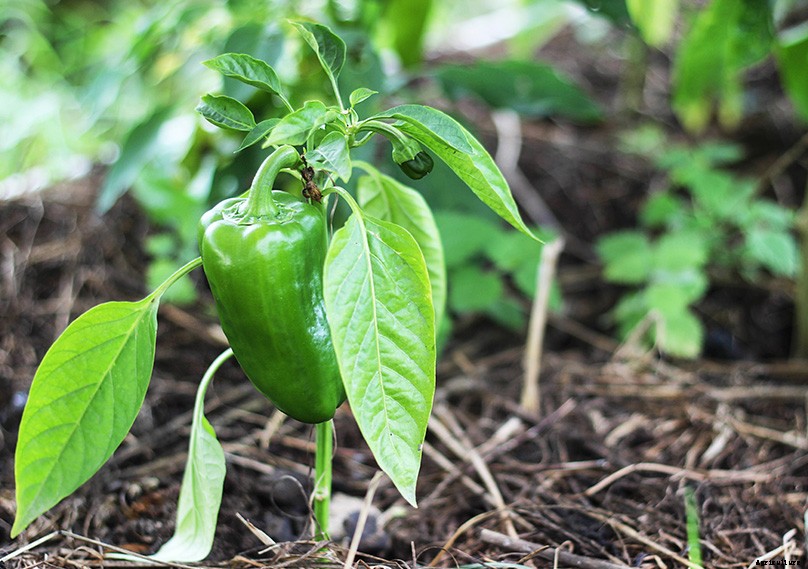
Caring for peppers is relatively easy, and they’re a good choice for novice gardeners growing their first veggie patch.
Bell peppers typically require warm soil and warm air temperatures for optimal growing conditions. If you’re planting in colder regions of the united states, cover the roots of your peppers with black plastic. This strategy helps to keep the roots warm and retain moisture in the soil.
Bell peppers prefer temperatures between 70 and 90°F. Nighttime temperatures below 55°F slow growth of the plants and limit the flowering phase. As a result, your peppers don’t reach their full potential.
However, if temperatures get too hot, the plant may drop its blossoms prematurely, preventing the fruit from forming.
Peppers prefer fertile, loamy soils that drain well and offer plenty of nutrients. Make sure your position your peppers in an area of the veggie patch that receives full sunlight throughout the day. These plants love basking in the sun, and the more sun they have, the bigger the fruit.
Peppers don’t like it when you let the soil dry out too much. They require moist soil conditions throughout the growing season. If you live in a hot, dry region, and you can’t rely on rainfall, then water your peppers at least three to four times a week.
If you reside in a region of the US that gets decent rainfall, then water the plants when the soil starts turning dry.
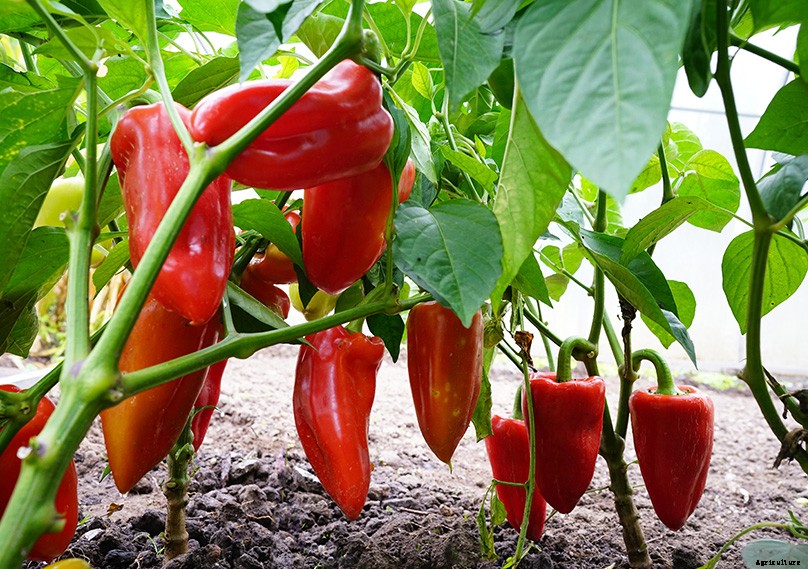
In most cases, between 1 and 2-inches of water per week is sufficient. As the peppers start to form, stake them to bamboo or plastic stakes to support the weight of the bells.
Never overwater your peppers. Overwatering will waterlog the soil, resulting in the roots staying wet. Wet roots invite pests and disease to your crops, and root rot might start to develop, ruining your plants.
If you use a high-quality potting mix, then you won’t have to fertilize your peppers through the growing season. Peppers prefer less fertilizer, and adding too much during the season results in leggy plants that grow too tall.
Bell peppers are susceptible to pests and diseases in the garden. If you live in a rainy climate, you’ll need to check your peppers are a few days of consistent rain, especially if the temperatures start to get low. Cold and wet environmental conditions bring disease into the vegetable garden, and it might find its way to your peppers.
Root rot is a common problem in wet and cold conditions, as is phytophthora blight, a fungal disease causing the permanent wilting of the foliage. Moisture stress can also lead to the development of blossom end rot. This pathogen shows itself as a dark region on the pepper.
It’s common for blossom end rot to occur due to a calcium deficiency in the soil. Throughout the growing season, gardeners need to keep an eye out for various other pests, such as aphids and flea beetles. Cutworms and flea beetles are also a concern for your plants.
If you notice any of these pests hanging around your plants, dose them with neem oil to keep them away.
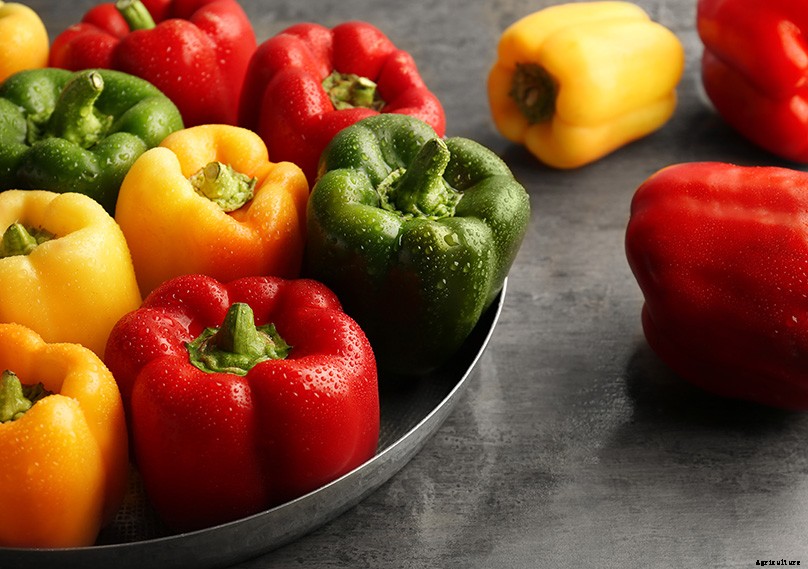
Peppers can take between 90 to 100-days to reach maturity, depending on the species. Gardeners can harvest their peppers with a set of pruning shearers or sharp kitchen shears.
Peppers don’t do well in the freezer, and you’ll need to eat the fruits while they are still fresh. Pickling is an option, but we don’t recommend it unless you have professional canning equipment in the kitchen.
If you decide to grow chili peppers like habaneros in your veggie garden, be careful when harvesting and processing your peppers. Spicy peppers contain an ingredient called d “capsaicin,” which is the polyphenol antioxidant in the fruit that gives it its fiery bite.
Sensitivity to capsaicin can vary from person to person. When harvesting your peppers, wear plastic latex gloves to ensure you don’t get any of it on your fingers from the skin of the fruit. If you accidentally get it on your fingers and then touch your face, you could be in for an unpleasant surprise.
Capsaicin is a powerful irritant, and it could cause swelling and itching in your skin for a few hours, even after rinsing it off your skin.


