Welcome to Modern Agriculture!

Fighting weeds is one of the hardest things about being a gardener since the conditions that your garden plants like are conditions that weeds like too. As a result, gardeners have worked for centuries on different methods to try and keep weeds out of the garden for good.
Below you’ll find twenty-five different ways you can work to keep weeds out of the garden, your lawn, your vegetables, and your landscaping borders. While commercial weed killers are arguably effective, they can also damage the environment and the plants you’re trying to grow. The methods below offer some environmentally friendly ways to kill weeds for good.
Weed barriers (also known as landscaping fabric) are a useful investment if you’re putting in new vegetable beds or landscaping borders. Weed barriers are usually used in perennial beds where the soil isn’t tilled every year, making them popular in borders.

While weed barriers will prevent many weed seedlings from sprouting in your bed, there are advantages and disadvantages to using weed barriers to keep weeds out of the garden. This is a weed prevention method that doesn’t work for all areas of the garden.
The major disadvantage of weed barriers for beds with soil or mulch over the landscaping barrier is that tough weeds will eventually make their way through the landscaping fabric. Once the weeds have penetrated the weed barrier, they can be that much more difficult to extract by hand. Another drawback is that removing the weed barrier can do damage to the soil.
The best application for weed barriers in the garden is in rock-based gardens such as cacti or succulent gardens. Since these gardens are strewn with gravel rather than soil, laying a weed barrier under the gravel can help prevent grass and weeds from coming up through the rocks.
Commercial herbicides are widely available, but these chemicals can be deadly to pollinators and other beneficial insects in your garden. They are also hard on nearby plants.
A better option is to make a homemade weed killer using household items. These household chemicals tend to be much milder than the chemicals used in herbicides, and they aren’t as bad for the environment.
Here are some of the most common household items you can use to make weed killer:
Homemade weed killers aren’t just easier on the environment than synthetic herbicides. They’re also usually much cheaper.
One novice mistake many gardeners make when it comes to weed control is not weeding their garden properly when they weed by hand. There’s really no substitute for getting out in the garden and pulling up the weeds you don’t want one by one, but not using the correct techniques to do it can actually make weed problems worse.
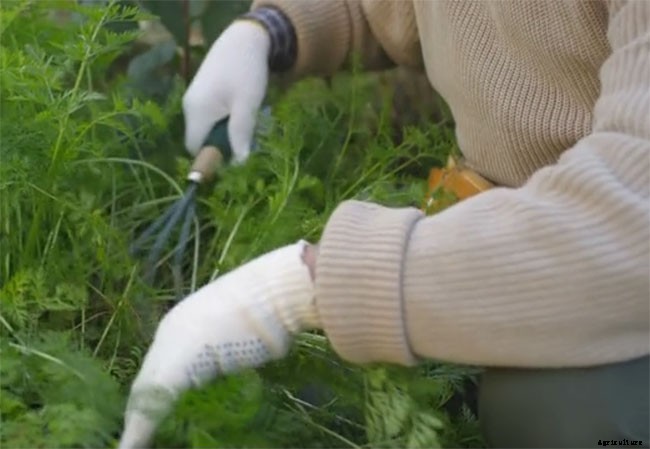
Here are some tips for weeding by hand that will help you keep weeds out of the garden:
Weeding by hand might seem like the most labor-intensive method for keeping weeds out of the garden, but it’s also the method that avoids herbicides altogether and gives gardeners the most control over which plants stay and which plants go. Pulling weeds by hand also allows gardeners to forage for beneficial weeds that you can use in the home and garden elsewhere.
When you’re weeding by hand, it’s also important to get the right tools for the job. Knee pads can help take the pressure off when you’re weeding from a kneeling position, while long-handled hoes are good for severing weed root systems from a standing one.
Mulching is one of the most beneficial methods you can use in the garden to help keep weeds out and nurture the plants you want to grow. Putting a layer of around four inches of mulch over the top of a garden bed can prevent young weed seedlings in the soil from getting the sunlight they need to grow.
By planting your flowers or vegetables in the top part of the mulch and burying the topsoil underneath, you can give your plants a chance to outgrow the few weed sprouts which manage to make it through the mulch. By the time they reach sunlight, your other plants should be big enough to easily out-compete them until you have a chance to pull them up.
But weed prevention isn’t the only benefit of using mulch in the garden. These are some of the other benefits of mulching garden beds:
Mulch provides plenty of advantages for the gardener, along with solid weed control. Along with composting, it’s considered one of the cornerstones of garden maintenance.
Many gardeners may start gung-ho about weed maintenance early in the growing season and slack off during the last half of the summer. This is a major mistake when it comes to keeping weeds out of the garden.
Once weeds are left to establish themselves, they reproduce and go to seed. Many weeds, such as quackgrass, may produce as many as 25 seeds. (Source: Maine.gov)
A weed can make dozens of copies of itself if left to its own devices. For this reason, getting a handle on weeds early in the season and keeping them out of the garden throughout the year can prevent your weed problem from getting worse in the following spring.
Remember that even if it looks like you don’t have that many weeds, each weed that is left to go to seed leaves dormant seeds in its wake. Even if these seeds don’t immediately sprout, they can remain viable for up to two years. (Source: Oregon State University)
If you’re planning on using herbicides (either homemade organic herbicides or commercial products), you’re going to need to invest in a spray shield. This device is a collar used to make sure that herbicides only contact the weeds themselves and not with other plants in the garden you want to protect.
You can create a simple spray shield by cutting the bottom out of a child’s plastic bucket. The bucket tube can then be placed over the weed and the herbicide applied without overspray threatening nearby plants. You can also use spray shields in conjunction with other weed removal methods such as flame weeding.
Flame weeding, or weeding with a blow torch, might seem like an extreme way to remove weeds from your garden, but it can be one of the only methods to tackle tougher pernicious weeds that may be difficult to kill at lower temperatures.
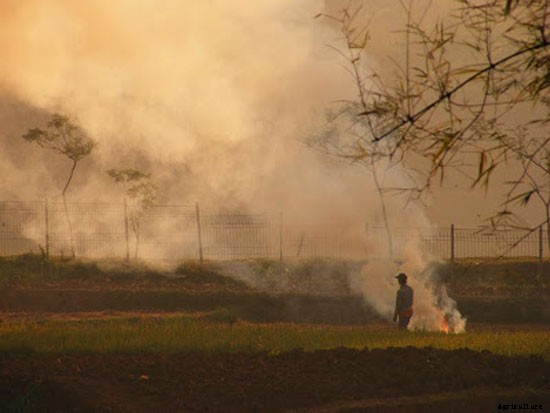
Flame weeders look similar to a weed whacker in shape and design but instead dispense a flame at the tip that can scorch weeds dead.
The disadvantage of using a flame weeder is that it is ineffective against weeds that spread via rhizomes such as quackgrass or mint. Because these weeds spread under the ground much further than what is visible on the surface of the topsoil, it’s harder to damage them to the point that they die completely.
A weed is defined as any plant growing in the garden that you don’t want growing there. But some weeds in the garden get an unnecessarily bad rap. In fact, many backyard weeds are edible and can be foraged for the kitchen and medicine cabinet if chemical pesticides and herbicides aren’t used on them.
Beneficial weeds can forage in the process of regular weed-pulling activities, and these plants can then be used to process into useful household products such as soap, flavoring, salad greens, and even medicinal salves. Some weeds can be eaten raw in refreshing salads, while others are bitter and taste better cooked.
Here are just a few weeds you may find in your backyard that can prove beneficial if collected and processed:
These are just a handful of the edible and medicinal weeds that you can find growing in your garden. Destroying these weeds is always an option to help keep weeds out, but pulling the weeds and putting them to use is a more practical solution.
Chickens aren’t a good solution for all gardeners when it comes to weed control. However, gardeners would be surprised at how many weed seedlings these birds can take out of the garden with no herbicides or human weed-pulling required.
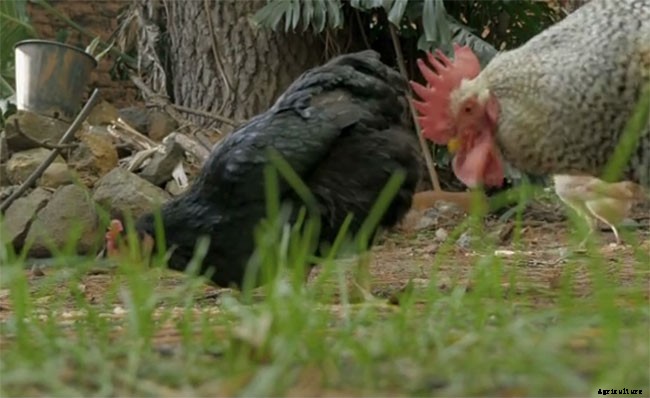
Along with their love for eating weeds and weed seeds, chickens also help the garden in other ways. They are good at removing nuisance bugs such as beetles and hornworms, and their droppings help fertilize the soil. They can also provide a protein supplement to the backyard garden in the form of eggs and meat.
Remember that you shouldn’t release chickens into the garden until your own garden seedlings are larger and well established. While chickens tend to go for small tender seedlings when they forage and ignore larger plants, they may still try to eat your vegetables or flowers if you leave them in the garden too long.
Releasing chickens on the garden when you first spot weed seedlings in the garden in the spring, but before you plant your own plants, can be one of the best times to use chickens for weed control. Chickens will quickly devour any developing weed plants, and their scratching behaviors can disrupt others that are beginning to take root.
If you’ve ever gone out and tried to pull weeds out of dry topsoil, you may know that it can sometimes resemble trying to pull weeds out of baked concrete.
A much less stressful and strenuous method of keeping weeds out of the garden is to wait to weed until after you get a good rain to soak the soil. This can help loosen weed roots in the soil and make them easier to pull up.
When you want to weed, and you don’t have any rain in the forecast, an easy way to get the same result is to leave a sprinkler running over the area you want to weed for an hour or two. This should get the ground sufficiently wet enough to make weeding easier.
When you’re weeding after a rain, remember to be gentle, Earthworms will rise to the surface of the topsoil during and after the rain, and hand-tilling too violently can disrupt and damage these beneficial creatures. Worms help keep the soil loose and make future weed-pulling easier.
One of the ways that weeds begin to take hold in the lawn or garden is when the topsoil is bare, either because the soil is in a garden bed or because the native grass of the lawn has died back. If the grass is weakened by neglect like lack of fertilization or water, this can leave more opportunistic weeds ready to take their place.
Other than providing regular feedings for your garden lawn throughout the growing season, another way to help prevent the invasion of garden weeds in the grass is to aerate the soil. Using a lawn dethatcher on the lawn can help improve aeration and keep grasses strong, letting them out-compete weeds for the same patch of soil.
A helpful way to get the jump on weed growth in the spring is to prevent spring weeds from getting access to the sunlight they need to germinate. One method for this is to cover all fallow garden beds and landscaping borders with cardboard or newspaper.
This layer of protection prevents sunlight from reaching the topsoil but doesn’t cause a permanent barrier like landscaping fabric. Instead, newspaper and cardboard can be pulled up and disposed of before laying down mulch and additional topsoil when it’s time to plant.
Here are a few other ways you can winterize your garden to keep winter weeds from coming back in the spring (Gilmour):
Early winter can be one of the less strenuous times of year for garden maintenance since the heat of the summer is over, but the deep cold of late winter hasn’t arrived. Take advantage of this more comfortable time of the year to do as much weed control as you can manage for a lighter load in the growing season.
Many people use a method to reduce the number of weeds in their garden beds to install raised bed systems. Raised beds serve as a protective retaining wall against encroaching weeds and grasses that can compete with flower or vegetable plants for nutrients, sunlight, and moisture.
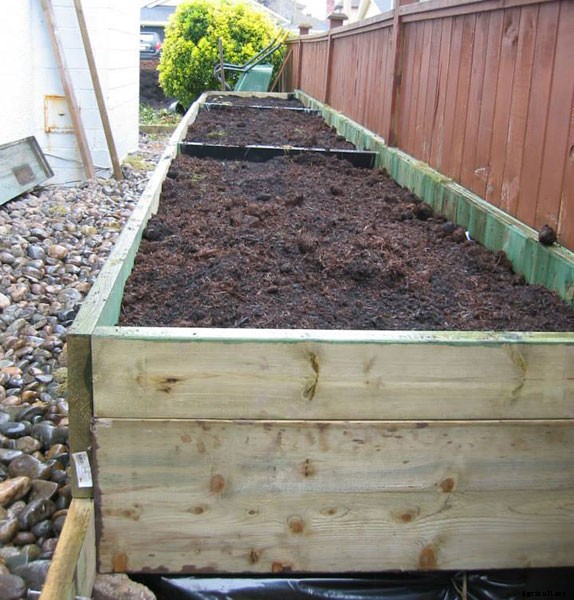
Along with helping to keep weeds out of the garden, growing garden plants in a raised bed also helps with a few other aspects of weed control:
Raised beds come in a wide variety of designs that range from simple and cheap to expensive and complex. But one trait that all of these structures share is that they go a long way towards helping prevent weeds from growing out of control in the garden.
There are many different techniques and tools you can use to keep weeds out of the garden, but at the end of the day, foresight and elbow grease are the main ingredients for maintaining a weed-free garden. Luckily, the methods presented above can help make the process of keeping weeds out a little bit less of a hassle while maintaining your garden’s environmental health.