
Welcome to Modern Agriculture!

Groundhogs can wreak havoc on a garden. If you've recently spotted these pests burrowing in your yard, you're likely desperate for a way to get rid of them. Fortunately, we've done some research on keeping groundhogs at bay, and we have some results to share with you!
Several low-cost and natural methods exist to keep groundhogs out of your garden. These include:
Are you ready to roll up your sleeves and learn how to protect your yard from groundhogs? In this post, we'll discuss the topic at length. Without further ado, let's get into it!
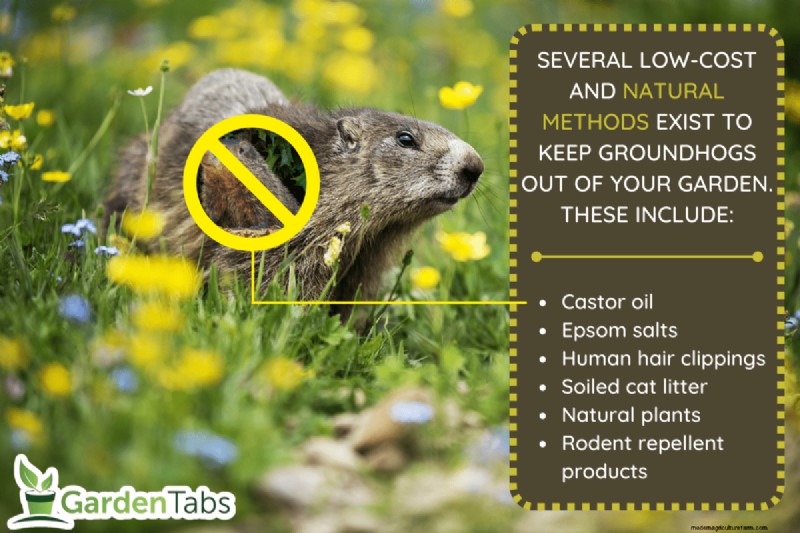
Generally, groundhogs, also referred to as woodchucks, are considered large rodents. Comparable to other species in the rodent family, the groundhogs will dig holes to create burrows and to dig for grubs, which constitute a large part of a groundhog's diet.
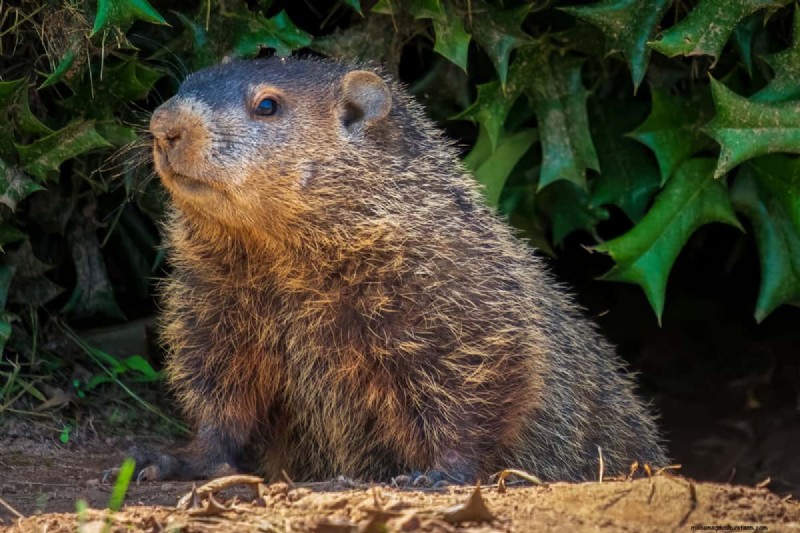
Keeping groundhogs out of your garden via natural methods is a great way to stop them from ruining your landscaping and gardens.
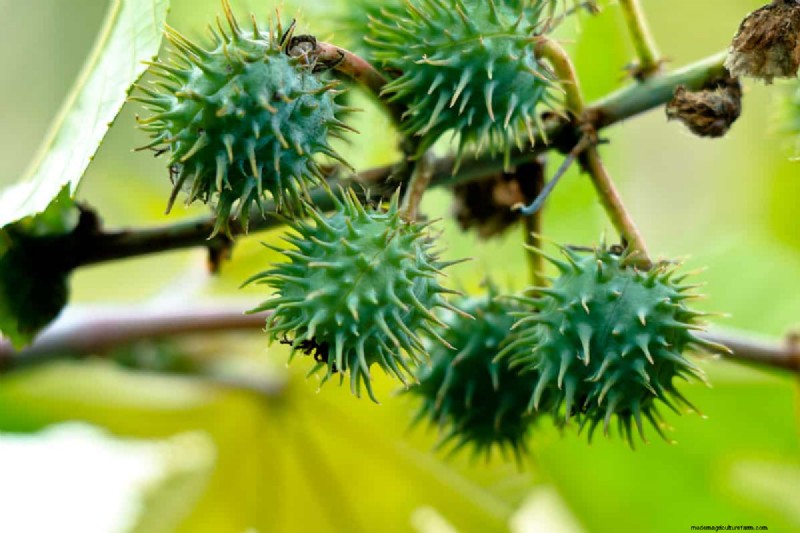
Groundhogs detest the scent of castor oil. Only sprinkle the burrow hole with castor oil after the groundhogs have exited the hole. Otherwise, they will dig themselves a different hole to exit the burrow in order to avoid contact with the oil.
Groundhogs are startled by noise; that's one reason why adding chimes to the perimeter of your garden will help keep the groundhogs from tunneling beneath the topsoil. However, the main drawback to using this method is that when the winds are still, there are no active deterrents to keep the groundhogs away.
Sprinkle Epsom salt around the entrances and exits of the burrows, or pour the salt into a small bowl and set it next to the burrow entrance. Be sure to refill after each rain because the water will dissolve the Epsom salt quickly.
Sprinkle human hair around the burrows, or, if you have enough hair, place it around the perimeter of the garden to prevent groundhogs from burrowing. The presence of human hair will also deter other pests like deer, rabbits, and mice.
Pro tip: wrap human hair around a small stick or twig and stick it in the earth to keep it in place through wind and rain. Otherwise, the hair will blow or wash away if it isn't secured.
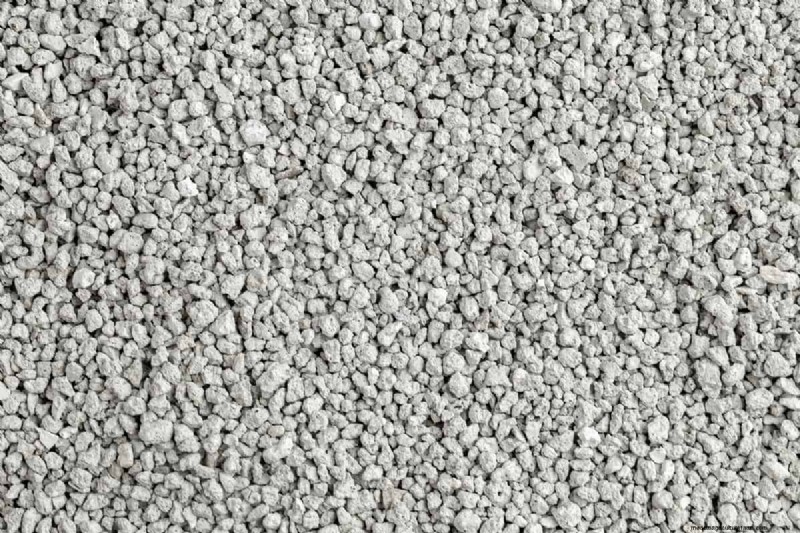
Pour soiled cat litter near the opening of one of the burrow holes (but not both) because the scent of a predator at the entrance and exit will cause the groundhogs to dig another hole.
Although this is a proven method to deter groundhogs and other rodents, please beware that using soiled cat litter in a garden is not encouraged because of the presence of the protozoan parasite toxoplasma gondii in cat feces.
Toxoplasma will add bacteria to the garden, which is harmful to animals and humans in the surrounding environments.
Word of caution: if you or someone in your home is pregnant or may be pregnant, do not change or clean the litter boxes in order to avoid contact with toxoplasma in cat feces, which are toxic to pregnant people.
Implementing a rodent repellent is a good option for deterring groundhogs around outer buildings. It's easy to use; simply follow the instructions on the bottle and reapply as needed.

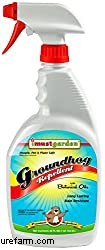

There are several scents that are offensive to groundhogs that will help discourage them from building tunnels beneath the garden.
White vinegar will help deter groundhogs but only if it is sprinkled directly unto the burrow's entrance. Reapply the vinegar after each time it rains.
Yes. Groundhogs will avoid areas where lavender is planted.

Please note that no scientific studies prove Irish Spring soap will help rid your garden of pesky groundhogs. Instead, many farmers and gardeners have reported that placing a bar of original Irish Spring soap in the garden will help prevent groundhogs from building their homes beneath your yard.
Groundhogs are powerful diggers that will create a complex maze of burrows, holes, and tunnels under your yard. It is essential to prevent them from living in your yard, especially if you have or plan to have flower beds and gardens because the groundhog tunnel network will damage the plant's root systems.
Groundhogs can dig burrows that are six feet deep and 20 feet wide, with several existing entrance holes. Also, the groundhogs will build burrows in the woodland areas for winter hibernation, and during the spring and summer, they will build burrows in grassy areas near ample food supplies.
Yes. Groundhogs are herbivores; they will eat tomatoes and most other fruit and vegetable plants.
Wondering how and when to apply four-step plant fertilizer? Click here to read When To Apply Ace 4-Step Fertilizer [And How To]?
Yes. The sounds from the chimes will help keep groundhogs away provided there is continually ample airflow to ring the chimes. Otherwise, the groundhogs will not have any active deterrents when the winds are calm.
Consider adding chimes or other noise makers to the perimeter of your garden along with other methods, such as planting lavender, oregano, or rodent repellent spray.
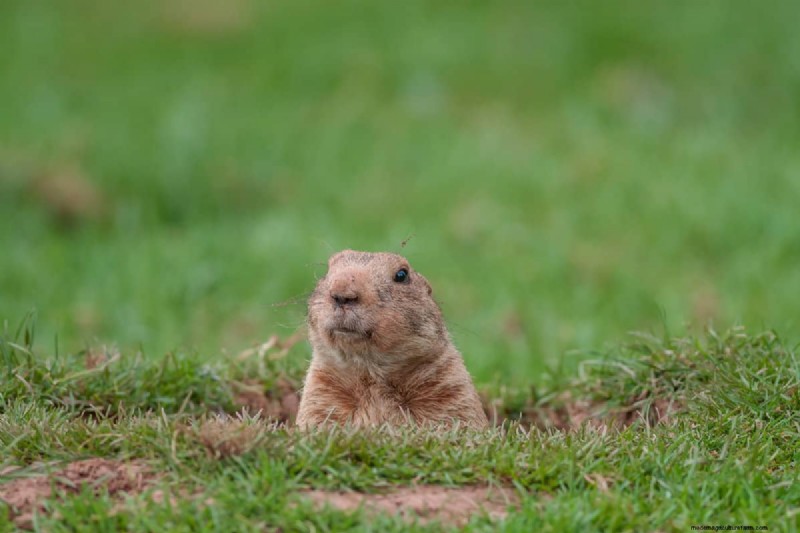
Try implementing the recommendations mentioned earlier such as planting basil or lavender or placing human hair around the shed's perimeter if those options didn't stop the groundhogs from tunneling under your shed.
Consider the next best course of action for preventing groundhogs from digging under the shed and other small buildings which is to install a fence line and bury part of it underground to prevent the groundhogs from tunneling beneath the shed.
Install the fence securely around the perimeter of the building and bury it at least 18 inches below ground, and curve it to the outer side to stop the groundhogs from digging under the mesh fence.
Please note that depending on where you live and the condition of the soil, you might need to bury more or less than 18 inches of mesh fencing. Also, take into consideration the local groundhog population in your area.
Suppose the population is relatively small. Burying the fence 18 inches should be plenty of depth to keep those rodents out.
In the event that you have tried all the recommendations and you are still having issues with groundhogs, consider contacting your local pest control or wildlife habitat sanctuary for further professional assistance.
We appreciate you taking the time to read our article, and we hope you have found it helpful for ridding your yard of groundhogs.
Today, we discussed several different ways to encourage unwanted groundhogs to leave your garden. We also talked about how to stop them from tunneling under your sheds and a bit about groundhogs and how they build their impressive burrow systems.
Please be sure to check out some of our other posts before you go to further your garden and yard knowledge base:
Does Rain Wash Away Pesticides?
10 Walmart Garden Kneelers For A Comfortable Gardening Experience
Does Cedar Mulch Repel Bugs? How Effective Is It?


