
Welcome to Modern Agriculture!

Growing Red Cabbage Plants
Hello friends, today we are here with a new topic called “Growing Red Cabbage”. Red Cabbage is also called purple cabbage, and it belongs to the Brassicaceae family. Red Cabbage is more peppery in taste compared to the usual cabbage due to the presence of anthocyanin pigments. The color of the cabbage is due to the presence of anthocyanin. Also, it makes beautiful stews, salads, and pickles and is a great way to add cancer-preventing carotenoids to your diet. The plant leaves are tightly arranged to form a headed cabbage, having a flat-topped, cylindrical, spherical, or oval shape. They have even leaves, with a rounded shape and average size. The Red Cabbage plant bears a compact head of red leaves. The Red Cabbage plant bears flower spikes easily in cold weather conditions, the reason why the use of tunnels in early spring plantations is recommended.
Red Cabbage is very similar to regular, green cabbage, but there are still some distinct differences that you may need to know about. It contains about 10 times more vitamin A compared to green cabbage, and also it has twice the amount of iron. It stores better than green cabbage and is a low-maintenance vegetable you can plant. It is a beautiful form of one of the oldest-known vegetable plants. The flavor is like that of green cabbage and excellent boiled or stir-fried.
The Red Cabbage is a kind of cabbage and its leaves are colored dark red/purple. Though, the plant changes its color according to the soil pH value, due to a pigment belonging to anthocyanins. The Red Cabbage leaves grow more reddish in acidic soils, they will grow purple in neutral soils, while an alkaline soil will produce rather greenish-yellow colored Cabbages.
Growing Red Cabbage plants is not difficult at all and it prefers cooler temperatures and partial shade. This hardy leafy vegetable plant is susceptible to pests though, so make sure to always keep an eye on it. If planted correctly, you can get 2 crops in one year that means one in the spring and another one in the fall. Growing Red Cabbage plants is very similar to growing green cabbage. You’ll first need to start seeds indoors, so you will need a tray, some Red Cabbage seeds, and starting soil.
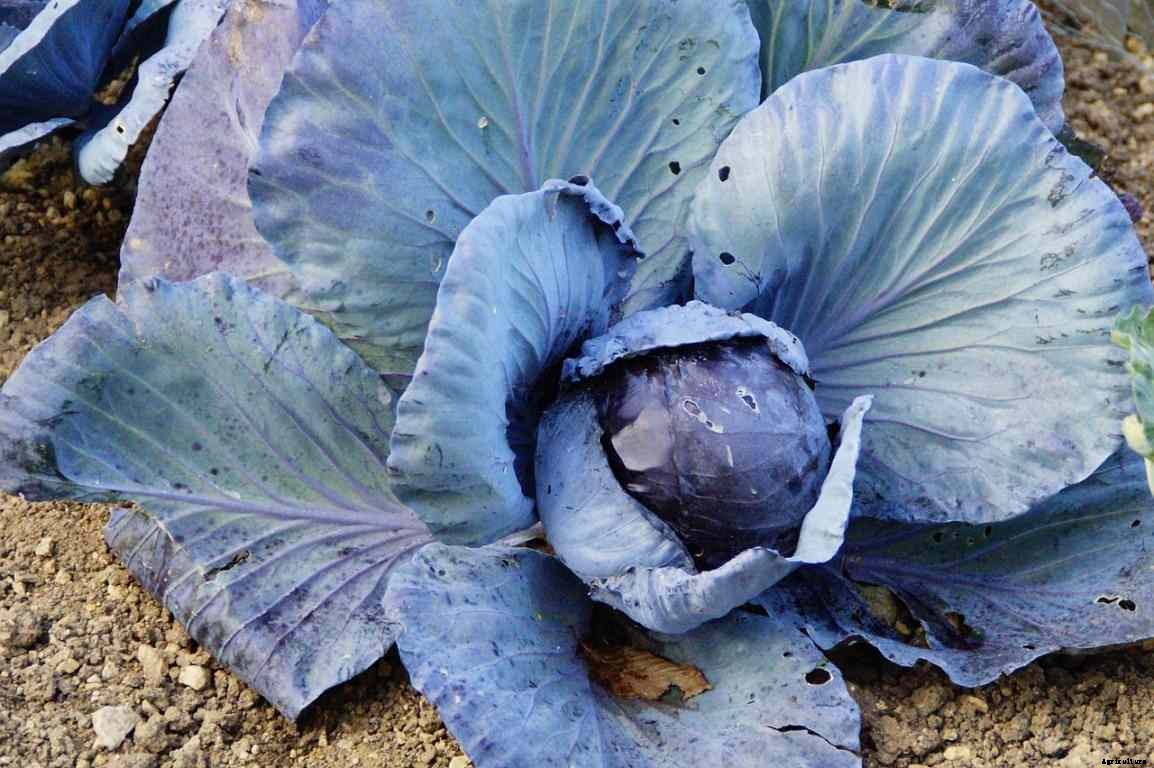
For growing Red Cabbage plants, provide well-drained, nutrient-rich soil that’s high in organic matter. Red Cabbage can be grown in different kinds of soils ranging from sandy loam to clay soil. But make sure that the soil pH level is maintained at 6.5 to 7 to get a good yield. Soil rich in organic matter with good drainage is all that your Red Cabbage plants need to thrive.
Generally, Red Cabbages are sown from February to mid-April for transplanting from April to early June. It does well in humid areas with well-drained fertile soils. The topography of the area must be flat or gently sloping to avoid seed displacement by water when planting. This applies where production is commercial and it should be grown in the sun.
Cabbage can be planted from seeds or scraps. Quality Red Cabbage seeds are available in any agricultural seed company or store. Though, scraps are the cabbage leftovers that are attached to the root.
When growing Red Cabbage indoors from scraps;
When Red Cabbage growing from seed either for subsistence or for commercial purposes;
Keep soil consistently moist throughout the growing season. Typically, established Red Cabbage plants need 1 to 1.5 inches of water per week supplied through rainfall or irrigation. Then, add mulch to help maintain consistent soil moisture.
In case if you miss this: Indoor Vegetable Farming.
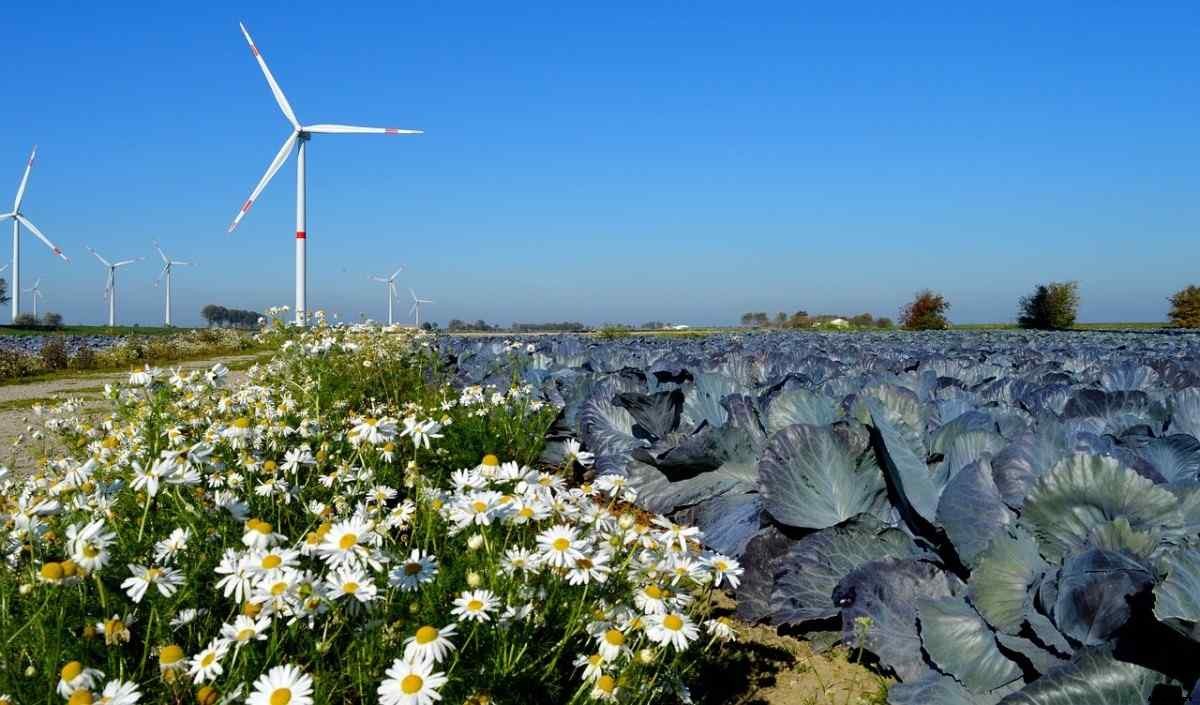
Keep the soil around the Red Cabbage weed-free. Carefully remove any yellow color leaves in Red Cabbage plants or those badly damaged by the caterpillar. Then, keep an eye on the plants over the autumn and winter season, firming the plants down if lifted by frost or pulling some soil up around the stems to help prevent wind rock as needed. Though, do not allow the plants to dry out as this will result in plant bolting. During a prolonged spell without rain (week or more) you must water gently but deeply once a week. As a rough rule of thumb apply approximately 10 liters per meter squared of soil area. Carry out this watering in the morning and try to avoid splashing the plant leaves, watering the soil instead.
At about the 4th or 5th week after seed germination and while plants are growing strongly you can apply a second application of a well-balanced fertilizer. Although not essential, a further scattering of fish blood and bone can increase the vegetable vigor and make them less susceptible to plant ills. Once scattered the fertilizer must be lightly scratched into the surface of the soil followed by gentle but deep watering of the soil.
Why Red Cabbage Won’t Form
Splitting
This is one of the major problems that you can face while growing Red Cabbage. Splitting is more common in quick-growing and early-season plant varieties. Some reasons for Red Cabbage would split are overwatering, heavy rains, and drought, etc. You can avoid cabbage head-splitting by providing mulch to your plants which will retain moisture in the soil.
Inadequate moisture levels
Some of the common Red Cabbage growing problems result from under or overwatering. Red Cabbage plants prefer consistently moist, but not soggy soil. Though, the main signs of inadequate moisture levels include plants that don’t form heads, plants that rot, or cabbage heads that split upon maturity. Supply water during dry spells and plant Red Cabbage in well-draining soil to correct this problem.
Wilted and Yellow Leaves
Yellow leaves mean many things, from overwatering to Clubroot, a common disease that affects cabbage. The most obvious symptoms of clubroot are yellowing and wilting leaves. Avoid this problem by keeping the plant healthy and your garden free of insect pests, weeds, and debris. Also, don’t plant Red Cabbages or other related vegetables in the same spot year after year.
Bolting and flowering
If cabbage sends up a flower stalk instead of forming ahead it is called bolting. Usually, bolting occurs in cabbage when temperatures get too hot. When the ground temperature goes above a certain temperature, the plant will produce flowers and seeds rapidly and abandon leaf development, trying to quickly produce the next generation of seed. Once a Red Cabbage plant bolts, ahead will not form but you can still eat the leaves. Harvest the Red Cabbage as soon as possible, or they’ll start to taste bitter.
Improper nutrients
Red Cabbage plants are heavy feeders and require adequate amounts of nitrogen for leaf growth. And, too little boron in the soil causes Red Cabbage leaves to taste bitter. Then, these issues can be addressed by having the garden soil tested and amended as needed. Incorporate compost into the garden yearly and then feed cabbage throughout the growing season with a balanced (10-10-10) fertilizer or compost tea. As Red Cabbage plants begin to set heads, to prevent cracking by reducing nitrogen supplementation.
Companion cropping keeps plants healthy and also free from insect pests such as slugs, flea beetles, and aphids. There are mainly three categories of crops that are beneficial to cabbages;
Red Cabbage can also be planted alongside beans or cucumbers because these crops do not require the same nutrients as cabbage. Some plants like tomatoes, cauliflower, broccoli, or strawberries should not be planted along with cabbage if you hope to get good produce.
Common issues – Watch out for some problems like cabbage loopers, cabbage worms, cabbage root maggots, slugs, aphids, and flea beetles. Disease-wise, blackleg, black rot, and clubroot, and yellows can occur.
Plant dill near your Red Cabbage plants to protect them from imported cabbage worms. Then, this will attract beneficial wasps that will kill the cabbage worms and other pests.
Pests are a common occurrence in all agricultural produce. Foliage-feeding caterpillars, cabbage webworms, aphids, flea beetles, and cutworms are just but a few of the common pests known to attack the Red Cabbage. Other pests can be hand-picked by using biological pest control.
Plant diseases like black rot, fusarium wilt, sclerotinia rot, and tip burn are common in cabbages. These diseases can be controlled by keeping the seedbed dry, planting resistant varieties, and spacing the plants well for proper aeration.
You may also check this: Weed Management In Organic Farming.
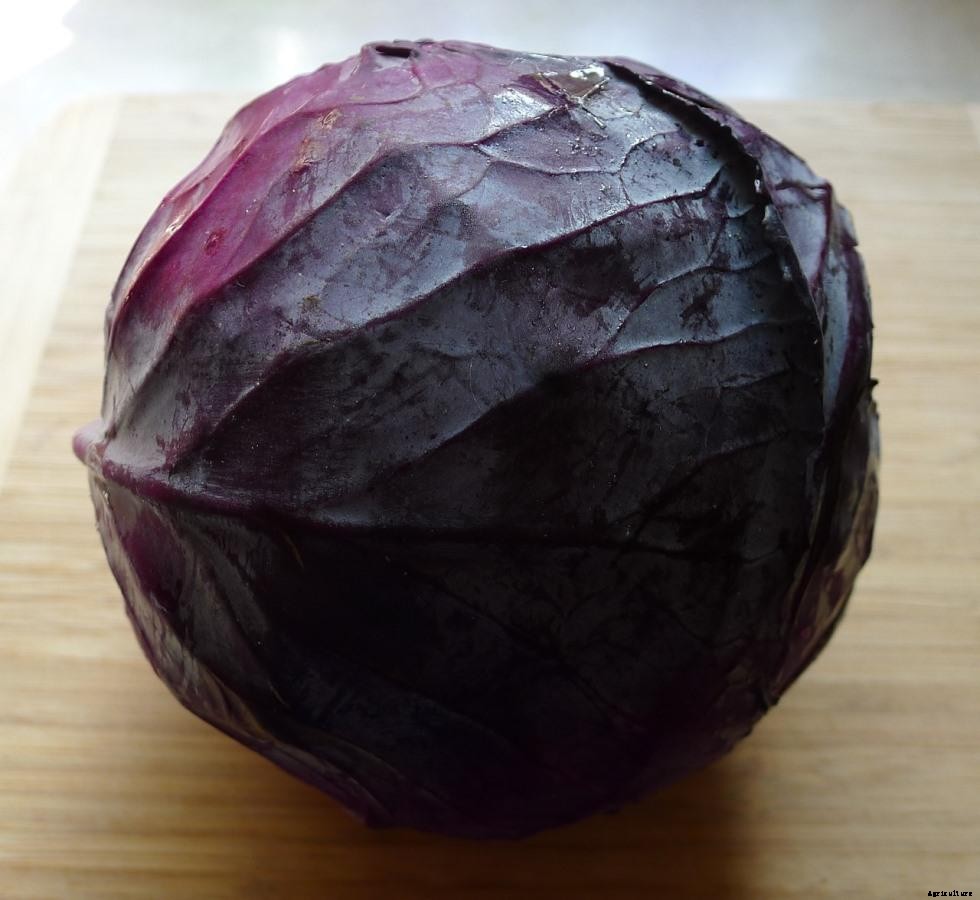
Is Red Cabbage better than Green?
Both red and green cabbage is good for health, while Red Cabbage packs a more powerful nutritional profile and more overall antioxidants. For example, Red Cabbage contains about 85% of the daily vitamin C our bodies need, while the green version provides 47%.
How much time does it take to grow Red Cabbage?
Red Cabbage is ready for harvest once they are big enough and have that deep and purple color. Simply pull from the ground gently or by using a sharp knife to cut at the bottom. Then, it will take approximately 70 days from planting to harvest.
Does Cabbage need full sun?
Cabbages need full sun at least 6 to 8 hours of direct sunlight per day.
How much space does Red Cabbage want to grow?
Depending on the variety, space plants about 18 to 24 inches apart.
Why are cabbage plants not forming ahead?
Excess nitrogen can cause the plant to form more leaves that are loosely held and do not make ahead. Early damage by cutworms can prevent the plant from heading. Club rot in soggy alkaline soils is another reason for cabbage won’t form ahead.
Why are my cabbage plants dying?
The major cause of cabbage wilt is improper watering. While it stands to reason that a plant that does not get enough water will eventually wilt, improper and inconsistent watering can also cause the cabbage to wilt.


