
Welcome to Modern Agriculture!

Growing Spring Onions, Farming Tips, Ideas, and Secrets
Hello friends, we are here with a new topic of growing spring onions. Spring Onions are very easy to grow for subsistent and commercial purposes and consumers like them because they can be used in a variety of recipes. These varieties of Spring Onions are non-bulbing grown from seeds. It is an early and highly productive onion grown for stems rather than bulbs with attractive tasty dark green color leaves. Then, the journey of Spring Onions begins from the nursery and later transplanted in the field for good establishment.
Spring Onions are sometimes called scallions, bunching onions, long green onions, Japanese bunching onions, and salad onions. The mild, sweet flavor of Spring Onion is quite something, and this is a good source of vitamins A, B, and C. They come in white and red color stemmed varieties, to brighten up a salad.
Scientifically Spring Onion called Allium fistulosum. Spring Onion is a species of perennial plant that is considered to be a kind of scallion. Spring Onions are an excellent choice because it is tasty and versatile vegetables that only need minimal space and effort. It tastes like a muted version of the mature onion varietals, only with a much mellower and sweeter flavor.
Spring Onions are similar to scallions or green onions, but they have a small bulb at the base. In England, all green onions are referred to as Spring Onions. Usually, you can grow Spring Onions from seeds or bulbs. Once planted you must keep the soil moist and weed-free to help the plants grow.
Spring Onion mainly provides crisp and crunchy stems that add flavor to salads, stir-fries, and other dishes. Also, they are ideal to grow in pots and containers and ideal to plant in unused small spaces.
Three forms of Spring Onions can be planted by seeds, transplants, and bulbs (or sets);
Now, let us get into the details of tips for growing spring onions.
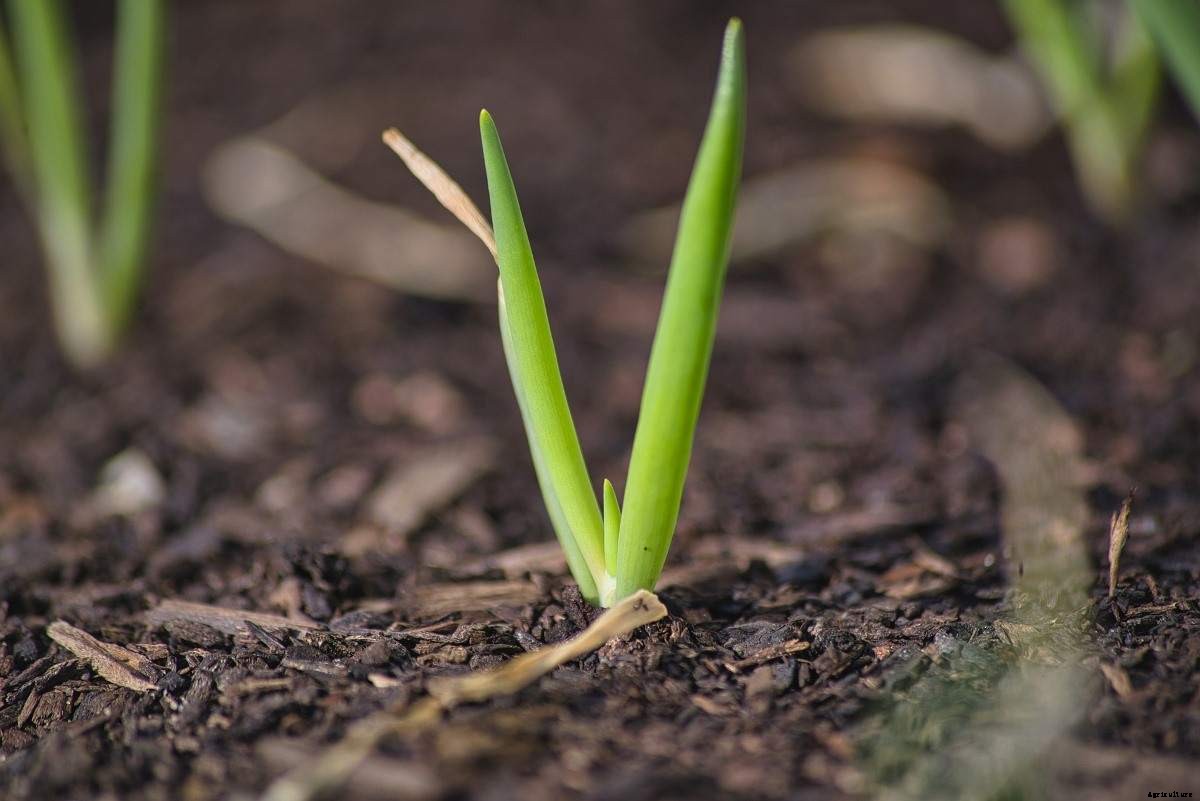
The main varieties of Spring Onion are Straight leaf and selections of Straight leaf. They include Dynasty Winter King and Summer King. They are seeded at a rate of about 6 to 10 kg/ha. Spring Onions add interest to many dishes.
The benefit to growing Spring Onions from seed is that you can try varieties not readily available in the supermarket. Choose from solid all-rounders or those best suited to pickling or growing over the winter season. Here are some of our Spring Onion favorites;
The light and well-drained soils of the Swan Coastal Plain are ideally suited to grow Spring Onions. The best soil for the Spring Onion crop is slightly acid, with a pH between 5.3 and 5.8 (using calcium chloride to measure the levels).
The Spring Onion produces the highest yields and best quality in the late spring season. However, day length does not affect production so, unlike bulb onions, Spring Onion crop is produced throughout the year. Demand is highest in the summer season, but burnt tops and yellowing can impair quality at this time of year. Winter crops are softer and less vigorous. Plant Spring Onions in a sheltered position since breakage or bending of the green color leaves reduce marketability.
Sow the first batch of seeds indoors just before the spring season, which is the end of February. This approach is a lot cheaper than bulbs. It does take up to 3 to 4 weeks for them to germinate. You should sow a new batch of seeds every 3 weeks right up to July for a constant supply of fresh Spring Onions.
You may also check this: Fish Farming Profit Per Acre In India.
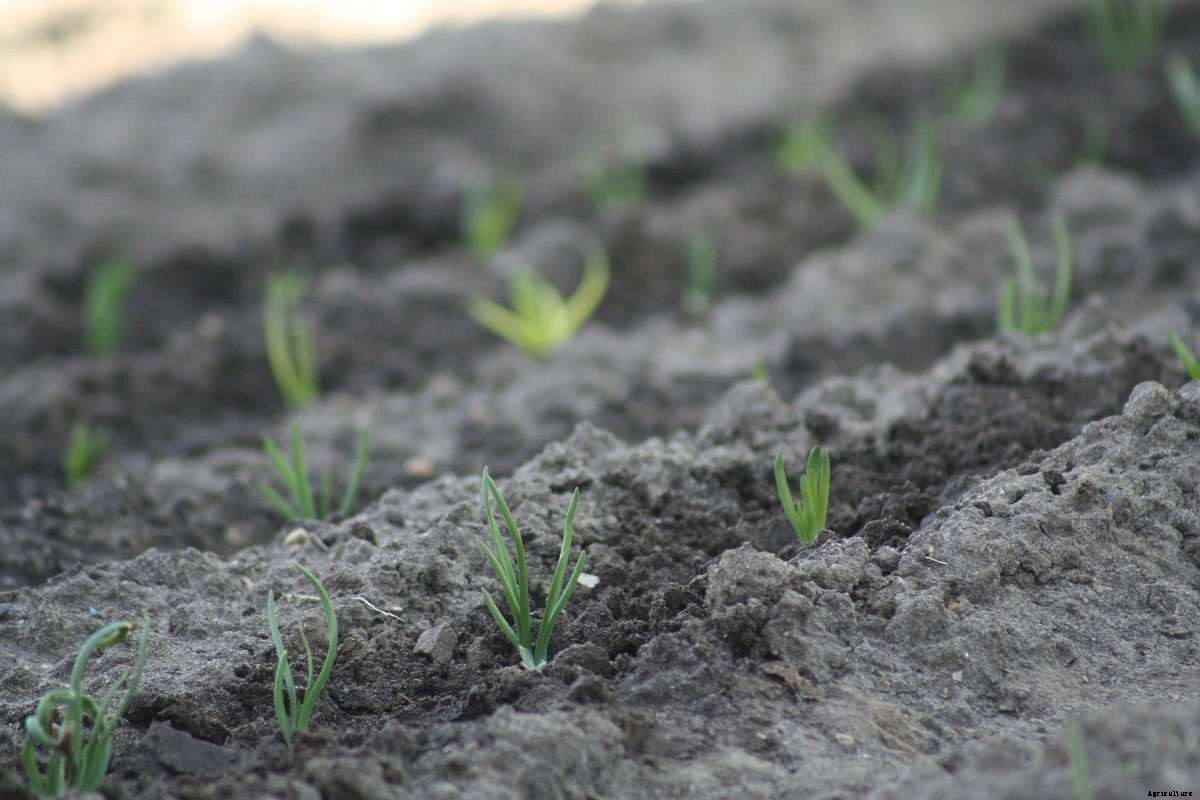
Step 1) Spring Onions need a soil pH level of 5.3 and 5.8 to grow well. Amend soil with compost or other organic matter. Spring Onions do not like acidic soil.
Step 2) Space the Spring Onion seeds about 2 inches apart to give the bulb room to grow when it matures. You can plant rows about 6 inches apart. When the Spring Onions first start to grow, they will have needle-like fine stalks, but these will soon become larger.
Step 3) Keep the Spring Onions evenly moist and free of weeds. It is best to grow Spring Onions in a weed-free environment. Though, mulch around the plants to retain moisture and then prevent the soil from drying out too quickly.
Step 4) Spring Onion plants prefer abundant sun and well-prepared, healthy soil with good drainage. If possible, till in aged manure the fall before planting the Spring Onions. Onions are heavy feeders and require constant nourishment to produce big bulbs. If needed, add a natural nitrogen source when planting like fish emulsion or aged compost.
Step 5) Plant Spring Onions as soon as the ground can be worked in the spring, usually March or April. Plant the bulbs about an inch deep and 4 inches apart. Plant no more than 1 inch deep, otherwise, bulb formation can be restricted.
Step 6) Feed the plants every few weeks with nitrogen-rich fish emulsion to get good-sized bulbs. Synthetic nitrogen fertilizer will produce larger bulbs at the expense of flavor. Do not put the soil back around the Spring Onions; the bulb needs to emerge above the soil.
Step 7) Usually, onions have short roots and need about an inch of water per week. Raised beds and rows are good growing locations and it is important to keep onion rows weed-free until they become well established. Also, mulching helps to protect them from weeds competing for water, as well as preventing moisture loss from sun and wind.
Step 1) Cut the Spring Onions and keep the roots. If you have purchased Spring Onions from the store, you can save the roots and then replant them. After you have used the Spring Onions in cooking, cut off the root approximately 1⁄2 inch from the end.
Step 2) Place the roots in water. After you have cut off the roots of the Spring Onions, and place them in water with the shoots sticking up. After few days you will begin to see a bit of new growth. Then, they are then ready to be planted in your garden or small planter.
Step 3) Dig a row of small holes. The holes must be deep enough to completely cover the roots. Space the onions at least 1 inch apart. If you are planting more than one row of onions, the rows should be no less than 6 inches apart.
Step 4) Place one bulb into each hole. The roots should be completely covered and the sprouts must be sticking out of the soil.
Spring Onions like moderate moisture and water the onions when the soil is starting to dry around the onions. Be careful not to overwater the plant or you will get larger onions with a very weak flavor. Spring Onion plants need to be well watered throughout their growth. This is because of their short root length. By keeping the plants well-watered, you sustain them to ensure they produce the best quality crops. Even during cold but dry periods throughout the winter season.
Monitor your plants for pest and disease problems. Spring Onion plants mature quickly, so they do not suffer from pests as frequently as other onion varieties do. If you do notice pests, and then apply an organic pesticide to the infested crop to kill or ward them off.
Spring Onions mature so fast that they tend not to suffer from some pests and diseases thus in 70 days or less. But in case of any pests and diseases, a farmer should spray by using fungicides. This will eliminate some fungal diseases like mildews. Also, insecticides are good for pests especially onion thrips.
Onion flies can be managed by spreading out your Spring Onion plants as well as pushing down the soil around each plant firmly to prevent the flies from laying eggs. And, another deterrent is to mix a light coating of sand with the soil.
The main disease is in Spring Onions downy mildew, which is especially serious when dew is prevalent on the plants. Though, it is good practice to rotate Spring Onions with other crops which are not in the onion family.
Thrips are a major pest of Spring Onions. These small sucking insects are active in the warmer months and then cause small and white spots on the leaves. Dimethoate or endosulfan will control thrips. Because of their quick-growing habit, pests are not too much of a problem compared to other onion plant varieties.
Onions flies can be a problem in Spring Onions. To combat them, spread out Spring Onion plants and push down the soil around each of the plants to prevent the pests from laying eggs on them. If you notice mold on any of the Spring Onions, remove them so that the rest of the Spring Onion plant is not affected.
In case if you miss this: How To Grow Organic Corainder.
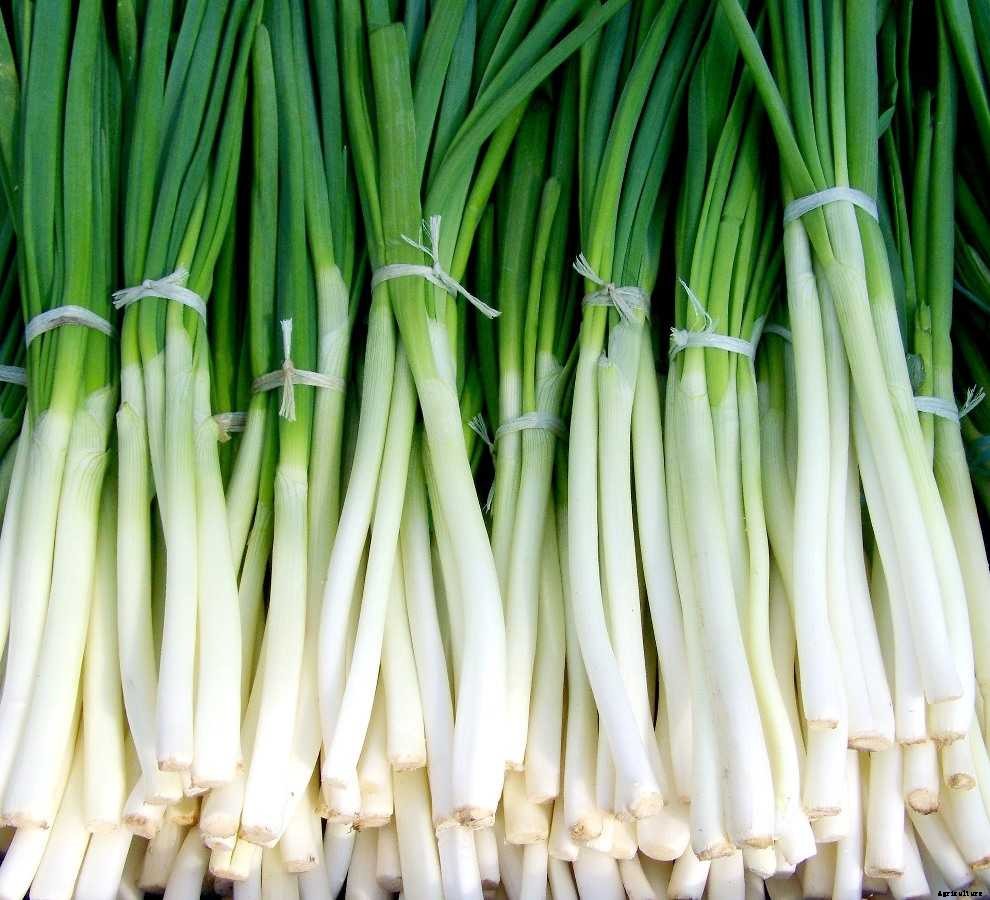
Generally, harvest Spring Onions after 8 weeks. Spring Onions are ready to eat once they reach about 6 inches in height with a thickness of about 1⁄2 inch. Usually, this takes approximately 8 weeks, but some may take a few weeks longer. You can allow your Spring Onions to continue growing past this point, but you should pull them once they reach a diameter of about 1 inch. Otherwise, the flavor will be weaker. It takes approximately 8 weeks for Spring Onions to mature. Your onions will be ready for harvest when they reach a height of about 6 inches and a thickness of about 1/2 inch.
Spring Onions are ready for harvest when the bulb has grown large and then the green top begins to brown and fall off. Usually, Spring Onions mature in about 8 to 10 weeks in summer and 12 to 14 weeks in the winter season. Pull the plants when they are 30 to 40 cm high and have a stem thickness of about 8 to 15 cm. Do not cut the roots or leaves. Discard any plants with blemishes on the plant leaves and any without green leaves. A small spade or garden shovel can also be used for harvesting the Spring Onions. The onions will continue to grow and then re-sprout more green tops.
Why won’t my Spring Onions regrow?
If you have trouble getting the Spring Onions to regrow, it can be one of these causes;
How long do Spring Onions take to grow?
Easy-to-grow vegetables that are ready to harvest in just 8 weeks make Spring Onions a firm favorite.
What is the main difference between scallions, green onions, and Spring Onions?
The difference between scallions, green onions, and Spring Onions is the growing time before being harvested. Also, identify them by their bulb scallions have the thinnest, usually no wider than the onion’s stem. Normally, green onion bulbs are slightly larger and Spring Onions’ are round.
Can you regrow Spring Onions?
Spring Onions are easy to regrow at home and they can be snipped as and when you need them.
How many times can you grow Spring Onions?
Harvest Spring Onions 2-3 times. Then you can use the bulbs as well, discard the roots and then start again with new ready-grown Spring Onions.
Why are my Spring Onions turning yellow?
Spring Onion plants need evenly moisturized soil to thrive. So, watering is one of the most important resources of this plant. Yellowing of the Spring Onion plant could either mean you’re overwatering or under watering it.
Do Spring Onions need a lot of water?
Spring Onion plants need to be well watered throughout their growth. This is because of their short root length. By keeping them well-watered, and you sustain them to ensure they produce the best quality crops. Even during cold but dry periods throughout the winter season.
What is the main difference between onion and Spring Onion?
An onion has different tastes, and it can be strong, mild, aromatic, tear-inducing, acidic, salty, bitter, sweet, and much more. While Spring Onions taste milder, they rarely taste extremely pungent and can be eaten raw because of their sweet taste and tender texture.


