
Welcome to Modern Agriculture!

Today, let us talk about Kitchen Garden Tips.
The Kitchen Garden is a Place where you can develop Herbs and Vegetables. A Kitchen garden ensures an inexpensive, regular, and handy delivery of fresh vegetables, which are basic to nutrition. Green color vegetables contain vitamins and minerals, which protect us against diseases. Lack of vegetables, particularly green leafy vegetables, leads to malnutrition, which causes diseases like anemia and night-blindness. Dark green leafy vegetables known as Palak and brown vegetables like carrots prevent blinding malnutrition.
The kitchen garden helps us to solve our food problem. Apart from green and leafy vegetables, we can also develop several roots and tubers like potato, suran, goradu, etc., which are similar to cereals and give us heat and energy. These roots & tubers can be substituted with cereals. The kitchen garden method prevents pollution of air. The kitchen garden purifies the air through the plants. Plants breathe in carbon dioxide-CO2 and breathe out oxygen which is vital for our life, In order to preserve health and prevent malnutrition; we should build up a kitchen garden; grow fresh & clean vegetables and make them a part of our daily diet. Since early times a small plot near to the house used for growing a variety of vegetables according to the season. Local varieties such as radish, broadleaf mustard, red chili, beans, pumpkins, etc. are all grown in the kitchen garden.
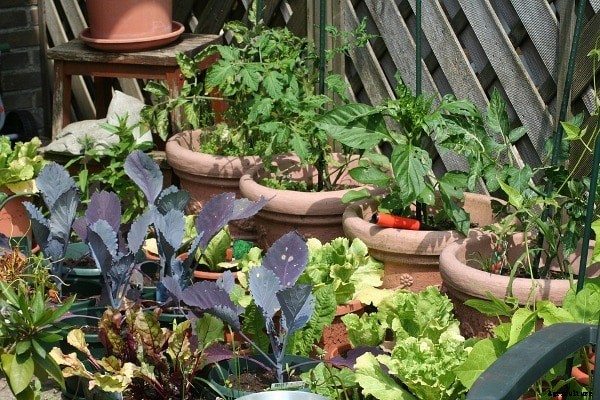
Most of the farmers are using chemicals to grow the vegetables. Because of that reason, we are facing a lot of health issues. The toxic content in the vegetables is degrading our health a lot. In Kitchen Garden, you can grow 100 percent organic, fresh, and healthy vegetables for your entire family.
Air pollution is one of the main problems in urban life. Since there are fewer trees in the cities, the quality of Fresh and clean air is decreasing. Hence this Kitchen garden method comes to the rescue. The kitchen garden will definitely increase the quality of air in your home and backyard. By inhaling this fresh & clean air, your health will also improve over time.
Maintaining a Kitchen garden method will increase the aesthetic value. It will please your eyes whenever you look at the Kitchen-garden. For sure, the Kitchen garden will lift our mood a lot better. It will bring a little positive vibe.
Many people have lots of hobbies and habits. One of the best hobbies is maintaining the Kitchen-garden.
We are raising plants in our backyards for ages. Though there are so many plants and trees, we grow only certain types of plants. This is for the reason of the Aura that they have. Tulsi, Neem, and Peepal are the topmost among the plants & trees that will provide you the best Aura for you.
Organic vegetables: You can grow your own vegetables organically and they will be without any contamination.
Compost: It is the type of Plant Fertilizer that is made up of decaying organic material like Kitchen Wastes.
You will get Two Benefits from the Compost.
Cheap and Easy way of getting Vegetables: By Kitchen garden, you can develop vegetables in your Home that help you to save some of you money that you spend buying Vegetables Locally.
Recycling: By the Kitchen gardening we can recycle your Vegetables. For Example, you can gather your unwanted vegetables and make a Compost of it, and again, you can use Compost Growing new Vegetables and Herbs.
The kitchen garden should never be located in a shady place rather it should collect sunlight for the most part of the day. However, in cities, there is hardly any choice as regards size, shape & location is concerned. Under such situations, whatever space is accessible has to be utilized. If the garden is located outside the house alive fence all around be raised to care for the garden.
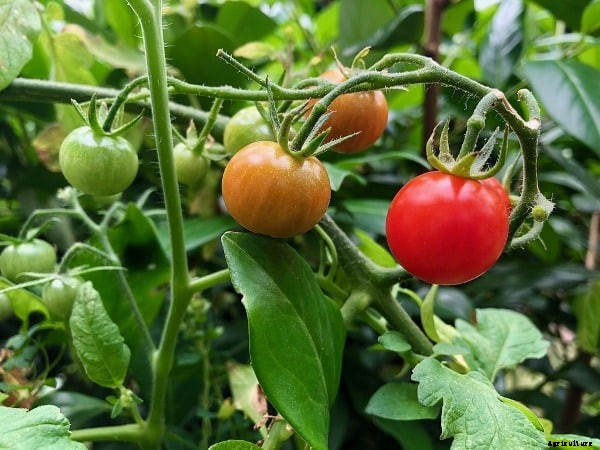
Selection of crops for kitchen garden depends on 2 factors, i.e. the size of the garden & choice of the family. Only those vegetables are developed which are suited to the region and produce satisfactory yield. The cultivars or varieties should be chosen according to the suitability for the region and season. Preference is given to those crops where freshness is key from the edibility and the food value point of view. Such crops include tomato, chili, beans, pea, salad crops, and leafy vegetables, etc.
Wire or plastic mesh, Wooden poles example, eucalyptus poles or bamboo, Panga or Hacksaw, Stones – Small to medium-sized, Nails, Hammer, Wire mesh cutter, Manure or organic compost mixed with topsoil, Ash, A shovel, Polythene, Seedlings ready for planting and a watering can
Pick the right location:
Picking a good location for your garden is very important. Here are a few tips for selecting a good site:
Plant in a sunny location:
Most vegetables need at least six hours of direct sunlight per day. The more sunlight they receive, the better the harvest, the bigger the veggies, and the better the taste.
Plant in good soil:
Plants’ roots penetrate the soft soil more easily, so you need a good loamy soil. Enriching your soil with fertilizer provides needed nutrients. Proper drainage will ensure that water neither collects on top nor drains away quickly.
Plant in a stable environment:
You don’t want to plant in a place that’s prone to flooding during heavy rains, and in a place that tends to dry out a lot. You also don’t want to plant somewhere strong winds could knock over your young plants or keep pollinators from doing their job.
Type and size of the garden:
Preparing the garden site:
Choosing garden tools/equipment:
Selection of Plants for your Kitchen Garden:
Watering the Kitchen Garden:
Fertilizing your Kitchen Garden:
Weed control in Kitchen Garden:
January: sow or plant muskmelon, watermelon, coriander, lettuce, spring potato, European radish, and late cauliflower (if not planted earlier).
February: sow or plant okra, luffa, cucumber, snap melon, amaranth, bottle gourd, pumpkin, summer squash, bitter gourd, European radish, leaf beet, pointed gourd, eggplant, chilli, and tomato.
March: repeat sowing of okra, amaranth & leaf beet. Sow cowpea, cluster bean, round melon, and other above-mentioned crops if not sown already. Plant elephant foot yam, peppermint, and artichoke.
April: continue with the crops sown in March.
May: Sow rainy season okra, radish, cucumber, bottle gourd, bitter gourd, and pumpkin.
June: Continue with the crops sown in May and also sow early cauliflower, cowpea, and cluster bean, Dolichos bean, round melon, sweet potato, and radish.
July: Sow early cauliflower, cluster bean, bottle gourd, tomato, Dolichos bean, chilli, okra, and eggplant. Also sow radish, leaf beet & cauliflower of the second group.
August: Plant chilli, cauliflower, leaf beet, turnip- Asiatic type & carrot. Also sow cabbage, fenugreek, Knol-Khol, Chinese cabbage, onion bulb sets, Beetroot, and coriander.
September: sow early pea, coriander, onion bulb sets (Kharif onion), radish, turnip, celery, beetroot, Dolichos bean, cauliflower (late group), cabbage, carrot Knol-Khol, lettuce, leaf beet, potato, and pea.
October: sow or plant parsley, lettuce, parsnip, potato, turnip, beetroot, radish, garlic, pea, French bean, onion, and Knol-Khol.
November: sow the crops mentioned for October month. Also sow pea, tomato & spinach.
December: Sow tomato, spinach, late cauliflower & pea, if not planted already
Good management of the Kitchen garden needs knowledge of all these. Then we can make our kitchen garden is more successful.
In case if you are interested in this: Okra Growing Tips, Ideas, Secretes, and Techniques.


