
Welcome to Modern Agriculture!

Introduction to small home gardening design, secrets, ideas, techniques, and tips: Home gardens can be divided into annuals, biennials, and perennials. A variety of commodities are often produced, such as livestock, beekeeping, and biogas. Most people use the lower layers of plant canopy in their home gardens. Home gardens are also known as domestic gardens, compound farms, household gardens, and kitchen gardens. It is our living environment. Having made improvements to the Garden sustainably, it turns into the home garden. A home garden provides vegetables for family consumption. Fresh vegetables are a continuous source of nourishment for the family when grown this way, but it is inexperienced. Therefore, a home garden contributes to the family’s nutrition and may even generate additional income. Following are some essential characteristics of a home garden.
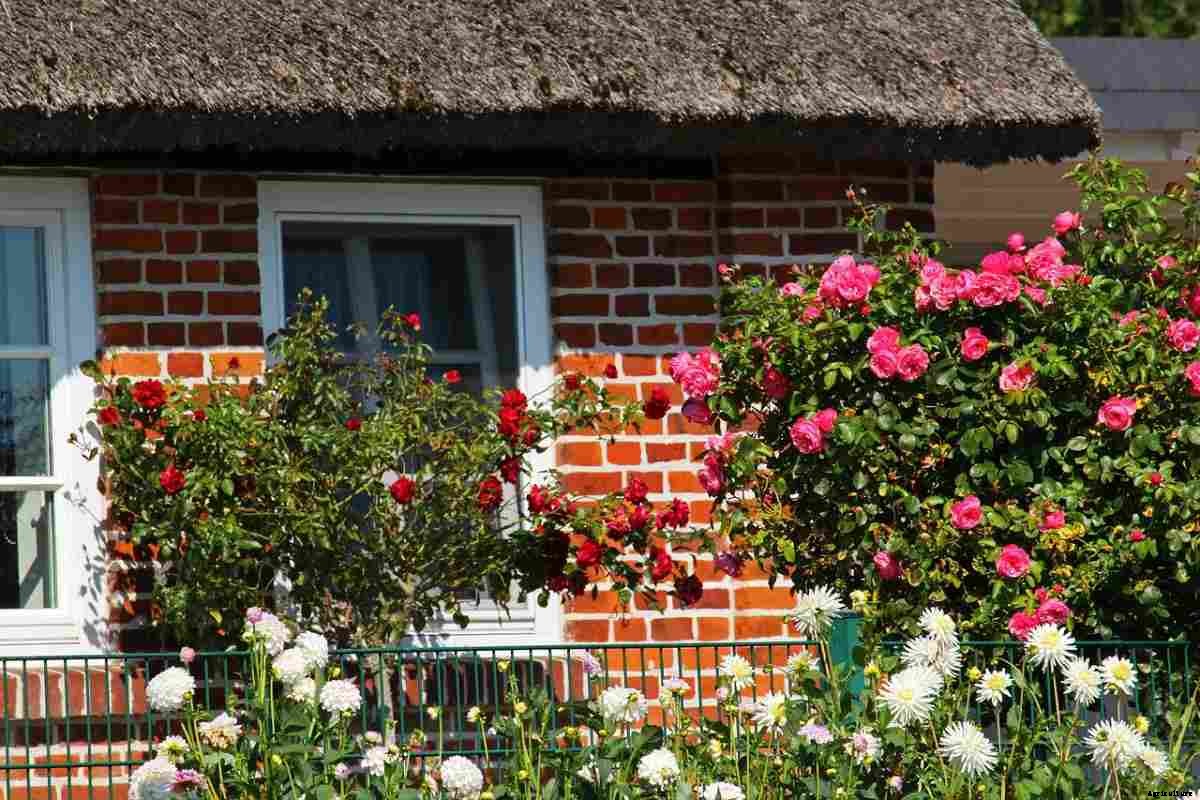
Here are some things to consider before starting your home garden.
Use height: Space is available in walls, garages, and fence sides. You can use your Garden to display photos, mirrors, and cabinets just as you do inside your house. Decorate high spaces with climbing plants such as Trachelospermum (star jasmine) and Phlox subulate McDaniel’s Cushion. Bloom high with trailing Pelargonium, window boxes, and architectural wall managers. Living wall gardens look contemporary and exciting and are a great way to fill a bare space. One way to create a vertical carpet of foliage using a pallet is to attach it to a wall and fill it with potted plants until it is hidden behind foliage. For example, Salvia microphylla ‘Kew Red’, Campanula persicifolia, and edibles such as lettuce ‘Lollo Rosa,’ with succulent strawberries, are good plants to include on a living wall. Adding a few of these to your balcony or garden will make the space seem more significant and have the wow factor.
Compartmentalize: You can create your secret Garden complete with cozy hideaways and hidden areas. Plant different plants and garden furniture in each section of your Garden, and use bamboo screens, trellis, and foliage walls for visual interest. Small seating areas, private retreats, and relaxing escapes will be hidden with these. Divided gardens with ornamental grasses can soften their appearance at the lower levels and give them more depth. For example, consider Festuca glauca ‘Elijah Blue’ and Stipa tenuissima (Mexican feather grass). As a result, you won’t see everything at once, making it feel more prominent. A garden arch, for instance, can separate areas even in small spaces.
Pave diagonally: With a slight trick of the eye, you can increase the perception of your Garden’s size by laying your paving squarely. Placing granite slabs on points will make the illusion of a more extensive garden. If you want to take advantage of broken and mixed slabs, arrange a topsy-turvy garden. Similar to diagonal paving, this can give the illusion of a larger space. Select ‘Sable’ textured paving in ‘Sun Grande’ sand tone from the Pavestone ‘Discovery’ porcelain range for a sandy shade of’ Apollo. Your Garden will look more contemporary and open with these types of paving.
Add trees: Adding giant trees to any small garden design is. The trees will provide privacy and height. You are creating a green roof with canopy trees, such as Prunus cerasifera (cherry plum), that require little space on the ground. You can also remove the lower stems to create additional space.Decorative and ornamental trees can also look good. An olive tree, for example, transforms any area into a Mediterranean paradise.
Keep it bright: A compact space can seem lighter and more prominent with plants and features that have bright colors. Dark patches can be brightened by golden colors such as Rudbeckia hirta’s ‘Irish Eyes’ or golden Alyssum montanum.You will be able to enjoy the beauty in your garden with this gorgeous foliage and shrub display. A room feels more intimate when it is decorated in hot colors like reds and dark yellows. By choosing cool colors like light purple, white, and blue, you will feel like you’re in a larger space.
Attract wildlife: You can bring the joy of birds and insects into your Garden with birdhouses, feeding stations, roosting pouches, and insect hotels. Make sure your Garden has space for wildlife, even in the most miniature gardens. Plan flowers that will appeal to wildlife, please bees and butterflies, and bring you many colors. The children will have great fun, and it will soon turn into a hive of activity.
Use your furniture cleverly: Adding furniture to your miniature Garden can be a great addition, but too much or the wrong kind could cause clutter and cost you valuable space. In bulky benches or bulky seating, you should opt for compact options such as bistro tables and chairs. With this type of garden furniture, any miniature garden can have a European aesthetic while still taking up very little space. You can enjoy croissants, coffee, and orange juice while you bask in the morning sun as a result.
Use containers: Plants in pots are great for small trees or flowering bedding plants. They are easily moved and changed. It can be conducive when you don’t have a lot of space since you can instantly whip up a new garden design. Container gardens allow you to keep everything flexible and more straightforward to maintain. Using containers for your small gardens will allow you to get the most out of them. You can grow healthy fruits and vegetables in pots during the spring and summer, including tomatoes, beans, lettuce, peppers, chilies, radishes, and even carrots.
Sound and movement: Add motion and sound to your garden design to make it more interesting. For example, a water feature is readily incorporated into the tiniest Garden. Often, the water feature is powered by the pump in the reservoir. It creates a peaceful environment and a focal point – perfect after a long day at work.
Create privacy: The problem with small gardens is that others look in on them from the buildings around them. Build arches and pergolas for secluded seating, and cover the arches with climbing plants. The wisteria and the Virginia creeper (Parthenocissus quinquefolia) are fast-growing, large, and require a lot of pruning. A climbing rose, Clematis, or Lonicera (honeysuckle) will all add beauty to your Garden. As well as its terrific fragrance, Jasminum (jasmine) offers beautiful foliage to provide cover.
In case if you miss this: Outdoor Gardening Tips For Beginners.
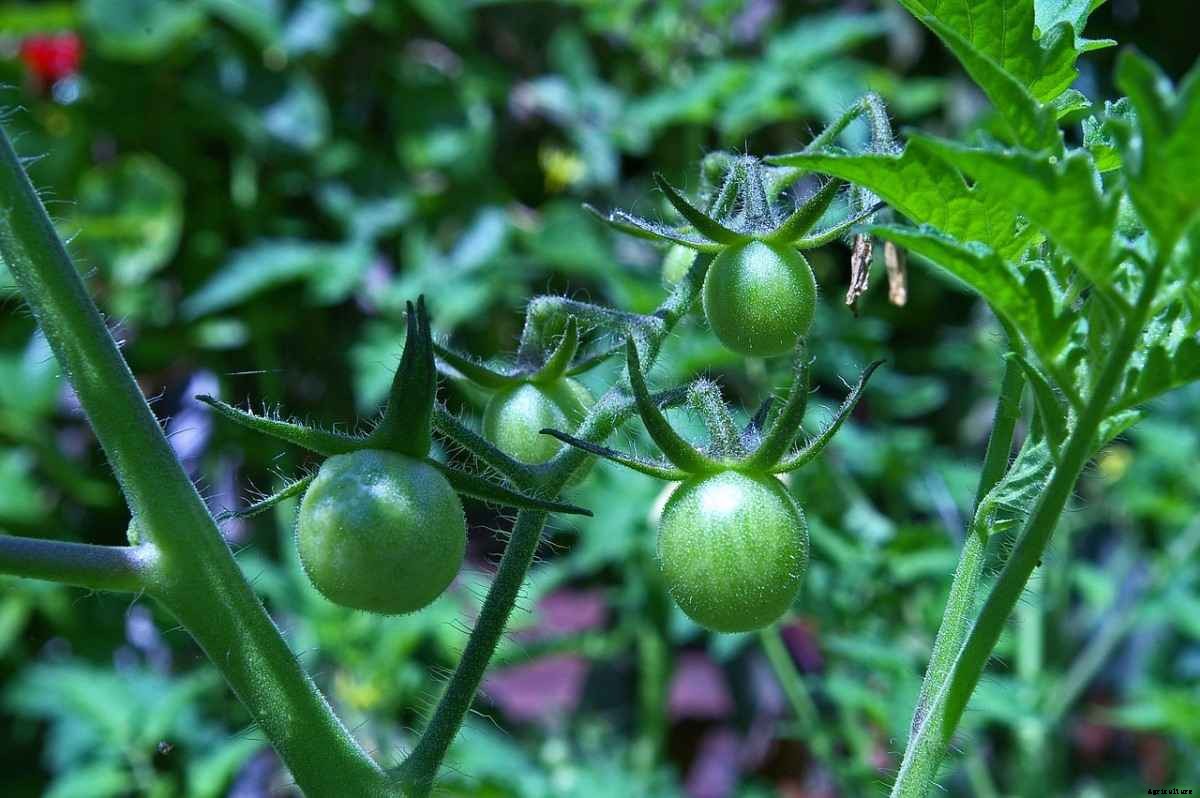
Utilize open spaces in small: Whether you live in a tiny house or a studio apartment, you may face some challenges in building your Garden. Furniture and other essentials are generally accommodated in a small space. The house needs to be used efficiently. Unfortunately, this leaves the Garden poor. It’s time to relax now. Our small spaces are utilized in a variety of ways. One idea to consider is creating a small garden space out of your window boxes. Then, once you have planted your veggie plants and your flower gardens, you can plant your herb gardens as well. You might want to consider a cottage garden or patio container garden if you have a small space outside your home. You can also suspend your potted plants from the ceiling with hanging baskets, keeping them out of the way.
You need to pay attention to the direction of your home garden: Indoors and outdoors, there are many ways to Garden. First, however, remembering the plants’ needs is essential. Plants such as vegetables and flowerbeds, for instance, need constant sunlight and moisture to thrive. Consequently, place your home garden on the east side, where plants receive plenty of sunlight at dawn. This method will enhance photosynthesis and produce healthier flowers, more nutritious vegetables, and more beautiful climbers. Although you can tend to your home garden’s watering needs, it is essential to receive enough natural light and wind and avoid extreme weather conditions such as snow and sleet.
Choose indigenous plants and succulents, and vegetative varieties: Nowadays, our surroundings are highly polluted, and it makes sense to use a garden in your yard to help clean the air. The use of indigenous plants, succulents, and rock gardens are excellent solutions for air purification and circulation. Using plants and garden design to absorb carbon dioxide significantly reduces air pollutants. In addition, these plants quickly adapt to their natural surroundings, so they grow comfortably and add color as well as fresh air to your home. Your plants grow healthier and more quickly in a rock garden because the soil is moist and healthy. Observe how they grow and yield in a healthy, bright, and creative way if you incorporate them in your garden design. Ideally, you should cultivate a vegetable garden and herb garden to provide yourself with fresh produce. In addition, consider including a rock garden and succulents around the vegetable garden to promote abundant harvests.
You may also consider growing a vertical garden: This option is for you in the case of tall buildings without ground-level access. Recent years have seen the popularity of vertical gardens increase. In addition to creepers and climbers that embellish balcony gardens and small outdoor spaces, garden design ideas also include trellises. Plants and flora that add color and provide nutrients to the household are also included in these innovative gardening hacks. The plants that you will need are trellis supports for the vertical growth of tomatoes, cucumbers, peppers, melons, and radishes, as well as vegetated mat walls.
Kitchen gardens are innovative solutions: A kitchen garden may be your best option for growing vegetable plants and herbs in a small space. Keeping produce, herbs, and seasonings close to the kitchen area is a good idea because it is where you’ll use them. Window boxes are an excellent choice for container gardening if you live in a high-rise. You may plant veggies and herbs in the small patio next to the kitchen door; however, if you have a small garden space beyond the kitchen of your tiny house. The innovative gardening solutions on Amazon are perfect for adding convenience to your kitchen garden. You can become self-sufficient in your kitchen by transforming it into a well-stocked, prolific area. You can have fun and get a lot of satisfaction from home gardening when you know the right approach. Any home can implement the above gardening ideas for remarkable results. By narrowing down your options, you will create a visual representation of how your yard will look. So, you can visualize how your beautiful Garden will look before you even start. Thus, there are no chances for mistakes and for redoing the excellent work. Our gardening ideas have provided you with plenty of ideas to design the beautiful Garden you have always wanted, and the For Neo app will facilitate the task. So, turn your house into a home as close as possible to Eden by getting started right away.
How about this: House Plants Care Tips.
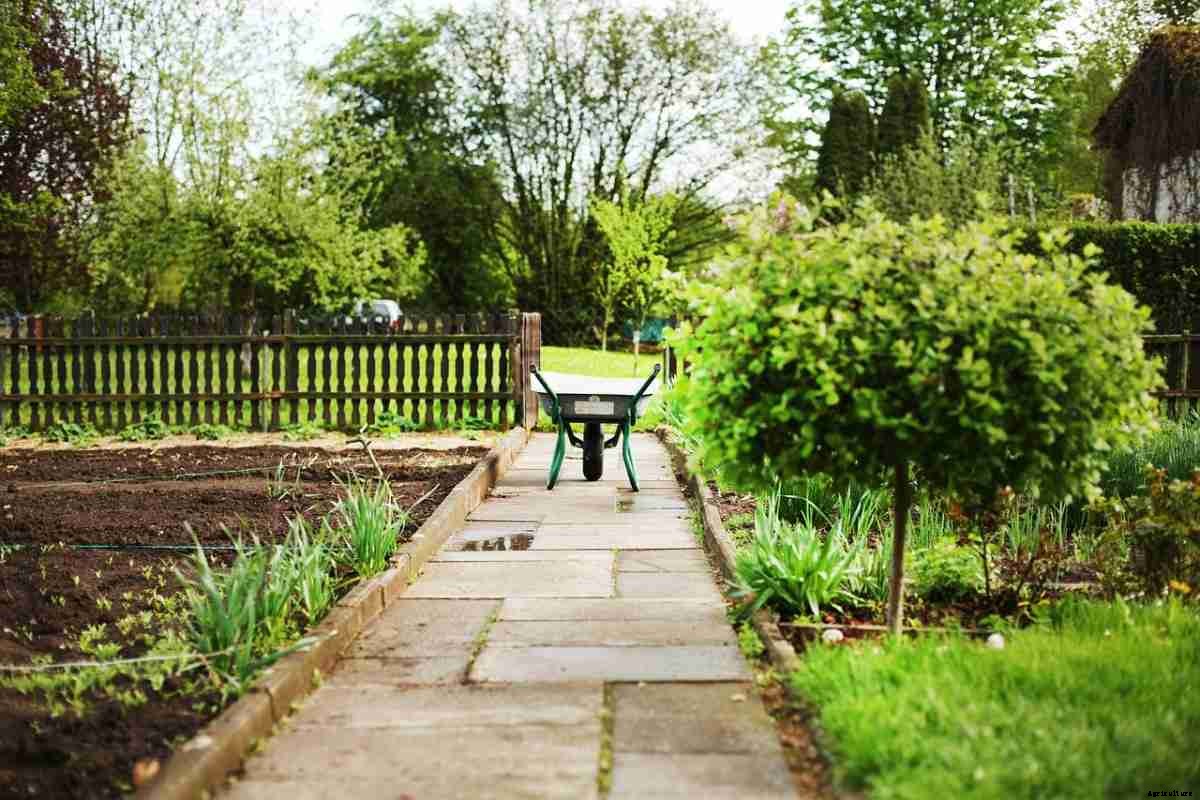
1. What is the best way to start a small garden at home?
2. What is your best method for maximizing your small Garden?
3. How do you plan a small garden?
Imagine your private Garden, complete with hidden corners and secluded spots. Plant a variety of plants in each section and decorate each with different garden furniture and bamboo screens. You can hide a small seating area and create a relaxing retreat in your Garden.
4. What are some tips for gardening in a small space?
If you have a small space, consider building raised beds to define spaces, growing in pots, and coordinating with your neighbors. For example, another neighbor might grow cucumbers this year, and another might be able to grow tomatoes.
5. Small pots allow plants to grow?
A small pot can restrict the roots of a plant, especially if its roots are widespread. Without enough space to expand, roots can get crowded into the pot. In addition, a small pot will not be able to hold enough water for the plant. Additionally, the soil will quickly dry out.
6. What is the best way to create small garden information?
Creating a raised bed is a popular way to garden in a small space. A raised bed is an excellent option if the soil in your Garden is poor or nonexistent. You can build your raised bed’s borders from wood, bricks, or cinder blocks and then fill it with compost and good soil. You won’t have much space, however, if you’re using a raised bed.


