
Welcome to Modern Agriculture!

Let us go through Home Container Gardening Tips, Ideas and Techniques. What is a container garden? Container gardens consist of plants grown in the containers instead of in the ground. Filling pots or buckets of various sizes with a soil-less potting medium creates an economical, simply maintained garden.
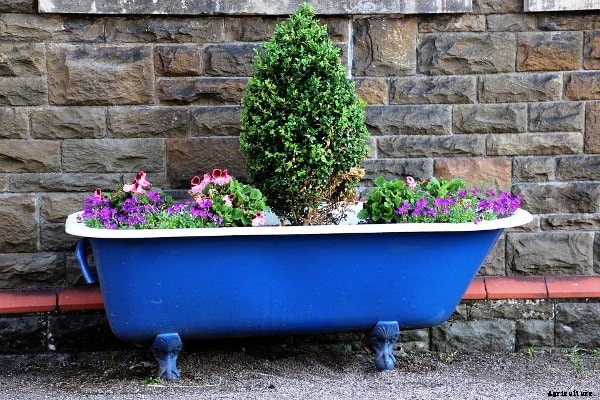
Container gardening or pot gardening is ideal for those with little or no garden space. In addition to growing flowers, gardeners limited to a balcony, small yard, or only a patch of sun on their driveway can make a wide variety of vegetable crops in containers. Basil, chives, fennel, thyme, and other herbs also are quite happy growing in pots, which can be set in a convenient spot right outside the kitchen door.
There are several reasons why container gardening might make sense for you, including:
Therefore, you can enjoy gardening more instead of spending a large amount of time battling things who want to kill your garden.
What you will need:
Most of the things required for container gardening are;
Container gardening is useful when:
How to choose the right containers:
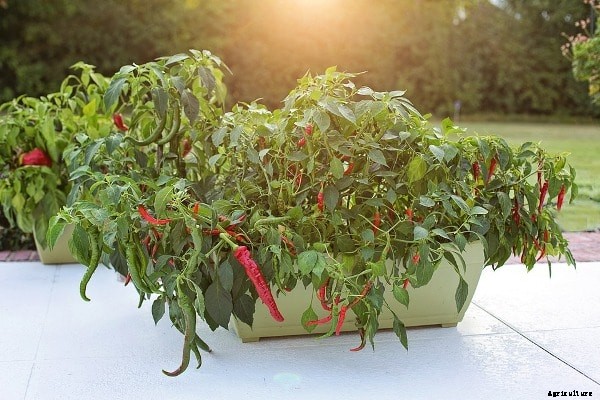
One of the most vital steps in finding success when container gardening is to pick the appropriate container. The most common pot or container sizes range from 10 inches in diameter to 24 inches in diameter. If you prefer to go with a 24-inch pot, use it for larger vegetables like squash plants or pepper plants.
Terracotta pots are the most regular pots used by most gardeners. Though they are traditional, they contain their downfalls.
These pots can be expensive to purchase, particularly as you purchase the larger options. They can also be heavy to maneuver & are breakable as well.
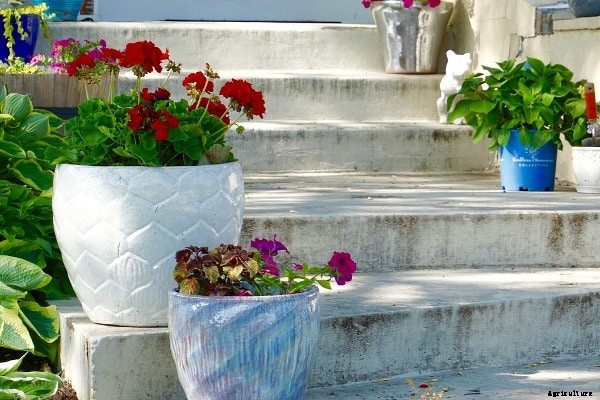
There are some pots prepared for glazed ceramic. These pots are generally less expensive than terracotta but still carry a decently sized price tag with them. Glazed ceramic is durable & comes in cool colors. Yet, they can be heavy as well & difficult to move around if you need to.
Plastic is a great option if you need to start a container garden on a budget. They are durable & inexpensive too. Not to mention, they are also easy to move around if you want to move your garden based on sunlight needs.
Most of the people like wooden containers because of their classic appearance. They include a gorgeous look to your container garden with little effort. However, wooden containers can be hard to go when left sitting in the same location for a longer period.
If you are looking for a durable planter, you must consider concrete planters. They will end for quite a while. But because these planters are completed from concrete they will need to be placed in a permanent location. They will be particularly difficult to move once placed.
There are several gorgeous metal planters. They are a great method to add some beauty to your container garden. However, the metal will perform heat. Therefore, metal planters require to be lined with plastic or they’ll cook the roots of your plants.
Finally, window boxes are a great choice for container garden planters. You can attach them to windows or simply stack them.
For the healthy growth of plants, the soil requirement is the key. Provide your plants quality soil so that they’ll get all the necessary nutrients for growth, flowering & fruiting. It is better to buy potting soil, but if you find that it is too expensive, make it at home, also, add a lot of compost or manure in it to develop texture. What is the best soil for container gardening? Most gardeners create potting soil by combining perlite or vermiculite with peat or sphagnum moss. Two other organic materials that you can add to your potting mix are leaf mold and compost, which offer a wide spectrum of nutrients. Potting soils that have fertilizer are available. Although more expensive, they help maintain plants fertilized for the first few months.
Most container plants require at least about five hours of sunlight daily, and they are likely to require daily watering as the soil dries out quickly in the sun.
Plants grow best in containers at temperatures between 55 and 75°F. Without the insulating earth around them, the roots of container plants get hotter & colder more quickly than their in-ground counterparts. Shift containers inside before it frosts. Give shade (consider grouping pots together to shade each other) when it gets too hot. Some folks “plant” their containers part mode on the ground for insulation.
Container gardening is a compact method of producing an adequate harvest. Here is what you can grow in a container garden;
Herbs, Green beans, Broccoli, Carrots, Cucumbers, Eggplant, Lettuce, Onions, Peppers, Tomatoes, Radishes, Certain corn varieties, Blueberries, and Dwarf fruit trees.
Seeds and transplants need consistent moisture through all stages of growth. Using a watering can or watering hose, slowly add water to the container until it starts to drain from the bottom. Thorough, less frequent watering is more helpful than frequent small watering. Thorough watering assures that the entire root mass has been moistened.
To help prevent fungal diseases, water at the base of the plant & avoid pouring water directly on the leaves, if possible. Make sure the plants have excellent air circulation.
About three to four weeks after germination, apply a water-soluble fertilizer to the seedlings. Because most soilless mixes have very few nutrients for plants, this is a critical step. For seedlings, you must dilute the fertilizer solution 50% so as not to burn the young roots.
When the container plants are older, you can fertilize twice a month at full strength. Do not fertilize if the plants are wilted; water first, and place them in a shady spot to recover before fertilizing. Confirm the fertilizer label to see specific recommendations for the type of plant you are growing.
The roots & soil in the container is known collectively as the “root ball.” After planting, a few small roots at the top of the root ball must always be visible (with the exception of tomato plants, which can grow roots along the stem). Sometimes after watering the plants, the root ball of a newly potted plant will sink. This is why you must plant it a little bit higher. If the root ball does sink, lift it gently & pack more soil around the roots.
Some plants are better suited to containers; these include:
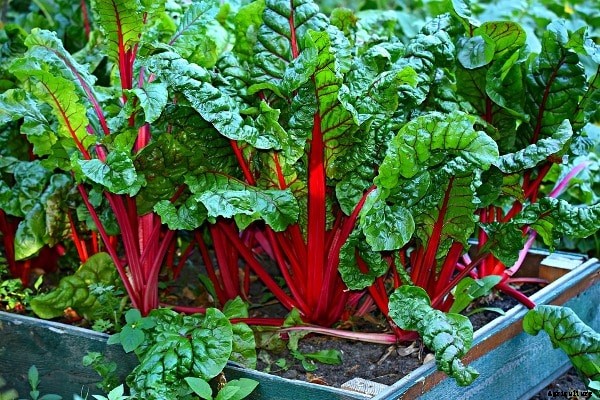
Vegetables: Beans, Beets, Cabbage, Carrots, Chard, Cucumbers, Onions, Peppers, Radish, Spinach, Squash, Summer, and Tomatoes.
Flowers: Alyssum, Bachelor Button, Begonia, Calendula, Candytuft, Chrysanthemum, Columbine, Cosmos, Fuchsia, Geranium, Impatiens, Lupine, Marigold and Roses.
Herbs: Anise, Basil, Borage, Caraway, Catmint, Chervil, Chives, Coriander, Dill, Fennel, Hyssop, Lavender, Lovage, Marjoram and Mint Oregano.
Fruits: Apples (dwarf), Blackberries, Blueberries, Raspberries, and Strawberries.
When it is time to put your plants in their pots or containers, follow this simple information;
That’s all folks about ‘Home Container Gardening’. Happy gardening!.
Read: How To Grow Roselle Leaves.


