
Welcome to Modern Agriculture!

Introduction to outdoor gardening tips, ideas, secrets, and techniques for beginners: A Garden is a planned, often outdoor space set aside for cultivating, displaying, and enjoying plants. The term garden is generally used to refer to a residential or public garden, but traditionally, it was a more general term. It is in our nature to connect with the natural world. The strength and structure of a shade tree, the visual color explosion of annuals, or the tranquility of a water garden represent our relationship with nature. In our yards and gardens, we can have more of an intimate relationship with nature. When space allows, landscapes with large areas of lawn, groves of trees, or well-placed shrubs can be beautiful. A hanging basket or container garden fills the need for connections to nature when space is limited. In addition, flowers and plants can make your home or yard more beautiful and livable by creating attractive surroundings.
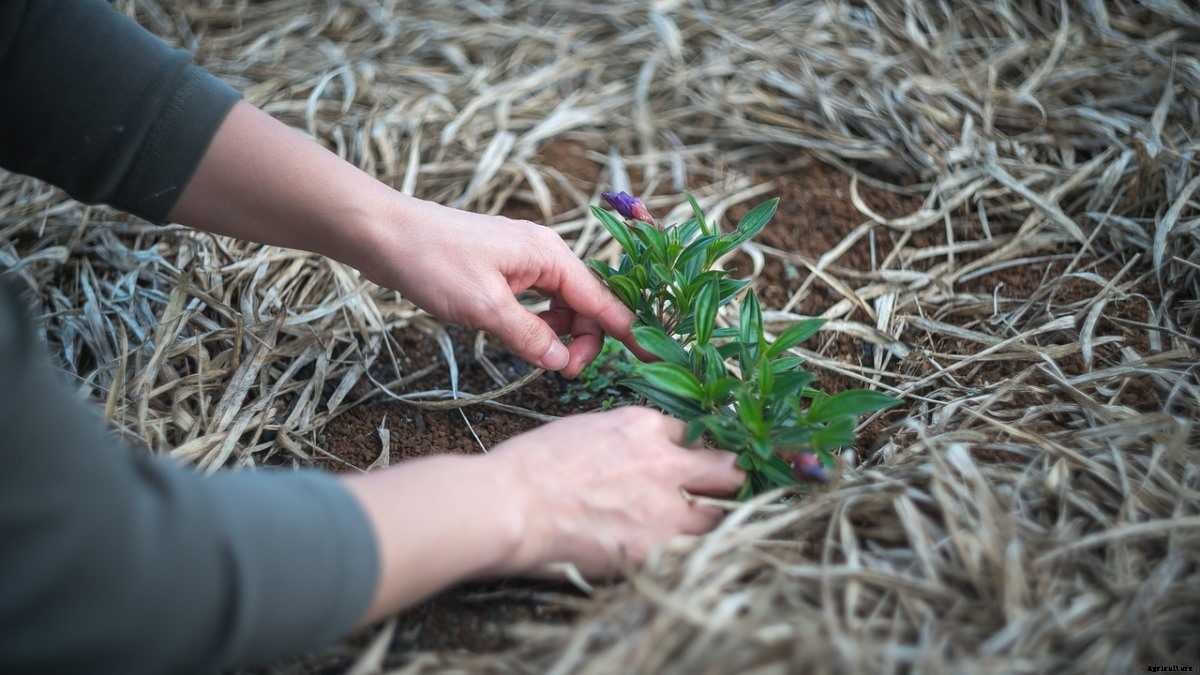
There are two main types of outdoor gardens:
Ornamental gardens: The ornamental garden consists of a variety of kinds. The plants grown differ, as well as how they are arranged. In addition to container and formal and informal flower gardens, rock gardens, water gardens, and wildflower gardens, ornamental gardens also include informal flower gardens. Among these gardens can be found grass, shrubbery, and trees.
Food garden: Gardening and eating fresh vegetables and herbs are two of the most satisfying things in life. Food gardens are therefore famous. In gardens and schools around the world, people grow food. In addition, a home food garden provides fresh, healthy vegetables for the family.
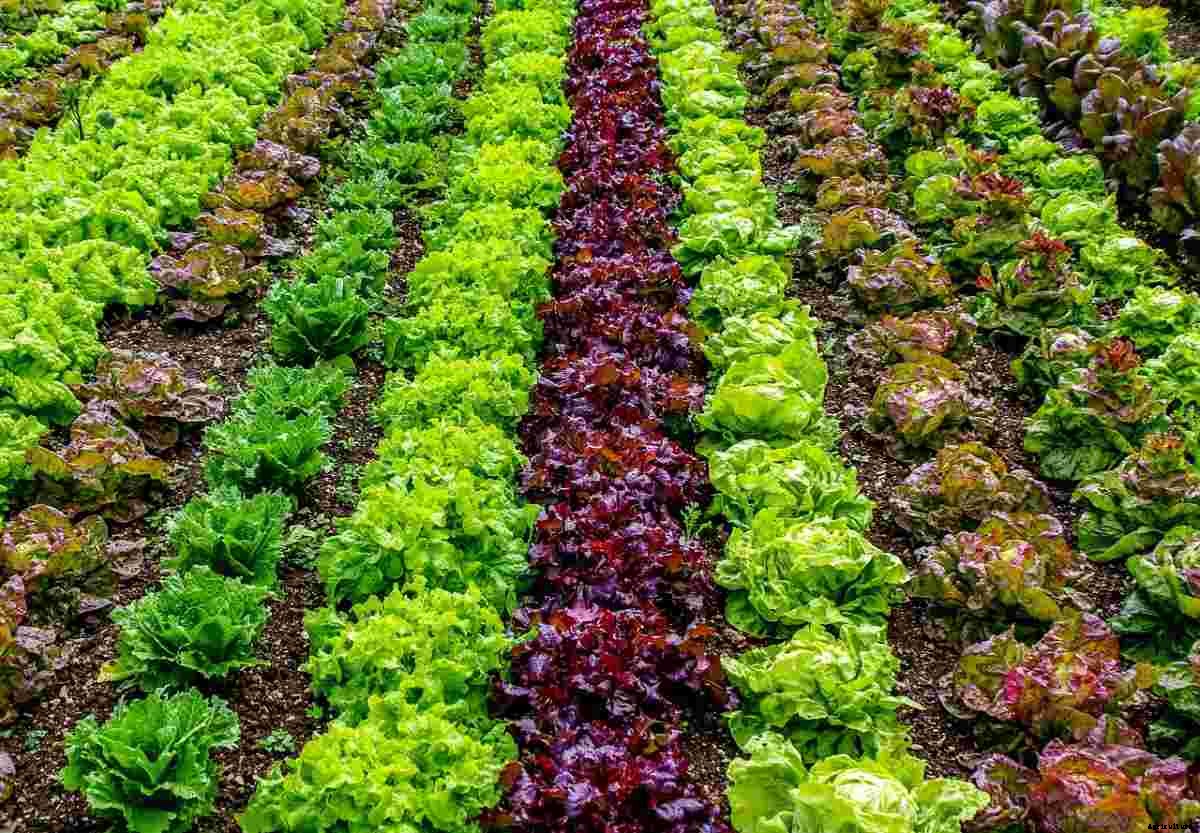
In case if you miss this: How To Grow Organic Lettuce At Home.
Preparing the yard is time to begin. Clean up the debris from last winter and get your yard ready for spring. Leaves need to be raked, garbage taken out, trees pruned, pots cleaned out on the porch, perennials trimmed to get a better shape, and beds ought to be sharpened up. Weed the garden right away. With the increasing number of daylight hours during summer, invasive weeds will grow more aggressively. They will grow strong roots that are challenging to pull out as they grow.
The soil in your garden beds may be compacted after the winter. The first step is to remove evergreen ground cover beds that are covered in thick layers of leaves. You can mulch thin layers of leaves over your beds later. Organic matter is added to the soil as the leaves decompose. Once the soil has been loosened, oxygen can reach the roots. For small areas, hand tools will suffice, but tilling will be necessary for larger ones. You will surely be the envy of your neighbors once you complete these tasks.
As you clean and prepare your yard, you’ll also be able to perform the initial lawn treatment. You can then get to work on weeding and fertilizing, or if you aren’t about that life – now is the time to call the lawn treatment specialist. Next, the sprinkler system needs to be tested to see if any issues need to be addressed.
It’s time to clean and tidy your patio set and place everything once it’s been cleaned. After that, start thinking about where you’ll put your new shrubs, trees, and flowers when you go on your big spring shopping spree!
You can prepare your landscape for the busy stuff later on if you give it some attention early on in the season.
A container garden transforms any balcony, patio, or deck into a more flexible outdoor living area. You can create a soothing outdoor retreat by filling containers with flowers, herbs, or vegetables. There will be a discussion about selecting plants, designing plants, selecting containers, and maintaining containers. We provide all plants, containers, and accessories at an additional cost. In addition, we provide base gravel, potting soil, tools, aprons, towels, and food.
Plants that aren’t too difficult are the best. It may also be a good idea to consider what each plant can offer you. For example, some herbs, like ginseng or ginkgo, can help fight against terrible diseases.
Understand the soil: What type of soil do you have? Is it sandy and light, or is it clayey and heavy? Investing in plants that thrive in your garden depends on the kind of soil you have. Consider looking at your neighbor’s garden or taking a soil sample to your nearest nursery if you aren’t sure.
How about this: How To Care House Plants.
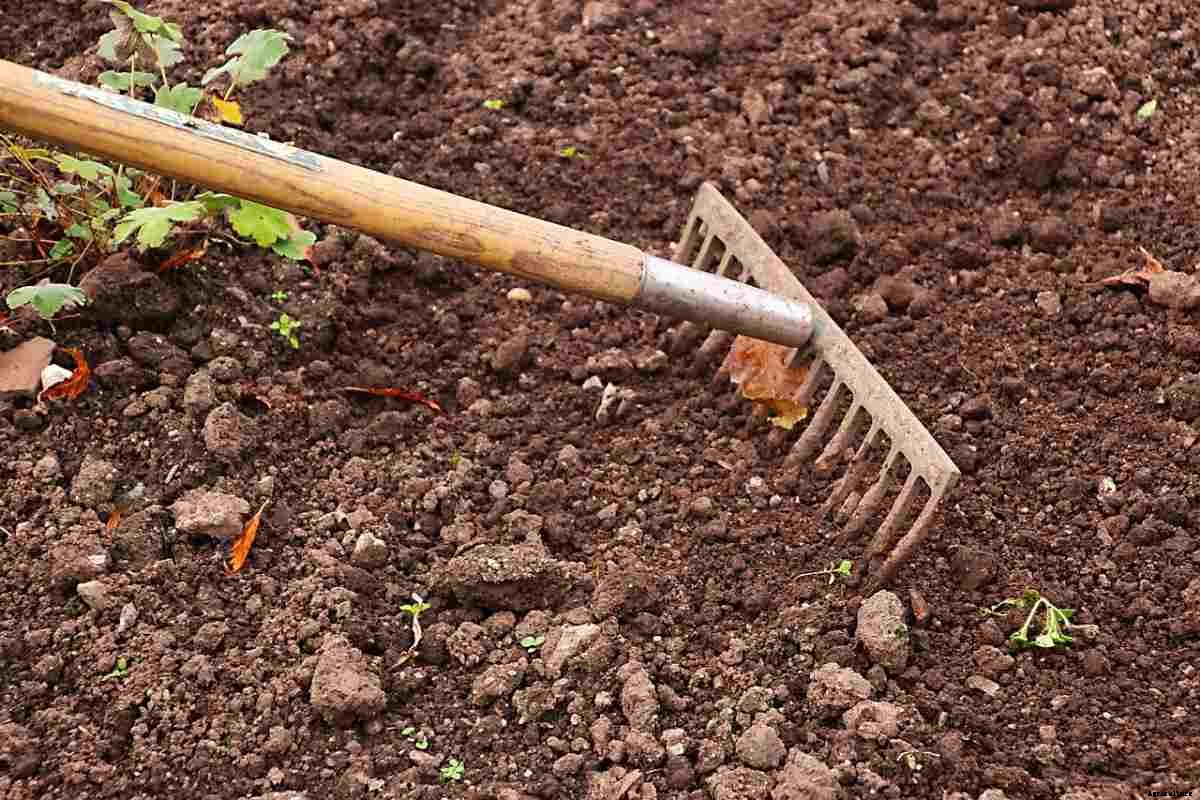
Use the correct implements: When working in the garden, it is imperative to have the right tools. Would you please start with the basics for beginners because they don’t need fancy tools? Keeping your implements clean after use, ensuring that they are oiled regularly, and making sure they do not rust are equally important.
Location is everything: You should ensure that the plants you choose are planted in the correct area once you select the type of soil in your garden and the plants you wish to see. Some plants thrive in full sunlight, while others thrive in the shade. Potted plants are equally at risk, so be aware of their placement both indoors and outdoors.
Imagine your garden as a design: Prepare your garden’s design before you start digging. First, use a piece of paper to sketch out the design. Alternatively, if you prefer to design the flower bed yourself, arrange purchased young plants and bulbs on the surface of the soil and arrange them according to your preferences. Your hosepipe can help create the shape of the edging of your flower bed. The grass can then be used to keep the digging line when you dig. You can then start planting as soon as the grass is ready.
Leave a space between plants: Planting young plants too close to each other can lead to death. Please keep them apart by providing ample space. Seed packets provide information on the suitable area to use when planting seeds. In addition, you can research how far apart you should space seeds or visit your nearest nursery for advice.
Soak new plants’ roots: Plant new plants after soaking their roots. The size of the hole in which you plant is equally important as the size of the root.
Only use water when necessary: It is not necessary to water the plant every day. It is best to poke your finger into the soil to see if plants need to be watered. Make sure that the soil is moist enough to water the plants. Because water shortages appear to be a growing concern, it may be best to only plant indigenous plants, as these are more adapted to the local climate.
Green lawns: Regular maintenance is essential all year long for your lawn to remain lush and green. You do not maintain it simply by cutting the grass. Grass needs to be cut with a good lawnmower, not mowed so low that the soil underneath can be seen. After fertilizing your grass, compost it annually, if possible. Your garden fork is also helpful to aerate your lawn by making holes throughout the soil.
Weeds need to be removed: Weeds are plants’ worst enemy, so weed regularly to keep your plants healthy. Mulch keeps weeds from getting much light so that they will spread less quickly, and you’ll have less frustration with weeding. There are many types of mulch, such as wood chips, bark particles, nutshells, straw, and even pine needles.
Start composting: Creating compost at home is simple if you know how, and you’ll love your garden. Organic materials such as grass clippings, leaves, and food scraps are combined. You can either create a large compost area outside or have a small one in the kitchen. Composted soil provides essential nutrients and improves plant growth. You can also enjoy garden time at the beginning of the day or at the end of the day to avoid the hottest temperatures. Make sure you keep your cell phone nearby or on you. You may never need it, but it’s a sensible precaution.
Make Use of the Right Tools: When was the last time you lost your hand trowel? Color-coding your tools will help you find them more accessible. Lightweight tools with rubber handles reduce strain on your joints and reduce effort—plant seeds on seed tapes, a thin degradable tape embedded with tiny seeds. You can plant the tape by unrolling it, laying it out, then covering it with soil.
Take Your Gardening to a Higher Level: An elevated bed allows for easy access without bending or stooping, alleviating pain in the knees and back. Raised planters should measure two to three feet tall, with wide top boards. Use long, narrow beds when possible to maximize space. You can easily pick fruits and flowers if you use a trellis to keep plants climbing upward.
Participate in other activities: Do you have a neighbor who likes to garden? Help your neighbor dig or lift heavy things by offering your gardening skills. And what about your family member who struggles to find the right gift for you? Get a homemade gift certificate to prune the roses or loosen the soil in the garden in the spring.
Plant the Right Plants: Select easy-to-care-for plants. Take into consideration the uses and benefits of different plants. As an example, Ginkgo or Ginseng can assist in fighting some terrible ailments.
Sun protection is a must: You can expect to spend a great deal of time outdoors in direct sunlight when gardening. Wear a wide-brimmed hat and sunscreen to prevent sunburns. Make sure you drink lots of water while gardening during the summer and avoid doing it between 10 a.m. and 2 p.m. because it is the hottest time of day during the summer.
1. What is the best way to start gardening outside?
2. What is the best time to start an outdoor garden?
In the case of these heat-loving plants, transplanting seedlings outside is only desirable when the daytime temperature is consistently above 60 degrees Fahrenheit.
3. What are the best plants for outdoor planting?
The best plants for your garden are succulents. They are low maintenance yet will still maintain their beautiful appearance. You can add succulents to your garden if you have no time to water your plants.
4. How do outdoor plants grow?
Plants that grow outdoors can be divided into several different categories. Some examples of plant categories are trees, shrubs, flowering plants, non-flowering plants, and succulents. These plants are suited to indoor cultivation, but they thrive outdoors with natural light, ample shade, and soil rich in nutrients.
5. How do you care for outdoor plants when you’re a beginner?


