
Welcome to Modern Agriculture!

Introduction to top gardening ideas, tips, techniques: Gardening is all about finding the right mix of sunlight, fertile soil, and water to help your plants thrive. Gardening is the process of planning, laying out, and caring for a plot of ground to cultivate plants such as flowers, herbs, and vegetables. There are many types of gardens, but the most common type is an outdoor space reserved for plants’ cultivation, display, and enjoyment. Horticulture includes the cultivation and growing of plants. Plants grown in gardens are typically for their decorative appearance, flowers, foliage, and fruit; other plants are grown for food, dye, or medicinal or cosmetic purposes. As well as growing flowers and foliage from plants for attractive aesthetics, gardeners also plant vegetables and fruits for consumption. Humans use gardens to grow edible foods and beautify their surroundings using plants.
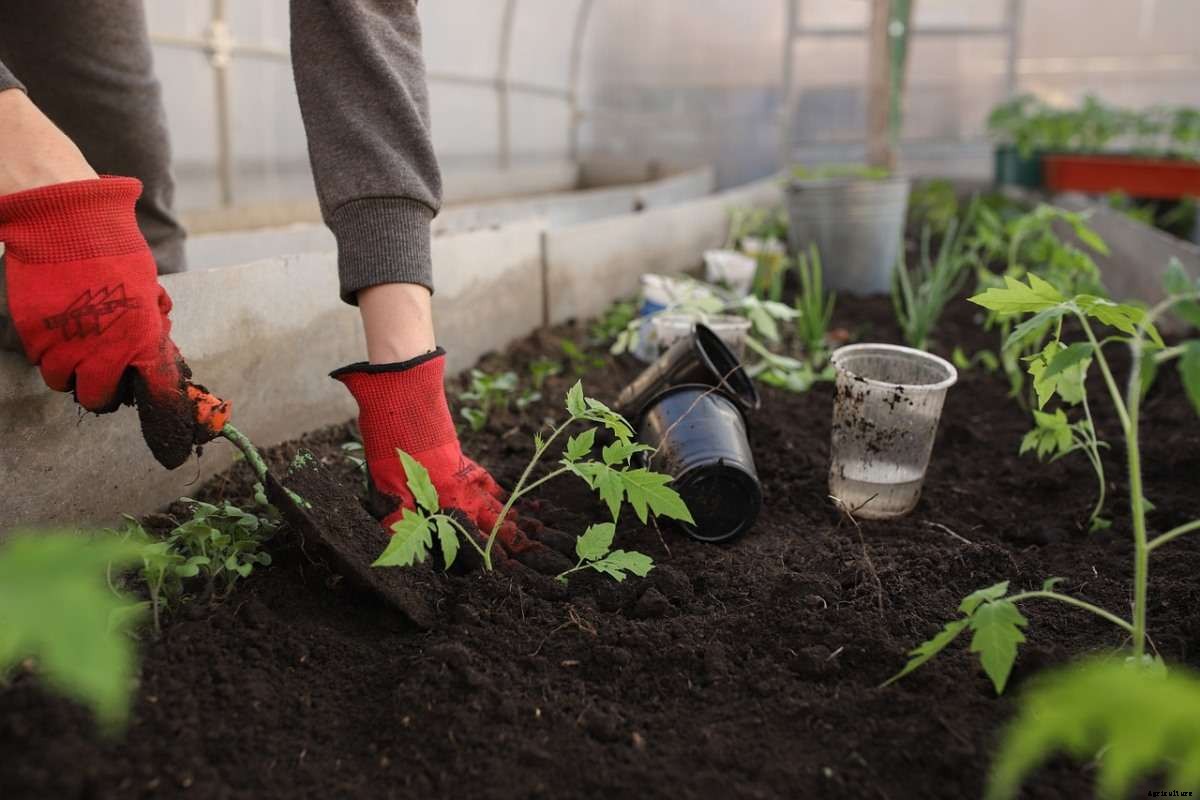
Get started with container planting: If container gardening didn’t exist, what would be the result? It works for every type of garden space because your plant pots can be placed wherever best fits your space. You can make an incredible display from both the plant and the pot in container gardening, especially if you are a renter taking your plants with you. You can mix it up with scented herbs and flowers. For extra interest, a container of hydrangeas looks lovely against creeping herbs, such as rosemary (Rosmarinus officinalis prostratus) and ivy (Hedera).
Grow blooms and herbs: Plant vegetables in raised beds because they are roomy and require more sunlight. However, if you don’t have much space, containers work great for growing anything from flowers to herbs. Container planting is the perfect solution for those in the kitchen who enjoy having the freshest ingredients at their fingertips.
Layout it in an organic manner: The best garden ideas are the ones that strike a balance between being beautiful and functional. Although it is a large garden, this space is utilized effectively with top-notch garden landscaping techniques. Through decking material and extensive planting, the individual outdoor pockets are combined with feeling like one.
Use recycled materials to make adorable garden critters: The projects are all made from recycled materials so that you can make adorable garden critters out of them. We particularly enjoyed the hedgehog design. It is unique, made only of a plastic bottle with some twine and cute little eyes-and doubles as a planter, with plants serving as decoration. Even the rooster and butterflies began as plastic bottles. Plastic bottles are ordinary.
Make plant markers out of broken pots: You might also consider using river rocks to mark the location of your plants. Again, the material, which is otherwise wasted, is reused in this clever way. In addition, the pot can remain part of your garden, and it is sad when it breaks. If you have children who often play in your garden, this is not something you want in your yard. Because the broken edges are sharp, it’s probably best not to put it there.
Make a trellis out of PVC pipes: Have you ever wanted to install a trellis in your yard? A PVC pipe trellis is surprisingly easy to do. Check out these gorgeous photos. It is being used to grow cucumbers, but you could put anything on it. The design is excellent.
Pots for yard sale: For growing your vegetables, you don’t need much space or money. Planters and pots are excellent vehicles for growing vegetables, and you might already have some of these lying around. Please pick up a collection of mismatched pots at a yard sale, and fill them with growing vegetables to fit the rustic trend. You can find inexpensive containers from the market, which is a space-saving solution. It is in the plants’ best interest to keep different vegetables apart by using hanging planters. You will also find that different vegetables need different amounts and frequencies of watering, making life easier for you. Because they can become quite heavy when filled, it is best to hang plants from metal frames for stability and strength. The planters themselves could be made from wood, metal, or plastic, depending on the look you wish to achieve and the amount of money you wish to spend on them.
Make your vegetable garden using kitchen scraps: If you do not have the space (or funds) to plant a veggie patch, why not try putting together a neat veggie trug instead?A guide to growing vegetables with kitchen scraps. Spring onions and celery are two kitchen staples that can be regrown quickly from their roots if the stems are attached. The stems should be sliced across and then stood root down in shallow water. Plant them in the garden to grow if new roots appear—plant sweet pepper seeds directly into compost for chilies and chilies. Then plant them on a sunny windowsill and water them regularly.
How to start a garden: You do not have to be concerned about finding an appropriate plot of land in your backyard. Start a container garden anywhere you choose. In addition, you can easily prevent weeds and ensure fertile soil this way. If your container garden is located near your front or back doors, you’ll be more likely to do it. Starting small and working your way up to a more extensive garden is a good start.
A solid foundation and reliable drainage: You need plenty of compost to have good drainage in your container. Without compost, there is no gardening. There are many ways to compost. Don’t throw away food waste. Eggshells, coffee grounds, and apple cores are excellent options. It is also straightforward to organize good drainage. First, ensure that your container garden’s bottom has holes, and then line it with a layer of rocks.
The location of the location: There are shade plants and sun plants, yet there are also plants that need partial sun or shade. Do not overlook this aspect of your plant’s description. Roll your container garden around if you find your chosen location doesn’t receive as much sunlight as you expected.
Scheduling and Type: The correct plants need to be planted at the right time if you want your garden to succeed. So be sure to plant your plants in the excellent season after you’ve determined they will grow in your area! It will likely be spring or summer, depending on the seed’s information.
Choosing the Right Plants for Beginners: It is known that some plants grow more quickly than others- plant these. For example, you can quickly grow tomatoes, peppers, onions, chard, basil, and bush beans. The easiest flowers to grow and maintain are sunflowers, dahlias, foxgloves, roses, petunias, and black-eyed SUSAN. Would you please ask a plant nursery employee for the “hardy” plants?
A well-watered garden: It is essential to give young plants plenty of water to avoid wetting the leaves! Leaves that get wet can quickly rot, mold, and make you sick. When your sprouts grow, remember to give them one inch of water a week. Keeping your garden near your house makes watering your plants so easy. Watch for yellow leaves to make sure you don’t overwater.
In case if you miss this: How To Start Vertical Gardening.
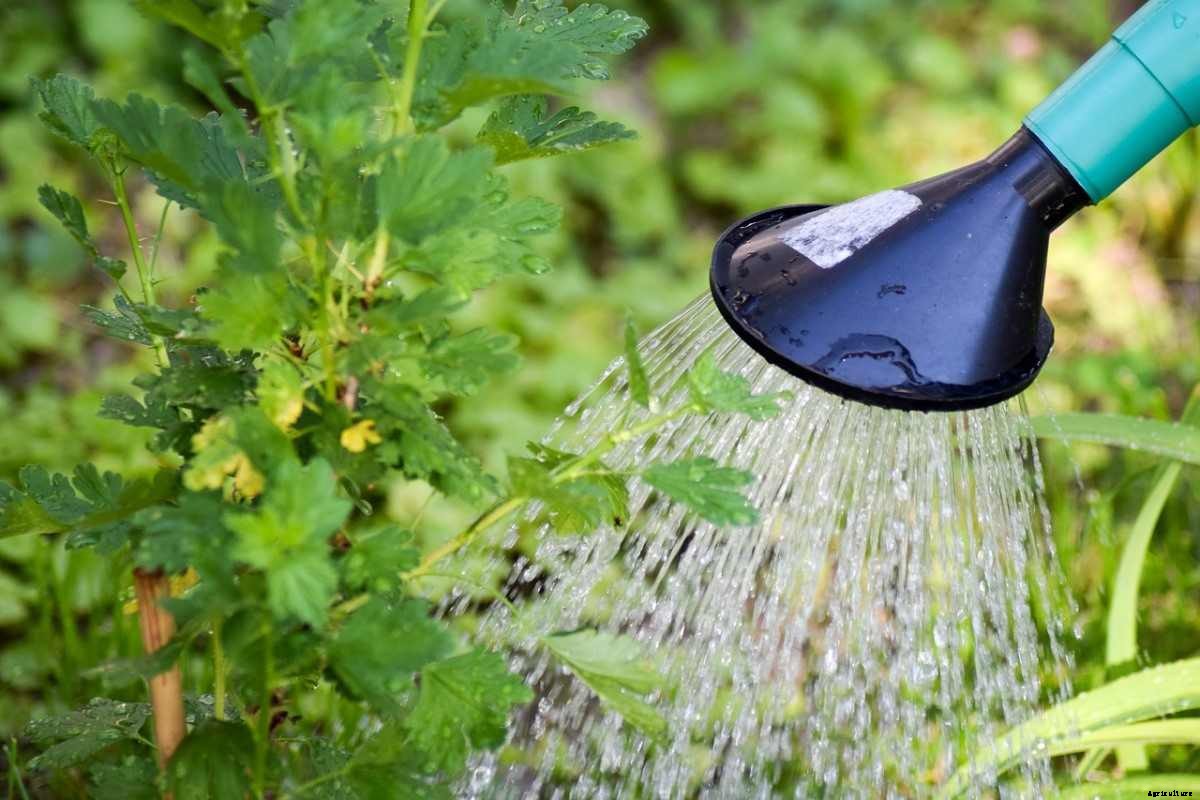
Reuse the water: You can reuse the vegetable water to water plants in containers that you have grown. Plants readily absorb the nutrients in this water.
Make sure you use a well-drained pot: To promote healthy plant growth, choose a spot that has good drainage. Root rot, fungus, and other diseases are prevented with a pot with good drainage.
Go Organic: Use organic products for soil, fertilizer, and pest control, as well as seed selection. You can taste the difference between heirlooms and mainstream varieties when you grow your produce. Fertilized and chemically-treated plants, however, can become weak and disease-prone. Discover five of the best organic pest control methods on Home talk via The Free-Range Life.
Pruning and trimming: The removal of leaves and trimming of your plants allows better air circulation and fewer puddles.
Let’s Get Started: What do top gardeners know about gardening? First, start your seedlings inside to increase your chances of tremendous growing success. Toilet paper rolls are a great container to use for this purpose.
Putting in companion plants: Companion planting is essential for your garden; learn which plants go well together. For example, if basil is planted near tomatoes, the taste becomes enhanced, and both will remain healthy.
You can make your compost: It would help if you did not throw away the peelings of fruits and vegetables that you eat. Fruits high in potassium, such as bananas, peaches, and pomegranates, make excellent organic fertilizers when used as compost.
Make coffee, tea, and manure use: Manure has a lot of benefits and is recommended for organic gardening. Would you please make sure you mix manure and compost into your soil every time you prepare it? Similarly, you can make your soil more fertile by composting coffee grounds or tea bags.
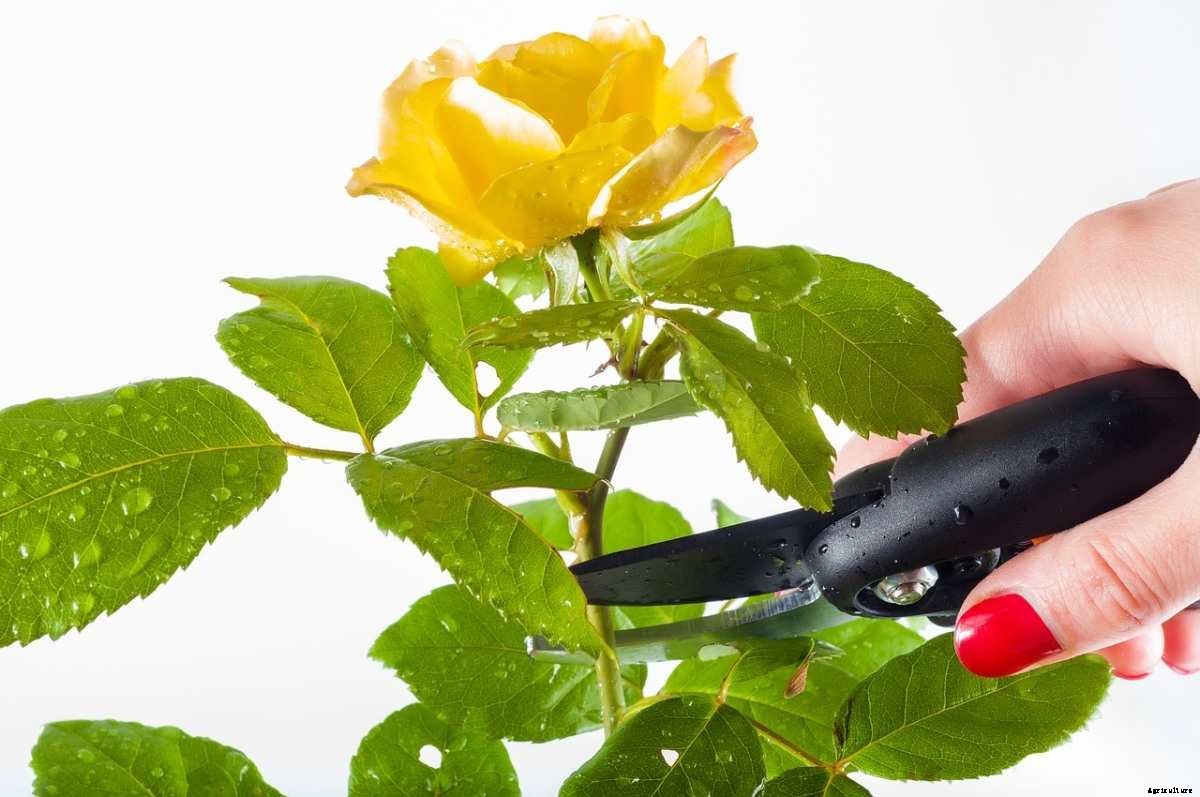
Prune and deadhead: You can prune your plants to give them a shape or when they seem slight; pruning makes them bushier and more manageable. In contrast, deadheading is the best way to increase your garden’s blooms. Plants such as petunias and pansies get more flowers by pulling every spent bloom.
How about this: How To Grow Organic Lettuce.
Commonly asked questions about gardening
1. What is the best month for planting a garden?
Early spring and late summer, and autumn are the best times to grow cool-season vegetables. In warm weather during late spring, summer, or early autumn, warm-season vegetables are at their best. The cool-season crop must mature while the weather is cool. The seeds will then go to seed.
2. In what way does gardening serve a purpose?
Even though humans create them, gardens are natural environments that are essential to the planet. The plants and trees that grow there absorb CO2 and release oxygen into the air. The roots of these plants are also responsible for stabilizing the soil while filtering water.
3. What are the steps to starting a garden for beginners?
Getting Started with a Backyard Garden
4. How do gardens benefit the environment?
Even though humans create them, gardens are natural environments that are essential to the planet. During the growing season, trees and plants replenish the planet’s oxygen supply with carbon dioxide. Additionally, the roots of these plants stabilize and filter the soil.
5. How much knowledge is required to start a garden?
6. How can you plant a garden in the best location? In the ground, raised beds, or containers?
Containers, the ground, and raised beds can all be used for growing plants. However, some gardeners prefer container gardening, even if they have plenty of room for a ground garden.
In general, most plants flourish in containers, raised beds, or the ground as long as they are correctly cared for and nurtured. It is also a good idea to check your local climate. Container gardens are best in areas with winters that force plants to move indoors during the winter.
The point is not to discourage anyone who wants to plant in raised bed garden or on the ground.


