
Welcome to Modern Agriculture!

Introduction to starting paprika gardening for beginners, paprika planting tips, ideas, techniques, questions, and answers: Capsicum annuum is a Capsicum species endemic to southern North America, the Caribbean, and northern South America. Of the five domesticated capsicums, this is the most common and widely grown.
Paprika is a mild pepper species (Capsicum annuum) that is dried, crushed, and used as a spice or garnish in meals. The majority of what we know comes from Spain or, you guessed it, Hungary. However, they are far from the only countries that grow paprika peppers, with Hungarian paprika being farmed in the United States for the most part.
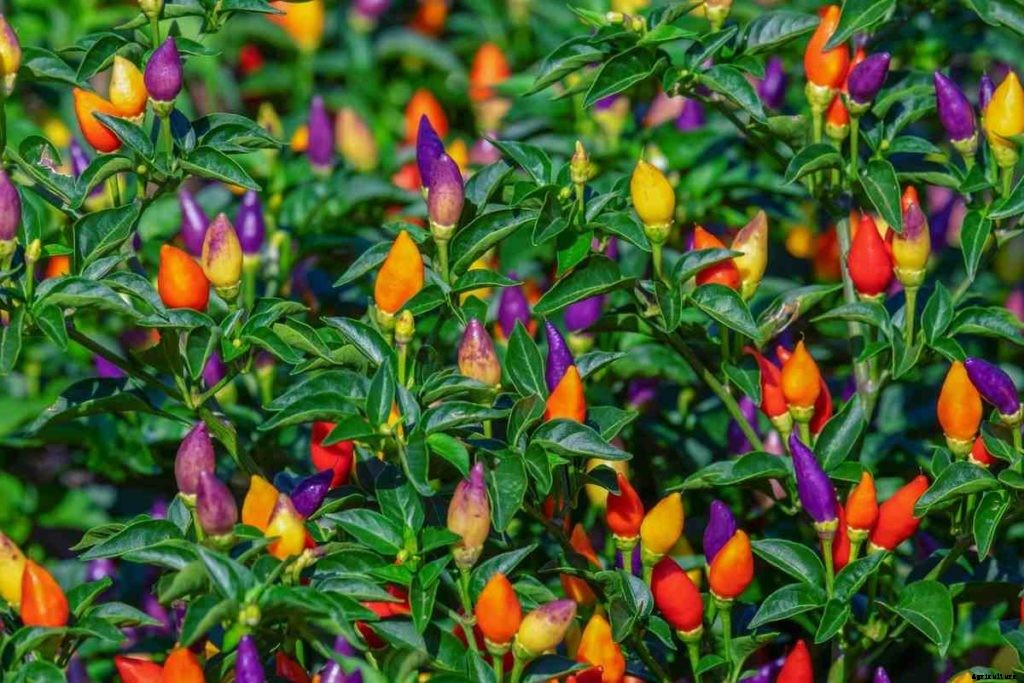
Because paprika peppers are adapted to long growing seasons in hot areas, they require a long time to germinate from seed. Transplants are the most convenient way to cultivate them. They also enjoy the sun, as do all vegetables. So choose a sunny site in your garden or a sunny container for your paprika pepper transplant to soak up some sun.
To transplant paprika peppers, you need to wait until the weather has officially warmed up outside. They are extremely sensitive to cold, and temperatures of 10°C or less can be fatal. You may need to keep them indoors for up to two weeks after transplanting your tomatoes and other vegetables. To make the transfer easier, harden off your paprika pepper plant for those two weeks.
Pinch off any blossoms or small fruit that are emerging on your young transplants before transplanting to direct the plant’s energy toward building roots and increasing vigour.
Paprika peppers demand high-quality, well-draining soil that retains moisture but not excessive moisture. Because these peppers are picky about their water, keep a good, wet balance on hand at all times. Mulch to assist maintains the balance, especially if you’re having a particularly hot spell.
Your paprika peppers should thrive without fertilizer throughout the season if you started with fertile soil.
Keep an eye out for common pests and illnesses that can wreak havoc on your paprika plants. Aphids, blossom end rot, and leaf blights are common paprika plant pests and difficulties.
When the paprika peppers have completely solidified in colour, they can be harvested. Because paprika’s colour varies, make sure you know what colour your ripe paprika should be. The colour of paprika is related to its flavour. The red paprika peppers are the sweetest, while the brown or golden-yellow paprika peppers are the spiciest.
Now, let us discuss some frequently asked questions about paprika gardening;
In case if you miss this: Top Gardening Ideas and Tips.
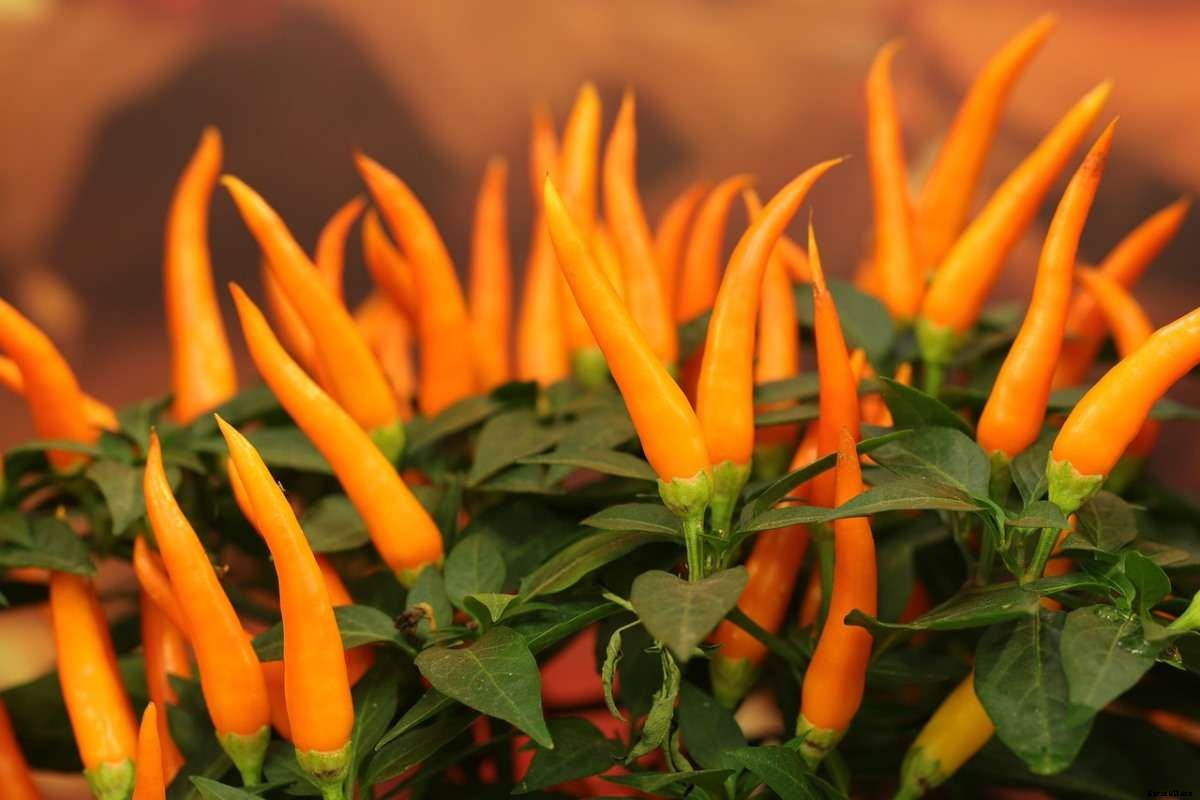
Paprika peppers demand high-quality, well-draining soil that retains moisture but not excessive moisture. Because these peppers are picky about their water, keep a good, wet balance on hand at all times. Mulch to assist maintains the balance, especially if you’re having a particularly hot spell.
Knowing ahead of time is always preferable: paprika plants (Capsicum annum) that are mature can take up a lot of area in the garden. These plants can grow to be anywhere from 18 and 24 inches across and 3 to 6 feet tall.
‘Boldog’ paprika peppers are ready to harvest nearly about 70 days after planting when the fruit has developed an elongated shape and a solid, ruby red hue.
Water your plants right after they’re planted, and then regularly throughout the season. Aim for 1 to 2 inches of rain per week (more if it’s hotter). When planting, incorporate a slow-release fertiliser into the soil and replace it as needed during the growing season.
Yes, you certainly can. You might even be able to produce them from the seeds of store-bought paprika peppers.
Paprika should be on your planting list if you’re planning to produce a few vegetables in containers this summer. The paprika plant can grow better in pots than in a garden if the right types are chosen and cared for properly, especially in cool or windy locations. Not all types are suitable for use in containers.
Paprikaplants should be placed 12 to 18 inches or 30 to 46 cm apart in most kinds. Larger kinds may require a little more room, but they rarely require more than 18 inches. The plants will not compete for space above or below ground if they are spaced properly.
The paprika comes in a variety of flavours, from sweet to gently spicy. Begin growing your Alma paprika peppers indoors at least eight weeks before transplanting them to the garden. Plant the small seeds in a suitable seed starting soil a quarter-inch deep. It can take up to two weeks for the seeds to germinate.
How about this: Outdoor Gardening Tips.
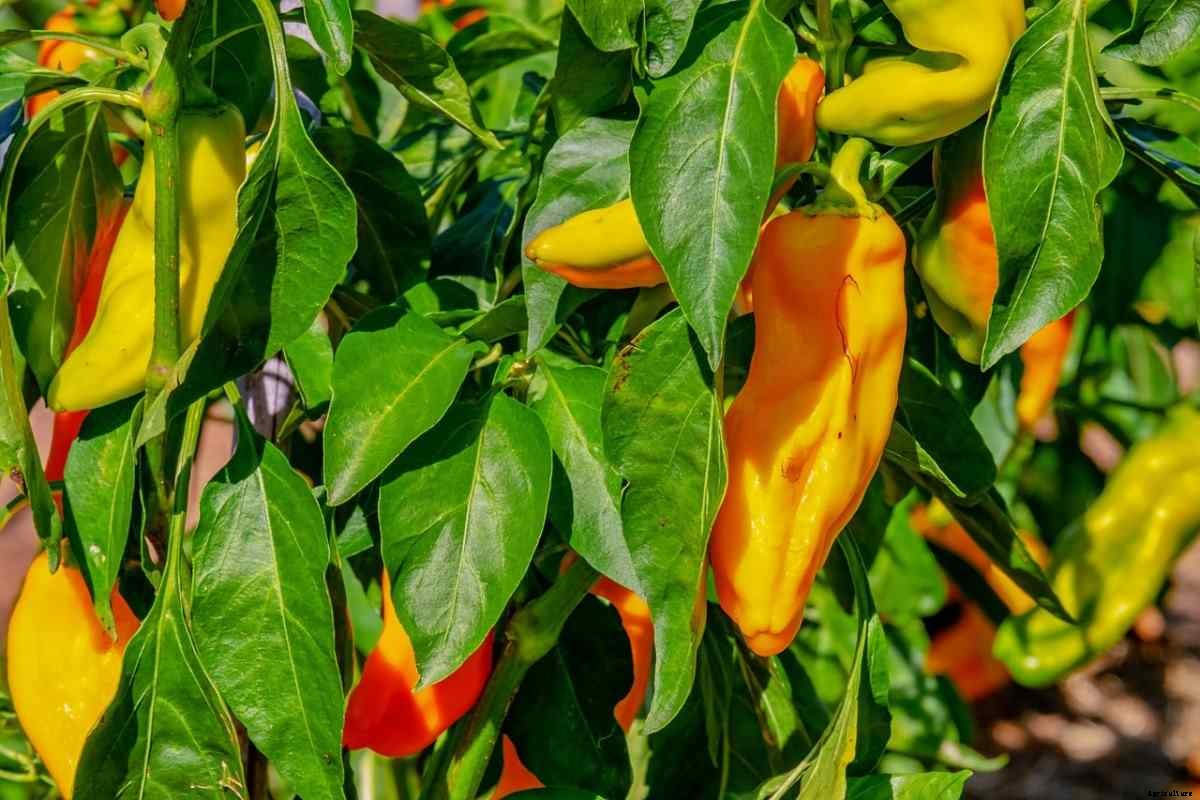
Paprika plants do not grow in cold temperatures, and frost kills the flowers. They usually prefer loamy soil that can hold a lot of water. It won’t grow on sandy soils with a lot of water stress. Paprika can be grown in lowland locations during the rainy season or during the dry season on leftover moisture.
Look for a 5-10-10 fertiliser when fertilising your paprika peppers. This has half the nitrogen content of phosphate and even potassium. More fruit will be produced if the phosphate and even potassium levels are higher. A reduced nitrogen level will aid the plant’s growth without sacrificing fruit production.
You can start paprika from seed outside if you reside in a warm climate. In colder climates, start seeds indoors or buy seedlings. Because all paprika plants are susceptible to cold, wait until all risk of frost has gone before transplanting.
When the weather warms up and the earth heats up, the paprika should start to flourish. Also, make sure they’re in full sun (6 to 8 hours) and that you’re not overwatering them, as wet roots are one of the most common causes of stunted, sickly, and slow-growing paprika plants.
Overwatering is the most prevalent cause of wilting and death in paprika plants. A paprika plant’s roots may decay if it is overwatered, and too much water will also wash away critical nutrients from the soil. Before you do anything else, double-check that you’re watering properly.
Paprika plants prefer healthy soil; however, too much water can cause a variety of difficulties. Due to the roots’ inability to obtain enough oxygen and nutrition from the soil, overwatering will cause paprika leaves to curl. Yellowing leaves and even reduced plant development are common side effects of overwatering the plant.
Fungal wilt is likely to blame if your paprika peppers abruptly wilt, develop huge yellow spots, and droop (particularly if this starts on the bottom leaves and progresses higher) despite proper watering.
Check the soil as well; if it feels dry one inch or two deep, it’s time to water once more. If the soil feels damp and is already moist, don’t water paprika plants. Even if they’re drooping, because this may indicate that you’ve overwatered them. When the soil is moist, people often mistake drooping for a need for additional water.
Spice bugs frequently shed their exoskeletons and leave faeces in the spices, both of which are undesirable to consume. Place the spices in a plastic bag or container and freeze them for three to four days. The spice bugs should be killed by the cold.
Request an organic fungicide from your local garden centre and follow the instructions carefully. Ensure that the leaves, developing fruit, and stems are all sprayed. Start spraying your paprika pepper plants early next season, before they develop a problem, because it’s easier to prevent fungal problems than it is to treat them after they appear.
Raised beds, pots, and in-ground gardens are all good places to plant them. In a sunny, well-drained location, space them 18 to 24 inches apart. Paprika plants require at least 6 to 8 hours of direct sunlight each day to thrive and survive well.


