
Welcome to Modern Agriculture!

Introduction to Gardening in Australia tips and Frequently Asked Questions for beginners– Hi, are you wondering about how to start gardening in Australia? Well, we are here with some frequently asked questions about starting a garden in Australia. These frequently asked questions and answers are mostly related to:
Now, let us discuss some frequently asked questions about Australian gardening.
Plants that grow all year round in Australia are given below:
You may also check this: How To Grow Cauliflower in Greenhouse.
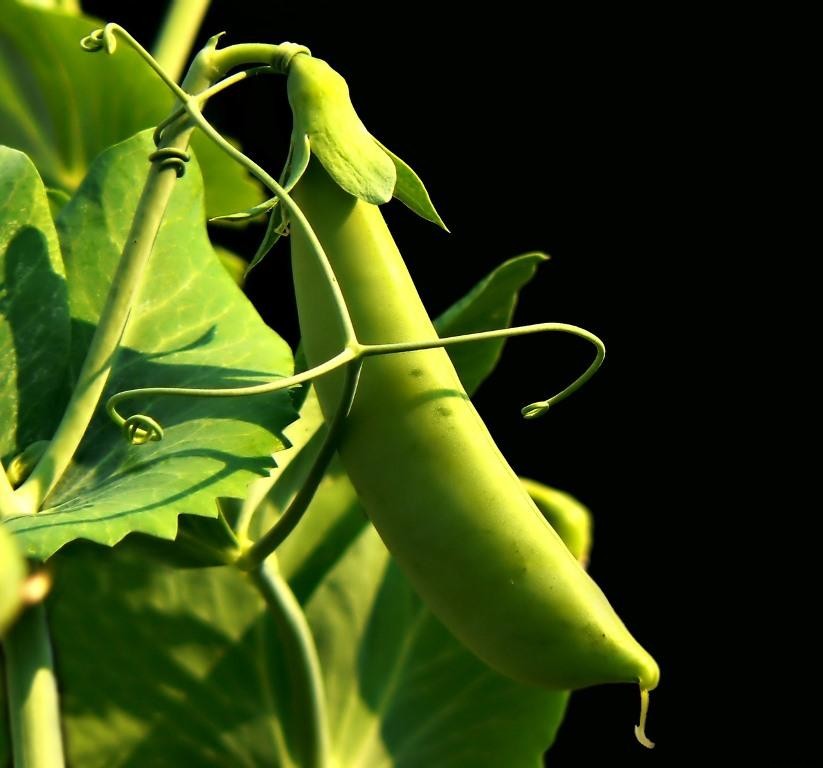
Some winter vegetables that will grow very well in drier parts of Australia are listed below:
You need to add organic matter, such as compost or even aged animal manures because they are very important for all soils. Sandy soil has particles that are quite large and even coarse compared with clay. Then grab a handful of moist, sandy soil and it won’t stay together.
In temperate and subtropical areas, you need to sow and then plant cucurbits seedlings from September to January. In cooler areas, you need to start plants in pots in September and then grow them under glass until the soil is warm enough for planting in October or November.
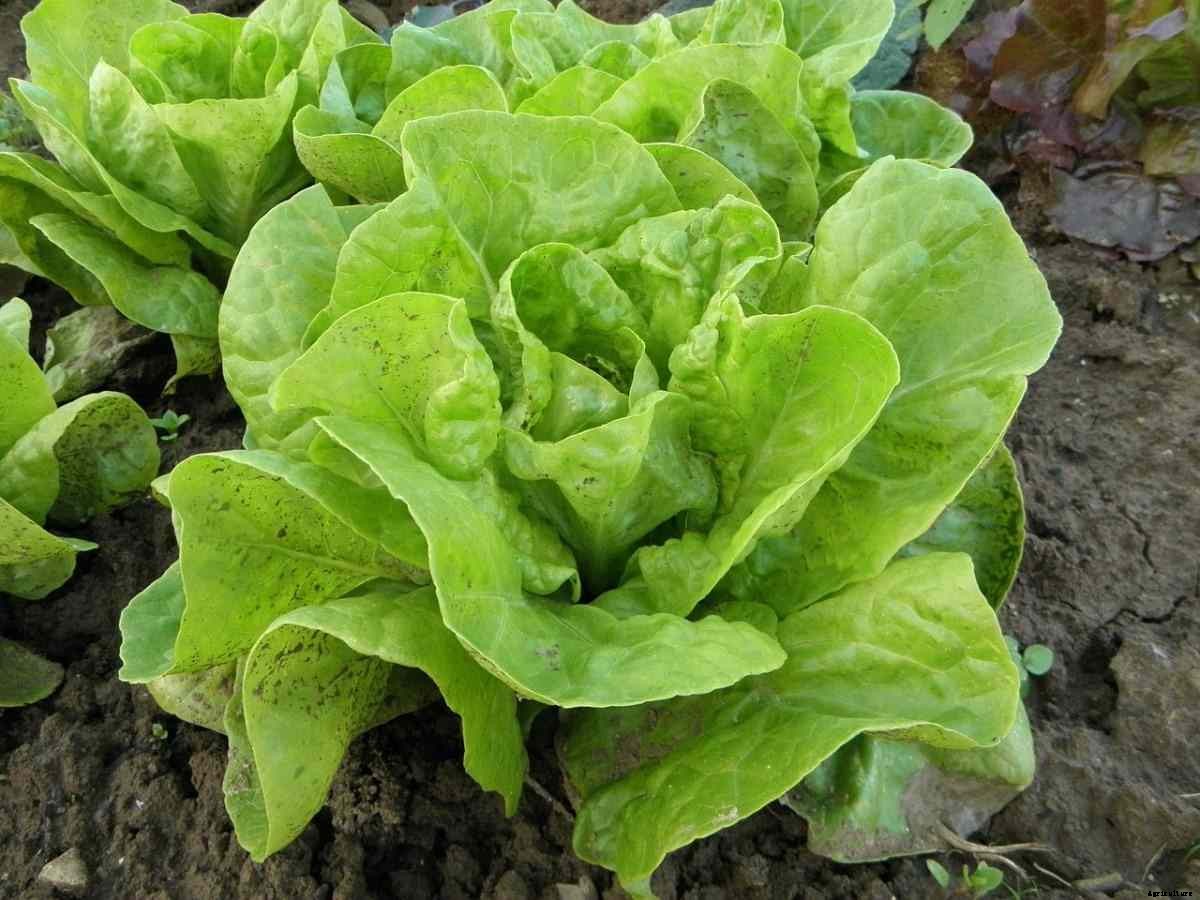
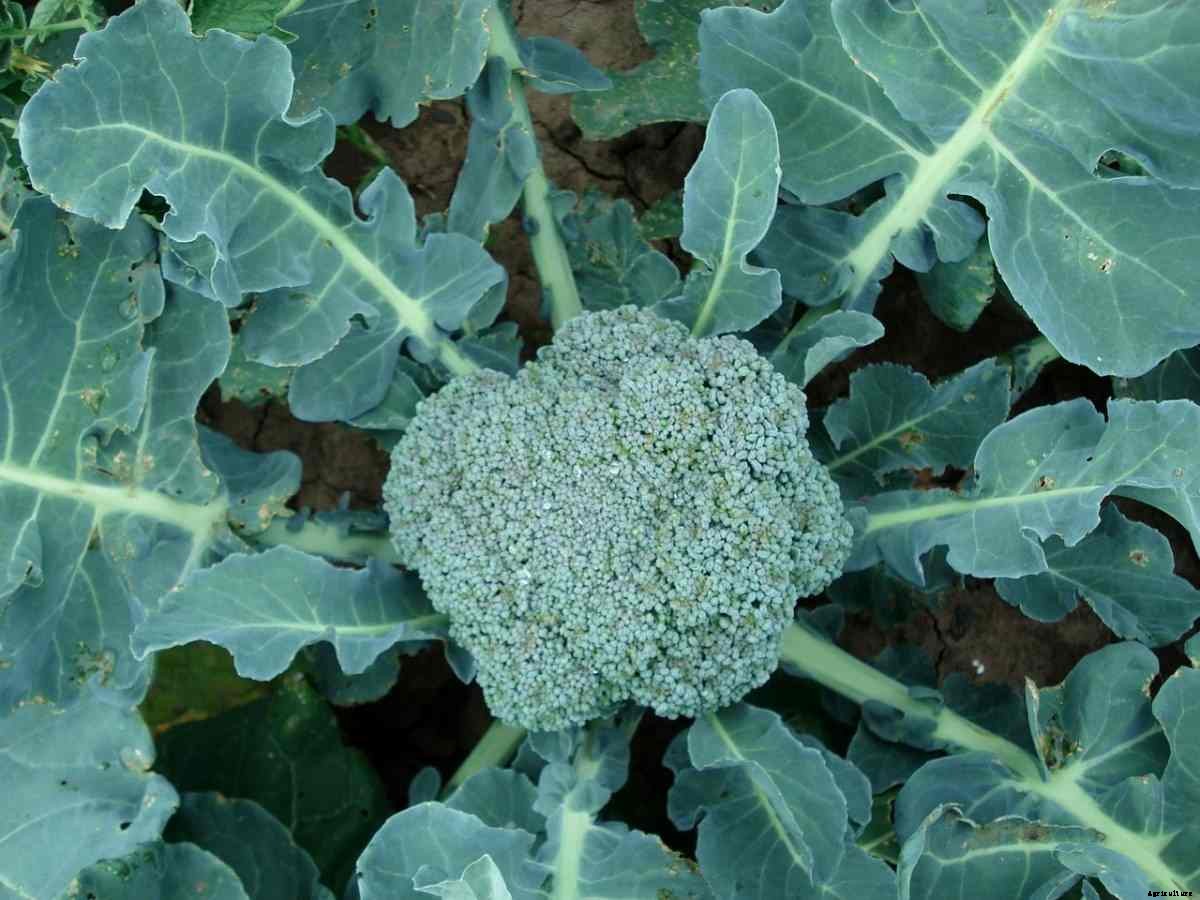
You can grow Artichoke, Asparagus, Broad Beans, Beetroot, Broccoli, Cabbage, Carrot, Kale, Lettuce, Onion, Parsnip, Pea, Potato, Pumpkin, Radish, Rhubarb, Silverbeet, and even Spinach.
To better your clay soil, you need to add powdered gypsum at the rate of two to three handfuls per square meter, then dig the soil over and water it in.
However, for a faster option, for example, in planting holes, you need to use a liquid clay breaker with organic matter.
You need to add a handful of powdered gypsum to the bottom of the planting hole.
You need to fill the bottom half of very large beds with ordinary soil. The roots of the vegetables won’t reach that far anyway so this will make the project a touch more economical. Good quality soil mix which contains compost and fertilizer should be used for the highest 30 or 40 centimeters.
The main options for places to plant are garden beds, raised freestanding beds, or pots. If you’re digging directly into the soil, raise the soil level within the bed by adding compost and manure. This may not only help to provide nutrients but also will improve drainage.
Australia grows a good range of deciduous fruits including Apple, Pear, Grape, Nashi, Peach, Nectarine, Plum, Apricot, Cherry, and to a lesser extent persimmon, Kiwifruit, and Blueberries.
In case if you miss this: How To Grow Hydroponic Parsley
Below listed flowers bloom all year round in Australia
You need to plant pansies, violas, cineraria, calendula, dianthus, lobelia, snapdragon, stock, and poppies for winter color. Small native shrubs like Leptospermum and Grevillea are often planted now and are an honest option for a difficult spot as they’re tough and tolerate dry conditions.
Companion plants that grow well with roses are given below:
Loosen the highest of the soil with a lightweight forking over.
Layer 1- Horse Manure: you need to apply around 6cm deep.
Layer 2 – Green waste: Add plant pruning, leaves lawn clippings, or even kitchen scraps.
Layer 3 – Mulch: Millie is using straw which can help prevent any weed seeds from germinating.
Mulch: you need to apply mulch to garden beds to require advantage of winter rainfall and make sure the surface roots of plants are kept shielded from winter. Mulching is usually an excellent idea because it improves soil structure and helps retain moisture for the hotter months ahead.
A really good all-around mulch is that the coarse wood mulches like pine bark or eucalypt chips. They are doing an honest job of insulating the soil by trapping much air around the particles also allowing moisture down into the soil.
Follow these guidelines for beginners and you will be off to an excellent start.
Step 1 – Know your garden. Know your site: the primary step in creating the right garden is to familiarize yourself with the world you would like to plant.
Step 2 – Create your color palette.
Step 3 – Design your garden.
What is the rarest flower in Australia?
He has one among the rarest plants in Australia – just one individual is understood within the wild, the Ormeau Myrtle.
5 Super Speedy Vegetables are given below:
Fall vegetable plants that will be grown in 30 days are given below:
There are numerous new forms and hybridized sorts of Australian natives that are a touch more compact and have great long flowering periods, so there are many native plants that will work well in a pot or container.
Potting mixes that are used successfully include Rough River sand or coco sphagnum mix within the ratio of 3:2 and a mixture of coarse river sand or coco peat moss or sandy loam within the ratio of 5:4:3. If you create up your own mix, then add some slow-release fertilizer at the speed recommended on the pack.
The Australian native flowers are given below:
The main options to plant are garden beds, raised freestanding beds, or pots. If you’re digging directly into the soil, raise the soil level within the bed by adding compost and even manure. This may not only help provide nutrients but also will improve drainage.
A balcony garden is strictly what it sounds like—a garden that is arranged on a balcony. Given the limited space, this sort of urban gardening relies on container gardening. Counting on the dimensions of your balcony, you’ll need to add small trellises to your pots and containers to enable some plants to grow vertically.
The best plants for Balcony Gardens are given below:
1) Impatiens
2) Verbena
3) Marigolds.
4) Pansy
5) Petunia
6) Vine
7) Pelargonium
8) Begonias
Vegetables commonly grown in greenhouses in Australia are Tomatoes, Capsicum, Cucumber, and Eggplant.
Catch plants of Lettuces, Carrots, Radishes, and Beetroots also can be sown directly into greenhouse borders for a little harvest a touch before their outdoor-sown brethren. As summer approaches, you will need to start out transplanting container-grown seedlings outdoors to assist release space undercover.
#1: the best all-weather greenhouse: Garden greenhouse from Levede Store. If you’ve got concerns about the sturdiness of your backyard greenhouse, then the garden greenhouse from Levede Store is that the correct purchase for you.
To attenuate shading effects, greenhouses are generally oriented north-south. In southern areas of Australia, an east-west orientation may end in slightly more light transmission, but the necessity for cooling and ventilation is a more important factor under Australian conditions.
The benefits of having vertical gardening are given below:
First and foremost: increased yields. Making maximum use of space means a good and heartier harvest. Maintaining and harvesting from vertical planting is additionally physically easier—plants reach a better level.
Even Corn and Melons are often grown hydroponically as Peas, Sugar snaps, and Beans which may be grown up in a frame sitting above or around the tank. Although it’d seem unlikely, root vegetables like Carrots and Beetroot are both massive and even delicious when grown in a deeper hydroponic system.
The popular and easy to grow vegetables are given below:
You’ll need to top up water lost to evaporation, etc.; however, the system is self-cleaning when operational, however, it is recommended to change the water once in 2 to 3 weeks.
A general rule of thumb is that aquaponic water should be changed out every two to three weeks. Counting on your system you’ll need to change it more or less often to take care of optimal pH and nutrient levels.
It’s best to water deeply and sometimes instead of shallowly a day, so you need to use a sprinkler instead of a watering wand. Set a rain gauge bent to measure what proportion of water your sprinkler puts on the garden. If possible, water very deeply with a sprinkler just one occasion every week.


