
Welcome to Modern Agriculture!

Introduction to how to start thyme gardening for beginners, planting tips, ideas, techniques, questions, and answers: Hello gardeners, we are here with thyme gardening for beginners. Do you want to grow thyme on your own and do you have some doubts about growing thyme? Then follow this complete article to grow the perfect thyme plant. In this article, we are going to discuss some frequently asked questions about thyme gardening.
Thyme is an aromatic perennial evergreen herb in the mint family Lamiaceae that comes from the genus Thymus. Thymes are related to Origanum, the oregano genus. They have culinary, medicinal, and ornamental benefits, with Thymus vulgaris being the most widely grown and utilized for culinary purposes.
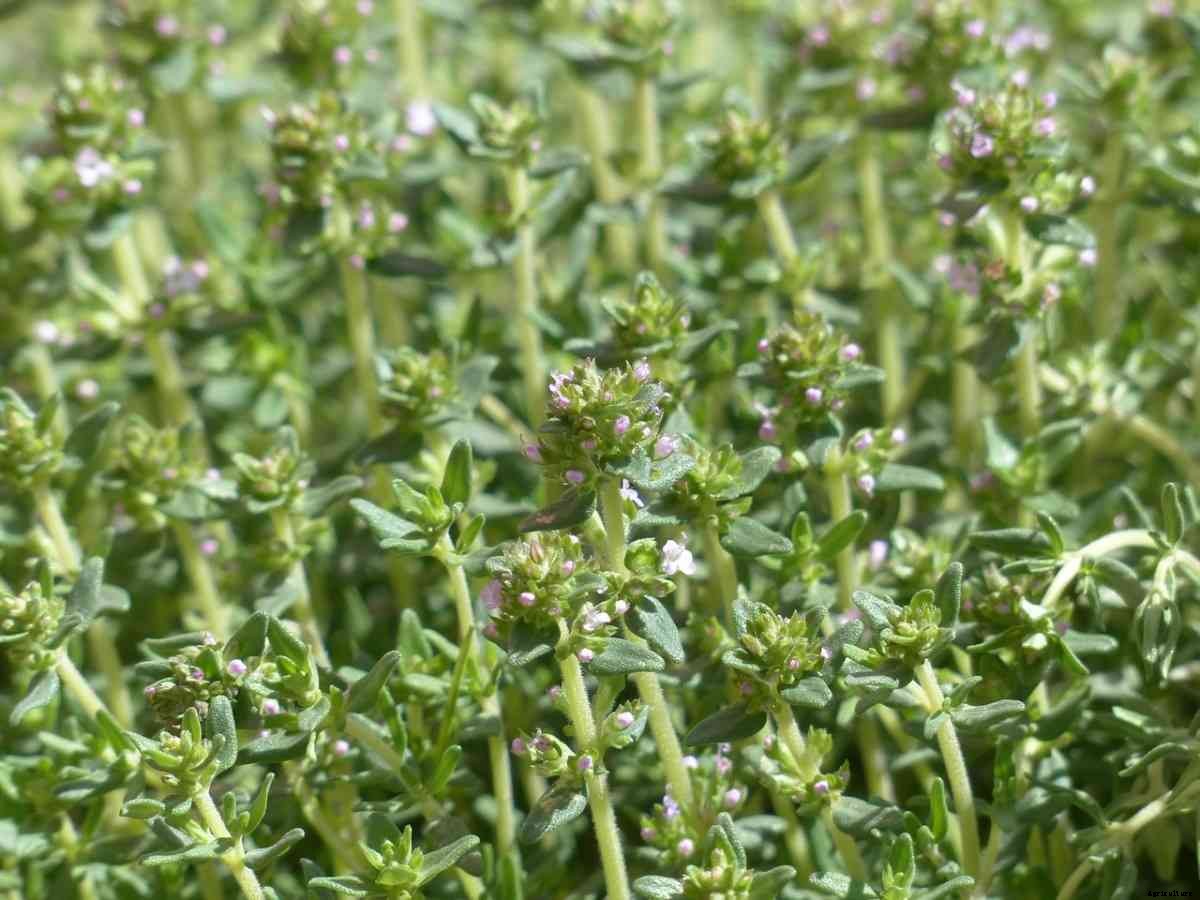
Thyme thrives in direct sunlight and enjoys the heat. You need to plant near a sunny window if growing in a pot indoors.
To avoid “wet feet,” the soil must drain very well. Better plant with other drought-tolerant perennials in the garden.
You can fertilize with organic matter, such as compost, in the early spring, but only a little amount of soil amendment is required.
Thyme is difficult to grow from seeds due to its sluggish and inconsistent germination. Buying plants from a garden center or borrowing cuttings from a friend is easier. You can propagate from your cuttings over time.
Plant the cuttings indoors 6 to 10 weeks before the final spring frost to get a head start. (Check the frost dates in your area.)
After the ground temperature reaches 21°C, plant cuttings or young thyme plants. In well-drained soil approximately 9 inches apart, this is normally 2 to 3 weeks before the final spring frost.
Depending on the kind, space young plants 12 to 24 inches apart.
The plants should reach a height of 6 to 12 inches.
Better to plant thyme near cabbage or tomatoes in the garden.
If you’re growing thyme in a container, pair it with rosemary, which likes to be in the sun and requires similar watering.
When the earth is entirely dry, then water deeply.
To control growth, prune the plants back in the spring and summer.
Remember to carefully mulch around the plants when the earth freezes if you have cold winters.
Plants that are three to four years old should be divided or replaced because older plants are woody and have less tasty leaves.
You can also take cuttings and grow them in pots inside.
Thyme is harvested by cutting off the top five to six inches of growth right before the plant flowers. Keep the tough, woody pieces out of it.
Thyme is best harvested in the morning when the dew has dried. It’s best not to wash clean leaves because it loses part of the vital oils.
Now, let us discuss some frequently asked questions about thyme gardening;
In case if you miss this: Fast Growing Vegetables.
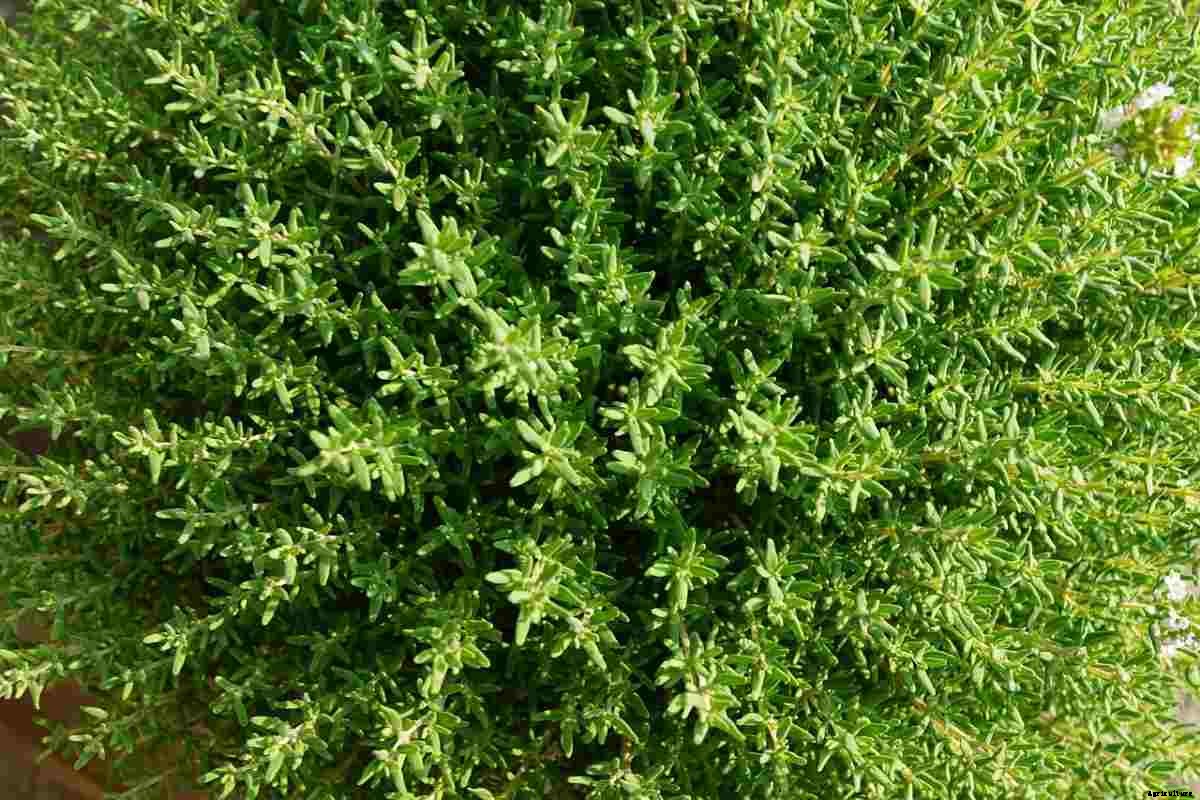
Thyme thrives in direct sunlight. Begin with young plants that have been planted out after the last frost in the spring. Choose a healthy young thyme plant. You need to plant in well-draining soil with a pH of around 7.0.
Thyme should be grown in full sun in well-drained soil. Some thyme species work well in gravel gardens, cracks in paving, or as a grass replacement. Others thrive in pots, which you can bring indoors in the fall. After flowering, cut back thyme and preserve sensitive species in the winter.
Root rot or fungal disease produced by excess moisture around the roots caused by overwatering or slow draining soils is the most prevalent cause of thyme plant death. After 4 or 5 years, thyme plants may begin to die back, dry out, and turn brown.
Thyme – The majority of thyme types are tolerant to partial shade. Allow the soil to dry somewhat between each watering. For a fragrant container, combine it with other flowers and plants.
Although thyme is a perennial, it usually only lasts three to four years before turning brown in the center. The stems of thyme become dark and woody as they mature.
Herbs can be planted in a variety of combinations. Herbs that grow well in the same environment can usually be planted together. Sage, thyme, rosemary, marjoram, lavender, and oregano are some of the herbs that are usually cultivated together.
Remove only the plant’s soft, green stems using little garden shears or scissors. Do not cut past the herb’s woody sections, as this is where new growth will appear. Cutting the thyme way back allows it to tolerate the winter temperatures better and promotes new growth the following season.
How about this: Biofertilizers In Agriculture.
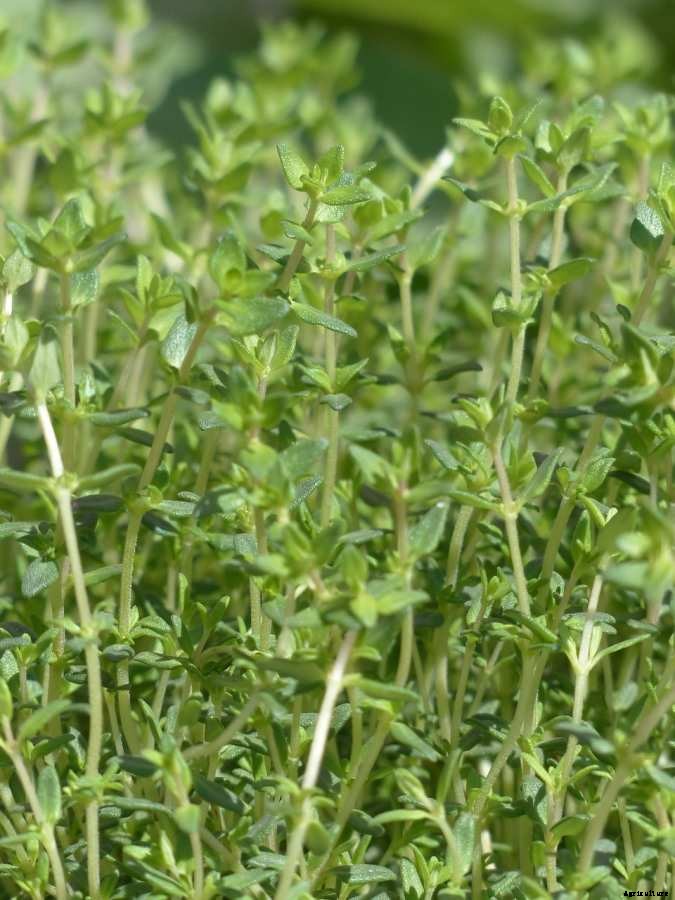
Thymus vulgaris, or common thyme, is a perennial shrub. It is simple to grow from seed, albeit germination takes 14 to 28 days.
The most crucial thing you can do to save a browning thyme plant is to cut back on watering to once a week. Between watering, thyme loves the soil to dry out a little. Wait until the soil feels dry to a depth of a few fingers before watering if there has been a lot of rain.
Trimming thyme for mild rejuvenation is essentially preventing your thyme plant from becoming too woody in the future. Select the one-third oldest stems on the thyme plant after it has flowered in late summer. Cut these back by two-thirds with sharp, clean scissors.
Thyme is an herb that requires very little water to grow. This plant just has to be watered every 10 to 15 days.
In the spring, fertilize thyme plants with an all-purpose 10-10-10 fertilizer. To keep the plant from developing too many leaves, which will reduce the intensity of thyme’s fragrant oils, use half-strength. After feeding, water the plants well to ensure that the fertilizer is evenly distributed throughout the soil.
To avoid rotting, remove fallen leaves from thyme plants in the autumn. Place plants in pots in a rain shadow or a dry, light location to keep them from becoming too wet in the winter, and raise them onto pot feet to allow the compost to drain freely.
If at all possible, pluck the blooms from your thyme plant before they bloom, while the blossoms are still buds. Prune your thyme plant during its active growing season, when it is producing the newest growth. Remove all dead branches, as well as an inch or two of each branch’s end.
Thyme, like other herbs, thrives in bright light. Your plants will need up to 10 hours of direct sunlight per day if you are growing them outside. Thyme will need as much strong, direct light as you can offer it if you’re cultivating a herb garden indoors.
Bees love the small pink, lavender, or white tubular blooms of thyme plants, which bloom in the spring and summer. Its tiny gray-green leaves are evergreen, and in zones where it is a perennial, most thyme kinds can even be harvested in the winter. Thyme can be grown at any time of year.
A little cold stratification or an overnight soak is beneficial for thyme seedlings. Be sure to use fresh thyme seeds. Thyme should be started indoors in peat pots six to ten weeks before the last spring frost date.
Thyme plants spread by sprouting from one set of leaves to the next, just like any other plant. A stem segment lies between the leaves. Some thyme creates leaf clusters that are quite close together, while others produce leaf clusters that are spaced further apart.
Thyme dislikes wet soil, but it will benefit from a light spring feeding of high-potash plant food. During the summer, give your plants a liquid feed to help with growth, flavor, and flowering. Plants should be pruned after flowering with secateurs or shears to keep them compact and encourage new growth.
After each watering, allow the pot to dry fully before watering again. Fertilize thyme every two weeks with a half-diluted solution of fish emulsion or liquid seaweed. To encourage fresh new growth, prune the thyme plant’s too woody stems. Remove the blooms and dry them to make a sachet or use in tea.
Root rot or fungal disease produced by excess moisture around the roots caused by overwatering or slow draining soils is the most prevalent cause of thyme plant death. After 4 or 5 years, thyme plants may begin to die back, dry out, and turn brown.
Water: Because most thyme kinds are drought-resistant, give them a good soaking only when the soil is entirely dry. Thyme is a robust grower, so make sure to give it plenty of room.
Thyme can tolerate a wide pH range both above and below neutral (pH 7.0). It thrives in soil with a pH of 6.0 to 8.0. After three or four years, thyme plants might grow woody and slow. In the spring, divide the plants to make room for new ones.
Thyme develops root rot or fungal disease as a result of constantly damp soil, which is the most prevalent cause of thyme death. Small pots or containers, or a lack of drainage holes in the pot’s base, might cause thyme to droop or grow slowly.
Trimming your thyme encourages it to grow more. In the morning, cut fresh stems, leaving tough, woody bits behind. Leave at least five inches of growth remain so that the plant can continue to thrive. Pruning regularly fosters not only increased growth but also a more rounded shape.
Botrytis rot, Rhizoctonia (root rot), and other plant diseases can affect thyme. You need to avoid difficulties, plant in areas with good drainage and sufficient air movement. Aphids and spider mites are two common insect pests that affect this plant.
Thyme: Spider mites and aphids are two common garden pests that affect thyme. Look for these insects on the undersides of leaves and fresh plant development. If pests are discovered, use a strong blast of water or insecticidal soap to knock them off the plants. Botrytis rot and Rhizoctonia are also threats to thyme (root rot).
Yes, this is why growing your thyme is so beneficial. In a greenhouse, it’s a simple herb to grow. You can plant it from cuttings because it is a woody plant.


