
Welcome to Modern Agriculture!

Introduction to Fenugreek Gardening for Beginners, Planting Questions and Answers (FAQs): Hello everyone, today we are back with one more article. Do you want to grow your own fenugreek and do you have any doubts about planting and growing fenugreek? Well and then you will need to follow this complete article to have a perfect idea about growing fenugreek. In this article, we are going to discuss some frequently asked questions about fenugreek.
Fenugreek is an annual plant from the Fabaceae family with three tiny obviate to oblong leaflets. It’s a semiarid plant that’s grown all over the planet. Its seeds and leaves are common ingredients in Indian subcontinent recipes, and it has been utilized in cooking from ancient times.
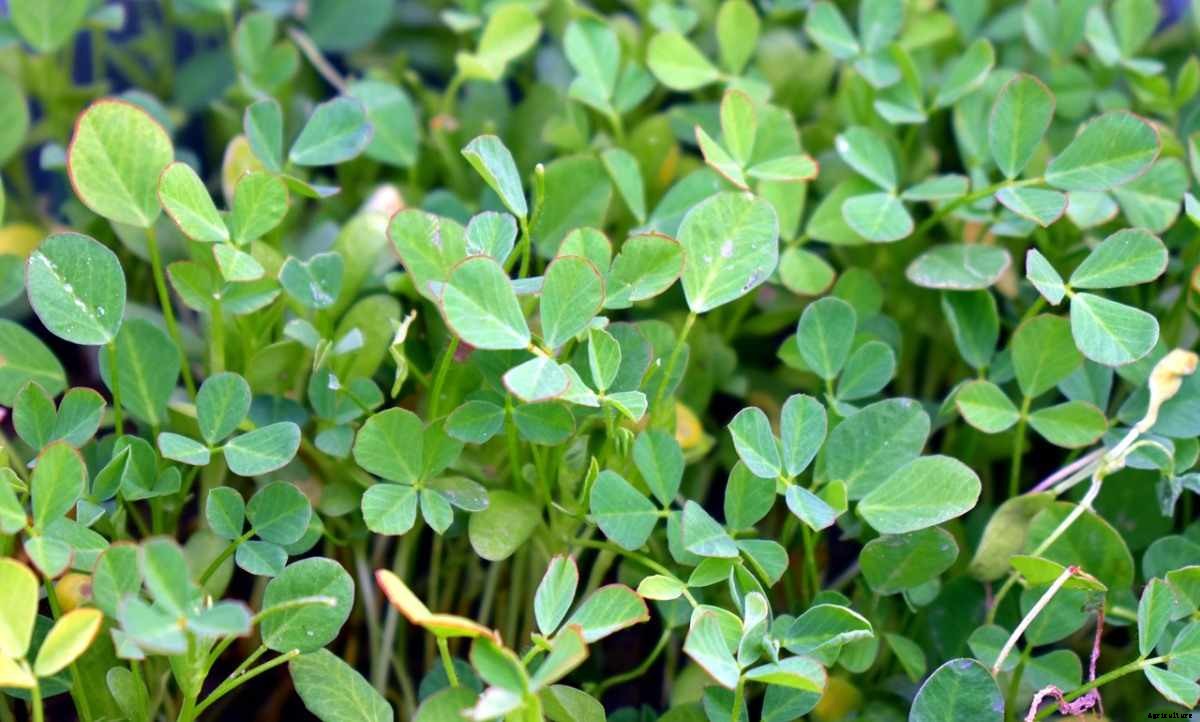
The legume fenugreek, often known as ‘Methi,’ belongs to the legume family. This plant’s seeds and leaves can both be eaten. Fresh leaves are used as a green leafy vegetable, dried leaves are used as a spice, and seeds are used as a spice. This adaptable plant is utilized in a variety of ways, including cooking, spices, cosmetics, soaps, and even medicinal.
Fenugreek seeds are well-known for their medical benefits, which include joint pain relief, blood sugar control, and hair growth restoration. Fenugreek is a beneficial plant that aids in the fixation of nitrogen in the soil, which is an essential component for plant growth. Fenugreek is a nitrogen-fixing plant that can thrive in poor soil and grow lush and green. By adding nitrogen to the soil, this plant improves the quality of the soil for other plants.
Growing fenugreek (methi) is one of the most satisfying gardening experiences since it grows quickly – from seed to harvest in as little as 30 days.
Now, let us discuss some frequently asked questions about fenugreek planting and growing
Methi should be started inside four to six weeks before the final frost of the season. Seeds should be planted 14 inches deep in a light medium and kept moist. Once the Methi seeds begin to germinate, water them lightly.
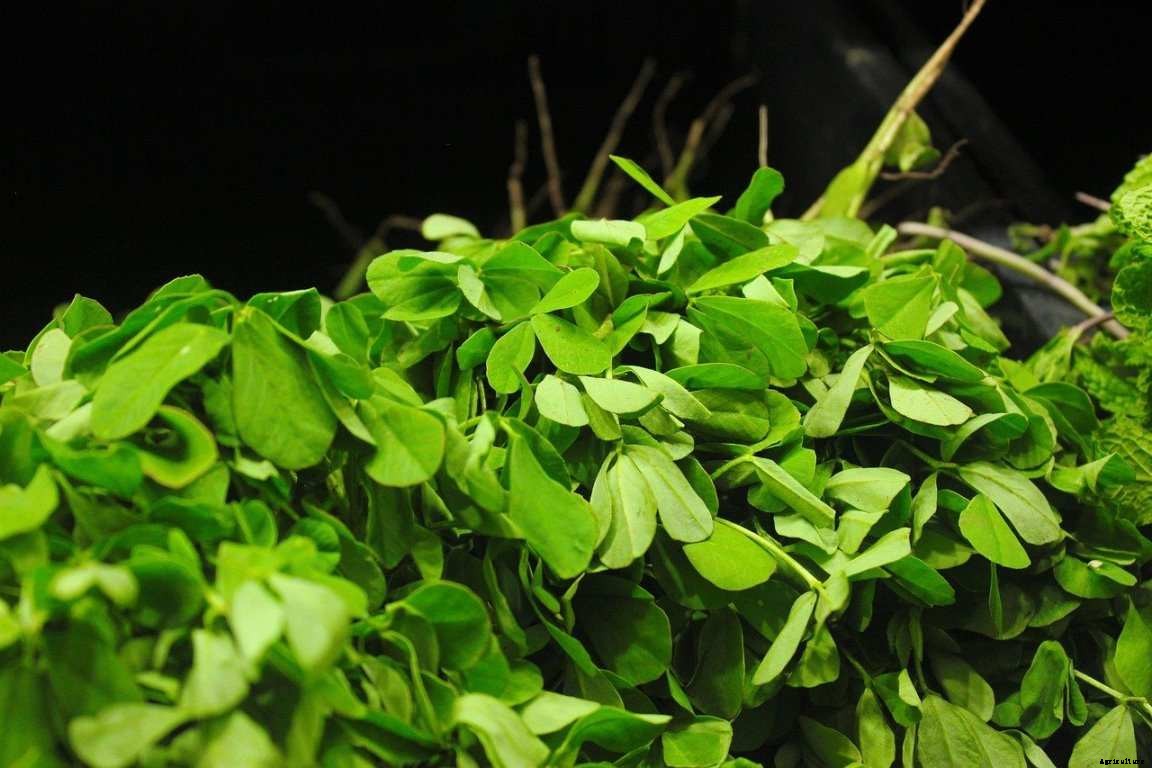
Fenugreek takes 3 to 5 days to germinate (sprout) and around 2 to 3 weeks to mature before it can be harvested, depending on the weather.
Yes, most of the leafy vegetables can be grown in hydroponics without soil. Growing Hydroponic Fenugreek will yield more and less tolerance to diseases.
Before sowing the Fenugreek/Methi seeds, soak them overnight. Soaking the seeds overnight before planting will speed up the germination process and boost the germination success rate. Soak the seeds in warm water in a glass dish or glass and leave them there overnight.
The leaves will regenerate in 15 days after being trimmed. You can keep picking the leaves until the plant starts to blossom. After 3 to 5 months of planting, you’ll be able to harvest the fenugreek seeds (methi).
Planting fenugreek in poor soils will help to enhance the nutrient quality for future plants because of its nitrogen-fixing characteristics. There is no need to apply fertilizer, although adding rotting manure or compost to the soil before sowing is always a good idea.
Excessive watering can kill the seeds. It dislikes being moved from container to soil, so keep growing them where you’ve sowed the seeds. Watering: Methi seeds require less water but more regular watering to grow and thrive.
Because fenugreek grows best in warm soil, it can be planted anytime from spring to early October. You can start growing fenugreek indoors as early as 5 weeks before the last frost if you reside in a colder climate or want to start growing it before spring.
Growing fenugreek is simple, whether you live in a hot or cold area, and it can be grown on the ground or in containers. It can also be grown inside in small pots on windowsills. You may also grow lettuce, spinach, and other greens in your balcony vegetable garden, as well as on your patio, terrace, and rooftop.
Seeds should be planted 14 inches deep in a light medium and kept moist. Once the Methi seeds begin to germinate, water them lightly. Because methi is a legume, it may be sensitive to disturbance after germination. Methi requires full sun to part shade or filtered sunlight to flourish.
When a bed will be idle for more than eight weeks, sow fenugreek from late spring to late summer. You need to direct seed into the soil at a distance of 2 inches or 5 cm apart and a depth of one-half inch or 1 cm. In all directions, thin to 6 inches or 15 cm apart.
Fenugreek grows very well in pots, containers, and even grow bags. Seeds should be planted in a pot and placed on a sunny windowsill, balcony, or patio garden. You won’t need a deep pot for this herb because it has shallow roots. Use a broad, 6-8-inch-deep planter with sufficient drainage.
How About This: Backyard Gardening For Beginners.
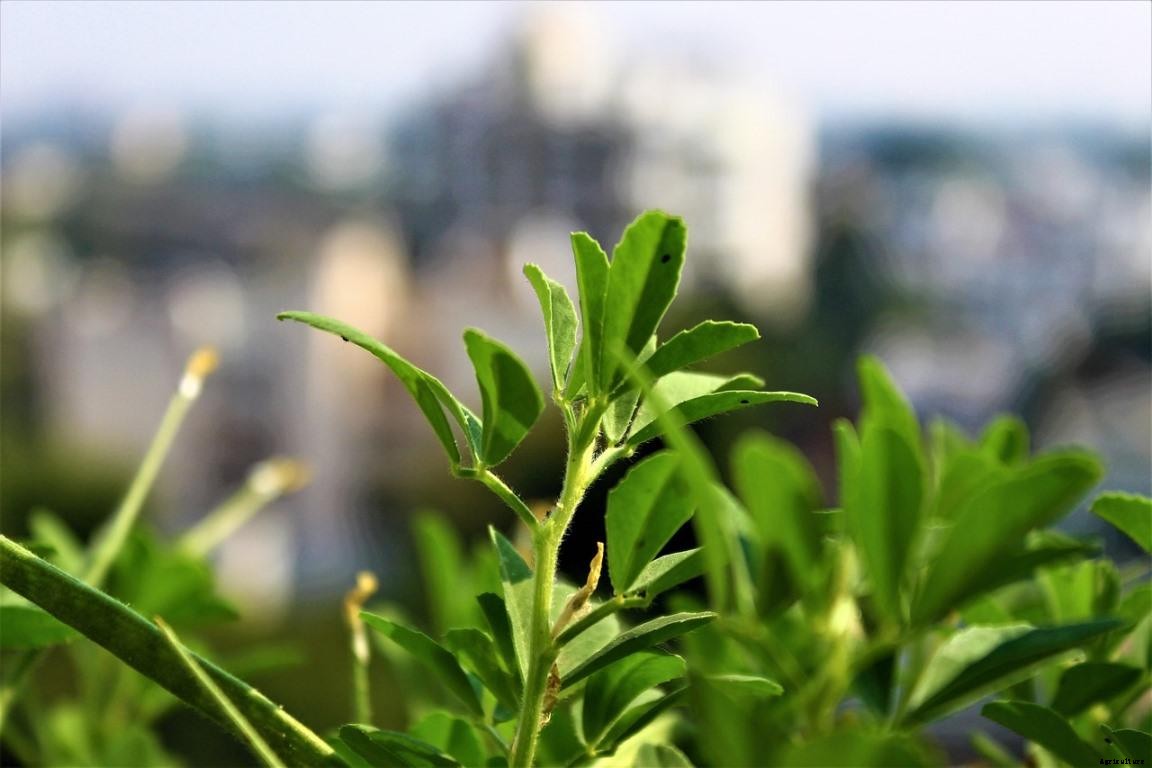
Days to Germinate (Sprout) 7 to 10 days and maintain depth to Plant ¼ inches.
Seeds can be broadcasted or planted in 1/4-inch rows 8 to 18 inches apart. They should germinate fast, popping their heads through the earth in a few days. You need to water frequently to keep the soil moist, but not too so, as this plant will not thrive in soggy soil.
Seeds should be planted 4 inches deep and 6 to 8 inches apart. Water the plant once a week with around 1 inch of water.
From full sun to partial shade, methi plants thrive. During the growing season, provide 5 to 6 hours of direct sunlight. Plants can be harmed by direct sunlight during the hot summer months, so keep the container in the shade. Plants that are grown inside require full light to thrive.
Harvesting – Within 20 to 30 days of seeding, this fast-growing annual will produce leaves that are ready to harvest. In about 15 days after cutting, the leaves will regenerate. You can harvest the leaves as many times as you want until the plant starts to blossom.
The legume fenugreek is a delicate annual that belongs to the legume family. This plant can reach a height of two feet from a single hollow hairy stem with branching branches at the base.
After sowing, cover the seeds with extra dirt to ensure germination. Within 3 to 4 days, the seeds germinate. Sunlight: Set your container in a brightly lit area of your garden.
The leaves of a plant turn yellow when it is overwatered for the first time. Leaves begin to droop if the soil isn’t allowed to dry up before being watered again. Overwatering causes wilting leaves to become mushy and limp. (Wilted leaves are dry and crispy if there isn’t enough water.)
Methi leaves are ready to harvest after about 20 to 30 days from the day they were planted. The plant’s leaves can be gently trimmed and used for a variety of culinary uses. Make sure you leave the twigs intact when trimming the leaves since they will grow back in the next 15 days.
Wait until the plants start to die before harvesting. To extract the seeds, gather the seed pods and thresh them. Allow the seeds to dry in the sun. To protect the flavour, store them in an airtight container away from direct sunlight.
Fenugreek, spinach, and onion plants all have taproots. Roots that grow vertically downward are known as taproots.
Water the soil regularly to keep it moist. Avoid soggy soil by not overwatering the plant. This will stunt the growth of your Methi plant and eventually kill it. Water Methi carefully if you’re growing it indoors or in a gloomy location.
Leaf miners are known for their white squiggly lines. Leaf miners (Liriomyza Munda) are insect larvae that develop from eggs laid between the upper and bottom surfaces of plant leaves.
Methi seeds can be planted in a pot indoors on a sunny windowsill, or outside in a balcony or patio garden. Because it is a shallow-rooted plant, it does not require a large container. Use a broad, 6 to 8-inch-deep planter with sufficient drainage. Then add 2/3 potting mix and 1/3 compost to the container.
This plant thrives in warm, humid settings with temperatures ranging from 10°C to 32°C. Thin seedlings to two inches apart once they’ve established themselves. Water your plant frequently to keep it moist, especially if the weather is dry.
The fenugreek plant is a healthy microgreen. Fenugreek can be grown in trays at home in any season. It doesn’t matter if it’s summer, winter, or rainy season.
In most cases, germination occurs within a week. The plant develops quickly and has adequate strength to compete with most weeds. During the winter, the smaller leafed type will continue to develop slowly, whilst the larger one will die off. Despite being a legume, fenugreek does not usually fix nitrogen.
You can soak the seeds in tap water for 12 to 24 hours if you like. Plant seeds in soil that are rich in compost. They should be seeded densely rather than in rows. If you want to add nutrient-dense Fenugreek micro-greens to your diet, the seeds will grow in 1 to 3 days and be ready to consume in just a few days.


