
Welcome to Modern Agriculture!

Introduction to how to start peony flower gardening for beginners, peony planting tips, techniques, ideas, questions, and answers: Gardeners today we are going to discuss peony flower gardening. Do you want to grow beautiful peony flowering plants and do you want to know all the growing requirements of peony gardening? Then follow this complete article to grow a perfect and healthy peony plant. In this article, we are going to discuss some frequently asked questions about peony flower gardening.
The peony, sometimes also known as a paeony, is a flowering plant in the genus Paeonia, which is the only genus in the Paeoniaceae family. Asia, Europe, and even Western North America are all home to peonies. In bloom, the peony is breathtakingly beautiful, with the fattest, most delectable blossoms and lush green leaves. Plant peonies in the fall to build strong root systems, then enjoy stunning blooms from spring to summer.

Peonies aren’t finicky but choose your place carefully because they don’t like to be disturbed and don’t transplant well.
Peonies prefer full sun, and while they can survive in partial shade, they blossom best in a bright area that receives 6 to 8 hours of sunlight each day.
Peonies’ enormous flowers can make plants top-heavy, so provide shelter from strong winds. (If required, use stakes to hold them up.)
Peonies don’t like to compete for food, light, or moisture with trees or bushes, so don’t plant too close to them.
Peonies thrive in moist, deep, fertile, humus-rich soil that drains well. The pH of the soil needs to be neutral for the peonies.
Peonies are often offered as bare-root tubers with three to five eyes or buds, which are divisions of a three- to four-year-old plant.
Peonies should be spaced 3 to 4 feet apart to allow for optimum air circulation. Stagnant, humid air can be a breeding ground for disease.
Dig a large hole in well-drained soil in a sunny location, about 2 feet deep and 2 feet across. The addition of organic material to the planting hole will enhance the soil. Enrich the soil with more compost if it is heavy or sandy. One cup of the bone meal should be added to the soil.
Place the root on top of a mound of soil in the hole with the eyes facing upward, and the roots just 2 inches below the soil surface. Don’t go too deep with your planting! (In southern locations, choose early-blooming types and put them 1 inch deep in the ground with some shade.)
Backfill the hole, being careful not to let the earth settle, and bury the root no more than 2 inches deep. Gently tamp the earth.
Cover a container-grown peony no deeper than it grew in the pot when planting it.
Keep the fertilizer to a minimum. Before you plant, work the soil well, adding compost and a little fertilizer, and that should be enough.
If your soil is deficient, apply fertilizer (bone meal, compost, or well-rotted manure) after the peonies have blossomed and the blooms have been deadheaded in early June. Fertilize only once every few years.
Assist the stems. Peonies’ stems, which are often not robust enough to sustain their massive flowers, are their only structural flaw. Consider three-legged metal peony rings or even wire tomato cages with a hole in the center that allows the plant to grow through.
Peony blossoms should be deadheaded as soon as they begin to fade, cutting to a robust leaf so that the stem does not protrude from the leaves. To avoid disease overwintering, cut the foliage to the ground in the fall.
Now, let us discuss some frequently asked questions about peony gardening;
In case if you miss this: How To Grow Organic Roses.
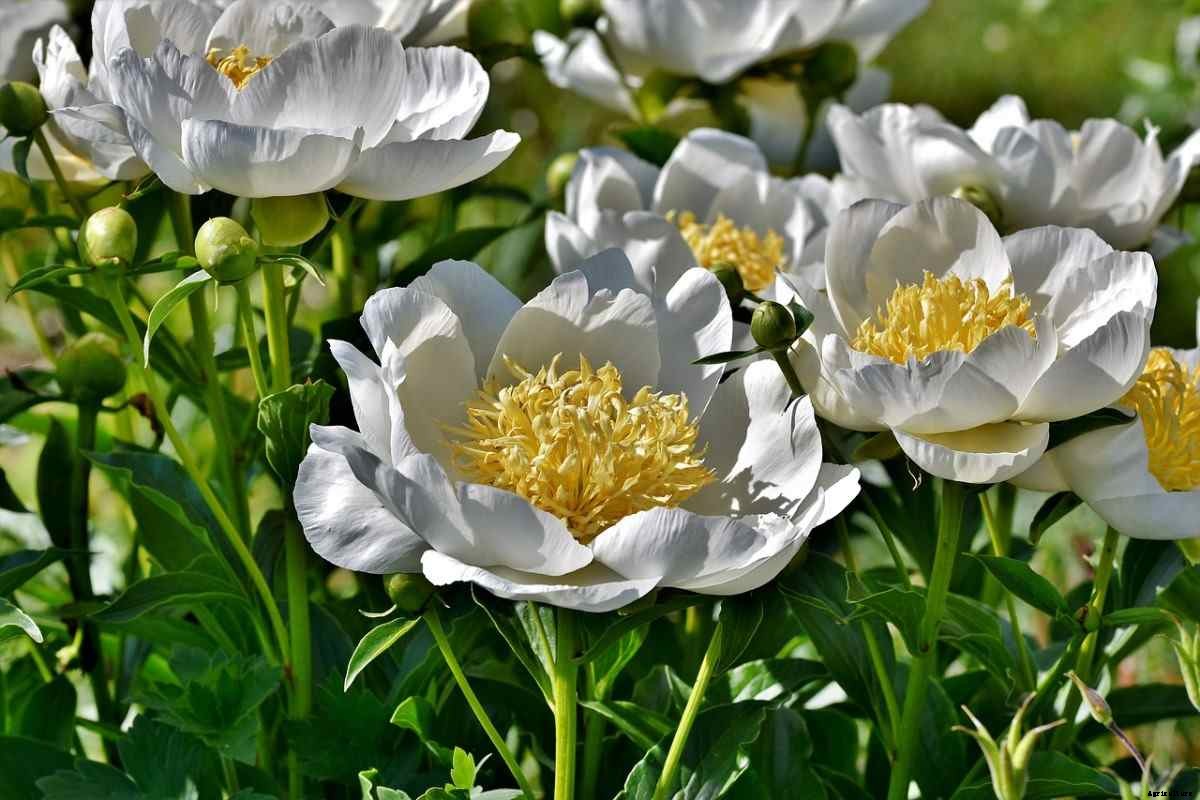
From April onwards, the optimum time to grow tree peony is in the autumn. They prefer full sunlight but will tolerate moderate shade. However, the more shadow you have, the fewer flowers you will have. They require less water in the summer because the root system isn’t active.
Peonies prefer full sun and will blossom best in areas that are warm and bright. You need to plant peonies away from tall trees or thick shrubs, as they don’t like to compete for sunlight, food, or moisture with other plants. They require deep, fertile, moisture-rich, and well-draining soil.
Herbaceous peonies require at least 8 hours of direct sunlight to thrive. They will grow in partial shade but will flower less frequently. The sole exceptions are a few uncommon Asian forest species that prefer partial shade.
Tubers should be fleshy, solid, and free of mould. Because bare-root plants often dry out during transit, it’s a good idea to rehydrate them by soaking them in a pail of water for 2 to 4 hours before planting.
If you deadhead their blooms, the peony season might endure a little longer. When peonies begin to fade, experts usually recommend deadheading them. They should trim the plant back to its leaf bud rather than just taking the head. This will assist in keeping the rest of the bloom healthy as well as the surrounding environment very clean.
Plant the eyes (the point at which new growth emerges) no more than two inches deep when growing peonies. Make sure your plants get plenty of sunlight – at least 6 hours every day. They will not flower well if at all if planted in a shady location.
How about this: How To Grow Organic Lavender.
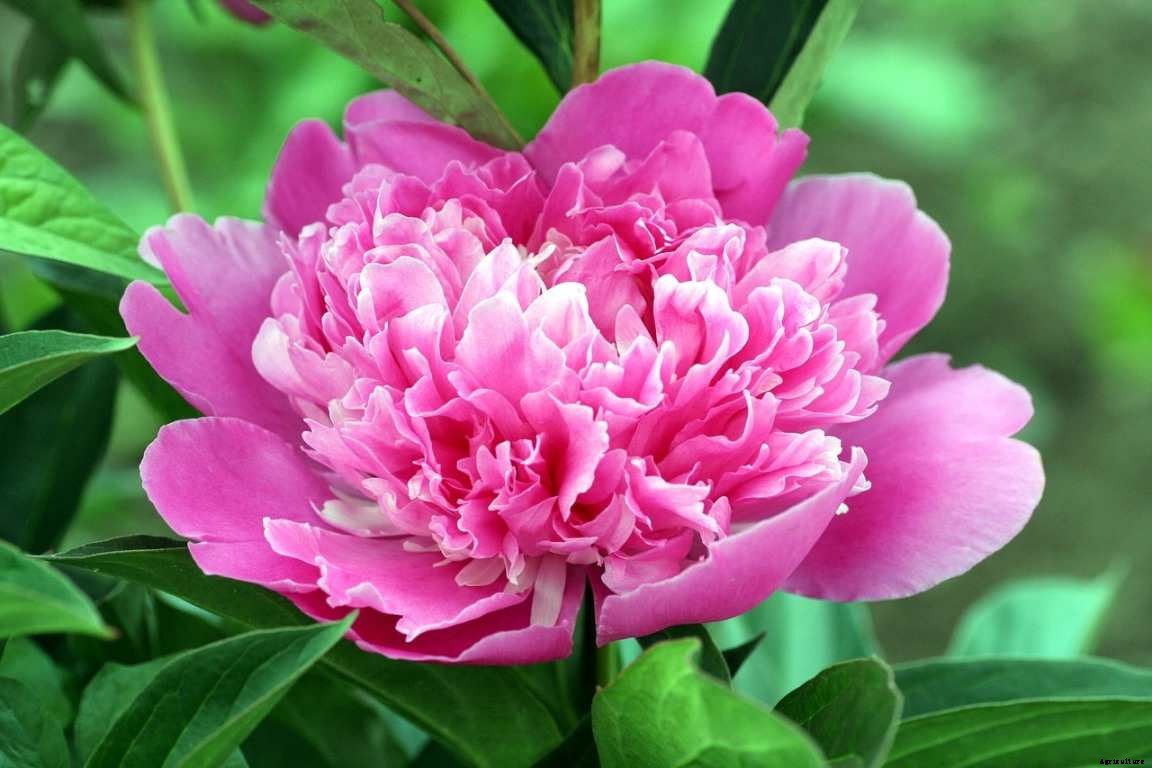
Peonies can blossom for over 100 years, as if by magic. Each bloom will last 7 to 10 days, and each plant will produce many blooms! Planting types that flower at different times within the about 6-week period of proficient flowering is the easy trick to extending Peony blooming in your garden.
Peonies are drought tolerant for a short time after planting, but frequent watering promotes better development and healthier roots. Plants require about 1 inch or 2.5cm of water every week on average.
To boost the odds of blossom production, feed your peonies with a liquid fertilizer in the spring. Peonies, too, require chilly temperatures to bloom. You may discover that your peonies generate flower buds that never open if you reside in a hot area.
They can reach a height of three feet and a spread of two to four feet, depending on the circumstances. You’ll occasionally see tree peonies in people’s yards as well. These are unique, and the distribution varies greatly according to the tree.
Many bulbs and tubers thrive in containers if the soil is well-draining and additional attention is given. Choose a container that is at least 12 feet or 46cm deep and as wide as possible (if it’s already in one, you might need to move it to a larger pot). Peonies are big shrubs that can reach a height of 4 feet or 1m.
Peonies are simple flowers to grow and care for. They bloom in late spring or early summer, dazzling everyone who sees them with their magnificent floral show. Peony blossoms are a favorite cut flower in the springtime.
Peonies may thrive in a range of soil types, although they prefer well-drained clay soil. You can adjust your soil if you want to, although it’s not always necessary.
Each season, new growth emerges from the crown of roots on herbaceous peony. Once they’ve been cut, they won’t produce another round of blossoms. The other method of trimming, known as “deadheading,” includes clipping off flowers after they have bloomed, which will also prevent the second cycle of blossoms from appearing.
Their main problem is usually caused by a fungus, which produces a variety of peony illnesses. Botrytis blight can appear during moist growth seasons. Another fungus-caused disease is peony wilt. When this fungus is found in the soil, it usually infects the plant, causing only a few stem tips to wilt.
Patience is required if you wish to develop peonies for cutting. The majority of cut cultivars can take up to three years to produce enough flowers for cutting. However, because the blooms are so huge, the usual vase only needs one or two flowers to look lovely and sumptuous.
Peony roots should be planted close to the soil surface, around 2-to 3-inches deep, to set their blossom buds. Although it may seem strange to leave roots exposed, peonies require this cooling to achieve dormancy and set blooms.
Water your peonies as soon as possible after planting to ensure that the earth settles around the roots. During the spring months, there is typically adequate moisture in the ground for peony plants, but if it hasn’t rained in several weeks, gives them a good watering every two weeks.
A tulip fertilizer is the finest approach to nourish peonies. Before planting your peony, prepare the soil thoroughly, adding compost or similar organic material such as bone meal or well-rotted manure, as well as a little amount of fertilizer.
When transplanting in the spring, summer, or late fall, it is critical to dig a large root ball and replant it as soon as possible with as little disturbance to the root ball as feasible. To transplant now, cut back the leaves and create an incision around the peony with a sharp, flat spade in preparation for lifting the root ball.
Dig a large hole (about 18inches by 18inches) for your peony root. Return the soil you dug out of the hole to the hole with a spade. You can add a little potting soil, but peonies don’t require amended soil if the soil is adequately drained. Peonies can thrive in well-draining clay soils.
Keep neighboring areas clear of weeds that harbor thrips, prevent excessive or fast-release fertilizer treatments, trim off twisted terminals, and spray these weak fliers off afflicted peonies with a vigorous spray of water to reduce their presence and impact.
A strong squirt from the garden hose with simply plain water can bring the aphid population down to a level where natural predators can keep up. If that fails, an insecticidal soap indicated for use on flowers and herbs can be used to help reduce aphid populations.
Outside, fill a large dish with chilly water, then dip each peony bloom in it and watch the ants emerge. If you overfill the dish, they will be able to crawl out. Then, to avoid picking up more ants, carefully shake/tap the water off the flower and place the stem in a ready vase.
Botrytis control in peony is a long-term effort. To harden the plants, add magnesium (Epsom salt) to the Botrytis spray. The fungus will produce winter spores in the fall, which will survive the winter in the space between the soil and the air.
Black or even brown patches on leaves stem cankers and stems that turn black at the base and fall over are all symptoms. When botrytis is present, then flower buds turn brown and fail to open. Remove any diseased leaves as soon as you see difficulties to control this peony disease.
Planting in full sunlight, providing enough water and nutrients (low nitrogen, don’t over-fertilize), avoiding getting the leaves wet when watering, providing good air circulation/avoiding crowding plants, cleaning gardening tools are among the most important cultural practices for preventing powdery mildew in peonies.
Botrytis blight is the most frequent disease that affects garden peonies, and it thrives in wet, rainy weather. The stalk develops covered in the grey mould just above ground level, which sheds a significant quantity of spores. Affected little buds get dark and wither. Buds that are larger turn brown and do not open.


