
Welcome to Modern Agriculture!

Home gardening in India, tips, ideas, and techniques: Rural and urban areas typically have home gardens in the context of small-scale subsistence agriculture. The term home gardening generally refers to cultivating a small land area near or around the household. In general, home gardens include vegetables, fruits, plants from plantations, spices, herbs, flowers, ornamentals, and livestock that provide a source of income and food for one’s family. Thus, a home garden is a cropping system consisting of soil, crops, weeds, pathogens, and insects that yields food, feed, fuel, fiber, and pharmaceuticals from resources including sunlight, water, nutrients, labor, and energy. In the shared perception, home gardens combine various trees and crops, sometimes with domestic animals, around homesteads. However, they are mainly cultivated to produce vegetables, fruits, and herbs for domestic use. As a result, a home garden is a well-defined, multi-storied, and multi-purpose area that serves as a supplementary food production system maintained by household members and encompasses a diverse array of plant and animal species that mimic the natural environment.
It is fun to the garden at Home. You can have fun gardening at Home when you do it right. Before starting home gardening, there are some essential factors that you should consider. These factors are essential to consider:
If your backyard and front yard are not large enough to grow your vegetables and plants, that should not stop you from trying. Many Indian homes don’t have a single square foot to light up your landscaping ideas, so you must grow plants in pots or containers. Here are some indoor garden ideas that you can use to get all the benefits of having an outdoor garden, no matter where you live. Having an enchanted garden as an extension of your home interior provides many benefits, including beautifying the house and exercising outdoors.
You can use your balcony: Use plant hangers and plants to decorate your apartment balcony space if you’re creative. The open space and sun exposure make this an exciting decorating idea. You can use hanging planters, pots, or even a container box to grow your favorite year-round vegetable garden. Raised beds and garden planters are the best way to grow tomatoes and root vegetables, as well as other fruit trees.Install planters on the walls, place pots on the balcony shelves, or hang baskets to grow your vegetables. You should avoid indoor plants if there is harsh sunlight on the balcony. For a sunny garden, choose Bougainvillea, Ferns, Orchids, and Geranium.
Herb garden in a teacup: Growing fresh plants in the kitchen is excellent for having herbs and flowers around. It is a clever way to enhance Indian homes with teacup gardens. A few fresh herbs make a difference in Indian cooking when combined with the climate of India. Simple indoor home gardens can be created simply by planting herbs in a teacup or a small container. Keeping the herbs alive and fresh requires daily watering due to the lack of drainage in these containers. You can use direct sunlight in the kitchen and use it in your cooking when it is available.
Vertical thinking: The vertical garden has gained a lot of popularity in recent years. In an apartment or if you have limited space, vertical gardens are easy to set up anywhere. High-rise buildings are similar to this concept. Elements of living walls inspire growing. Small potted plants and baskets are often used to create a decorative living wall anywhere indoors or outdoors. There’s nothing better than indoor gardening hacks that fit your Home, and this one is one of the best.
Let’s go tropical: Bring a wow factor to your inner courtyard. Tropical palms and ferns add contemporary drama to a courtyard garden, all while retaining moisture. Place patio slabs next to a modular sofa for comfy social seating and give your garden a contemporary feel. Creating miniature tropical forests or Zen gardens is fine if you love green.
From the window: The best ideas for indoor gardens of the year are collected here. Window-side container gardens are the best option if you have limited indoor space and want to grow plants. Indoor gardening is a great idea as long as you have enough light in your window. The addition of colorful plants enhances the aesthetic appeal of framed windows. Window placement that gets direct sunlight will support plant growth and meet a plant’s needs. In addition to providing privacy screening, leafy plants provide shade.You can save time, money, and energy by using these indoor home garden ideas. It can help you boost your home interior design game if you are dedicated and willing. For the home garden to be maintained effectively, small efforts need to be made every day. Boost your house’s oxygen flow by growing some live plants.
Self-watering pots and planters: You might want to build a small self-watering system if you’re the type of gardener who likes to ‘set it and forget it.’ The system will allow you to grow plants with a minimum of space and effort. The DIY posts are set up, and the plant will pick up water through its roots with just a little water poured into the reservoir ever so often.
An all-in-one pot with many plants: A single container garden is the smallest and simplest urban garden. Nevertheless, if a relatively large pot is maximized, it can be very productive. The combination of compatible plants allows ten different crops to be harvested in a single season if the growing season is planned well. To grow fresh, homegrown vegetables all year long, all you need is a large tub or trough, some drainage holes, soil, and complementary plants.
Organize your shoes in the garden: With the help of a shoe organizer, you can grow a vertical garden anywhere, even on your balcony railing, if you have a little sunlight. You need a canvas shoe organizer, compost-rich gardening soil, and six pouches to plant your greens or herbs.
In case if you miss this: How To Grow Plants In Hydroponics.

How about this: Easy Vegetables To Grow Indoors.
Choose plants best suited to your soil: Do you have light, sandy, or heavy soil? If you have light soil, look for plants adapted to it. Many plants thrive in one kind of soil over another. Look at the plants growing in the garden of your neighbor if you aren’t sure.
Provide enough space for plants: Buying too many plants for your bed can be a temptation at the garden center. You must water and fertilize young plants more frequently if you place them too close together. In addition, overcrowded plants are more prone to disease. You can find out how much space your plants need on their labels.
When plants are newly established, they need to be treated gently: New plants will likely be broken or bruised if you pull their stems out of their pots. Instead, you should squeeze the pot sides, turn it upside down, and then catch the plant as it falls out with the other hand. Alternatively, you can rotate the pot by pressing the sides against a hard surface as it is rotated. Then, when you upturn the pot again, the plant should slide out.
Put your roots down: You don’t want dried-up roots. Before planting a new plant in the soil, soak its roots thoroughly. Before you attempt to put it in, ensure that the hole is greater than the root system. Spreading out roots is crucial to trapping moisture and absorbing nutrients.
There’s a label for everything: Beginners may forget which plants they’ve planted and where they’ve planted them. So, take the extra minute to write a plant label (most plants from the garden center come with one) and plant it alongside your seeds, bulbs, or plants.
Your work is excellent: Maintaining your plants will give your garden the most significant rewards. Your garden needs to be deadheaded, weeded, pruned and tidied up. You can find out what is happening with your plant’s roots by carefully examining and digging in the underlying soil. By taking the appropriate measures, you can get rid of pests and diseases. Your plants need regular watering and nutrients now and then. It is not as scary as it seems to start a garden. If you plan your garden, select your plants carefully, and nourish the soil, you will be able to enjoy a beautiful garden year after year, even if you are a gardening expert.
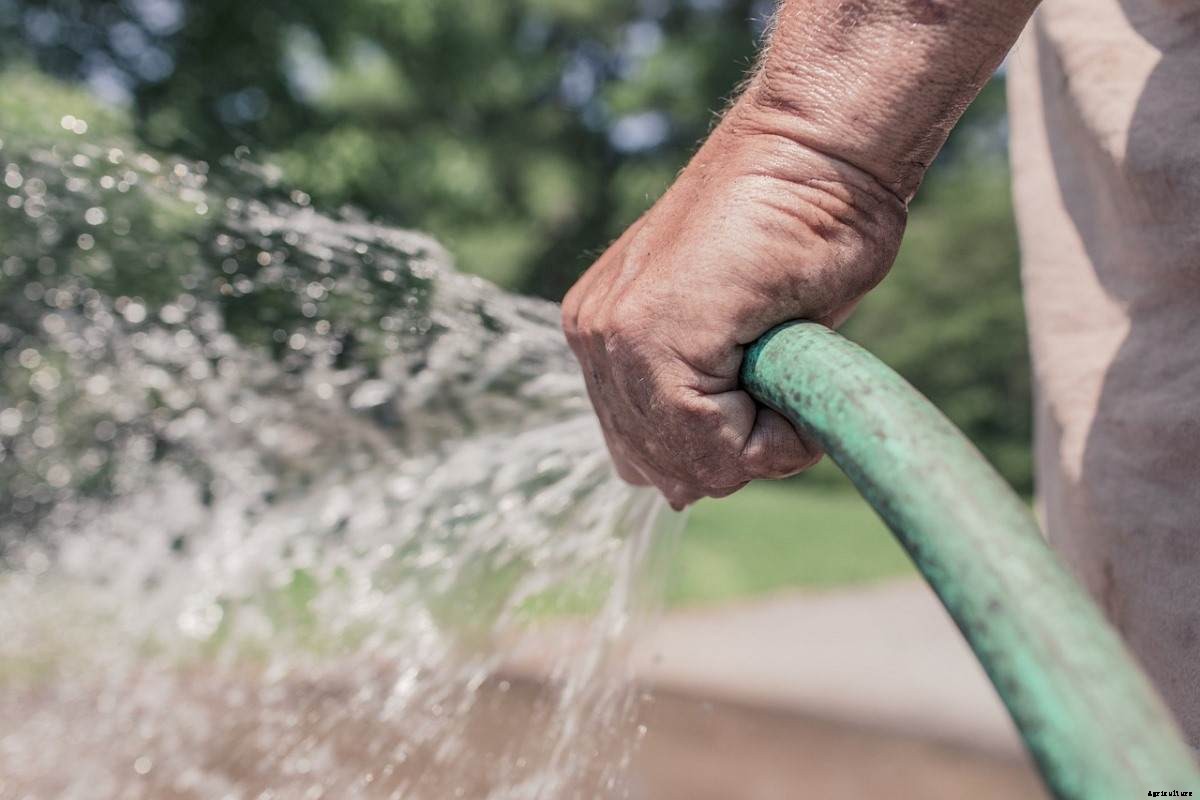
A mindful approach to watering: There is no need to artificially irrigate plants every day (unless there is a drought) since they are designed to live outside. However, if the ground around the plant is scorched, poke your fingers about two inches deep into it. In containers where many plants are in limited soil, it will be necessary to water them regularly.
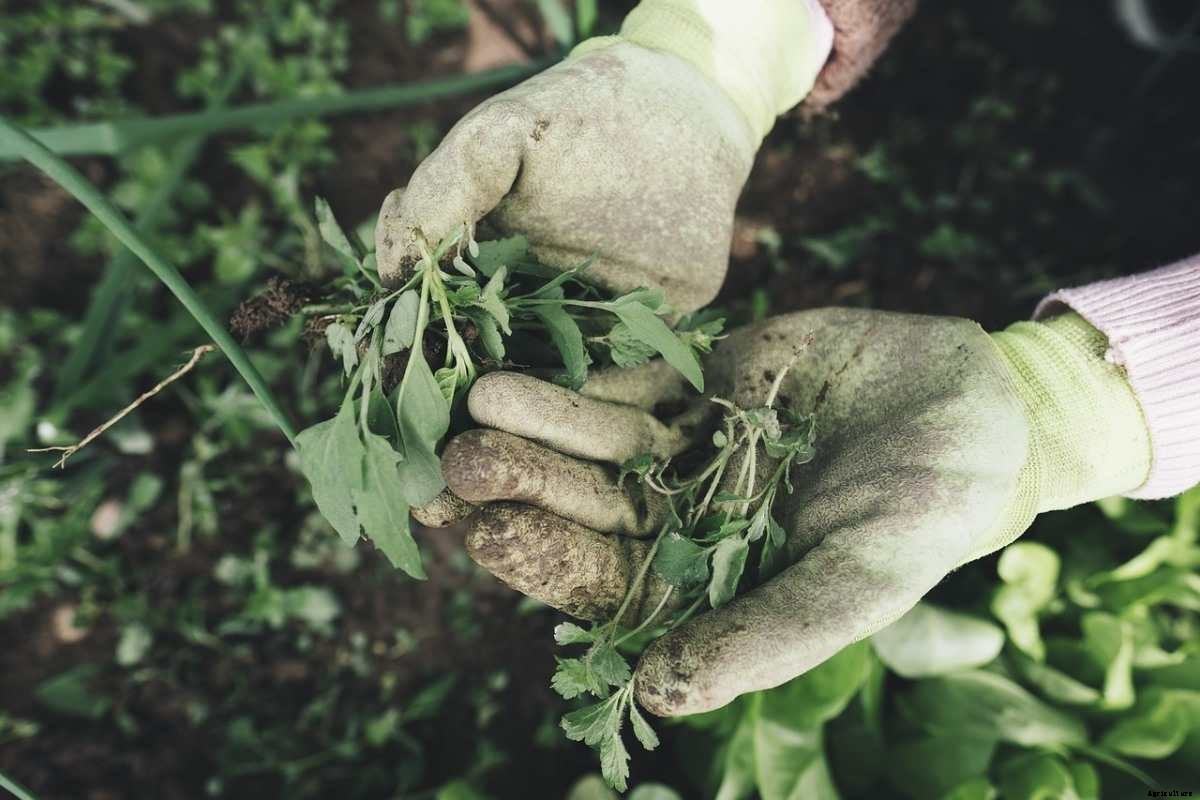
Weeds need to be killed brutally: Gardeners must learn that weeds are their worst enemies early. Ensure that all roots are removed before you weed. It’s not advisable to put seeds on weeds when composting; this will lead to reseeding your weeds.Decide on the size and planting beds once you’ve finished the planning. You will enjoy looking at raised beds, and using raised beds in your garden will be easier for you.In comparison to gardening in single rows, gardening in blocks or beds is more convenient. You ought to reach the center of the beds from either side because they should be 3-4 feet across. To avoid stepping on the planting area, beds should be about 8-10 feet long. Make sure each plant has its own growing space.
plants to thrive: You can arrange your greens in rows within the garden beds or arrange them in a grid pattern. If growing space is to be maximized, walkways must be minimized. The addition of fertilizer and soil amendments to the planting area will also save you time and money.
Provide shrubs with some breathing space: Not plant your shrubs near a fence or wall. Planning is essential as they grow outward (in all directions).
Enjoy yourself: Take the risk of trying something new. It is possible to move something you have planted in the wrong place, such as something not growing well or the wrong height. On the other hand, plants and shrubs can often be uprooted and replanted, even young trees.
1. What plants can be grown quickly at Home in India?
In India, every gardener has grown or tried to grow at least one of these top 5 plants:
2. What is the most expensive plant in India?
Sandalwood trees are the world’s most expensive wood. It is possible to purchase sandalwood as expensive as Rs 10,000 per kg. The government entirely controls sandalwood in terms of both sale and processing. India is a significant producer of sandalwood.
3. What are the options for doing gardening at Home in India?
Choose simple vegetables like tomatoes, radishes, cabbage, carrots, and herbs, as well as salad leaves like lettuce, kale, rocket, and chilies. You can grow time-consuming vegetables such as cabbage and broccoli once you become an expert.
4. What are the effects of gardening at Home in India?
There are many fascinating reasons to the garden as a stress reliever, including exposure to fresh air and sunlight, repetitive, relaxing tasks, and even contact with bacteria in a garden that releases serotonin into the brain.
5. In what month should you start a garden in India?
A new gardener may mistakenly believe gardening begins in April or May. You can plant seeds much earlier than that. It’s a good idea. Your fresh veggies will likely be ready by April or May if you start the right seeds now.
6. What are the best methods for growing vegetables at Home in India?
Chilies should not be left out of any list of homegrown vegetables. Neither too much water nor harsh sunlight affects them. Also, sowing them is very simple. It takes just a few weeks to watch a chilly plant grow from the seed you bought at the market.


