
Welcome to Modern Agriculture!

Introduction to asparagus gardening for beginners, asparagus planting questions and answers: Hello gardeners, do you want to grow your own asparagus, and do you have any doubts about growing asparagus? Well and then you will need to follow this complete article to grow perfect asparagus. In this article, we are going to discuss some important and frequently asked questions about growing asparagus.
Asparagus, sometimes known as garden asparagus or sparrow grass, is a perennial flowering plant species in the genus Asparagus. Its scientific name is Asparagus Officinalis. Its young shoots are eaten as a vegetable. It was originally considered a member of the lily family, along with the allied Allium species that include onions and garlic.
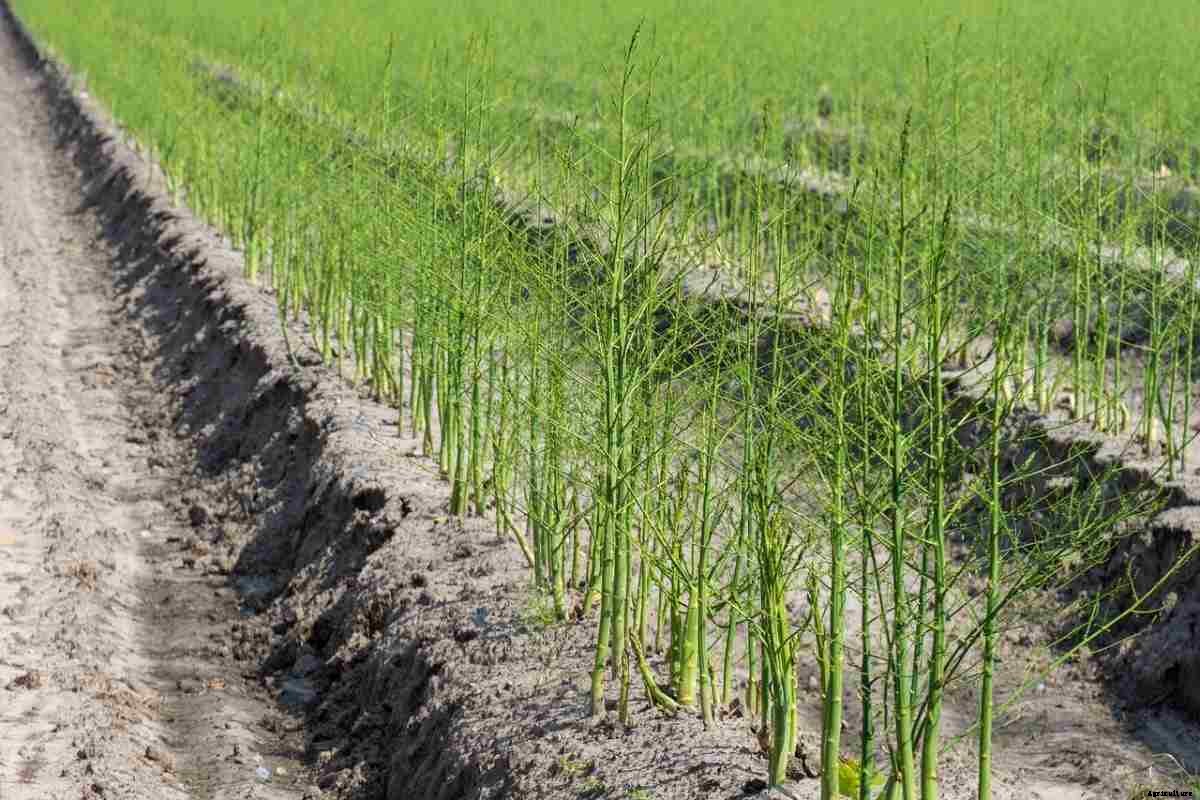
Plant crowns deep in the ground to shield them from annual weed control cultivation.
Excavate a trench 12 to 18 inches broad by 6 to 8 inches deep. If you’re digging multiple trenches, make sure they’re at least 3 feet apart.
Before planting, soak the crowns in lukewarm water for a few minutes.
Place the asparagus crowns on top of the mound, spreading their roots out evenly, and create a 2-inch-high ridge of soil along the trench’s middle.
Arrange asparagus crowns 12 to 18 inches apart in the trench (measured from root tip to root tip).
Once you’ve arrived at this point, you have two options for planting: the classic “little-by-little” method or the easier “all-at-once” method.
After the trenches have been dug and the crowns have been placed,
Compost and topsoil should be used to cover the crowns, which should be buried 2 inches deep. In comes the water.
As the season develops and the spears reach a height of 2 to 3 inches, fill the trench with 2 more inches of soil, being careful not to bury the spears.
Add another 2-inch layer of soil once the spears have grown through the first layer of soil. Rep this procedure until the trench is filled to the ground level. You may need to add soil 1 to 2 more times throughout the season, depending on how deep you dug your trench.
Mound the soil slightly once you’ve filled the trench to keep water from gathering around the sprouting spears.
Some gardeners use the “all-at-once” method, which involves filling the trench with soil and compost all at once. While the traditional method is supposed to produce stronger plants in the long run, gardeners rarely find problems with the “all-at-once” method. The spears will have no trouble pushing through to the top as long as the soil is sufficiently loose.
In case if you miss this: How To Grow Organic Spinach At Home.
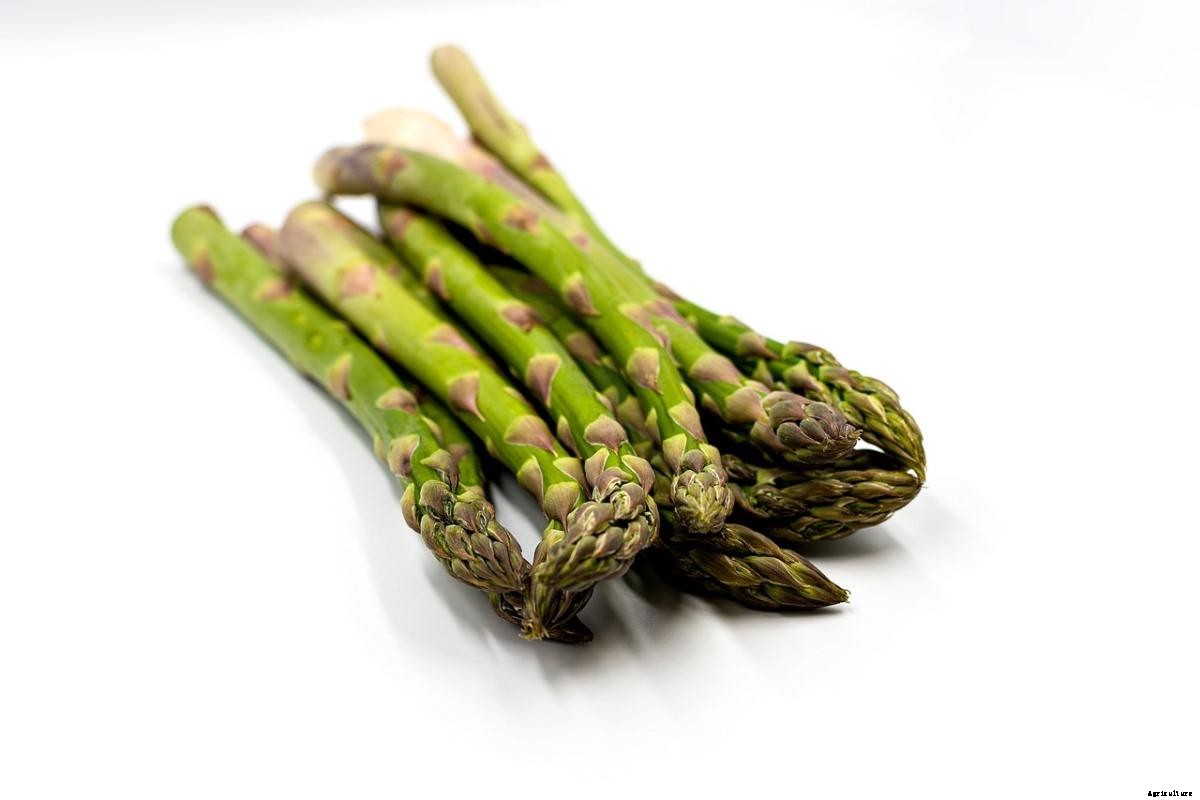
Now, let us discuss some frequently asked questions about asparagus gardening;
Plant asparagus in a sunny place with nutrient-rich, well-drained soil in the spring or fall. Asparagus takes a few seasons to mature, but it will produce a harvest for 15 to 30 years, so choose a planting place that will be left alone for a long period.
Asparagus needs at least 8 hours of sunlight per day to thrive. Because asparagus is a long-lived perennial, avoid planting it in areas where trees or tall bushes may shade it or compete for nutrients and water. Soil – The crown and root system can develop to tremendous proportions, with a diameter of 5 to 6 feet and a depth of 10 to 15 feet.
Dig a hole and plant one Asparagus in it, or put several Asparagus crowns in a large pot. Once planted, water thoroughly to ensure that air pockets do not form around the roots. Little shoots will sprout in the spring. Dressed in blood and bone on the sides and top.
Two main plants should not be grown with asparagus:
Alliums – Sharing the soil with alliums like leeks, garlic, and onion is claimed to hinder asparagus growth.
Potatoes – When asparagus and potatoes share the same space, the asparagus slows the growth of the potatoes.
Asparagus takes roughly 3 years to mature from seed if started from seed. Before harvesting, one-year-old asparagus crowns will need two years of growth, whereas two-year-old crowns will only need one year.
Asparagus plants multiply and become crowded over time when grown in a sunny location with good drainage, proper irrigation, and adequate nutrients. Because asparagus plants can multiply, part of the fun of growing this perennial vegetable is sharing the bounty.
Asparagus grows best on soil with a pH of 6.5 to 7, which is somewhat acidic. By alone, coffee grinds might have a pH of 5 or less. The grounds also provide nitrogen, which is an important nutrient for asparagus.
Water asparagus often, especially when it’s young; give it 1 to 2 inches of water per week for the first two growing seasons, and 1 inch per week for older plants. You’ll have fewer troubles in future years if you give them a strong start when you initially plant them.
How about this: Easy Vegetables To Grow Indoors.
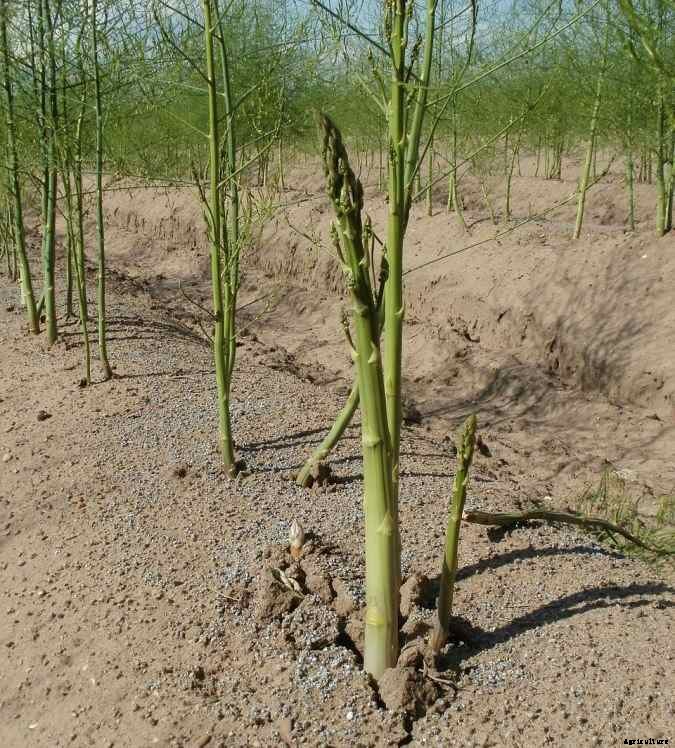
Dig a 12-inch-deep, one-foot-wide trench once the bed is weed-free. Put a shovel of compost and a cup of all-purpose, organic fertilizer in the trench every 18 inches to plant the crowns at 18 inches intervals in the bed.
The plant will most likely not grow if the roots are essentially flat (it is already dead). Occasionally, the crown will send up miniature asparagus with a diameter of less than 1/8 inch. If you want to have a vast bed of asparagus for a low cost, acquire a seed package and start your own.
You should be able to cut 8 to 10 spears from each asparagus crown once they are well established, but the yield will be spread out over six weeks. That’s why you’ll need so many crowns at any given time to acquire a decent picking.
Though growing asparagus in containers saves space, it hurts the plants’ lifespan. After the establishment stage, gardeners can expect only two to four seasons of actual asparagus harvests when growing asparagus in a planter.
There are a variety of reasons why thin asparagus spears arise, but the fundamental cause is always the same: the asparagus crown lacks the rigidity to produce larger shoots. Improper Feeding – Asparagus are heavy feeders who require as much food as possible to grow robust spears the next year.
It’s high in nitrogen. The nitrogen content of chicken manure fertilizer is extremely high, and it also contains a significant amount of potassium and phosphorus. Simply take the soil away from the asparagus spear, clip the spear, and replace the soil.
Early in the spring, before the spears develop, asparagus can be fertilized. A 100-square-foot application of 1 to 1.5 pounds of all-purpose garden fertilizer, such as 10-10-10, should be enough. After the last harvest in June, asparagus can also be fertilized. Apply a nitrogen fertilizer to the soil.
Soil temperatures are usually measured at a depth of two inches, and asparagus roots must be planted 8 to 10 inches deep. Deeper temperatures are usually good if 2-inch temperatures are in the mid-50s. You can never go wrong with planting late.
Plant it once and enjoy fresh asparagus from the same area year after year if you have the garden space and patience. Asparagus spears purchased at the supermarket are shoots that emerge from underground crowns.
After the foliage has been killed by cold temperatures in the fall, it can be trimmed back to the ground. It is generally advised, however, that the dead leaves be let to stand over the winter. The snow will be caught and held by the dead detritus.
Humidity – Asparagus plants can turn yellow and droop or wilt if there isn’t enough humidity in the air. If the condition is not addressed, the plant will eventually die. Maintaining a healthy crop requires keeping the soil moist but not soggy.
The salt degrades the soil structure, forms a crust on the soil surface, and makes water penetration difficult. Ultimately it will kill the asparagus along with the weeds. Magnesium-rich Epsom salt is used liberally by some gardeners when growing roses, peppers, and tomatoes.
Overwatering new crowns can cause rot, especially if we have a lot of rain. Do not harvest the first season after planting. These plants need to grow up their roots so they are ready to produce the next year. You can harvest for about three months in the third spring.
Asparagus also requires a lot of room, roughly 4 to 5 feet per plant. They won’t spread much in the first few years, but once established, they’ll quickly fill in. Heirloom cultivars require additional room since they contain both male and female plants, which means they will generate seeds and self-sow.
When the spears of the asparagus plant unfold, they will grow into tall, ferny plants. This ferny growth absorbs solar energy and stores it in its roots. After the harvest, strong growth ensures healthy spears the next season. Female plants produce crimson seeds in addition to their ferny development.
Browning and scarring are caused by the common asparagus beetle and the spotted asparagus bug, which eat on asparagus spears. Begin searching for these pests in early May, or shortly after the asparagus plants appear, and continue throughout the growing season.
Neem oil can be used to treat infestations in plants, particularly in years when harvesting is not recommended. Apply neem to new spears every week and coat them completely. Keeping spotted asparagus beetles at bay might be as simple as collecting berries at the end of the season.
Asparagus larvae eat the tops of asparagus shoots, causing damage to immature plants. Allowing fern growth along the asparagus patch’s margins will lure bugs away from the high-producing plants in the center. Insecticides should only be used if beetles have taken over the crop.
To get rid of significant infestations of asparagus beetles, gardeners can use insecticides like pyrethrins, malathion, and permethrin. These pesticides should not harm your garden in the long run. Carbaryl-containing herbicides are toxic to bees and other pollinators, therefore avoid using them.
The most commercially important disease of asparagus is crown and root rot, which is caused by two Fusarium species (Fusarium oxysporum f. sp. asparagi and Fusarium proliferatum).


