
Welcome to Modern Agriculture!

Introduction to on how to start raspberry gardening for beginners, raspberry planting questions and answers (FAQs): Hello gardeners, we are here with another article today and the article is all about raspberry gardening for beginners. Do you want to grow your own raspberry plant and do you have any doubts about planting and growing raspberry? Well and then you will need to follow this complete article to have a perfect grip on planting a raspberry plant. In this article, we are going to discuss some frequently asked questions about raspberry planting.
The edible fruit of many plant species in the genus Rubus of the rose family, the majority of which are in the subgenus Idaeobatus, is the raspberry. Raspberries have woody stalks and are perennial.
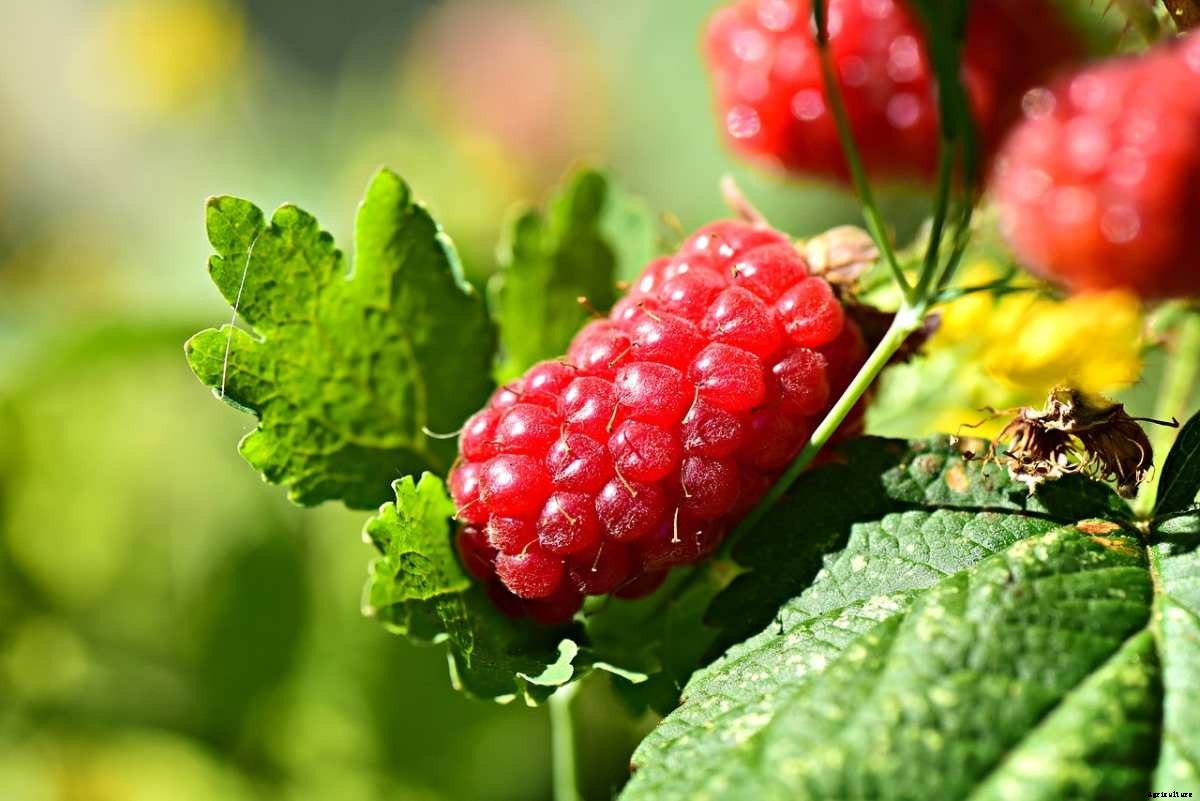
There are two sorts of raspberries, each with its unique set of plantation requirements:
Summer-fruiting raspberries are more prevalent, producing fruit on the previous year’s growth. They only produce one harvest per season, in the summer (often June or July).
On new canes, ever-bearing raspberries (also known as fall-bearing or autumn-bearing raspberries) produce fruit. They yield an autumn plant as well as fruit next summer.
A combination of both sorts of berries would be great for extending the harvest season.
Because all raspberries are self-fertile, only one bush is required to produce fruit. Bees are the best pollinators, and they begin producing fruit a year after planting.
Begin with raspberry canes that are one year old and purchased from a reliable nursery. And then plant in the early spring when the earth has thawed and is ready to work.
You might even sow in late autumn in milder climates to give the seedlings a head start.
After the fear of frost has passed, plant potted transplants in the spring.
Raspberries thrive in broad light, but unlike many other fruits, they may also thrive in a somewhat shaded location. The more sun there is, the more fruit there is.
Rich, well-drained soil, good air circulation, and wind protection are all requirements for the planting site. Raspberries do not like to stand in water or completely dry out, so avoid a wet or windy location.
Every year, add a couple of inches of compost or old manure to your raspberry plants and dig it in a few weeks before planting.
You need to plant far away from wild berry bushes to avoid transmitting pests and illnesses to your farmed berry plants.
Now, let us discuss some frequently asked questions about raspberry planting;
The best time to plant raspberries is in the early spring. Select a planting location that receives plenty of sunlight. In part shade, the plants will flourish but will not produce as much fruit. Raspberries prefer soil that is rich and well-drained.
In case if you miss this: Mango Seed Germination.
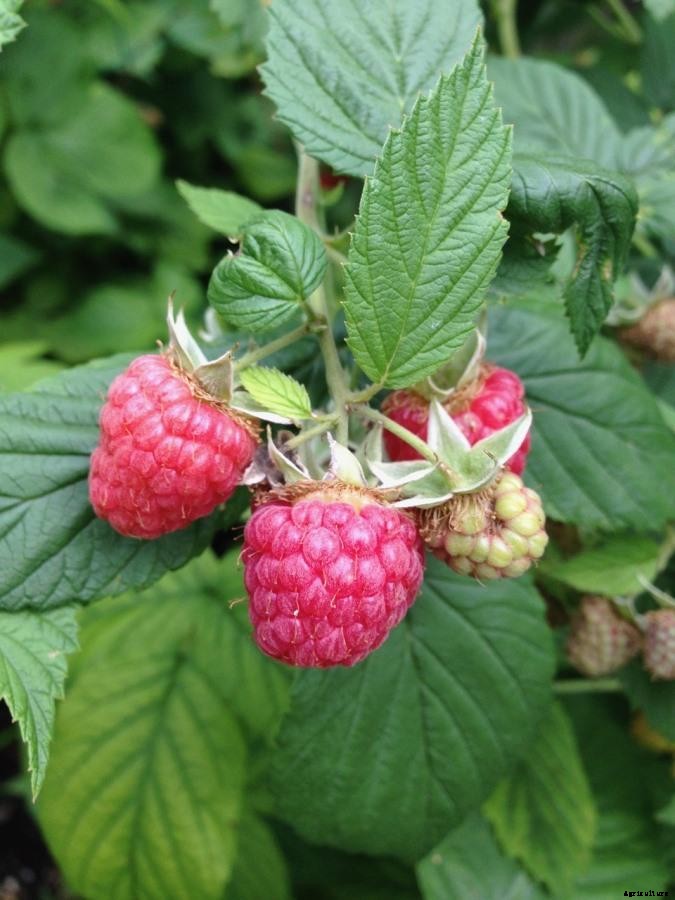
Each cane of summer-bearing raspberries takes two years to bear fruit. Individual canes grow vegetative for the first year, and then produce fruit for the second year before dying.
In damp soil, space them 18 to 24 inches apart. After planting, make sure to water thoroughly. Mulch with woodchips or straw to keep moisture in and weeds out.
Raspberry bushes should not be planted in an area that has grown potatoes, tomatoes, eggplant, or strawberries in the previous five years. Blights and other fungal diseases, such as verticillium wilt, can spread from these plants to raspberries, so they should not be planted near these growing plants.
By the time the raspberries need the nitrogen in the spring, the coffee will have begun to decompose and supply the nutrients exactly where they’re required, exactly when they’re needed. However, they still have significant nitrogen content.
The root structure of red raspberries is perennial, whereas the canes are biannual. Every year, fresh suckers, or shoots, are sent up. Suckers finish their physical growth in the first year, go dormant throughout the winter, and then bear fruit and perish the following year.
Because raspberry plants sucker, if they aren’t pruned, they become overcrowded, produce little fruits, and outgrow their allotted space. In addition, each year the fruited stems would become weaker and eventually perish.
How About This: How To Grow Dwarf Fruit Trees In Backyard.
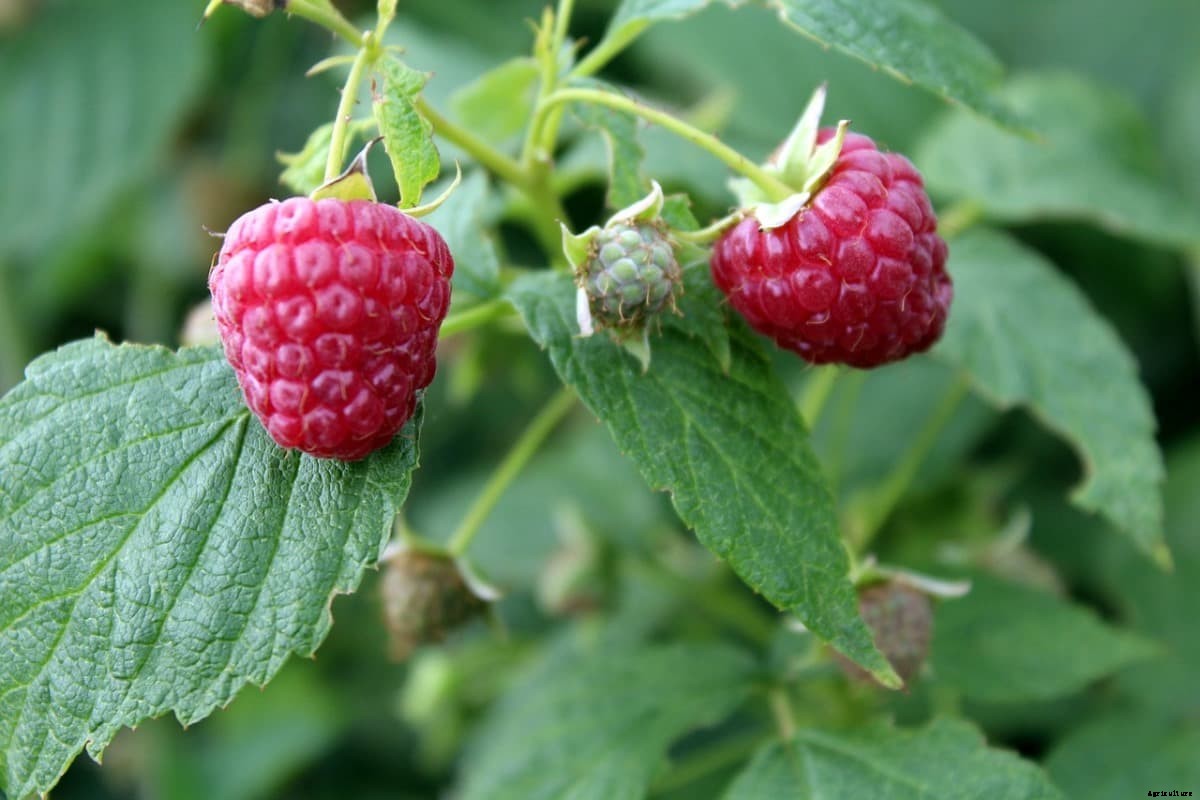
Raspberry bushes thrive in full light (at least 6 hours each day) and well-drained soil.
When it comes to establishing new plants, water is crucial. During the day, water your raspberry plants. During the growing season, give them roughly 1 to 2inches each week, and up to 4 inches per week during harvest. Because the plants have shallow roots, moisture must be applied near the surface.
Fertilize your raspberry rows with fully rotted or composted chicken dung. When planting raspberry canes, work composted manure into the deep soil. Use no more than 7.5 pounds of composted manure per 10 feet of raspberry plants after the first growing season.
Feed with a high potassium general fertilizer, such as Vitax Q4, in the early spring. Then, to keep weeds at bay, use a layer of garden compost or well-rotted farmyard manure as a mulch. During dry periods, keep raspberries well-watered.
Raspberries come in two varieties: The ever-bearing type bears fruit twice a year, in the summer and the fall, and produces berries every year from the first year. Summer-bearing varieties only give fruit once, in the early summer. Fruit does not appear on a fresh summer-bearing plant until the second year.
Prune your ever-bearing raspberries in late winter (early to mid-March) while the ground is frozen and before new growth begins to produce one substantial yield each year. Remove all above-ground growth using a hand, rotary mower, or other mechanical equipment, leaving a 1- to 2-inch stub for each cane.
We recommend a support height of 6 feet to allow your raspberry canes to grow in a 10-foot-long diagonal.
A raspberry plant may also succumb to old age, as most live about 20 years or less. Inadequate irrigation, lack of sunlight, bad soil conditions, illnesses, or pests can all kill your raspberry canes.
Prune raspberries regularly to keep them in a 12- to 15-inch-wide row and prevent suckers from growing. Remove weak, damaged, or diseased canes from summer-bearing red raspberries with lopping shears and hand shears while the plants are dormant, then prune again after you’ve collected all the fruit.
Black and purple raspberries, as well as some blackberry cultivars, are propagated by burying the cane tip in 2 to 4 inches or 5 to 10cm of soil. After that, the tip develops its own root system. The new raspberry propagation is then detached from the parent the following spring, leaving 6 inches between them (15cm.)
Raspberries thrive in a protected location that receives afternoon shade. When the flowers bloom in the spring, make a 4.5L bath with 2 teaspoons Epsom salts and 2 teaspoons potassium sulphate. This will provide magnesium and potassium to the plants, giving them a boost.
The root system can reach a depth of 1 meter or 3 feet, but the majority of the roots are between 15 and 40cm deep (6 and 16 inches). Raspberries usually prefer damp soil, but not soggy soil; groundwater must be no closer than 0.90 to 1m from the surface (3 feet).
A symptom is stunted, slow growth accompanied by yellowing leaves. This symptom is frequently accompanied by the loss of leaves. You are overwatering your plants if they have yellowing leaves and old leaves, as well as new leaves that are falling at the same fast rate.
During the first year of the plant’s life, when water is most scarce, there should be no berry production. Before the canes hibernate for the winter, the watering can is stopped in the fall when cooler temperatures and fall rains take over.
Mosaic Virus or herbicide damage can induce leaf yellowing and/or bleaching. It could also be a sign of spider mite infestation. Herbicide harm – Herbicides can also induce raspberry leaf yellowing.
Planting raspberry canes is best done on mild days in late autumn or early winter. Give the roots a good soak in water before planting. Canes should be spaced 45cm apart, with 1.8m between rows. Simply cover the roots with a 5cm layer of dirt.
Because raspberry plants sucker, if they aren’t pruned, they become overcrowded, produce little fruits, and outgrow their allotted space. In addition, each year the fruited stems would become weaker and eventually perish.
Dehydration – Your raspberry leaves may turn brown and wilt due to a lack of water. It’s possible when you’re not hydrating regularly enough or using enough water if your plant regains its healthy appearance after watering.
The raspberry sawfly and fruit worm are two frequent pests that damage red raspberry plants’ leaves. These frequent raspberry pests can severely damage your plant’s leaves, resulting in a weaker plant with fewer fruits.
Raspberries are being eaten by little black beetles. Picnic beetles or picnic bugs are other names for them. In the garden, sap bugs feast on overripe or damaged fruits and vegetables.
Before the resumption of growth in the spring, a lime sulphur application can help to reduce disease occurrence. If the planting has a history of spur blight, a prophylactic fungicide application may be necessary following pruning.
Raspberries are ideal for growing in a greenhouse during the off-season. They grow nicely in chilly conditions and don’t require any additional lighting. Greenhouse raspberry plants must be started outside and allowed to cool before being transported into the greenhouse.
Newer planters, such as ‘Heritage’ or ‘Raspberry Shortcake,’ a dwarf, thorn less form, are ideally suited to growing in large pots.
Planting advice: you need to plant raspberries in a container with a width and depth of at least 24 to 36 inches.
If your raspberries aren’t blooming, use a home testing kit to check the soil around the plant. A pH of 5.6 to 6.2 is ideal for raspberries. Furthermore, raspberries do not thrive in clay or poorly draining soil. Both soil quality and pH levels can be improved by amending the soil.


