
Welcome to Modern Agriculture!

Introduction to raised bed vegetable gardening
The foremost and most important expert tip you get from an experienced gardener is building up the soil is a key important factor increasing the yields. Deep soil, enriched with organic matter encourages the growth of healthy plants as the extensive roots are able to reach out for more nutrients and water. As a result, you get extra-lush, extra-productive growth above the ground. The greatest way to achieve that deep layer of fertile soil is to build raised beds.
It is believed raised beds yield up to four times more than the equal amount of space planted in rows. That is not only due to their loose, fertile soil but also because of well-organized spacing. By making use of less space for paths, you have more room to grow plants. They offer you better control over the soil conditions and permit for quick and easy harvesting of your crops with various raised garden bed ideas and techniques
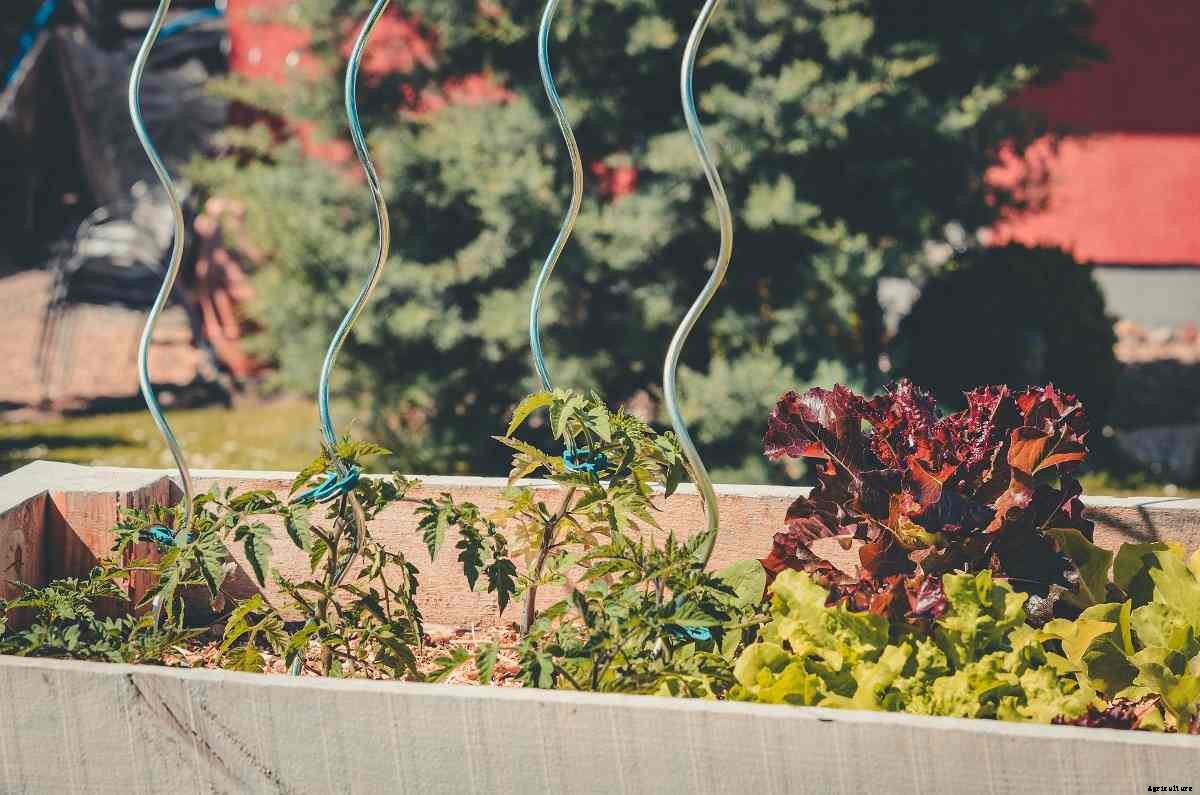
The easiest type of raised beds is flat-topped mounds, which are generally six to eight inches in height. They need no materials other than additional soil this is a traditional method often preferred for horticultural crops.
Additional soil is required to form the beds or dig up three to four inches of soil from pathways between beds. If you bring in additional soil, be sure it is free of soil-borne plant pathogens or contaminants such as pesticides.
Decide the appropriate size of the raised ground bed the maximum width should be 2½ feet depending on how far you can reach. If you have access from both sides, the bed can be made up to five feet wide. Though length and shape are completely up to you. To prepare the bed itself, add four to six inches of finished compost, peat moss or well-rotted manure to the area for making the bed. Tillage is not being a usual practice in the raised bed. Shape the tilled soil into a flat mound about eight inches high, with sides tapered up at a 45-degree angle. Let the soil rest and settle for a week or two ahead of planting.
A raised bed with 10″ to 12″ walls provides more protection to plants they maximize physical accessibility and reduce maintenance these are the preferred setup for raised bed vegetable gardening for beginners. Choose the width to match your arm’s reach. Gardener’s Supply offers a wide variety of raised beds, made up of aluminum corner kits that you can fix on your own, complete raised bed kits in cedar, composite wood, recycled plastic and galvanized steel. You can also consider elevated raised beds, for no-bend gardening.
Raised beds vary in height depending on the requirements of growers, starting at about 6 inches is favorable to perform plantation and related operations. In general, the more soil depth that’s offered to your plants, the more freely their roots will grow. More soil also retains more moisture; hence a deeper raised bed will require less frequent watering. It is promising to install a raised bed on poor or compacted soil, or even on concrete. If this is the situation you have, buy the deepest bed you can manage. Decide the building material for your raised bed untreated rot-resistant wood is the most accepted choice. Like with any other container garden, the soil will settle down and deplete as time passes by. You can lessen this by adding about a 1- to 2-inch layer of compost or composted manure each spring prior to planting.
These raised beds, shown at the height of the growing season, are made from stacked stone. Some gardeners prefer stone to wood for their beds because it requires less maintenance. Moreover, it gives a different look. The only drawback with raised garden bed materials is that the upfront investment is normally more with stone.
The best way to monitor soil moisture and when it is time to water is to feel the soil with your hands. When you stick a finger down into the soil, it should feel slightly damp but not soggy or very sticky. Vegetables don’t prefer their soil to be too dry or too wet, so find the right balance. It is more successful to water in the morning so that the soil has all day to dry out and get the perfect moisture.
In case if you miss this: Indoor Hydroponic Gardening.
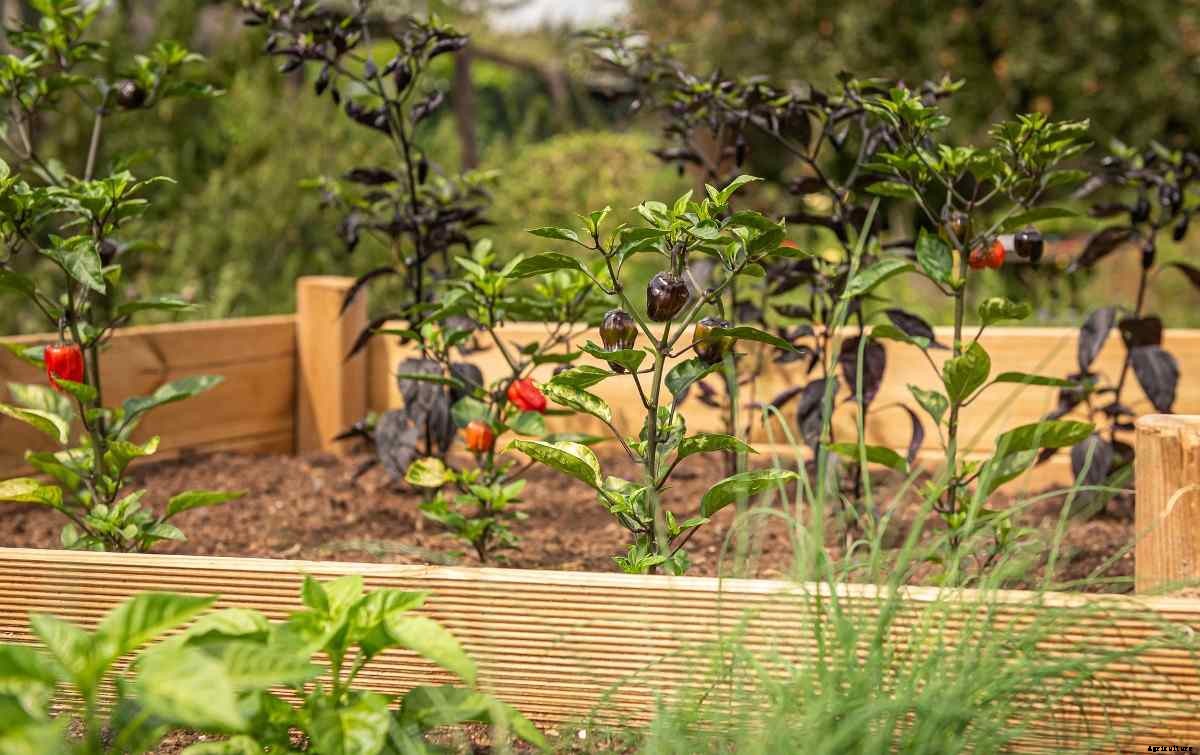
The following proportion of soil can be followed when constructing a raised bed
If you do not have quality topsoil available, a suitable alternative can be a 50-50 mixture of soilless growing medium (often known as “potting soil“) and compost this is the answer to how to fill a raised garden bed cheap
. If you want to add peat moss to the bed, it must not be more than 20 percent of the total mix. Peat moss is in nature acidic and is not a good medium for growing vegetables. You can also add vermicompost to the soil for increasing the organic matter.
Possibly anything can be planted in a raised bed but it is better to have raised garden bed plans in advance. Inter-planting compatible crops save a lot of space and you include all best vegetables to grow in raised beds within the scheme.
Consider the following Planting schemes for raised beds can be, corn, beans, and squash. Sturdy strong cornstalks support the pole beans, while squash will grow freely on the ground below, shading out competing weeds and prevent them from growing. Another compatible combination comprises of tomatoes, basil, and onions; leaf lettuce and peas or brassicas; carrots, onions, and radishes; and beets and celery. Rows of onions, a row with tomato plants and a row with pepper plants, and cucumber, a row with one winter squash (dwarf to go over the edge) and summer squash (plants or seeds) and a double row of carrots. Lettuce, spinach, herbs, and other greens are ideal crops for planting on the edges of a rounded raised bed or depending upon raised bed garden layout.
Make use of transplants. A transplant is already a month or so old when you plant it, and hence it will take less time to grow up and start fruiting
Choose early-maturing varieties
Replenish the soil by layering ¼-to-½-inch layer of compost (about 2 cubic feet per 100 square feet) every time when you replant. Mix it into the top few inches of soil this is a common raised bed soil mix recipe.
If you’re planning a raised bed garden for the first time or adding them to your existing beds, we are to help you keep away from many of the mistakes by following raised garden bed tips
You should not miss this: Growing Cilantro Indoors.
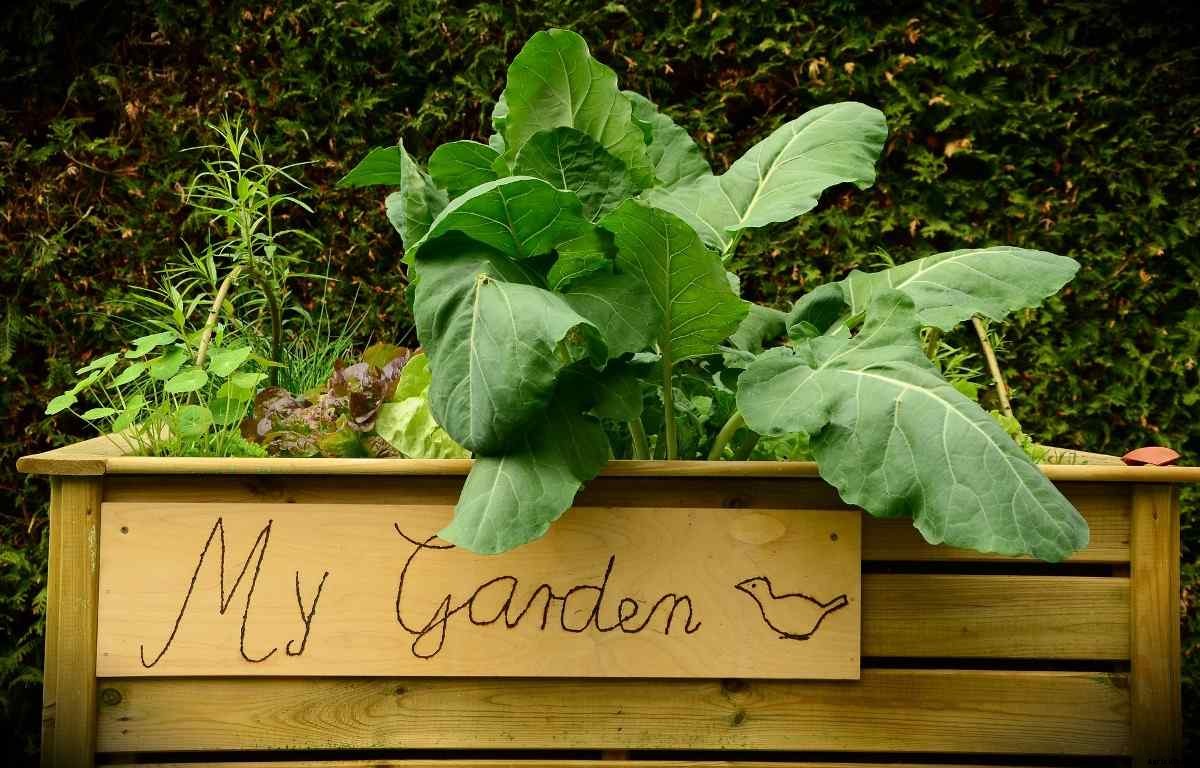
Raised bed vegetables.Raised bed gardens are one of the most productive and traditional ways to produce your own food. Raised beds can be simple or quite complicated depending on your requirements and the general aesthetic look you wish to create.
In case if you are interested in this: How to Make Money from Vegetable Farming.


