
Welcome to Modern Agriculture!

Small Space Vegetable Gardening
Hello gardeners, we are back with a new topic or article. Do you want to have a small space vegetable gardening? Well, in this article, we are going to discuss the above-mentioned topic. This article may help you to build your small space vegetable gardening.
Introduction to Small Space Vegetable Gardening
You don’t need a lot of space to grow fresh and organic vegetables. You don’t even need a huge garden. You just need to have a pot, some dirt, water, and sun; then you can grow some tasty things easily. If you have a small sunny spot in your place or even on your patio, you can grow vegetables very easily.
Today we go through these topics apart from other basic growing requirements:
Even the small vegetable gardens can even yield big returns. If you have limited space but still you want to enjoy fresh and organic vegetables, then you can also use a variety of techniques to ensure a plentiful harvest all season long.
This final consideration is extremely essential. Vegetable plants need soil rich in organic matter. The soil is extremely important to the expansion of all plants but even more so with vegetables because even taste is suffering from the standard of the soil. That’s a part of why wine from an equivalent grape variety can vary from region to region and why some areas grow hotter peppers than others. If you’ll provide these three basics: sun, water, and great soil, you’ll grow a kitchen garden.
Vegetable plants need at least good six or more hours of sun each day. Without the sunlight, the fruits will also not ripen, and the plants may be stressed. There are very few vegetables that can survive in very light shade, for examples such as lettuce and other greens, broccoli, and Cole crops. If, you are sun challenged.
Vegetables also require regular watering. Otherwise, they’re going to not fill out and a few, like tomatoes, will crack open if suddenly plumped up with water after struggling without it for a short time. You cannot always believe rain. If you’ve got the means, a drip irrigation system may be a definite plus for a kitchen garden. The new component systems are quite easy to put in and price tons but most of the people think. And you will economize on water because it goes on to the plant’s roots. Less is lost to evaporation. Even an easy soaker hose is best than a system that gets the leaves all wet, leaving plants susceptible to blights and mildews. If you do not want to choose drip irrigation, site your kitchen garden near a water spigot. You will be more likely to water if you do not need to drag the hose or watering pot very far.
Granted, a little kitchen garden might not be enough for farming, but it’ll be enough to grow great-tasting tomatoes, some beautiful heirloom eggplants, or a huge supply of cutting greens. If you have got limited space to have a garden, then you can consider what vegetables you’ll purchase fresh in your area already and what vegetables you truly love and/or miss.
If you want to have an enormous tomato or a row of sweet corn, the space for growing other vegetables in your small kitchen garden is going to be limited. But even then, you’ll choose varieties that are bred to grow in small spaces. Anything with the words patio, pixie, tiny, baby, or dwarf within the name may be a good bet. Simply because a plant is bred to be small doesn’t suggest the fruits are going to be small or the yield is going to be less. Most seeds and seedlings will tell you the mature size of the plants you’re selecting, knowing that you simply can space things out and see just what proportion you’ll fit into your location. More likely, however, you’ll do what most gardeners do and squeeze in as many seedlings as you’ll fit into your garden, then affect the crowding later. That’s a method to urge an outsized yield from a little space but not the simplest. If you’re truly in need of space, interplant your vegetables together with your flowers. No rule says you cannot mix them. It is often a touch harder to reap, but many vegetables are often ornamental in their title. As a bonus, flowers also bring many pollinators to your veggies.
If you are doing choose a spread of vegetables in your garden, search for compact varieties and also vining crops that will be trained abreast of supports. Pole beans take up very little space than bush beans. Vining cucumbers and squash, they are as aggressive as they will be, actually they take up less area than their bush cousins.
Companion planting is usually touted for the advantage of lowering pest infestations, but it also serves to conserve space. Shade-tolerant plants enjoy being planted next to taller crops. Basil likes a respite from the recent sun and does well next to tomatoes. Lettuce plants will keep producing all summer if shaded by almost any taller plant. Early harvested vegetables, like spinach, radishes, and peas, are often planted with slower-growing crops like broccoli or peppers, which cannot take over space until the spring-harvested vegetables are gone.
Succession planting may be a useful technique for any kitchen garden, large or small, but it’s all the more valuable when space is restricted. Succession planting means reseeding quick-growing crops every two to 3 weeks during the season. It’s especially useful with crops like beans, zucchini, and lettuce that tend to exhaust themselves producing such a lot. By successively planting, you’ll have only enough produced for your family’s appetite, and you will have it all summer, not all directly.
In case if you miss this: Gardening Tips For Beginners In India.
You can choose or pick vegetables that you like. To get the most pleasure out of your small garden, the plant cans your favorite vegetables. Many vegetables like tomatoes and eggplants come in dwarf sizes. Some plants can also be grown vertically such as beans and squashes. Some examples are:
You need to give cucumber plants a place to climb so that they will not take up a lot of space, and you can end up with more cukes than you can pick, pickle, and give away. If you want to grow cucumbers in containers, you need to opt or choose for compact or bush varieties. These cucumber vines will only spread a few feet.
You need to train pole beans up a pole or trellis, and your bean plants will give you a huge and long harvest in the teeny tiniest of spaces.
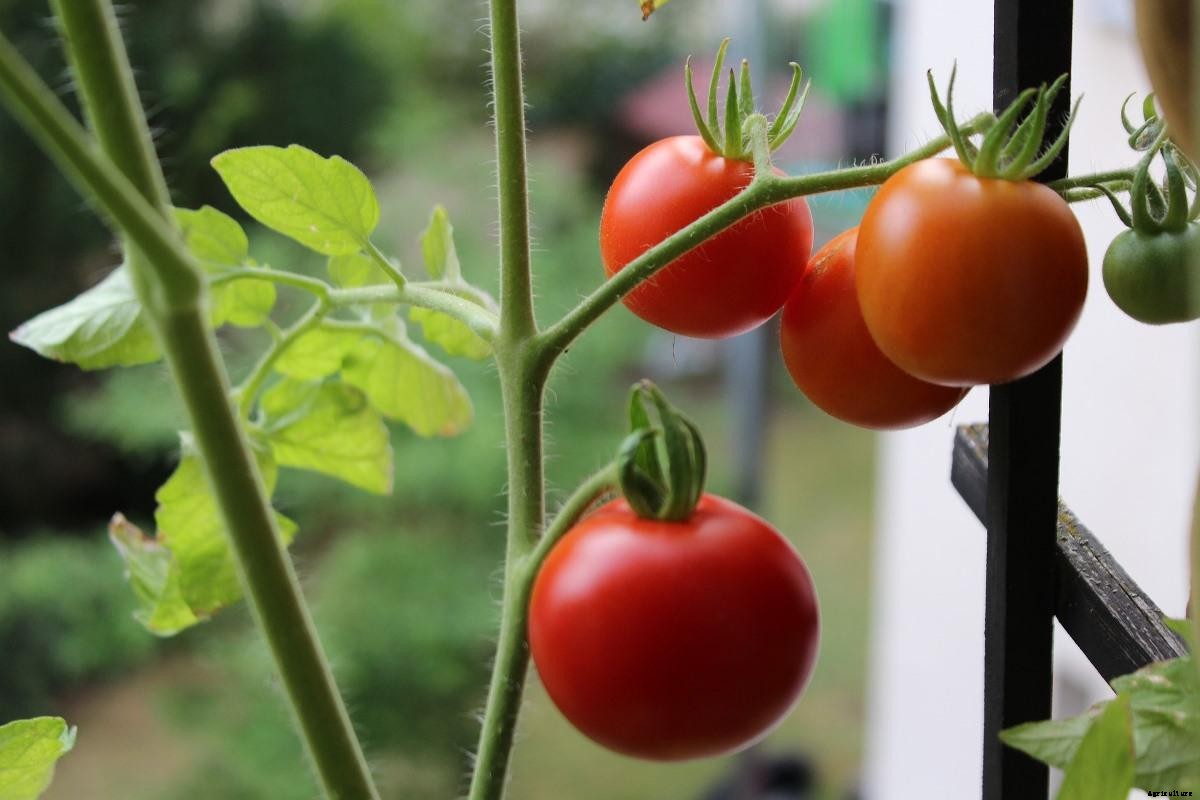
You need to plant cherry or grape tomatoes and you will get gobs of tomatoes in compact clusters. These tomatoes do very well in the ground or containers on a patio or deck. So you need to use any sunny spot that you have available.
Bell peppers grow up very well, rather than out, so they are the perfect candidate for a pint-sized garden plot. Smaller pepper varieties also do very well. You need to tuck them into your landscaping where they will look ornamental or grow them in pots on your patio.
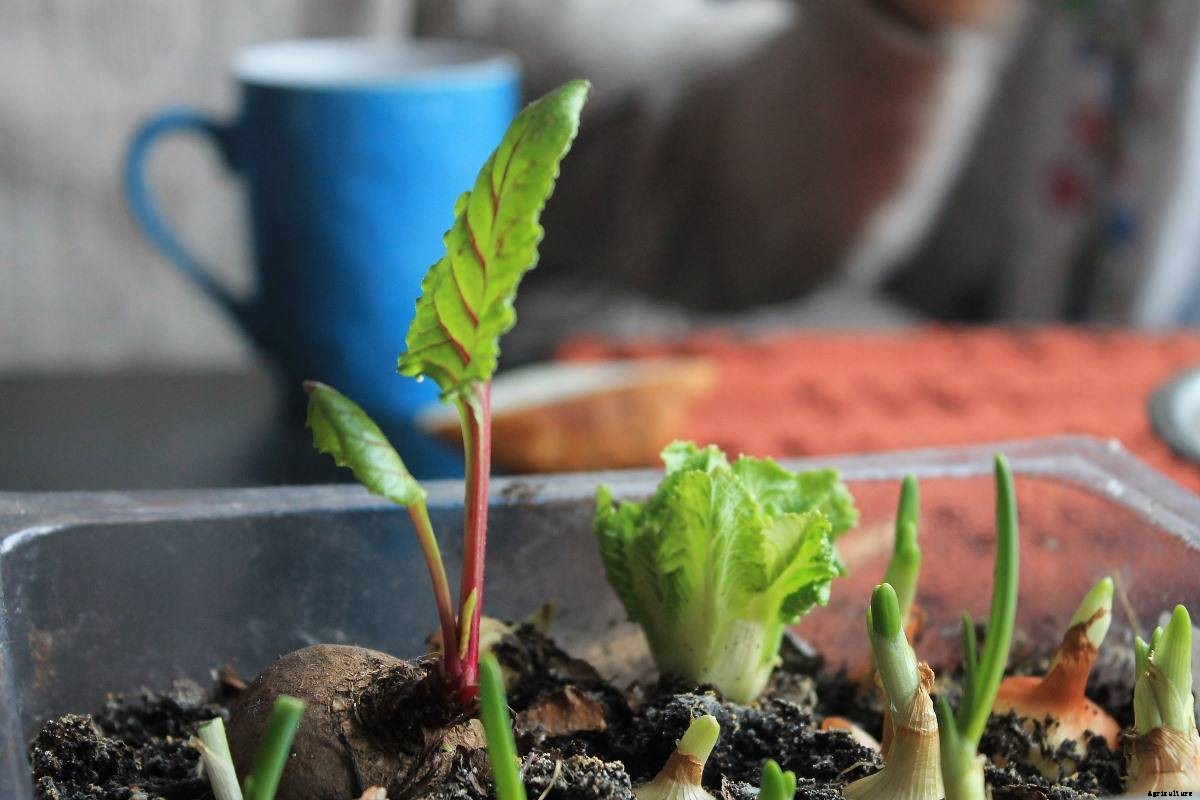
You need to plant a small plot of beets, and you can also eat the beet greens early in the season and then the actual beets later in the season. Now that is very productive garden space.
It just takes about 45 days for radishes to reach their harvest size, so that’s another spot in your garden that you can replant, either with radishes or with any other plant.
You can harvest lettuce leaves whenever you need them, and more will grow right back in their place as long as you don’t damage the crown. Leaf lettuce varieties you can grow are oak leaf, red sails, and mesclun.
You should not plant crops that take a very long time to grow. You need to get the maximum amount of harvest from your small garden. You should not plant crops that take months to grow. You need early harvesting vegetables followed by mid and later season crops. So, you need to avoid vegetables such as:
You need to avoid crops that take up a lot of space. You won’t have the space to grow vegetables that spread or need a lot of space to survive. So, avoid planting these vegetables:
Other leafy vegetables and edible herbs that may be planned for small spaces are Methi leaves (Fenugreek), Mint, Coriander (cilantro), Spinach, Amaranthus, Malabar Spinach, and Sorrel Leaves,
You need to select an area with access to water. You need to choose a location that has water easily accessible to grow. You need to make sure that you have a spigot and hose that reaches the garden area.
You need to choose a spot with plenty of sunlight. Vegetables need sunlight, and you want your garden to get lots of sunlight. Ideally, your vegetable plants should get approximately six to eight hours of sunlight per day.
You need to choose a square foot garden. To separate vegetable plantings, a square foot garden uses blocked off sections. These types of gardens typically measure in 4×4 ft. or 1.2×1.2 m.
You need to build a square foot garden by using untreated lumber. You need to cut four boards into 4.25 ft. or 130 cm in lengths.
You need to nail or stake all four ends together to create a square foot garden. This will be the outline of your vegetable garden.
You need to use strips of wood or string to divide your square foot garden into 16 equal sections. Each section of the square foot will serve as a separate planting area.
To use string, you need to just drive small nails into the rim of the bed at one-foot intervals. Then, you need to tie a string on each nail so that it runs across the bed. This can make a grid you can use for square foot gardening.
You need to group the same type of plant seedlings into one square foot block. For square foot gardening, it is ok to plant more densely than normally. You can grow one tomato or eggplant per square foot, or 3 to 4 leafy plants per square foot. Each square foot within your square foot garden will yield its vegetable planting very well.


