
Welcome to Modern Agriculture!

Most people may not look at gardening as a creative enterprise, but it can be in many ways. In fact, there is an entire world of gardening tips if you apply a little creative thought. For one thing, you know that necessity tends to be the mother of invention.
Many of the old-timers in gardening could tell you a few stories about home-grown solutions they came up with. That is just another aspect of gardening that makes it all the more pleasurable.
Indeed, if you join some of the larger gardening forums on the internet, you can spend hours reading all the creative ways people solve problems in the garden.
Here is a straightforward gardening tip that can make for a fun and relaxing afternoon. We know because we have done this on more than one occasion. Sometimes when you are driving, you will notice someone’s garden that looks very nice. If possible, go check it out and see what is growing and how it is all laid out.
Of course, you will see some that are pretty standard even though the flowers are beautiful. But once in a while, you will come across something you have not seen before. The garden may have different strains and hybrids previously unknown, and you never know what you will discover.
You have to coordinate the layout of your plants with the sun’s daily track in the sky. You have to know where the sun will be hitting your flowers. That may become an issue if you have a mix of short and tall flowering plants.
So you want to make sure the mature plants that are shorter will have enough sun. You will surely be disappointed to discover the tall plants are providing shade where you do not want it. Another important layout decision involves leaving enough room for your plants to grow to full maturation.
If you do not have a lot of extra space on your property and have always wanted a vegetable garden, all is not lost. There is a relatively simple solution to this dilemma, and it is called the wide-row vegetable garden.
You do not need to have a long row, just one shorter and wider than a single row. If you want to grow carrots or beets, for instance, then you can make a wide row that is elevated about a foot or so.
You will still do your normal ground preparation but add some topsoil to attain the height. You will discover full and good size root vegetables in this manner.
The gardening tips above are not new or earth-shattering, but they are convenient and have served others well. Many of them would love to grow both flowers and vegetables. But perhaps they feel there is not enough space for the vegetables. That is why the wide-row vegetable strategy is such a great idea.
Read also: My Organic Gardening Story
How to Manage your garden with Wet Summers
After 13 years of drought, Australia is experiencing torrential downpours and floods in many parts of the country. For years we have all been asking how to help our plants survive drought, now we are asking how do we save them from drowning.
Wet soils are many plants’ enemies, especially citrus. Clay soils are usually the problem because they have small pore space (gaps between the soil particles), and they fill up quickly with water, pushing out the oxygen. Plant roots need oxygen just like us to survive.
To improve drainage, I suggest the following:
Immediate Effect
Put down some agricultural pipe and drain the excess water to another part of the garden. If you have a pond or dam, drain it there. It is a good idea to put a layer of small stones down, then the agricultural pipe.
Long Term Effect
Tips to protect your plants on extremely hot days in summer
To tell if buds are still alive – green buds yes, brown dried out looking no.
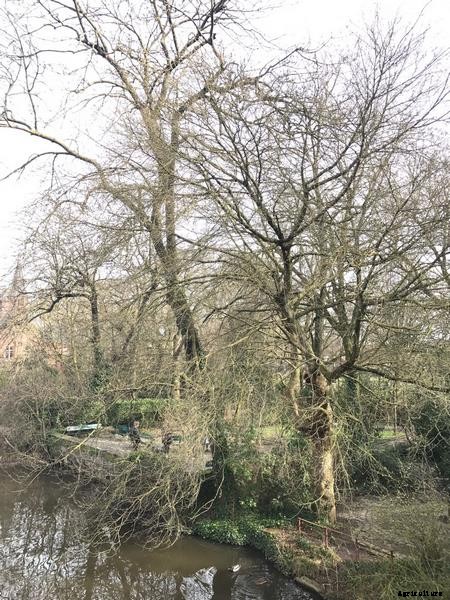
Run your thumb along the stem and take off some of the bark. Green is alive. Brown means the stem is dead. Do this all over the plant to find if any part is still alive.
For those climbers on fences, wind the lateral (side) stems horizontally through the lattice holes or along with the wire support. This will create lovely thick low coverage of foliage.
Wisteria needs a winter prune and a summer prune. In summer, prune off the long tendrils. To encourage next springs flowers (which occur on second-year growth), identify the join where the last year’s growth finishes and this year’s growth start.
Last year’s growth is grey in color, and this year is green. On the green section, count up three buds and prune off the rest. This will become spurs for the next springs flowering.
Think about what part of the vegetables you want to eat. e.g., flowers, leaves, roots, etc.
1. Tomatoes – do not enrich the soil too much as they will only produce leaves. Add a good handful of potash when planting and water in well.
2. Sweet corn – needs to be planted into 2 rows so that the wind can cross-fertilize it.
3. Pumpkins/zucchinis – need a lot of room to grow. The male flowers appear. First, female occurs at the end of the tendrils. You may need to pollinate the female flowers yourself. Get a toothbrush. Pick the male flower and pull back the petals.
Brush the toothbrush gently over the male stamen and then gently over the female. If the little fruits fall off, it could be because you did not fertilize them, or there has been an inconsistency with watering – too much/not enough. Only let one or two pumpkins etc., develop on each plant by chopping off the tip.
Read also: Flowers and Plants for Northern Gardens.
While the grounds decompose in the earth, they will also release nitrogen, another essential compound for healthy soil that will grow a beautiful garden. Fun experiment!
Sprinkle coffee grounds as mulch at the base of your pink hydrangea plants, and the flowers will turn blue as the coffee grounds alter the pH levels in the soil! Amaze your family and guests with your skills!
Green gardening is becoming popular for several reasons. There are several risks involved when using chemical fertilizers, bug repellents, and weed killers. Many consumers seek environmentally sound ways to care for their plants, flowers, and vegetables.
Chemical compounds may kill unwanted pests and invasive plant species, but they also can alter the composition of the soil and eradicate beneficial garden dwellers. Plants may even become dependent on the use of these chemicals to thrive.
Chemicals can be tracked into the home, creating hazardous dust throughout the entire house. Green gardening eliminates toxic chemicals from plant care and employs reusable and renewable products to promote a healthy ecosystem.
When you deal with weeds, it is important to note that the nutrients in your soil are providing the pesky plants a habitable environment. There are over 70,000 unique soils in the United States, and each soil has a different mineral and organic make-up.
The needs of each weed vary, and you can discern soil conditions by observing which varieties grow in your garden. Acidic soil, for instance, breeds dandelions.
Dolomite lime powder can safely and effectively neutralize acid and reduce dandelion blooms. Clover can be eradicated with a nitrogen-rich fertilizer. There are also commercial citrus-based herbicides that can organically control weeds.
Pests are an unwelcome hassle for many gardeners. At times, an invasive insect species develop a colony and threatens the delicate flowers and plants in the garden. Incorporating new insects that feed on your pests is a fantastic green alternative to harsh chemicals.
Green lacewings and ladybugs are beneficial to the garden environment. Starter colonies of these insects can be found in local nurseries. Insect repellents are easy to make with common household ingredients. Garlic and hot peppers deter pests naturally and organically.
Bee populations are declining in the country, so experts suggest that they are treated as welcome guests to your garden rather than pests. Attract bees by planting at least ten unique flowering species in your garden.
You can turn your unwanted food scraps, weeds, grass clippings, and dead leaves into nutrient-packed compost. This soil supplement will improve plant health without the chemical treatment that commercial fertilizers undergo.
Composting boxes can be easily made from scrap lumber, allowing you to save money on the cost of commercial composters. Compost boxes should be closed. A warm environment is necessary to allow waste materials to decompose into a rich soil-like substance.
Mind your watering habits. Mulch and compost help soil retain water by slowing evaporation, so your garden will require watering less frequently. Soaker hoses and drip irrigation systems use 50 percent less water than traditional sprinklers.
It is best to water the roots of your plant rather than the leaves because this is from where the plant “drinks.” Constructor purchase a rain barrel to collect clean chlorine-free water to use for all of your plants and flowers. Rain collection systems reduce costs by using a free source of water rather than the tap.
Did you find this article useful? Would you like to get back to it later? Save THIS PIN below to your gardening tips board on Pinterest!
Read also: Water Gardening – An Exciting Way To Beautify Your Yard.


