
Welcome to Modern Agriculture!

Introduction to plant care tips, ideas, and techniques: A gardener is essential for the health of plants in a pot or a garden. A gardener’s role changes as a plant grow from seed to flower to fruit, from when it’s a seed to when it’s a flower and fruit. A seed must be planted at the proper depth and spaced at the proper distance for a seed to sprout. Water and lots of light are required to be provided to the new plant as it grows. Plants that are tall or climbers may need support. Among the gardening tools needed by plants are spades for digging, watering cans for watering, and wheelbarrows for moving things.
This information may be useful for the following;
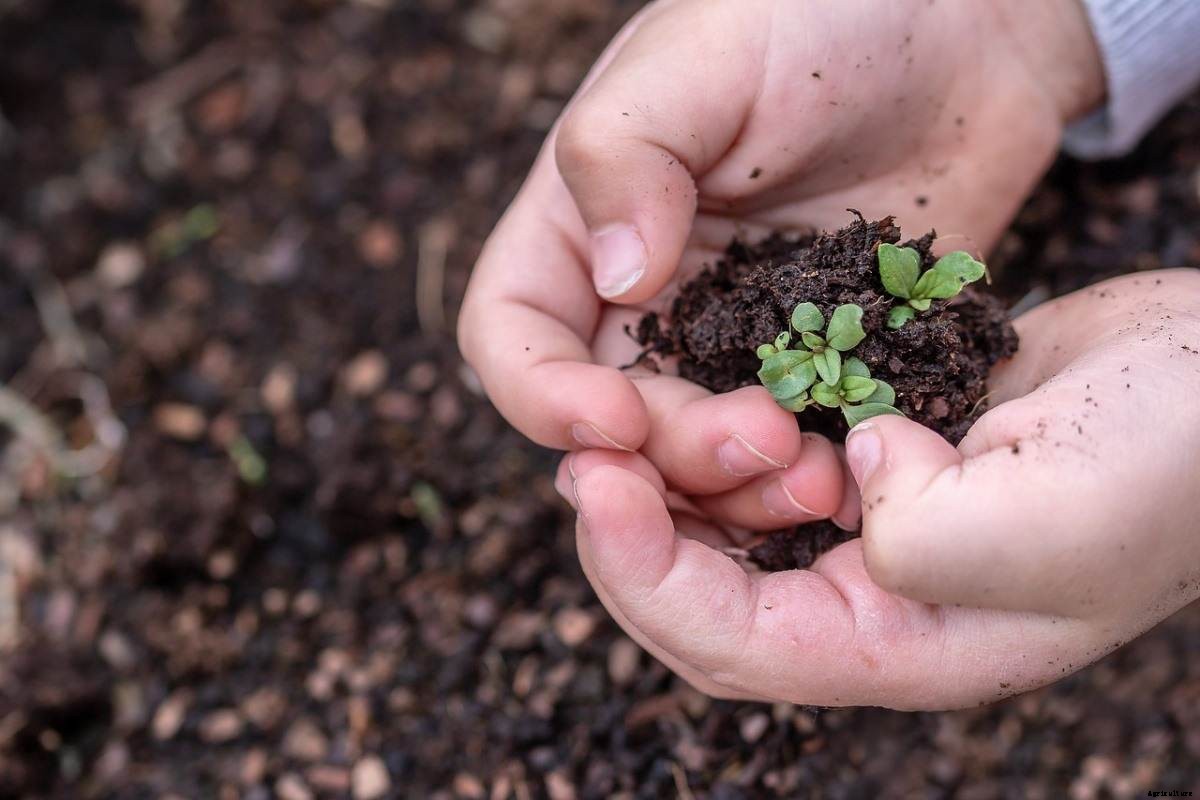
Light: Sunlight provides most of the light plants need. However, plants can also grow under artificial light. Sunlight is responsible for forming a type of sugar called glucose in plants. Plants use glucose for energy. Plants make glucose in a part of their leaves called the chloroplast. In each chloroplast is a green pigment known as chlorophyll. The pigment absorbs light energy. Plants grow very slowly when they don’t get enough light. Plants and the soil in which they grow can dry out if they are given too much light. Depending on the type of plant, different lights are required. Direct sunlight is better for some plants. Indirect lighting is better for others.
Air: The air contains a wide variety of gases. Among them are nitrogen, oxygen, carbon dioxide, and vaporized water. To create glucose and oxygen, plants chemically combine carbon dioxide with water. The process is called photosynthesis. As well as absorbing oxygen from the atmosphere, plants also exhale carbon dioxide. So, it is because plants need oxygen for respiration. As a result of respiration, glucose molecules are broken down to provide energy.
Water: The photosynthesis of plants depends on water. A plant’s roots absorb water and send it through its stems to its chloroplasts. Water also helps soil nutrients reach plant cells. Wilting and drooping are signs that a plant has not received enough water. Conversely, too much water can rot its roots.
Nutrients: Plants need nutrients to grow. Potassium, nitrogen, and phosphorus are necessary components of plant growth. The roots of plants absorb these nutrients when they are dissolved in water. If a plant cannot obtain the nutrients it needs from the soil, fertilizer may help. Fertilizer provides plants with essential nutrients and allows them to grow faster.
Space to Grow: A living being needs space to survive. For a plant to absorb water and nutrients, its roots need room to spread out. Likewise, plants need space so that their leaves can receive light. Plants that grow too close compete for light and other resources. Plants can grow tall and skinny or short and stunted if they don’t have enough water, nutrients, and light. As a result, overcrowded plants are less healthy, making them more likely to contract the disease.
In case if you miss this: Cucumber Seed Germination.
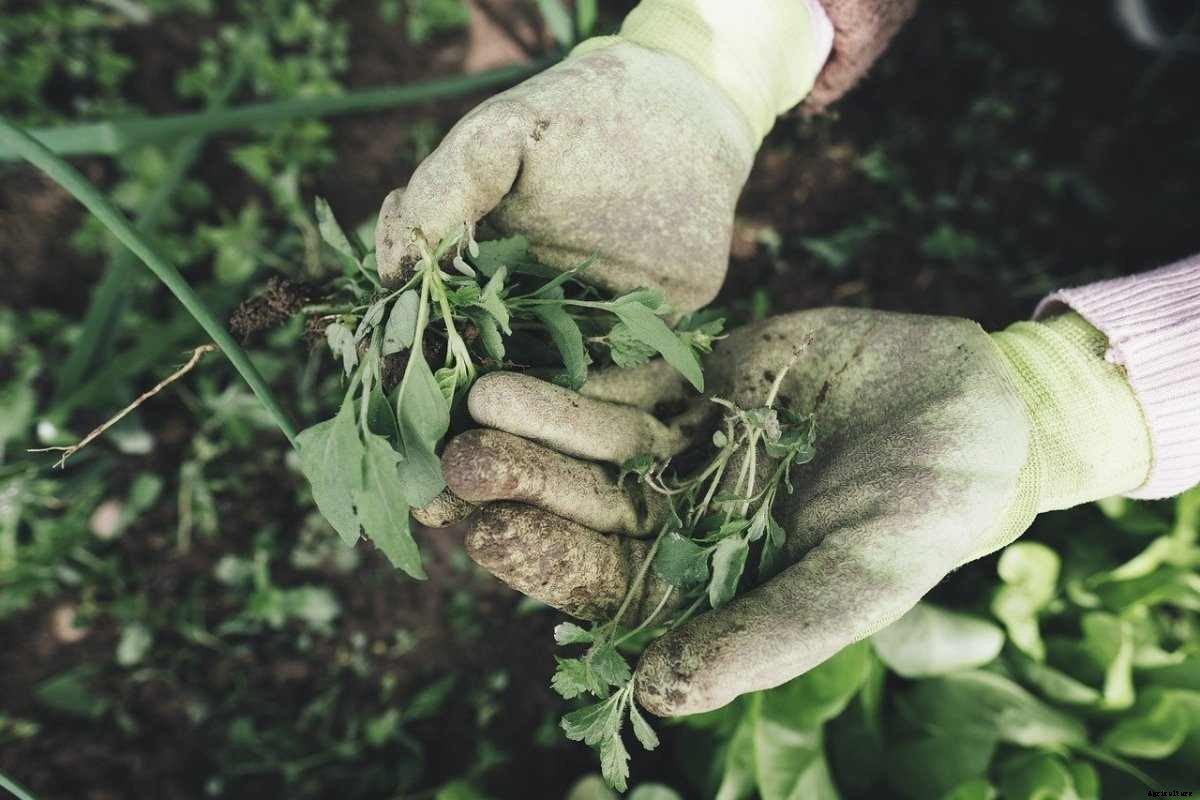
You Need to Feel the Soil to Know When to Water Your Plants: Some people aren’t sure how much water they should give their potted plants. A good rule of thumb is to see if the first inch or so of soil is dry before planting most plants. The soil needs water if it is dry. Leaves that have wilted or that are dry/discolored need more water than a routine.
Overwatering plants is worse than underwatering them: Depriving a water plant can cause it to recover faster than giving it excess water. Therefore, if a plant is overwatered, you will probably need to remove its roots and overwatered soil before repotting it.
Fertilize your houseplants only when necessary: The plants in your home don’t need fertilizer unless they’re having difficulty growing. When planting, you’re better off skipping fertilization if you aren’t sure how much to use or what type to use. If you fertilize too much, you may kill the plant rather than help it grow.
Plants love stability: Choosing a plant should be based on where you’ll put it in your home. Finding a spot with sufficient light is crucial to the success of plants once they are used to their surroundings. It is also essential to maintain a stable temperature. In case of fluctuating temperatures, your plant may not develop and may even die. The optimal temperature range for plants is 65-75 degrees Fahrenheit.
The fastest-growing plants are the smallest: A small plant is always better than a larger one when you buy your chosen plant. The reason is that a smaller plant gets established in its habitat more quickly and has a larger roots-to-top ratio. The roots of a larger plant will not grow as long as the top growth does.
Bathrooms should have low light plants: Even low-light plants require light. A small bathroom window without direct sunlight is the perfect place to place these kinds of plants. It will also get its water primarily from the shower rather than directly from the hose. Showering produces humidity, which will water plants that do not need too much water. Make sure you check your plant now and then to see if it needs extra water. Taking a look at the soil can determine if more water is needed.
When Watering, Go Deeper, Rather Than Lightly and Frequently: Watering lightly and frequently may only allow your plant’s top roots to drink water, resulting in your plant not receiving the fuel it needs to grow. The roots of plants can get a drink by watering them deeply, which means using a lot of water. Avoid overwatering your plants by watering slowly and observing when the water no longer drains through the soil. Watering can then be stopped at this point.
Self-watering planters are easy to make: If you don’t have the time or money to hire a plant sitter, don’t worry; you can still water your plants while you’re away. Use recycled glass bottles and create your drip irrigation system to water your plants. Check out our post on watering your plants when you’re away to learn how to do it yourself.
Don’t pull your plants when you report them: If you pull out a plant, its stems, leaves, and blossoms are destroyed, as well as the roots become torn. Also, thoroughly absorbing nutrients requires the roots to heal, so taking your plant out of its pot is not a good idea. Instead, check out our guide to report a plant to ensure your plant does not suffer from damage.
Establishing the proper environmental conditions
Know your plants- When you don’t know the exact needs of plants, they won’t thrive, no matter how much care and attention you give them. If you’re growing vegetables or flowers outdoors, it’s the same whether you are buying houseplants or becoming a gardener. Other plants can endure a wide range of climates, but others don’t do so well in a wide range of environments. A nursery expert can provide you with information about the condition plants need, whether planning a garden or adding plants to a terrarium. Next, determine what region the plants thrive best. Although you can grow plants in your area even if they aren’t native, it’s usually easier to grow plants that are adapted to your region’s climate, temperature, and soil. Finally, maintain a reasonably steady temperature for indoor plants. You determine the temperature.
Make sure your plants are not in drafty places. Your plants will feel the cold as well. Make sure the container or pot you are using is large enough. Plants need space to grow. Roots are becoming crowded because of an apparent plant killer. Directly in the ground, make sure there is enough space between plants. Once a year, check the roots of your potted plants to ensure they look crowded. Those plants will need to be divided up and repotted in a larger pot if they grow too big. New growth will be encouraged. It is also possible to trim the plant’s roots and repot it if you don’t want to move it.
Ensure there is enough sunlight– In general, Plants need full sun, partial sun, or partial shade. However, it is a relatively simple distinction that can significantly affect plant health. Before purchasing plants, assess your yard. Then, decide which plants to buy after observing how much sun each area of the yard gets. When planning a garden, plan it so that part of it will be shaded and part will be exposed so you can plant various types of plants there. The most successful houseplants prefer partial shade, ideal since indoor areas typically don’t get full sunlight. However, keep this in mind before placing a potted plant near sunlight where it will be exposed for hours on end; you may end up overexposing it. Your plant is getting thin and reaching for the light if it is not getting enough sunlight.
Make sure you only water your plants as needed- The act of watering can lead to the development of serial plant killers. These plants are either over-watered or not watered enough. Many new gardeners and owners of potted plants overwater their plants because they believe the more water they get, the better they will be. Some plants need a lot of water, while others can die from too much water. To ensure your plants get enough water, do some research to determine how much water they need, and use this trick to tell when and how much to water. If your plants are not completely dry, you should water them. Pour enough water into the pot to allow a little to drip out. If you use too much water, the plant will drown. Check that the plant pots you are using have good drainage. Otherwise, your plants might get damp roots, which can be very harmful. A succulent or other plant adapted to a dryer climate usually requires a lot less water than a plant from a wetter climate. The reason for this is that they need to dry completely between watering.
Seedlings generally require more water than adult plants. Therefore, maintain constant moisture until the seedlings sprout several inches above the soil level. Due to their sensitivity to chemicals in tap water, delicate plants like orchids require high-quality water. If you don’t have distilled water, use spring water instead. Fertilize the plant. Avid plant growers usually use fertilizer, but some do not; if you choose to use fertilizer, ask your local greenhouse what to use and how much. Make sure your plants have the best soil makeup. Make sure your soil is tested before planting anything. You can take samples of soil to your local extension office.
Consider composting- The soil created by composted fruits and vegetables is rich and nutritious, ideal for many plants. However, some plants, such as some wildflowers, prefer poor soil conditions, so you should research your plants’ nutrient requirements before using compost. Fertilize your soil with blood meal, composted poultry litter, or fish emulsion.
Plants need to be checked frequently- To keep your plants healthy, you should check on them every other day for indoor plants and at least every week for outdoor plants. By checking on your plants frequently, you will spot any problems before they become significant problems. Therefore, ensure that you regularly check on your plants. For example, if you check your houseplants on Saturdays, you could walk through your garden every day before work. Under rosebushes, bury banana peels. Bananas are a good source of potassium, which is needed by roses. Bury the peel of the banana just under the rosebush roots in the soil. Throughout the growing season, potassium will be absorbed by the rosebush.
Feed plants– Eggshells leach valuable nutrients into the soil, helping plants such as tomatoes thrive during the growing season. Crush a few and sprinkle them into the holes you dig for each plant or into the bottom of the pot you use for an indoor plant. Plants grow more delicious, flavorful fruits when eggshells are crushed, nourishing pepper and tomato plants. Also, eggshells are a natural substitute for pesticides as they prevent slugs and other pests from attacking plants. Several creatures, such as rabbits and squirrels, are attracted to outdoor plants. Use soap to keep them at bay by sprinkling it around the garden. To keep animals at bay, some gardeners use human hair or predator urine.
How about this: Coconut Coir Benefits For Gardening.
1. Which type of care does a plant require?
Photosynthesis is required to prepare food for plants. Growing plants are affected by the quality, time, and intensity of sunlight. Make sure that direct sunlight does not reach the plant. Let them stay in a bright, well-lit room, which will give them enough light.
2. What is the recommended frequency of watering plants?
Water the soil once or twice a week, moistening it to about 6 inches depth each time. Surface soil may dry out between watering, but the soil underneath should remain moist.
3. What is the best way to take care of indoor plants?
4. Is it necessary to take care of plants?
A plant in the workplace is purely aesthetic, but studies show that it can help employees feel better, work more efficiently, calm down, and improve their attitudes.
5. How do plants grow faster?
Water, air, and nutrients are all provided in sufficient quantity by well-worked soil. Adding soil mixes to sandy or hard soil will help the plant grow faster. In addition, it is a good idea to add manure, grass clippings, and compost.
6. Describe the five things a plant needs to grow?
The basic needs of all living things must be met by plants to survive. Lighting, air, water, food, space for growth, optimal temperature, and water are among these needs.


