
Welcome to Modern Agriculture!

Introduction to greenhouse gardening Frequently Asked Questions (FAQs) – A greenhouse is a structure with walls and roof made chiefly of transparent material, like glass, in which plants requiring regulated climate are grown. These usually structures home in size from small sheds to industrial-sized buildings.
Growing in a greenhouse is often such a lot of fun for beginners and experienced gardeners alike but before you choose the plants you consider to grow, examine and research what conditions, temperatures, and moisture your plants would require to flourish. This is often an important step to form your plans to thrive.
Growing plants in a greenhouse are often rewarding for the house gardener– not only are you able to propagate new plants from your existing landscape favorites, but you’ll get a jump start on your kitchen garden, or grow it entirely indoors with the assistance of a greenhouse. Although the plants which will grow best in your greenhouse depend heavily on your setup, suitable plants for greenhouse gardening are available for each quiet greenhouse and climate. Now, let us get into “Greenhouse GardeningFrequently Asked Questions and Answers“.
A greenhouse garden is primarily meant to increase the season of prized plants. Horticulture fans should be hooked into greenhouses, too, because it allows them to grow plants and flowers all season long, which may then be brought into the house.
The main purpose of a greenhouse is to magnify the sunshine of the sun while protecting plants from freezing temperatures.
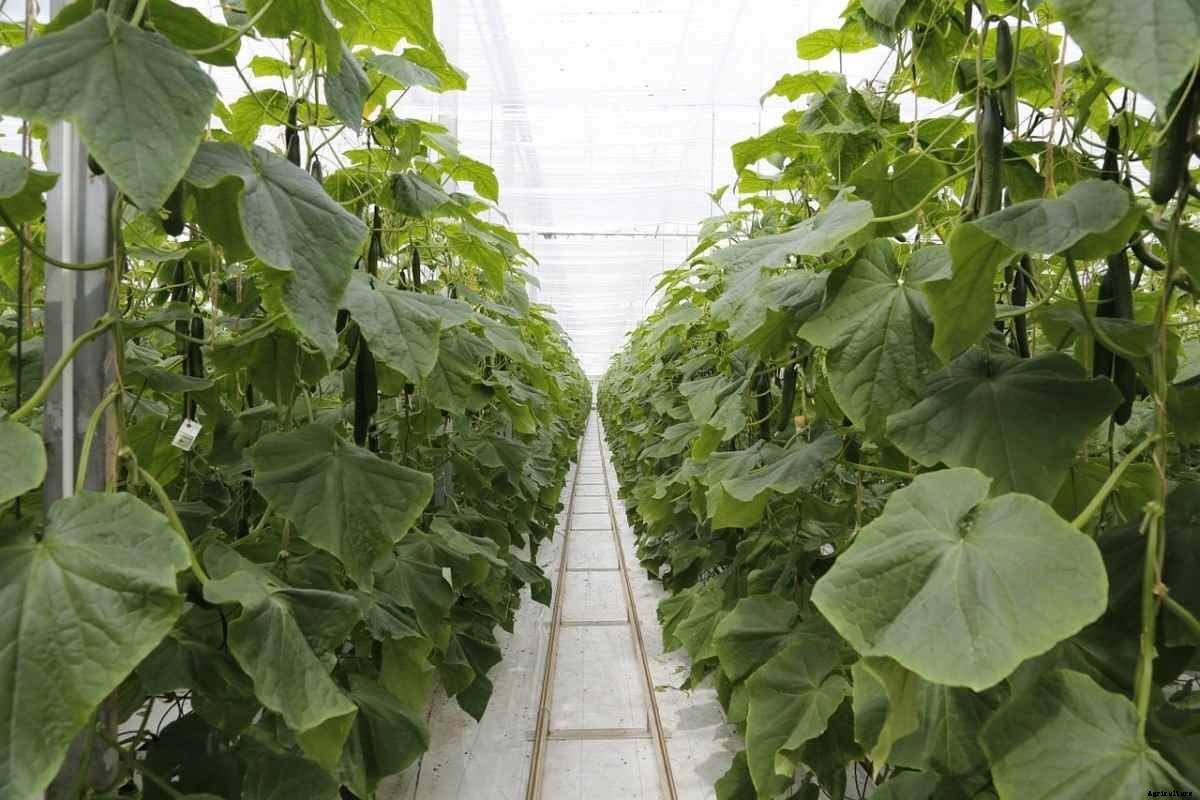
A greenhouse usually works by converting light energy into heat. Light rays from the sun enter the greenhouse, where they’re absorbed by plants and objects and converted to heat. Greenhouses can get too hot, which is why many have windows, vents, or fans to assist release hot air as required.
Plants need moisture, warmth, and lightweight to grow. A greenhouse stabilizes the growing environment just by buffering the ambient temperature and even protecting the plants from extreme cold. It supports your plants in a nurturing, caring environment and provides just the proper conditions for plant growth.
The disadvantages of a greenhouse are listed below:
You just don’t need a greenhouse to grow your own fruit and vegetable, but it certainly helps. Having a greenhouse allows you to grow more plants for extended. You will be ready to start fruit and veg off earlier within the season and extend harvest with longer cropping.
The essentials for beginners are listed below:
Things to incorporate in your greenhouse are listed below:
Yes, plants can freeze in a greenhouse. An unheated greenhouse will generally be 5 degrees warmer than the surface temperature.
It is not a nasty thing, but people are concerned because Earth’s ‘greenhouse’ is warming up very rapidly. The result’s called heating because, on average, the world and our oceans are warming up, and therefore the climate is changing because the carbon dioxide and other greenhouse gases within the atmosphere still build up.
By trapping the sunshine and turning it into heat, these ingenious creations keep the plants fed and warm. Adding elements like bricks and stone, alongside water can help to trap the warmth for those cold nights. You’ll also need to consider adding an external heating source.
Plants do grow faster and better within the greenhouse because in a greenhouse eco-system the temperature is more controlled, the CO2 content is higher as compared to the outdoor which is extremely important for plant growth. These factors contribute together and make the plants grow faster during a greenhouse.
Though the weather outside could be frightful, you’ll need to start your garden early with a greenhouse. Whether you employ a chilly frame, mini-greenhouse, or freestanding unit, your seeds germinate in a warm and comfortable environment that fosters growth.
Greenhouse gardening pros and cons are listed below:
A mini greenhouse may be a welcome addition to any garden, with the additional protection of growing under glass allowing a way wider sort of plants to be raised, and therefore the season to be greatly extended.
To give your plants and seedlings the simplest chance, you ought to set your greenhouse up somewhere that gets many sunshine, much natural daylight which is shielded from harsh winds and even frost pockets. Some gardens have areas that are damp or susceptible to surface water, thanks to poor drainage and lack of sunlight.
It’s best to travel for one that’s a minimum of 6ft wide and 8ft wide will enable you to place staging (shelves) on each side. The eaves should be a minimum of 1.5m or 5ft tall to let in any light. Most gardeners wish that they had a much bigger greenhouse, so choose the most important you’ll afford and have room for.
Different types of greenhouses are designed to satisfy specific needs.
Open all doors and vents on sunny days. These are often left open in the dark if the temperature remains high. In changeable weather, vents and doors often need to be left partially hospitable to limit sudden temperature increases. Larger greenhouses may, at a high cost, be fitted with automated ventilation and shading.
The best bet for flooring may be a combination of gravel and flooring designed specifically for greenhouses. The gravel will leave good drainage, while the flooring will help to dam out weeds. Both of those can easily be sanitized with a light bleach solution just in case of disease.
One of the simplest and least expensive options for warming greenhouses within the winter is to make a thermal mass or conductor. These are objects that absorb heat during the day and release it during the chilly night-time hours. It’ll raise the temperature by a degree or two and it can make all the difference.
This can be as simple because the addition of one or two layers of horticultural fleece over your plants (Remember to get rid of coverings during the day in order that they don’t overheat.), and place some bubble wrap around your pots to assist insulate plant roots and stop clay pots from cracking.
The main ways to heat your greenhouse without electricity are natural thermal masses like water barrels or dark stones, also as compost and even chickens. Counting on the dimensions and indoor temperature needed, these methods and good insulation can heat a greenhouse.
It lasts nearly 40 to 50 years
Partly thanks to its weight, which makes it strong, glass greenhouses can provide a few years of service—40 to 50 years or more. Glass greenhouses are permanent, and though they’ll cost quite a polycarbonate style, the worth they increase your property makes them well worth the investment.
Without air circulation, the plants will always succumb to disease and even die. If the greenhouse has no vents, then on sunny days, even within the coldest winter, the warmth will rise inside and will cook your plants.
The main gases liable for the atmospheric phenomenon include carbon dioxide, methane, laughing gas, and water vapour (which all occur naturally), and fluorinated gases (which are synthetic).
Nearly about 26°C to 29°C. Heating and Ventilation: The ideal temperature inside the greenhouse is about 26°C to 29°C, therefore the first and most vital lesson is learning the way to keep the interior temperature steady.
Not always. Plants like water, but they do not want to be wet. Excessive moisture within the greenhouse can cause fungal diseases, also as creating an environment surely pests to thrive. The plant’s needs for water are much lighter, and you ought to adjust accordingly.
Plants to grow in a greenhouse are listed below:
In case if you miss this: Growing Vegetables in Texas.
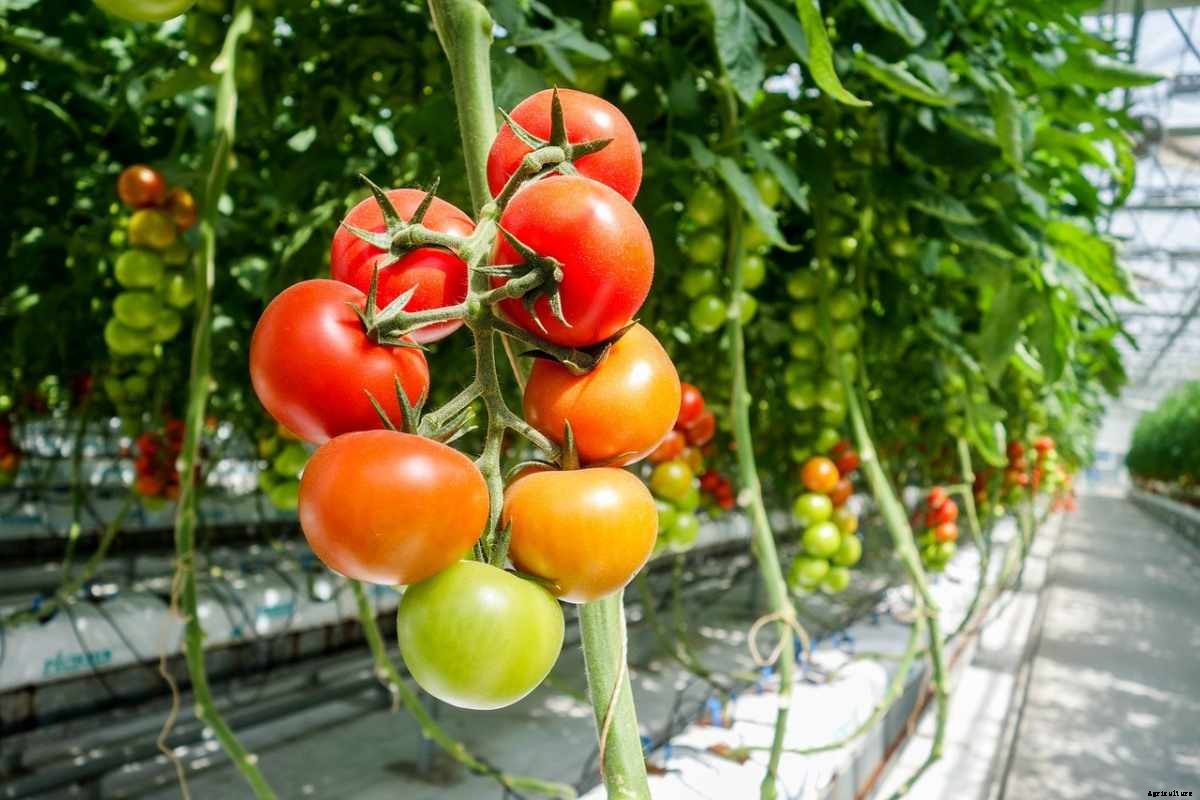
You need to plant greenhouse tomatoes in autumn or early spring for a late or early yield. Start the seeds indoors for four to 6 weeks before transplanting them into the greenhouse to make sure they’re mature and hardened off.
A number of studies have determined that well-designed landscaping can increase the worth of a home. Adding a well-designed greenhouse to your property could increase the worth of your home, but it could also narrow the interested pool of buyers, as some might not want the added maintenance and expense.
If you’re considering growing plants inside a greenhouse, here are a couple of big advantages you’ll want to think about.
Advantage #1 – Longer season
Advantage #2 – Garden in Any Weather
Advantage #3 – Grow a good sort of Plants
Advantage #4 – Protection from Pests and Predators
You may also check this: How To Grow Sweet Potatoes In Terrace.
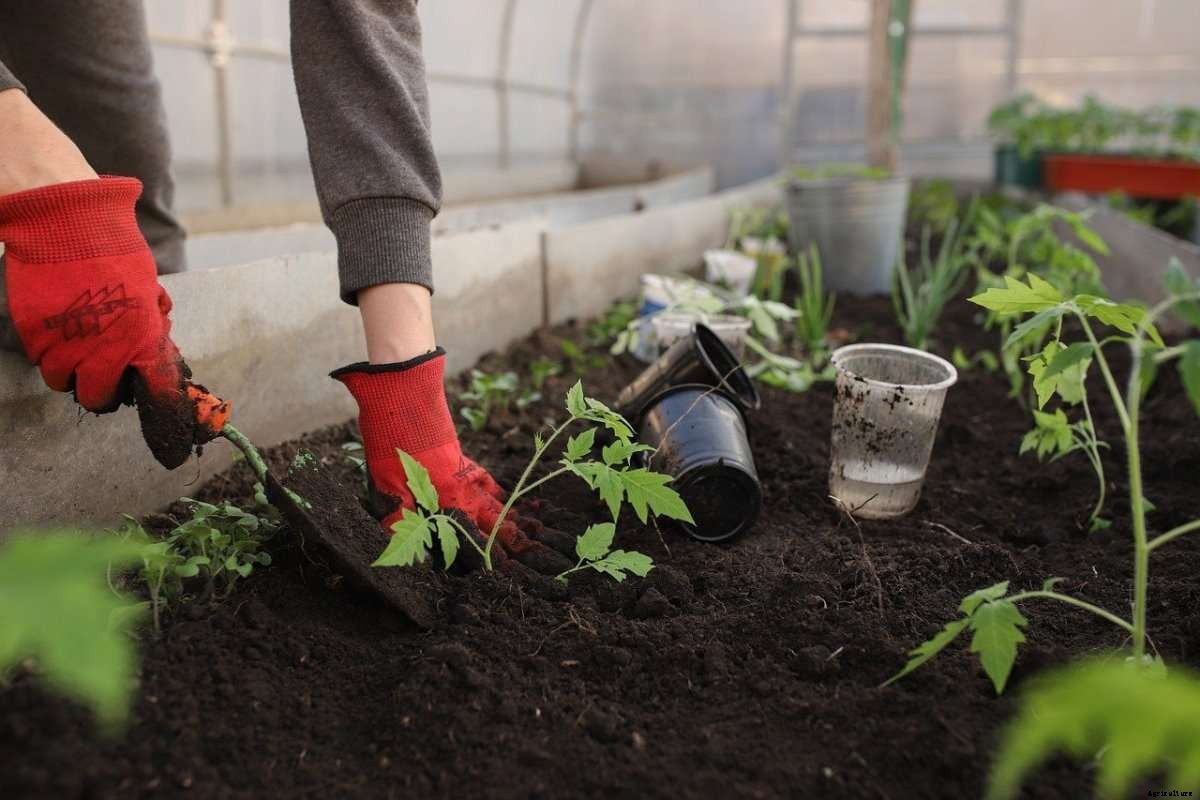
3 years. A tomato can live for quite 3 years during a greenhouse. You will only need some techniques and proper care. Inside a greenhouse, all a tomato need is water, nutrients, and much affection to grow well.
Yes, greenhouses need ventilation. Ventilation is one of the foremost important parts of a greenhouse. Here are the most things ventilation does to stay plants healthy. Now that you simply know greenhouse ventilation is vital for healthy plant growth.
Lettuce is that the perfect winter plant for your greenhouse. This leafy plant likes a cool environment. Therefore, you do not need to heat your greenhouse the maximum amount as other plants in winter. This cool-weather vegetable comes in several shapes and can provide you with nutrients throughout the season.
Greenhouses are an excellent way for several gardeners to save lots of money. With a greenhouse, gardeners can overwinter many of their favourite plants, reducing the amount that they patronize expensive nurseries. While these plants in fact make wonderful gifts, they’re also easy to sell.
Tunnel greenhouses are usually rock bottom but won’t offer you the important greenhouse feel and have many limitations. Due to these reasons, the right choice for a budget greenhouse is far and away from the polycarbonate greenhouse. They are available in many sizes and forms and are durable, strong, and really practical.
Both onions and shallots are often grown from either seed or sets. Onion sets are beneficial as they are doing well altogether conditions, even cold greenhouses, and are more resilient against pests and diseases.
They survive outside and, during a good summer, they grow reasonably well, but they operate much better with the protection of a greenhouse for all or simply a part of the year These include fruits like peaches, nectarines, and apricots, figs, grapes, and melons.
A greenhouse is a structure enclosed by glass or plastic that permits light transmission for the expansion of plants. There are different sorts of greenhouse designs. Common design styles include lean-to, even-span, uneven-span, and ridge-and-furrow, retractable-roof, and shade house.
The best plastic greenhouses are a less expensive alternative to greenhouses, but they even have advantages in their own right: Plastic greenhouses are available in smaller sizes than glass greenhouses. Plastic greenhouses extend the season (especially early sowings) and may increase success with heat-loving vegetables.
This moisture promotes the germination of fungal pathogen spores like Botrytis and mildew. Dripping water from condensation on the greenhouse cover also wets plant surfaces and even spreads plant pathogens from plant to plant by splashing soil and plant debris.
To germinate and grow well, seeds need a controlled environment with the maximum amount of light possible. If you inseminate February/March, you’ll need somewhere frost-free and warm for the seeds to grow on. An unheated greenhouse is probably going to be too cold for the first seeds started in February.
Placing your greenhouse directly onto the soil
If you would like to plant straight into the soil in your greenhouse or just cannot be bothered with building a slab base you’ll always need to place it directly onto the soil.
Top picks to grow in a greenhouse are listed below:
Tomatoes. Tomatoes are the foremost common greenhouse plant, tomatoes also can be quite prolific and, thus, profitable.
Plants do grow faster and better within the greenhouse because during a greenhouse eco-system the temperature is more controlled, the CO2 content is higher as compared to the outdoor which is extremely important for plant growth. These factors contribute together and even make the plants grow faster in a greenhouse.
To provide light, greenhouses got to have how for the sunshine to return in. this is often why greenhouses are made from mostly translucent materials, like glass or clear plastic. This provides the plants inside maximum access to sunlight.
Ultraviolet (UV) light. The sun’s ultraviolet (UV) light transfers its energy to the polyethene molecules causing them to become so energized that they’re readily subject to oxidation. The most important greenhouse film manufacturers do stabilize their film against degradation thanks to radiation.
Periods of darkness are required for plants because it affects their metabolism. It also gives them time to prevent producing food (photosynthesis) and use the large amount of energy they’ve stored through the day to grow.
For low-light crops and special applications like rooting cuttings, shade is employed as a necessary means of limiting total radiation. External shading has the advantage of absorbing and reflecting light energy before it enters the enclosed greenhouse, heating the air and every one enclosed objects.
Drip tubing. The best irrigation for medium-sized greenhouse structures, like hobby greenhouses, is drip tubing. You place one drip tube into each pot and every tube connects to the most water system for constant moisture. When the plants require moisture, the tubes fill with water and emit precipitation directly at the pots’ topsoil.
We recommend watering once each day for 1 minute in cooler weather and 1 to 2 times each day for two minutes in warmer weather. Watering will vary counting on the situation of your Greenhouse and the way many seedling trays you’ve got within it.
Keep these seven helpful tips in mind as you start your exciting raid greenhouse gardening
Preparing the greenhouse soil. In winter or very early spring, dig out the prevailing soil, a minimum of a spade depth or more if you’ll. Hack the sub-soil at rock bottom with a fork. Next, add a thick layer of homemade compost – a minimum of 6 inches deep but more is best if you’ll.
Loamy soil. A mix of loam soil with compost and potting mix is that the best soil for plant growth during a greenhouse. Prepare the combination using 60% loam soil, 30% compost, and 10% potting mix (peat moss, perlite, and/or vermiculite).
Start fertilizing your container plants twice every week. Fertilize your houseplants once every week. Feed the plants in your garden every two to 3 weeks.
There are three methods of fertilizer application: fertilizers can either be added during the pre-plant phase as a granular or slow- or controlled release fertilizer to the potting media as previously discussed; fertilizers are often applied to the plant’s growing media via the irrigation system using water.
Five common greenhouse growing problems are listed below:
If the ratio in your greenhouse is high that is over 85%, there’s little air circulation, and water or dew is sitting on the leaves, mildew will grow. Air circulation is vital to prevent this, which is another good reason to use a lover. Adequate spacing between your plants is additionally vital.
Humidity is an excessive amount of humidity that can allow mould spores and diseases to run rampant in your greenhouse; insufficient and therefore the plants will die of thirst. Grow them at an equivalent time, or build quite one smaller greenhouse, if space permits. Misting is superb thanks to increasing humidity- determine what proportion your plants need.


