
Welcome to Modern Agriculture!

Introduction to Gardening in Florida – Frequently Asked Questions: Hello gardeners, we are back with a new article today. Here, we are going to discuss some frequently asked questions about gardening in Florida, USA.
For best results, you need to choose varieties recommended for Florida. You can plant seeds directly in the soil, use transplants, or even you can start your own transplants six to eight weeks before planting time. For spring gardens in North and Central Florida, the planting time for most of the frost-tender plants is in March. These questions and answers are mostly related to:
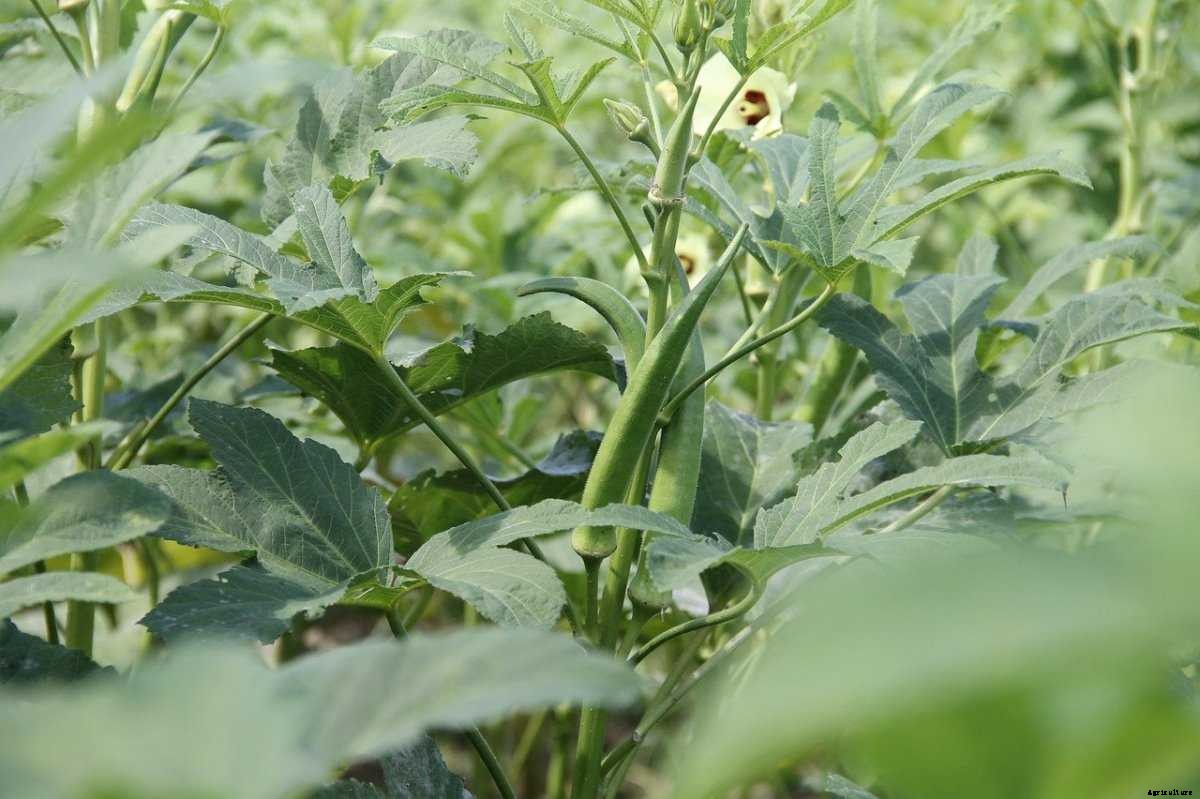
Now, let us discuss some frequently asked questions about gardening in Florida, USA.
Lettuce, Broccoli, Kale, Cauliflower, Peas, Brussels sprouts, Tomatoes, Turnips, Potatoes, Okra, Beets, Cucumbers, Zucchini, Sweet corn, and Squash are a number of the simplest plants to plant during this season. Just remember to keep the soil moist by watering it from time to time.
Best flowers for Florida gardens
The best time to plant and begin a kitchen garden in Florida is typically in September and also again in March. The precise timing will vary counting on where you’re within the state and what you would like to plant. In Florida, we’ve two main growing seasons, within the fall and the spring.
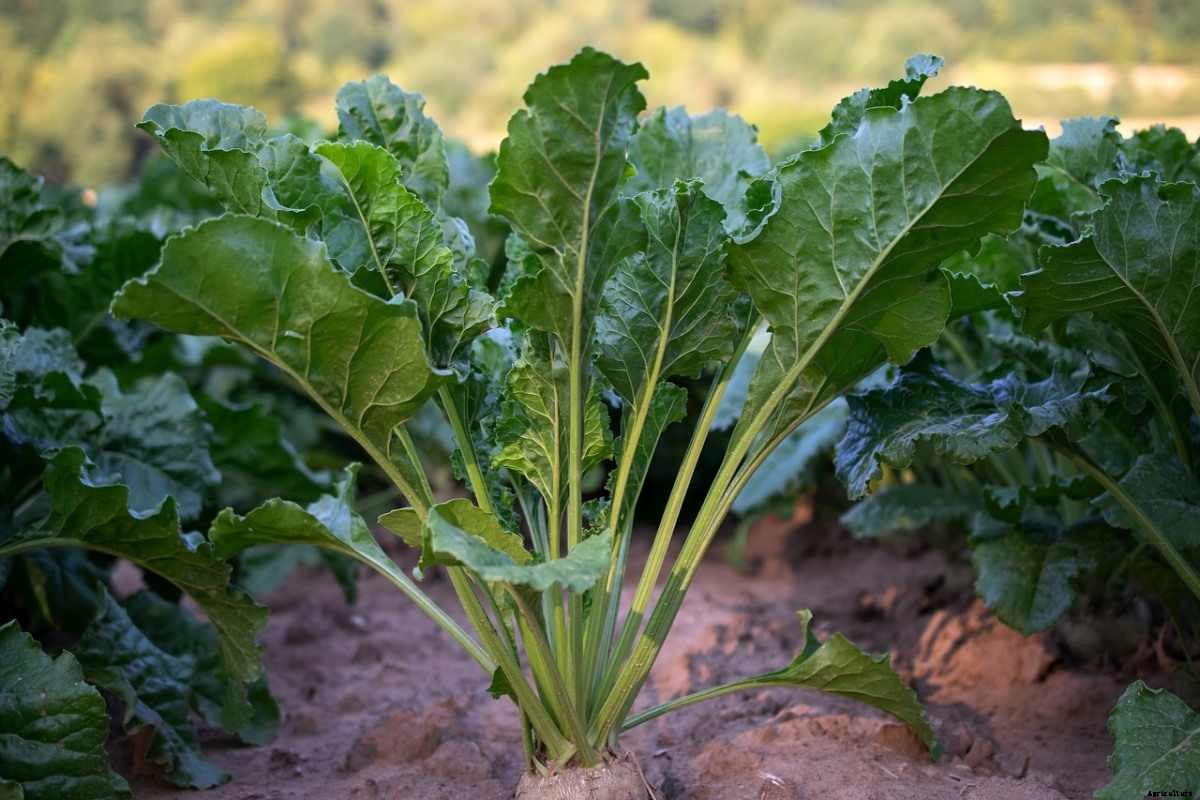
Vegetables that grow easily in Florida are given below:
In Florida, fall is a superb time to start out a kitchen garden. Cool-season vegetables to plant in October include Broccoli, Lettuce, Carrots, Brussels sprouts, and even Radishes.
A backyard garden can truly be a thing of beauty. You can even have nearly about 40 beds and grow a variety of vegetables, but just a bed or two will work fine for any beginner.
If you’re trying to find sun-loving plants in Florida, consider these 8 choices.
Apples, Avocado, Bananas, Citrus, Figs, Guava, Jackfruit, Japanese Persimmons, Loquats, Lychee, Mangoes, Mulberries, Papayas, Peaches, and Tamarind all grow very well in Florida.
In case if you miss this: Mango Seed Germination.
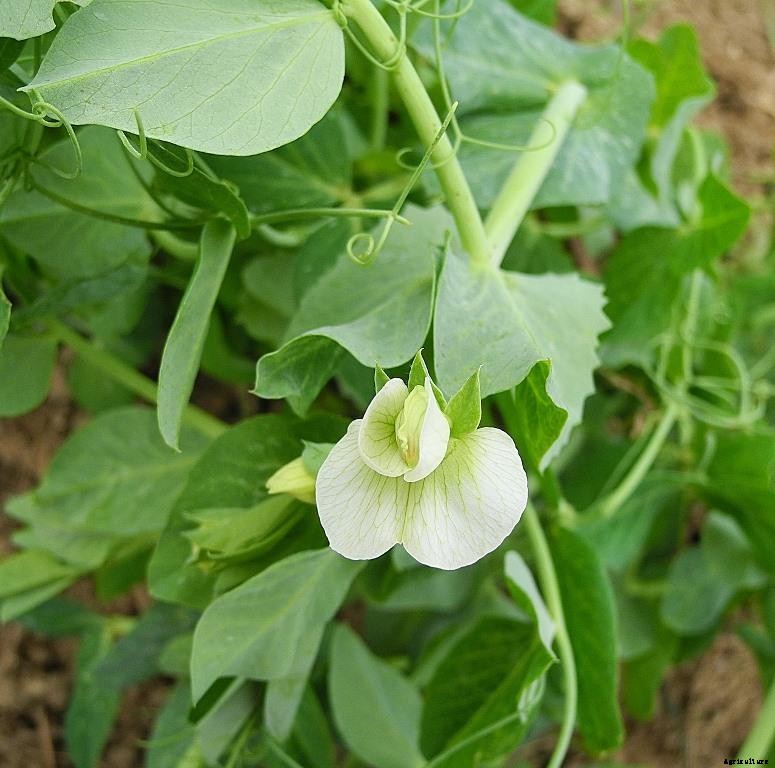
Warm weather plants
Summer Vegetables in Florida
You may also check this: How To Grow Onions In Greenhouse.
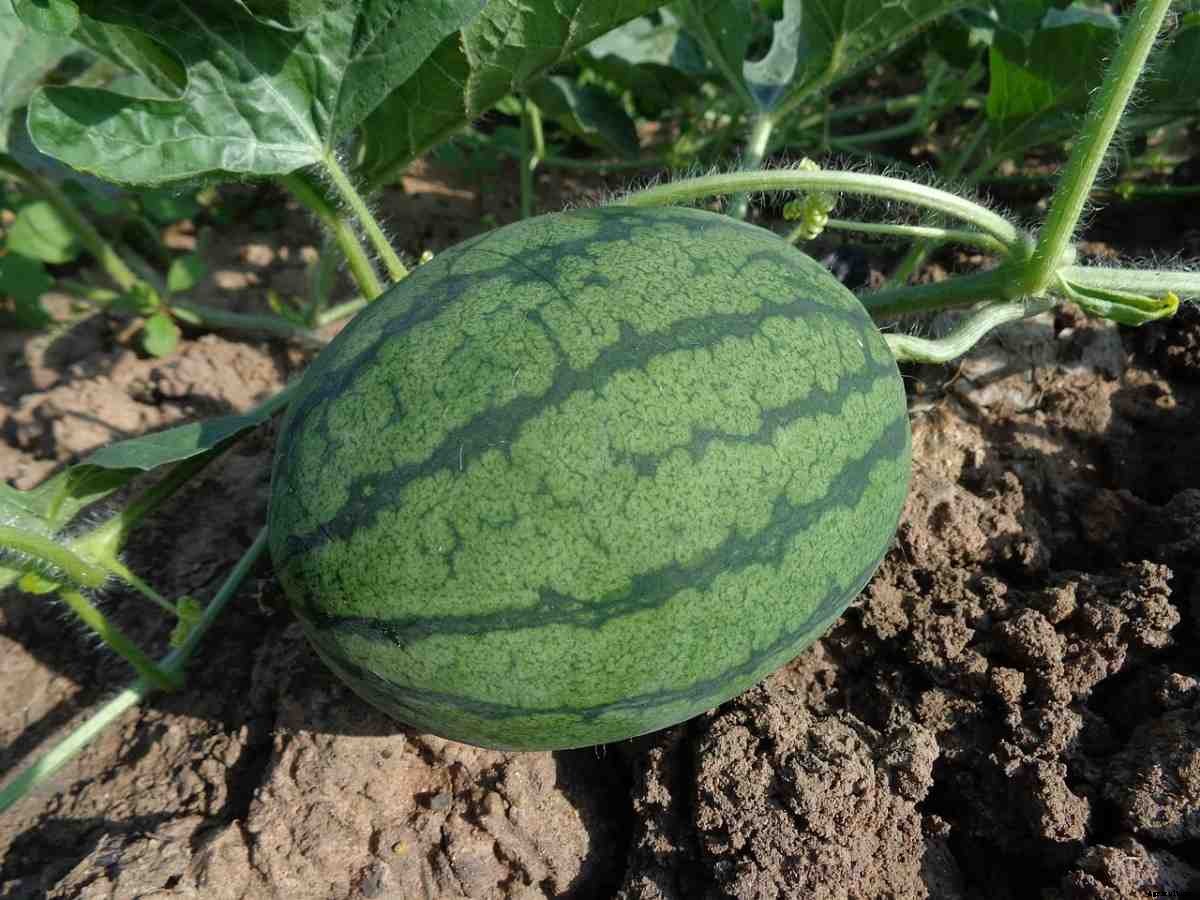
Arugula, Beets, Broccoli, Brussels Sprouts, Cabbage, Carrots, Cauliflower, Celery Chinese Cabbage, Collards, Endive, Fennel Kale, Kohlrabi, Lettuce, Mustard, Bulbing Onions, Bunching Onions, Radish, Romaine, Sorrel, Summer Spinach or Malabar Spinach, Bloomsdale Spinach, Strawberries, Swiss Chard and Turnips.
Several species of milkweed are native to Florida, including orange milkweed (Asclepias tuberosa), which perhaps the foremost popular and widely available variety is. Milkweed produces brightly coloured flowers in summer, and it’s famous for housing butterflies, especially monarch butterflies.
Plants that grow well in Florida and Bloom Year-Round are given below:
Temperature is that the most vital factor determining where certain fruits are often grown. This is the reason why apples and blueberries don’t have the best in South Florida.
Some fruit trees that thrive very well in central Florida include Apples, Avocados, Bananas, Citrus, Figs, Guava, Mangoes, Mulberries, Papayas, Peaches, and Tamarind.
Gardens could also be planted year-round in Florida, but fall is that the preferred season in South Florida. Garden placement is extremely important. So, use the subsequent key points to put your kitchen garden to extend your gardening success. If your soil pH is between 5.5 and 7.0, no adjustment in pH is needed.
In April you’ll need to plant both warm and funky season plants in Florida.
Warm Season: Beans, Cucumbers, Okra, Southern Peas, Sweet Potatoes, and even Summer Squash. If you’re purchasing plants from an area nursery, you’ll also need to transplant Tomatoes, Peppers, and Eggplant this month.
Most Florida soils enjoy adding organic matter, like animal manure, rotted leaves, compost, commercial soil mixes, and canopy plants. Un-composted organics should be mixed within the soil well before the planting, preferably a minimum of a month before seeding and composted organics could also be applied at planting time.
For convenience, locate the garden near the house on a well-drained site on the brink of a source of water and in a location that receives a minimum of six hours of direct sunlight daily. With proper care, vegetables can also be included within the landscape among ornamental plants. Coastal sites also are suitable.
Below are some Florida-friendly perennial flowering plants that bloom year-round, and are bound to enliven any garden area with their colourful flowers.
On Average: The Summer season typically lasts May through September.
More Specifically: North Florida is generally June through September.
Central Florida runs Mid-May through Early October.
South Florida typically begins in late April and may run as late as November.
Recommended heirloom varieties include ‘Cherokee Purple’, ‘Green Zebra’, and even ‘Mortgage Lifter’. To grow tomatoes within the hotter months of the year, you need to pick a heat-tolerant cultivar like ‘Heat Wave II’. Most cherry tomatoes also will set fruit within the heat, including the variability ‘Sweet 100’.
In North Florida, plants are started in February, after the last frost, so that they will also produce the foremost tomatoes before summer heat sets in. In Central Florida, tomatoes can generally be planted in early February for early summer tomatoes and again in September for selecting tomatoes in fall and winter.
With Florida’s warm weather; you need to plant tomatoes in late winter and early spring – but not within the summer. In Florida, we will have two plants of tomatoes — not only one.
Ornamental grasses make an excellent addition to any Florida garden as they’re beautiful and straightforward to grow. A number of the simplest ornamental grasses to grow in Florida are Blue bay grass, Fakahatchee Grass, Pennisetum ruppelii, Lemongrass, Muhly grass, and even Cortaderia selloana.
The time to start out your seeds is about 4, 6, or 8 (depending on the type) weeks before your planting out date. The planting out date here in West Central Florida for spring plants is March 1st- 15th for many plants. Fall planting out date is mid-August – September for many.
Seeds planted indoors are often started in late winter for planting after the last frost in spring. Peppers are often started again in midsummer for an early fall planting in August and September. While peppers aren’t too particular, they are doing best in soil with a pH of around 6.5. Pepper plants prefer moist, but not wet, soil.
5 Easy Steps to a Florida-Friendly Yard
Some plants prefer our soil like Jerusalem artichoke, purslane, and sea grapes. If your soil remains Sandy after adding compost thereto try growing root vegetables like carrots potatoes and radishes to require advantage of the loose structure that sandy soil has.
Gardening in Florida isn’t as easy as you’d think. Sure, being situated within the subtropics means our climate encourages lush plant growth, but that can also make it tough for familiar favorites.
The foremost popular shrubs to grow in Florida are true laurel, Beautyberry, Holly, Firebush, Ixora, Loreptelum, Simpson’s stopper, and Viburnum to call a couple of. These shrubs vary in size and appearance but all of them thrive in Florida’s subtropical climate.
The list of the foremost common bugs in Florida goes something like this:
You need to use vinegar. Vinegar is a proven method for destroying mould and eliminating pesky white spots from your plants. You need to mix two tablespoons of apple vinegar with a quart of water and spray onto your infected leaves and stems.
You can grow Bromeliads, Calatheas, Anthuriums, Poinsettias, Heliconias, and even Citrus trees. If you live in North Florida and Central Florida and if you want to have a vegetable garden you will need to find a greenhouse useful for starting seedlings earlier in the season than you normally would be able to do it.
Roll-up sides are common with greenhouses made from fabric or even plastic. These can be bundled up like the openings of a tent, just by allowing cool air to blow in and hot air to flow out very easily. Vents are a good and great option in greenhouses made from wood, glass, or even plastic panes.
Tips for starting a rooftop garden are given below:
You can grow Pumpkins, Lettuce, Kale, Cucumber, Tomato, and even Eggplant. And that’s just the veggies; you can also grow almost any herb that you want including Basil, Mint, or even Oregano. Fruit trees are also a very good option to grow in containers.
For oceanfront balconies, we usually recommend Lavender, Rosemary, Cypress, Succulents, Sansevieria, Ornamental grasses, Bougainvillea, Sage, Jade plants ponytail palms, Pygmy Date palms, Lamb’s ear, Citrus trees, Succulents, and even Aloes.
The best plants to grow in a hydroponic system are given below:
There are two methods of hydroponic gardening: Either root is submerged directly in nutrient-enriched water, or the plant is grown in a container filled with a soilless mixture of perlite, sand, and coconut fiber. This container then needs to submerge into or be suspended above a water-filled reservoir.
DIY Aquaponics in five easy steps are given below:
Step one: put your fish tank together.
Step two: build your media bed.
Step three: add the fish.
Step four: add the plants.
Step five: maintain your system.
Plants that can grow in small aquaponics systems are given below:


