
Welcome to Modern Agriculture!

Introduction to green beans planting frequently asked questions: Hello gardeners, we are here with a helpful topic today. Do you want to grow green beans plants and do you have any questions or doubts about growing green beans? Well and then you will need to follow this complete article. In this article, we are going to mention some frequently asked questions about green beans planting.
Green beans are the unripe, young fruit of varied planters of the common bean. Immature or young pods of the runner bean, yard long beans are utilized identically. Green beans are known by many common names, including French beans, string beans, snap beans, snaps.
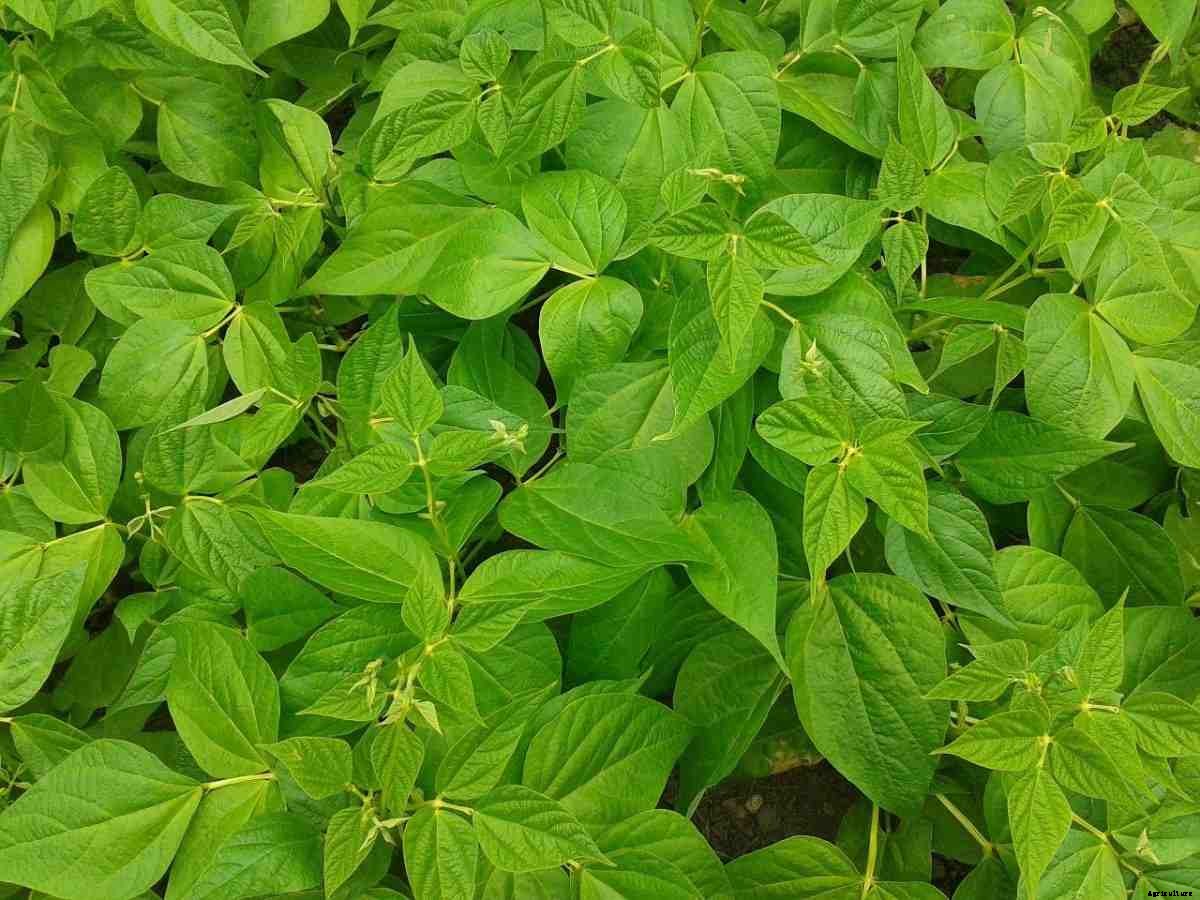
All green beans also called “string beans” or “snap beans” are tender annuals. Though most green beans are indeed green, they also are available in purple, red, yellow, and streaked varieties.
Green beans (Phaseolus vulgaris) are a young, annual vegetable also referred to as string beans or snap beans. Green bean plants can grow easily in your kitchen garden, often producing large quantities, which are very easy to worry for and harvest.
Now, let us discuss some frequently asked questions on green beans planting.
Spring is the best time to plant green beans. You can sow green bean seeds directly into the garden once the soil has warmed within the spring. Like other bean types green beans are frost-sensitive, so plant them in spring once the danger of frost has passed. you’ll also need to plant green beans within the fall, about 10 to 12 weeks before the primarily expected frost.
In case if you miss this: How To Grow Plants In Hydroponics.
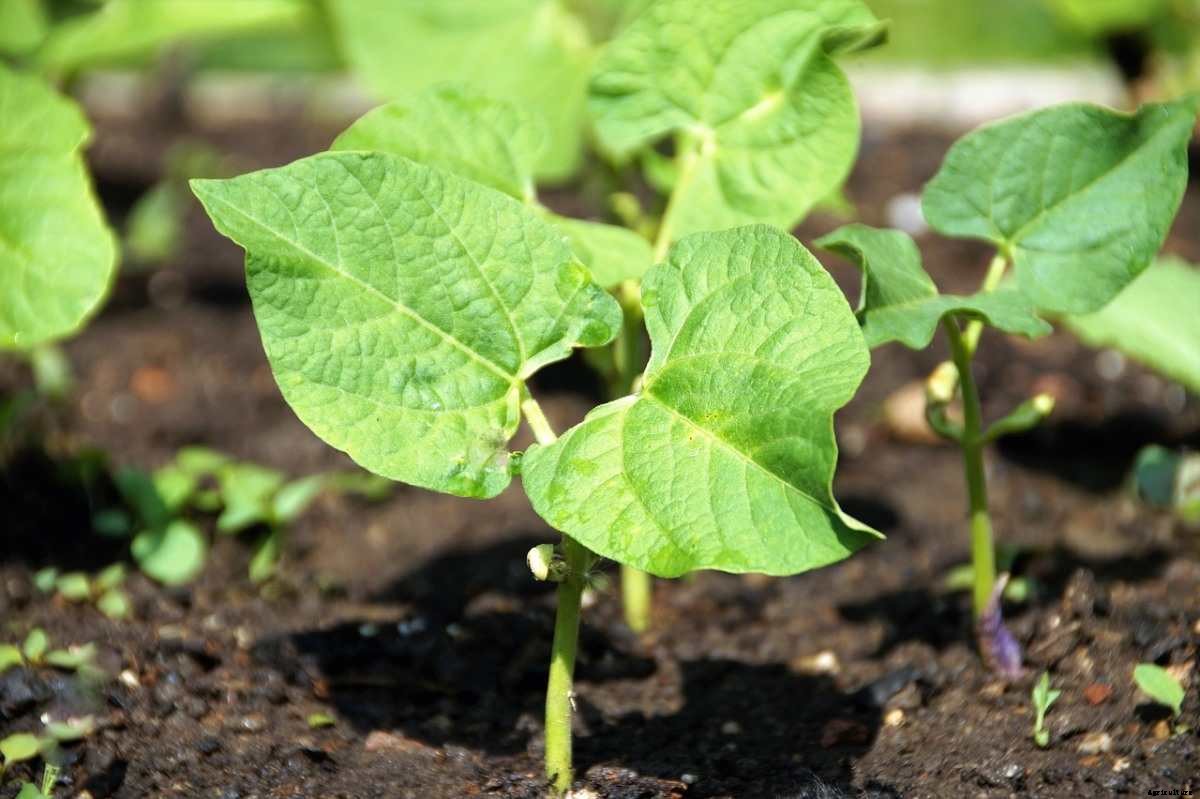
Green bean plants usually need six to eight hours of full sun per day. However, high temperatures can cause blossoms to fall from your green bean plants, so use row covers to guard plants against high heat. Water properly. Beans need well-drained soil to stay from rotting or creating mildew.
It takes 50 to 55 days. Bush green beans, like “Tender Pod” and “Blue Lake,” are the staple of the many home gardens, as they require little space to grow and produce an abundant plant of fresh beans in 50 to 55 days counting on the variability.
Because Epsom salt is very water-soluble, it’s quickly washed from the soil and isn’t available to the bean roots for long. It provides a fast boost for magnesium-deficient plants, but adding magnesium that will stay within the soil longer is preferable.
Water – Green beans need 1 inch of water per week. You need to use a drip irrigation system for supplemental watering to avoid splashing soil onto the leaves, which may cause soil-borne disease. To work out if the plants need water, stick your index about 1 inch into the soil near the bottom of the plant.
Green bean plants are often fertilized once a month throughout the season if so desired. A 10-10-10 fertilizer will usually do the work nicely. Most of the granular fertilizers are applied at 1 1/2 pounds per 100 square feet.
Be careful and then use two hands so you do not damage the plant when picking. Harvesting every few days will keep new flowers and beans coming, so keep an in-depth eye on your plants.
You may also check this: Easy Growing Flowers.
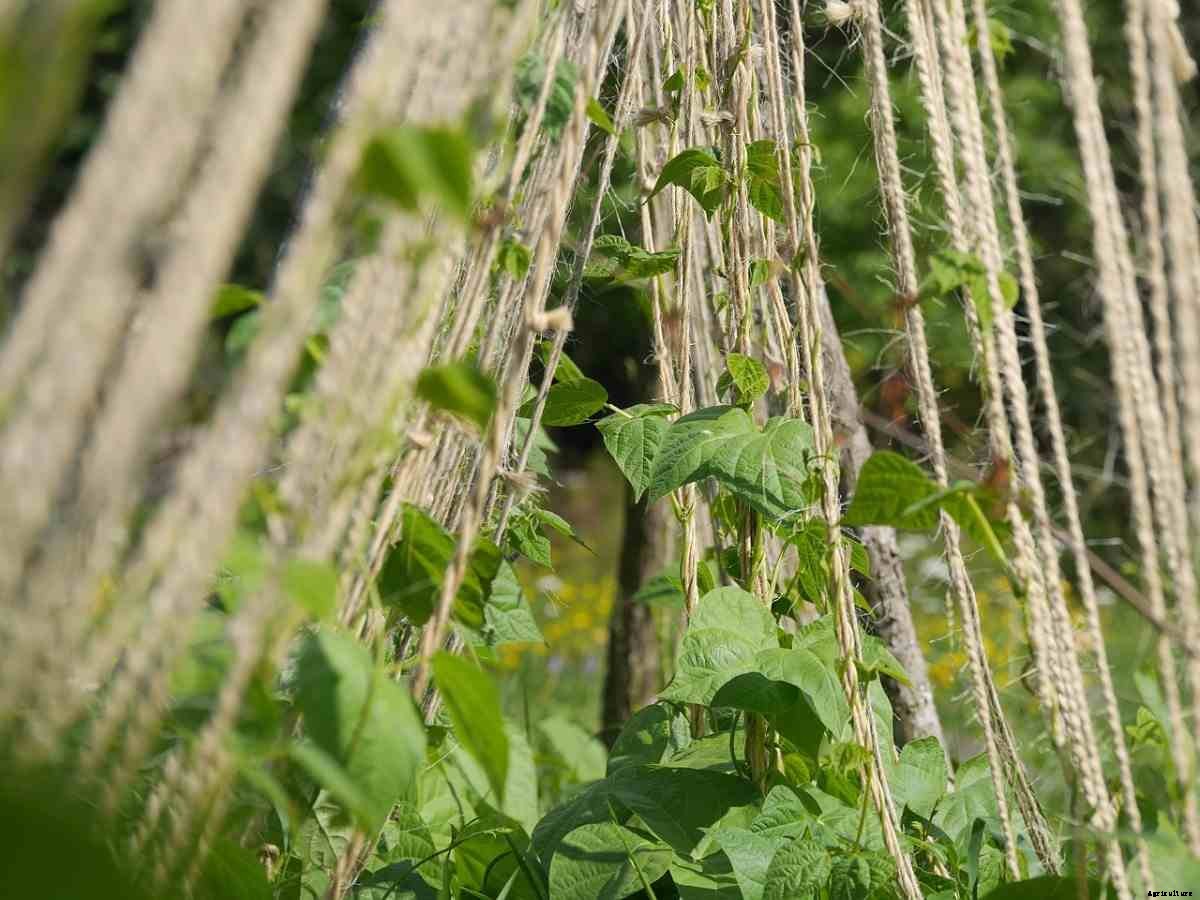
Green beans grow very quickly fully sun. Green beans are a well-liked vegetable for the house garden. They grow quickly and need only sun and water.
Green beans will grow very quickly. The rule of thumb we exploit for harvesting most sorts of green beans: The pod is prepared to reap once it reaches a length of four to seven inches long and therefore the diameter is a little fatter than a pencil.
Too little or an excessive amount of watering pot causes damage to the plants also affects the yield of beans. Generally, green beans usually require about 1 to 1.5 inches or roughly 2.5 to 3.8 centimeters of water in a week. Confirm however to stay the bean plants’ groundwater or they’re going to stop flowering.
Beans grow best in slightly acidic to neutral soil, pH between six and seven. Clay or even silt loams are well and better for bean production than sandy soils, although good drainage is also vital.
Yes, you can grow 5 to 7 green beans in a 5-gallon bucket. Green beans also grow very well in pots and plants, and to realize the simplest yield, choose a pot or container that’s 15 inches in diameter, and then fill the container with a mix of healthy compost and potting mix.
Mulch the soil to retain moisture minimizes weeds, and keeps soils cools in spring and summer. Prune leaves and stems to maximize yields.
Harvest green beans when they’re 4 to 7 inches long and therefore the width of a pencil. Most significantly, they ought to be firm to the touch and haven’t any visible bulges.
Green beans need the right amount of nutrients to grow. An excessive amount of or insufficient of a particular nutrient will end in a stunted or dying plant. Getting a soil test done before planting is that the best thanks to knowing what nutrients to feature in the soil.
Irregular watering is a common explanation for curling in straighter bean varieties. Like other garden produce, beans need regular, even watering during fruiting, to make sure that pods develop evenly. Sap-sucking pests, like aphids, can also be responsible for snap problems.
Sandy and silty loam soils are ideal for green beans, although they will grow in almost any soil type except heavy clay. Soil with many types of clay tends to be poorly drained, which may cause plant disease and blossom drop.
If the air temperature is just too low or high, green beans might not produce blossoms, or if they are doing, they could fall off or become infertile. When evening temperatures fall below 13°C, the flowers may fall off the plant.
Yes, you ought to soak your bean seeds for 10 to 24 hours in water before planting. Soaking in water will help the seeds to sprout and reduce the germination time, which suggests your plants will grow healthier and faster. However, avoid soaking bean seeds for quite 24 hours as this might because of seed rot.
Green bean pods appear as soon as the blossom drops and grow rapidly in good weather. Slender pods will be ready within a week, while it may take 10 days or more for the pods to fill out completely.
Beans usually have shallow roots, so mulch keeps them very cool. You need to water regularly, about 2 inches per square foot per week. If you do not keep beans well-watered, then they will stop flowering. Water on sunny days so that foliage will not remain soaked, which can encourage disease.
Most green beans should be planted after the soil warms and the danger of frost is gone, and need to be planted about an inch deep. As a rule of thumb for planting, plan for about 10 to 15 green bean plants for each person in your household.
My rule of thumb is to have 2 or 3 pole bean plants growing per linear foot of row or 5 or 6 bush beans in the same space. Put into easier to deal with terms, it takes about 100 ft. of pole beans to produce enough to feed a family of 4 for a year.
Pour insecticidal soap into a garden hose sprayer. Spray the foliage and even vines of your bean plants to knock insects off of the plants. This method of treatment works very well on aphid colonies and spider mites.
Bean weevils, darkling beetles, cucumber beetles, Lygus bugs, and even stinkbugs are a few of these munching insects that are creating holes in your green bean plants.
Beans can be mainly attacked by aphids, Mexican bean beetles, flea beetles, cucumber beetles, leafhoppers, mites, and even slugs. Aphids, leafhoppers, and even mites can be sprayed away with a blast of water from the hose or also controlled with insecticidal soap.
Spray aphids, spider mites, or even leafhoppers off green bean foliage and stems with a strong jet of water from your garden hose. Look on the underside of the leaves as well as the surface of the plant for these bugs. Hand-pick adult beetles off leaves. Dispose of the bugs by dropping them into a jar of soapy water.
You can often get rid of aphids by wiping or spraying the leaves of the plant with a mild solution of water and a few drops of dish soap. Soapy water should be reapplied every 2 to 3 days for 2 weeks.
The bean leaf beetle is ¼ inch long and yellow-green to red with four black dots on its back. They eat small holes in the leaves and may even feed on the pods. High populations can devastate a planting. Cover plantings with a floating row cover to keep the insects off.
Spray string beans with insecticidal soap or oil if the infestation is heavy or spraying with water is not sufficient to control aphids, thrips, and spider mites.
Once when the plants are large enough, and then add an inch or two of mulch. Not only does mulch retain soil moisture, but it also helps to protect green beans’ shallow roots, which can easily be damaged.
Green beans need the proper amount of nutrients to grow. Too much or too little of a certain nutrient will usually result in a stunted or dying plant. Nitrogen, potassium, phosphorus, manganese, and magnesium deficiencies can all result in leaves that turn brown and drop from the plant.


