
Welcome to Modern Agriculture!

Introduction to balcony gardening frequently asked questions (FAQs) – A balcony garden is strictly what it sounds like—a garden arranged on a balcony. Given the limited space, this sort of urban gardening relies on container gardening. Counting on the dimensions of your balcony, you’ll need to add small trellises to your pots and containers to enable some plants to grow vertically.
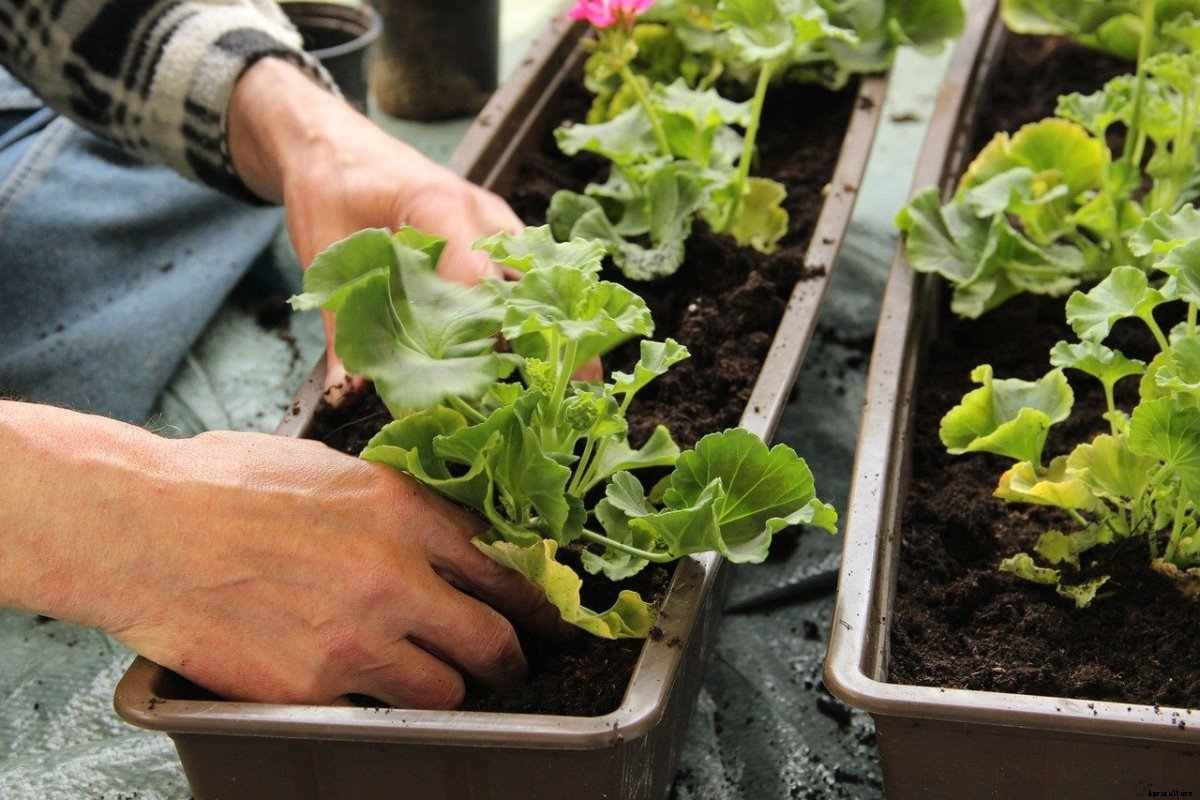
Balcony gardening is great for smaller vegetables, flowers, and even herbs. Avoid planting heftier veggies, like melons or large squash plants that need more room. Great plants for balcony vegetable gardens include:
Leafy greens: Vegetables like Lettuce, Spinach, and Kale are particularly suited to urban gardens confined to small spaces. You’ll need to plant them in rows in repurposed rain gutters mounted on a wall or railing.
Herbs: Basil, Oregano, Rosemary, and Thyme are all easy to stay contained in a balcony garden, and you’ll need to harvest fresh leaves as you would like them to flavor your food.
Bush vegetables: Tomatoes, Peppers, and certain sorts of Beans all grow well in pots on a balcony or porch. Use Tomato cages to offer the plants shape.
Vines: If you would like to require advantage of vertical space on a small balcony, try employing a trellis, or maybe the balcony railing, to grow vines. Peas, Pole Beans, and even edible fruit are perfect for a little garden on a balcony.
Now let’s get into the details of Balcony Gardening Frequently Asked Questions.
Balcony gardens usually require the same care as a traditional garden. Be sure that there is enough direct sunlight for your plants, consider covering the soil in your pots with mulch, and then water your plants regularly. You can even create a very small compost bin for kitchen scraps. Just bring your garden inside during the winter.
When it comes to decorating your balcony plant, simple is always better as there is nothing worse than an over-cluttered balcony with minimum potted plants taking up every inch of the room and then not allowing you the space to move around. You need to choose an area to group your plants if pot plants are your choice of decoration.
Below is a couple of balcony plants that might be good to settle on based upon their characteristics.
In case if you miss this: Growing Vegetables In Shade.
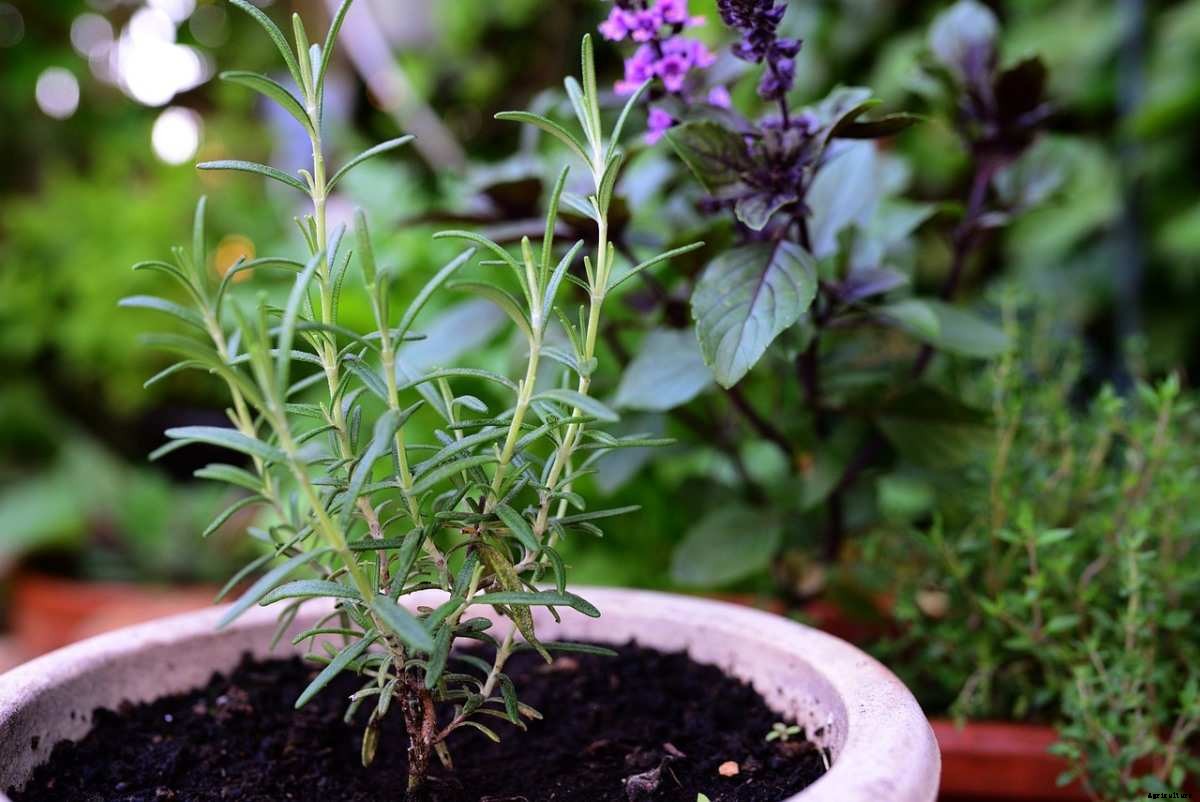
Check out the subsequent ways to start out a garden on your balcony:
The right mixture of soil usually requires regular soil, compost coir peat or sand, and even Vermicompost in equal quantities. After the heavy rains confirm you add essential nutrients back to the soil as water tends to scrub them away. You’ll need to add compost hebdomadally approximately to form sure the soil has enough nutrition.
Trim up the plants once every week, remove dead or damaged parts and deadhead the flowers. Use clay pots, because clay pots tend to stay the soil cool. Grow vines or hanging plants on the railing to make shade for the plants growing on the balcony floor. If the sun may be a big problem cover your balcony with an umbrella or fabric.
Arranging pots and planters on a shelf or substitute a corner of the balcony is that the best choice to make tons of space and grow as many plants as you would like. The plants arranged horizontally in colored pots during a stand will look gorgeous.
Balcony vegetable gardening will yield an excellent number of vegetable goodbyes as your plants get many moisture and sunlight. Make certain to reap your vegetables once they are at their peak of ripeness. This may offer you the best-tasting vegetables from your balcony kitchen garden.
What vegetables are you able to grow on a balcony? You’ll need to grow Tomatoes, Kales, Spinach, Celery, Bok Choy, Eggplant, Peppers, and Green Onions on your balcony. Tomatoes are top of the list because they’re easy to grow, very productive, and do not require much space.
For good drainage, use the simplest quality potting soil and blend perlite in it, rather than adding gravel and pebbles to the rock bottom of the pot. If growing plants that prefer alkaline soil, use limestone (including marble) for drainage within the bottom as this sort of drainage is sweet for plants that grow at higher pH levels.
Usually, when the primary inch or 2.5 cm. approximately of soil is dry, it is a very good indication that watering is required. In summer, watering outdoor potted plants is important daily (and even twice a day) for many species, especially when temperatures reach over 24°C.
But, some plants thrive within the compact balcony setting and supply healthy, organic food reciprocally.
Growing herbs in containers on your balcony aren’t difficult as herbs had best even in small spaces. A number of the simplest herbs to grow on your balcony include Thyme, Rosemary, Lavender, Chamomile, Oregano, Sage, Basil, Lemon Verbena, Chives, Rues, Coriander, Parsley, and herb.
A west-facing patio or balcony is that the perfect spot for a container garden, especially an edible one because they get many afternoon suns. Tomatoes, Basil, and lots of popular annual flowers like super bells need full sun—at least 6 hours of bright, direct sunlight every day.
You may also check this: Easy Fruits To Grow In Pots.
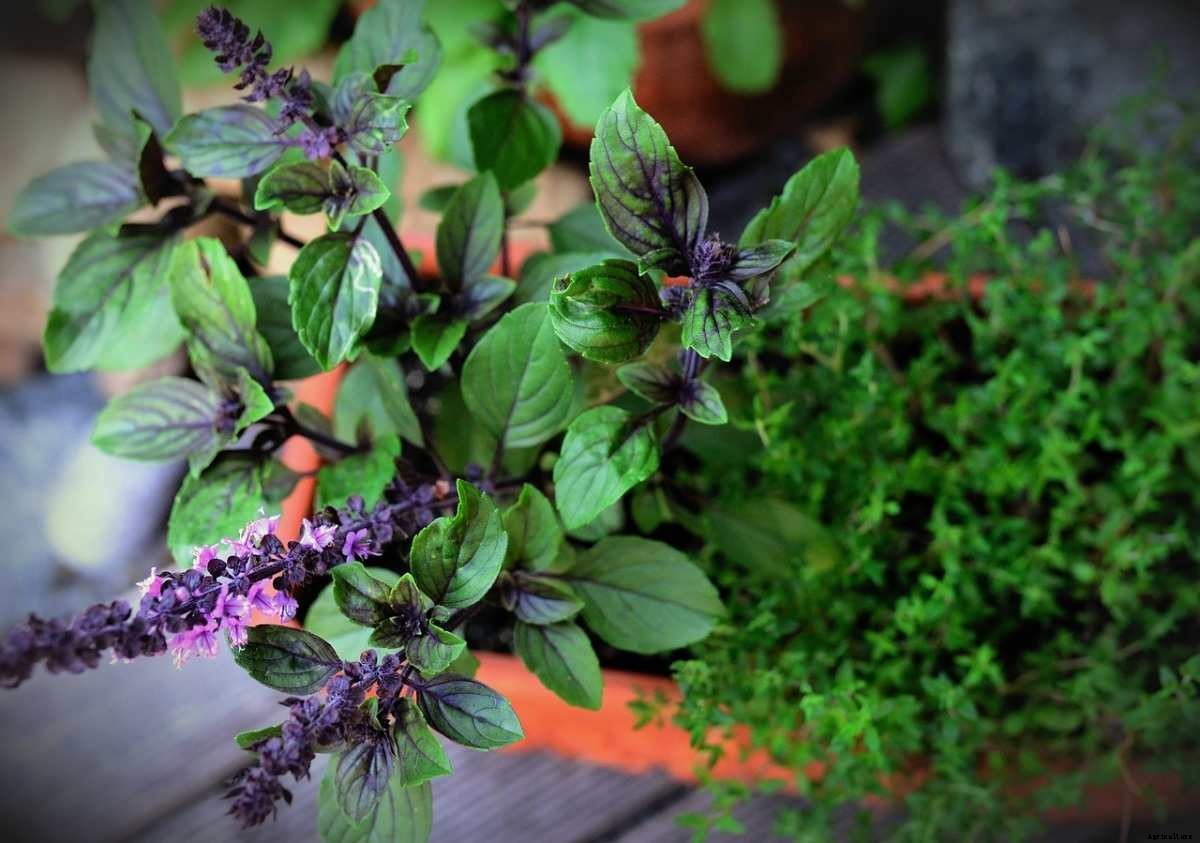
Grow perennials, ornamental plants, shrubs, trees, and even herbs and vegetables on your balcony.
Below are some balcony garden ideas you’ll take inspiration from.
Balcony gardens require equivalent care as a standard garden. Ensure there’s enough direct sunlight for your plants, consider covering the soil in your pots with mulch, and water your plants regularly. You’ll even need to create a little compost bin for kitchen scraps. Bring your garden inside during the winter.
Shade-loving plants for containers and hanging baskets
Hens-and-Chicks – it is another popular succulent, hens, and chicks (sempervivums) are both shade and sun-tolerant
If you’ve got a balcony, you’ll need to grow a tree during a large container. Container-grown trees are often wont to frame entryways or to supply interesting focal points. They are compatible with small spaces within the landscape like patios and decks and may be used alongside other container-grown plantings also.
Strawberries are easy to grow and had the best in containers, as long as you give those rich, fertile soils and a sunny position. Strawberry planters take up little or no space and may easily fit on a balcony or patio so anyone, regardless of how small their space can have a go at growing their own.
One passion fruit can reach a minimum of 2.5m across and several other meters high. A perfect spot to grow a vine is along a wire fence, across a balcony, or over a pergola where they supply year-round shade. If you would like to grow a vine along a sunny wall or fence, install some wire, trellis, or mesh as support for its tendrils.
Most of the herbs need about 4 hours of sunlight per day and on average watering should be done when the soil feels dry to the touch. Some herbs are often kept moister like Basil, others got to have soil dry completely between watering like Lavender.
East-facing balconies are much better to grow flowers that love tender sunlight. If exposure to the sun is about 6 hours, you’ll grow geraniums and hollyhocks. Daisies, Daffodils, Lilies, Cosmos, and Verbena are an honest choice too.
Watering your herbs! Pots dry out very quickly so a balcony garden should be regularly watered. Herbs planted during a garden can go without water temporarily and tolerate excess water within the soil. This can’t be said about those planted in pots as they’re more sensitive to waterlogged and dry soil.
Natural Factors, like the exposure of a balcony to the sun, wind, the humidity are going to be the most factors to think about.
Here may be a short guide on the way to choose the proper plants for your balcony:
Below are five balcony plants that need indirect sunlight, are low-maintenance, and grow well altogether in conditions.
Before you start the event of a touch corner of greenery on your balcony, make certain to follow some essential rules.
Easy Ways to realize a gorgeous Balcony Garden (And What To Plant)
Pick the garden pests off the plants. Large slugs, caterpillars, beetles, and weevils are often picked off – drop them during a bucket of soapy water to eliminate them. Smaller insects like aphids or whiteflies can probably be washed off with the hose.
Tips for creating a pest-free balcony garden
Sprinkling pepper or even cinnamon around the balcony garden will supposedly keep ants away from your plants. Dry cornmeal also will work (after the ants eat the cornmeal, it enlarges in their stomach, and that they die). Some have said that sprinkling Splenda or Equal around also will kill them.
When watering, the plants in your balcony garden, confirm the water penetrates down through the container, instead of just the surface of the potting soil. You need to let the water slowly make its way through the plant container until extra water drains away.
The best solution is to use self-watering containers. They permit the plants to require and soak the water when they need it; another advantage of them is you’ll freely forget your watering duty a couple of times. When a plant needs an honest soak otherwise you got to leach the soil, take them to the toilet, and water it deeply.
Improper watering is usually the rationale for the overtime of plants. If you forgot to water for a couple of days, the roots may dry up. However, the other is more likely, as an excessive amount of water is usually responsible for dying container plants. Make certain the plant is during a well-drained potting mix – not garden soil.


