
Welcome to Modern Agriculture!

Introduction to Indoor gardening Frequently Asked Questions – Indoor gardening is a technique to grow plants indoors. The idea of indoor gardening is just growing plants indoors. There are, however, many various purposes for indoor gardening and multiple styles and even techniques that will be used. The explanations for indoor gardening are often strictly practical, purely for enjoyment, or even for a touch of both.
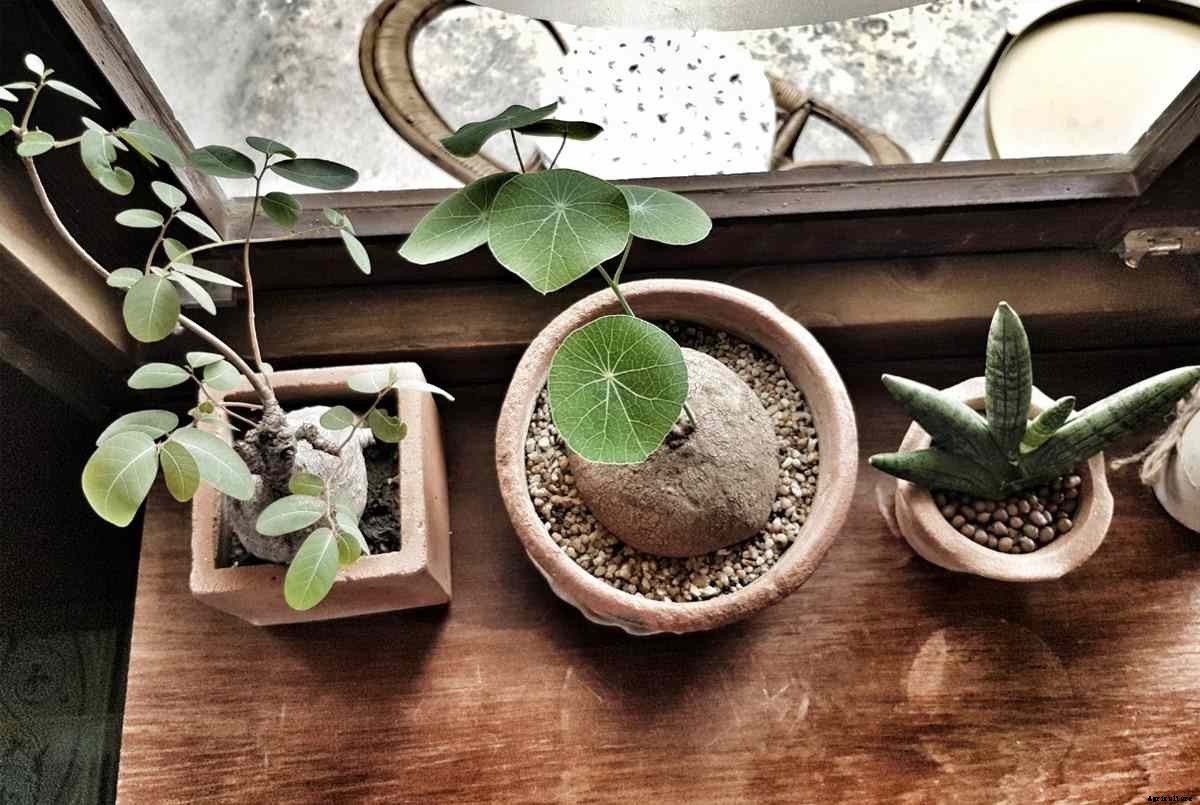
Indoor gardening gives you a chance to exercise your green fingers all year long, be it harsh winters or hot summers. With indoor gardening, you’ll be on the brink of your greens.
So, go ahead, push that window hospitable let some fresh air in, spread some newspapers, and grab a bag of potting soil and a container. But first, let’s probe these Indoor Gardening tips and tricks to organize you for your indoor gardening adventure. Now let us get into indoor gardening frequently asked questions along with answers.
Indoor garden designs, 4 – Types to think about
Having plants in your home or office is often a source of delight. Indoor gardening usually relieves stress, boosts creativity, productivity, and focus, and promotes recovery. There’s some evidence that houseplants may positively influence the air quality in your home also.
Here’s what you need for indoor gardening:
Super-Fast Indoor Vegetables you’ll Grow In a few Month
Best plants for cleaning indoor air
Many plants prefer direct sunlight, but this might be hard to urge inside a house. Placing a plant in a window sill might offer enough light to grow, but some houseplants will need supplementing from a grow light.
Jade plant
The Jade plant, with its small rounded leaf, is understood to bestow good luck. Consistent with principle, the Jade plant is that the epitome of excellent luck and favourable positive energy and hence, are often placed within the house or office.
In case if you miss this: How To Grow Plants In Hydroponics.
To start vegetable seeds indoors:
Like plants growing outdoors within the sunlight, indoor plants grow best under full-spectrum bulbs, which produce a balance of cool and warm light that replicates the natural solar spectrum. They’re excellent for seedlings also as houseplants, culinary herbs, and other plants.
When to start out Seeds Indoors
As a general rule, most of the annual vegetables should be sown indoors about six weeks before the last frost in your area. Better see local frost dates.
The conservatory and hothouse
Grow lights will provide the right spectrum of sunshine for photosynthesis, which is the main key to plant growth. Before purchasing a light-weight, make certain to see out the provided visible spectrum. Lights that will provide a full spectrum are a perfect choice for your growing space. This is often where LED lights are available handy.
Expert Tips to Make a DIY Indoor Garden:
Tip #1: Select the proper plants for your space.
Tip #2: Get to understand what your plants like.
Tip #3: make certain you recognize how often to water your plants.
Tip #4: Fertilize your plants regularly, but not an excessive amount.
Tip #5: skills much sun your plants need.
Clever and cheap conservatory list entries are listed below:
Yes, you can grow vegetables indoors. You can grow a spread of vegetables and herbs including Lettuces, Arugula, Spinach, Kale, Carrots, Radishes, Beet greens, Tomatoes, and more.
Paper Towel Germination
Here is the best list of popular vegetables which will be grown indoors all year long.
You may also check this: Indoor Bamboo Plant Care.
Choosing the simplest Indoor Flowering Plants
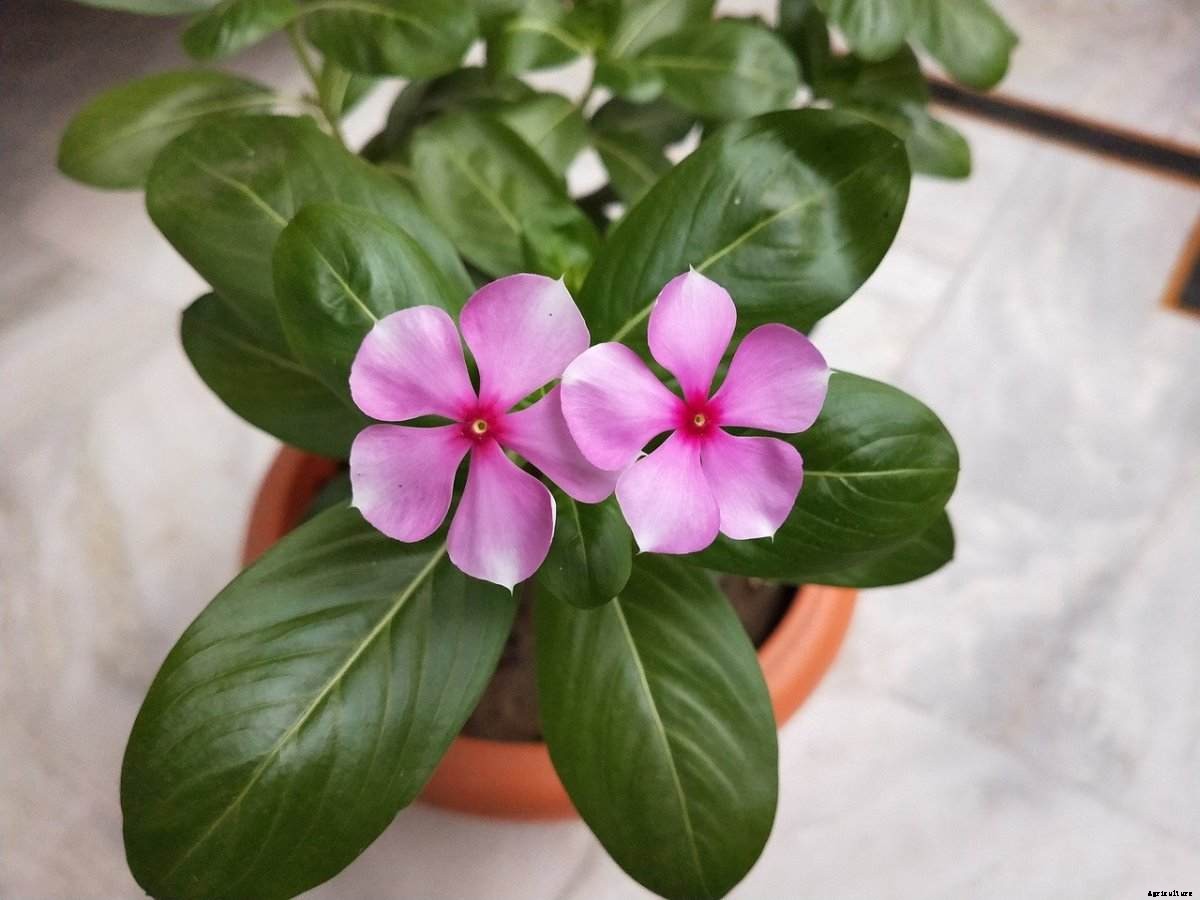
Some of the best plants include miniature rose bushes or even full-sized versions, if you favour them, begonias, African violets, Cape primrose, purple shamrock (oxalis), and even geraniums. If you favour an easier approach, consider a blooming species of cactus or bromeliad.
Easy-to-grow indoor fruits are listed below:
You don’t need an enormous terrace or balcony: all you would like maybe a little space right inside your home for these beautiful and useful plants.
For indoor gardening, lighting is paramount. Without adequate light, plants become leggy (i.e., tall, thin, and weak)—if they grow in the least. We have found that even when grown next to a sunny south-facing window, most plants tend to struggle. For best results, you ought to supplement natural light with grow lights.
You will not need much space for an indoor garden. If you would like to start out small, we propose placing your garden on a windowsill that’s 2 x 1 ½. If you would like a more robust garden, you’ll purchase trays and gardening racks, which may be purchased in reception and gardening centres or ordered through online retailers.
Carrots are the simplest vegetables to grow indoors, and your indoor carrot garden is going to be attractive also as functional. You’ll need to grow baby carrots in any size container, but longer varieties need deeper pots. You need to choose a pot that’s a minimum of 8 inches or 20 cm.
Fluorescent Tubes: Fluorescent lights are easy to put in and energy-efficient, running on the blue end of the sunshine spectrum. Once you are starting either seeds or leafy greens, fluorescent lights are an honest choice. You do not need to worry about them generating an excessive amount of heat, so place them just above your plants.
You need to set your container in a sunny location or under a grow light. The seeds should germinate in 14 to 17 days, though some can take up to 21 days. When the seedlings are 1 to 2 inches tall, check to ascertain which of them are the foremost robust and green.
Most cucumbers will grow well in any amount of pot space or container garden space, as cucumbers can climb. As long as they receive adequate and consistent watering and heat, cucumbers will flourish indoors. Use a pot 20 inches wide to accommodate four to 6 cucumber plants.
What is the simplest Water for Houseplants? Rainwater or water is considered to be the simplest choice for watering houseplants. The standard of water often depends on where you reside and a few plants are sensitive to the minerals or chemicals added thereto.
How often do you have to water indoor plants? Use a container that’s a minimum of 12 inches deep. Hydrate plants until the water run from the rock bottom of the container. Water your kitchen garden every morning, checking soil within the afternoon.
Determine which by feeling the leaf showing browning: if it feels crispy and lightweight, it’s under-watered. If it feels soft and limp, it’s overwatered. Yellowing leaves: Usually amid new growth falling, yellow leaves are a sign of overwatering.
I like to recommend using organic insecticidal soap or mild soap for laundry the leaves. Then spray the plant with neem oil (a natural insecticide for houseplants) for long-term organic pest control.
Yes, indoor plants attract bugs. They’re usually attracted by indoor growing conditions that have high humidity or a scarcity of air circulation. The foremost common pests are aphids, spider mites, fungus gnats, mealy bugs, scale, thrips, and whitefly.
Products used on lawns and gardens that drift or are tracked inside the house could also be found, especially within the air within homes. Exposure to pesticides may end in irritation to the attention, nose, and throat; damage to the central systema nervosum and kidney; and increased risk of cancer.
A good indoor potting mix is typically composed of sphagnum, vermiculite, and perlite. These soilless mixes absorb moisture alright and resist compaction, but they tend to dry out very quickly. Since they are doing not contain any nutrients, you want to provide your plants with a uniform supply of fertilizer.
When you start an inside container garden, you’ll be tempted to save lots of bucks and a visit to the shop by using garden soil from the backyard to fill your pots. Unfortunately, regardless of how fertile and rich the soil, it is not suitable to be used with indoor plants.
Potting mix is different from outdoor soil. It is best to use potting mix for any indoor plants. Use one that provides your plant roots with the well-liked air, moisture and nutrition balance it needs. Soil from the outside is heavy and is best used for outdoor gardening.
Homemade potting soil works even as well as store-bought potting mix and may help prevent money. Topsoil from the bottom is often wont to make the potting mix, but it must be sterilized first. Topsoil straight from the bottom usually contains organisms that will be harmful to plants, also as unwanted seeds.
Directly applying coffee grounds to indoor plant soil will lead to excessive moisture retention, fungal overgrowth, and even impair plant growth. Coffee grounds are a really useful source of nutrients that indoor plants can use effectively and a cost-effective fertilizer.


