
Welcome to Modern Agriculture!

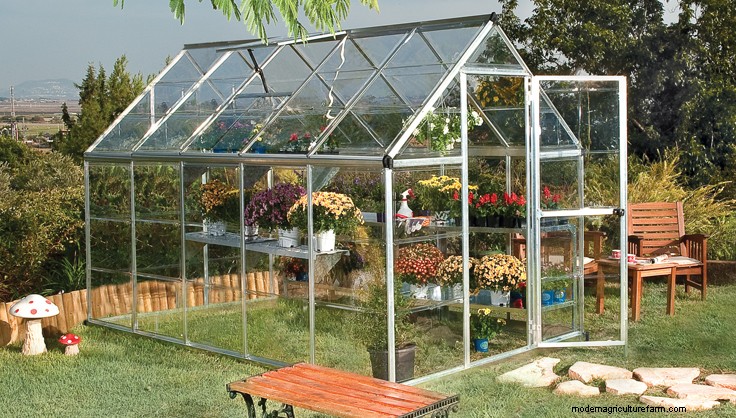 Once you own a greenhouse, you'll wonder how you ever got along without one.
Most gardeners would love to own a greenhouse. Some gardeners might be most intrigued by the idea of a tropical environment filled with orchids, citrus, and jasmine. Others might relish the opportunity to pick fresh salad greens and vine-ripened tomatoes on a cold winter day. There are now many well-constructed greenhouses in a range of prices, as well as numerous accessories that make greenhouse gardening easier than ever!
Historically, enjoying fresh-picked hothouse tomatoes and cultivating exotic tropical plants was the realm of the wealthy, who could afford ornate, free-standing greenhouses, hard-to-find plant material, expensive climate-control equipment, and staff to tend to it all. To lend an even greater aura of sophistication, magnificent Victorian-era greenhouses were often called conservatories or orangeries.
If you're in the market for a greenhouse, the first step is simple: What do you want to grow? Year-round, cool-season edibles, like lettuce? An extended season of warm-season crops, like tomatoes? Or how about armfuls of cut flowers?
Today, there are many greenhouse options, from affordable pop-ups to permanent installations and everything in between. An attached greenhouse or sunroom might the right choice if you want a place to read and putter among potted plants. On the other hand, can you imagine yourself tending an extensive collection of orchids, propagating begonias, and experimenting with oleander and passionflower? If so, you'll want a well-insulated, professional-quality greenhouse that can be temperature-controlled year-round.
Plants differ widely in their preferred growing environments. Some plants need warm days and cool nights. Some like lots of bright light to thrive and produce fruit, some require filtered shade or their leaves will scorch. Some must be exposed to specific amounts of light and darkness to produce flowers and fruit. Where does a greenhouse fit in?
Most greenhouses, with their thin, clear or translucent coverings, will readily overheat in the midday sun, and then chill down quickly after sunset as temperatures drop. Few plants thrive in these desert-like extremes of heat/sun and cold. In most climates, to use a greenhouse year-round you'll need special cooling and/or heating equipment.
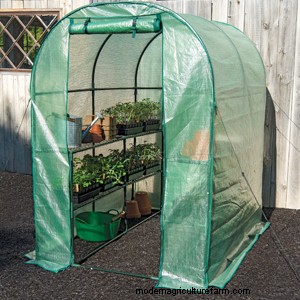
The simplest option is to use the greenhouse at select times of year when the weather is cooperative, such as spring and fall in most regions. Whether it's a simply pop-up greenhouse or a more elaborate one with vents and fans, it will protect plants in spring from chilly temperature and wind, making them idea for spring tasks, such as
Note that even when air temperature is pleasantly cool, the temperature in a greenhouse can heat up rapidly in midday sun. Vents can help keep the interior cooler, but you'll need to monitor the temperature.
In fall, this type of greenhouse is ready to extend the harvest season and help transition houseplants back indoors. Many pop-up-type greenhouses feature a sturdy frame, and a custom-sewn greenhouse cover made from clear or translucent material that slips over the top. Zippers provide access to plants and offer ventilation. Some aren't winterproof; that is, they may collapse under heavy snow cover, and should be dismantled at the end of the growing season.
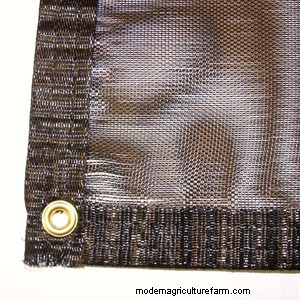
To further manage heat buildup, some greenhouse owners cover their structures with shade cloth to lessen the impact of mid-day sun. Shade cloths vary in the amount of light they let through. (An alternative option is the whitewash the top and sides to lessen light filtration.) Adding fans and an automatic venting system helps keep the temperature down inside the greenhouse. You may be able to keep plants happy though all but the hottest days. However, depending upon your climate, there may be times when your greenhouse just is just too hot for what you want to grow.
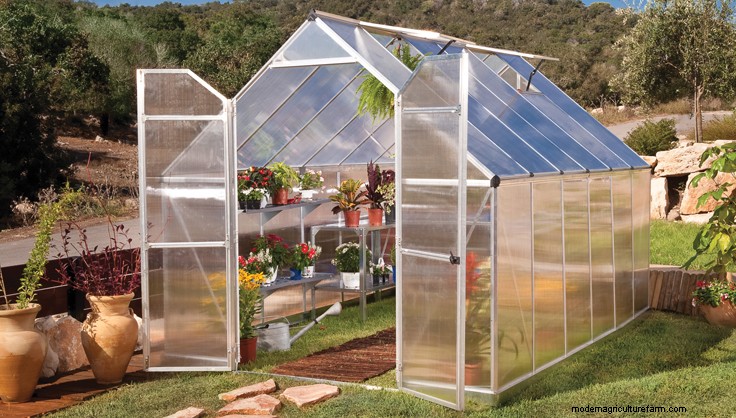
If you plan to run your greenhouse year-round, you'll need a plan for keeping it cool in summer and warm in winter. Your options vary widely on climate; if you're investing a good deal in this project, consulting a local greenhouse grower. If your locale experiences extreme heat and cold, you'll need reliable cooling and heating apparatus. Here are some tips:
One you know the temperature range you'll need to maintain, you can explore your options for heating and cooling, which will depend on your climate; the size, shape, and materials of your greenhouse; and your budget.
Note that within any greenhouse, there are certain areas that are hotter or cooler, brighter or shadier. Just like in your outdoor garden you can take advantage of these natural microclimates to provide optimum growing conditions for a wider range of plants. For example, in summer you might grow cool-loving greens on a low shelf where it's a bit cooler and shaded by benches.
Note that despite the challenges and cost of choosing, installing, and maintaining a year-round greenhouse structure, many people who have one — and have tasted the pleasures of being able to putter around in their own warm, plant-filled jungle — would be quick to argue that the benefits outweigh the challenges.
Water. Plants need a consistent supply of water, and those growing under a roof sheltered from rain depend entirely on someone to provide it. Locate your greenhouse near a water source. If you plan to grow plants year-round, you must have a year-round (non-freezing) water source.
Power source. If you're running fans or a heater, you'll need a safe supply of electricity. If you need to bring a source to the building, have an electrician install it so it has adequate power for your equipment and is safe to use around water. Avoid simply running an extension cord.
Supplemental lighting. Although this may an seem an odd need when the structure is open to direct sunlight, remember that, depending on your location, days are shorter in the winter with as little as eight hours of light. Clouds will further reduce the amount of light that reaches your plants. and of winter days. Your seedlings, as well as daylength-sensitive plants, may end up hungry for light and would benefit from LED lights installed over plant benches.
Appearance. Will you be happy with a plain polyethylene hoop house in your back yard? Or is it important that your greenhouse be a more aesthetically pleasing addition to your home and your landscape?
Permits. Depending upon your county and city laws, a greenhouse may require one or more permits. Before you start shopping, check with your local authorities and get the specific regulations that pertain to your situation. HOAs may also have restrictions in their by-laws.
GREENHOUSE ACCESSORIESOwning a greenhouse can give you the opportunity to grow plants from all over the world. Once you've made your decision and installed your greenhouse, take time to monitor the condition inside and fine-tune the heating and cooling apparatus, if applicable. Once you are confident of the conditions, it's time to let your plant imagination go wild!
This article is a compilation of articles and information by Kathy LaLiberte and Suzanne DeJohn.


